
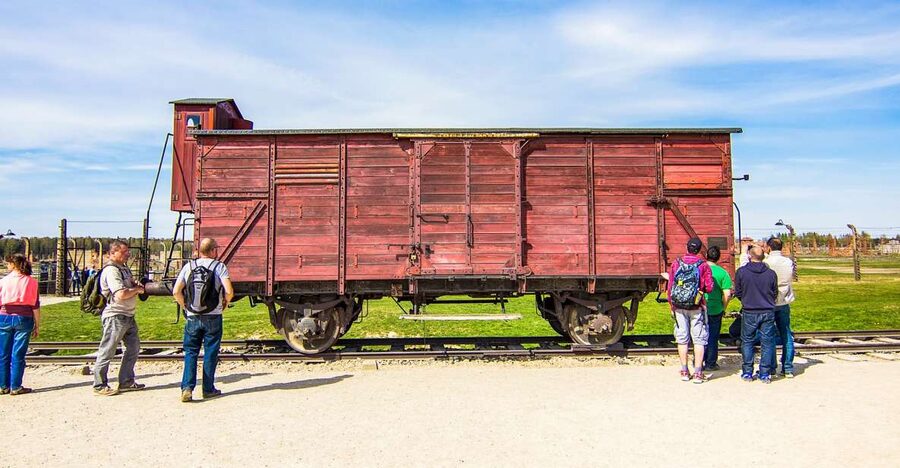
Review · AUSCHWITZ-BIRKENAU TOURS
From Krakow: Auschwitz-Birkenau Tour with Transportation
Seeing Auschwitz and Birkenau changes you. This Krakow day trip pairs skip-the-ticket-line entry with an English-speaking guide and portable headsets, so you spend more time with the story and less time on logistics. I like that the tour includes transportation between Auschwitz I and Birkenau, plus focused visits to the prison blocks and Birkenau’s scale. The one real drawback to plan for is pace, since the experience is emotionally heavy and the walking plus museum time can feel tight, and it is not suitable for kids under 14.
You’ll start very early, ride by coach, and move through a memorial designed to be slow, careful, and respectful. The upside is that the trip is organized enough that you can focus on what you’re seeing. If you’re the type who wants long, open-ended wandering in every building, this tour can feel like an overview rather than a deep linger.
In This Review
- Key details that shape this Auschwitz day trip
- Krakow to Auschwitz by coach, and why the early departure helps
- Meeting at Plac Jana Matejki 2, and getting in smoothly
- The on-the-way briefing: using time without trivializing the subject
- Auschwitz I: the prison blocks, gas chambers, and crematorium in a guided story
- Break time between camps: short pauses that keep the day humane
- Auschwitz II-Birkenau: the scale, the routes, and why the visit feels short
- Pace and comfort: what to do when your day is heavy and your feet are tired
- The guide makes or breaks it, and this tour tries to get it right
- Photo rules, clothing, and luggage limits you should know before you leave
- Price and value: what you really get for about $86
- Should you book this Krakow to Auschwitz-Birkenau tour?
- FAQ
- Where is the meeting point in Krakow?
- How long is the tour?
- What does the tour include?
- What time do you leave Krakow?
- Are tickets included, and can I skip the ticket line?
- What will I see at Auschwitz?
- What will I see at Birkenau?
- Are there breaks during the day?
- What are the rules for photos, food, and smoking?
- What should I bring, and what is restricted?
Key details that shape this Auschwitz day trip
- Skip-the-ticket-line entry so you do not lose time at the gates
- Portable headset for each visitor to keep the guide’s narration clear
- Auschwitz I + Auschwitz II (Birkenau) with transportation between the two
- Multiple short breaks built into a long day, including time to buy something at the shop
- A real local guide-led tour that ties Auschwitz history to Birkenau’s role in the Final Solution
- Hard rules inside the site (no flash, no smoking, limited bag size) so you travel prepared
Krakow to Auschwitz by coach, and why the early departure helps
This tour is built for a full Auschwitz-Birkenau day without you having to juggle trains, tickets, and transfers. You leave Krakow by coach, and the schedule is set up around the reality that Auschwitz is one of the most visited memorial sites in the world. In the real world, that means crowds and lines, and it’s not the place you want to improvise.
A coach makes the day feel more contained. You sit, you listen, you arrive as a group. One reason I like this setup is that it reduces decision fatigue. You do not need to figure out where to go first. You just meet up, board, and follow the plan.
The other reason the early start is smart is simple: you get more done before the day gets busier. Several departures run very early, with some travelers describing very early pick-up timing and an arrival around first-light hours. Even if you do not love waking up early, you get a payoff later. After a day that is intense in every sense, having time back in Krakow matters.
More Auschwitz-Birkenau visits:
- From Krakow: Auschwitz-Birkenau Guided Tour & Hotel Pickup
★ 4.5 · 33,358 reviews - From Krakow: Auschwitz-Birkenau Guided Tour & Hotel Pickup
★ 4.5 · 29,340 reviews - Krakow: Auschwitz Guided Tour with Optional Hotel Pickup
★ 4.5 · 15,280 reviews
Meeting at Plac Jana Matejki 2, and getting in smoothly
Your meeting point is Plac Matejki 2 in Krakow. There’s no hotel pickup, so show up here on purpose. The tour office is marked with the Cracow City Tours logo, and it’s described as easy to spot from the bus stop area, on the right-hand side as you head from the city center.
One practical tip: arrive a bit early. Even with a well-run operation, groups for different languages and buses can get tangled up for a moment at the start. You will still get sorted, but less stress at the beginning makes the day easier to handle.
The plan also includes tickets and guide coordination so you do not spend your morning searching for paperwork. People like the way tickets are handled, since it helps you get moving right away after arrival. And because the tour includes transportation between Auschwitz I and Birkenau, you are not stuck trying to figure out timing between the two parts of the museum complex.
The on-the-way briefing: using time without trivializing the subject
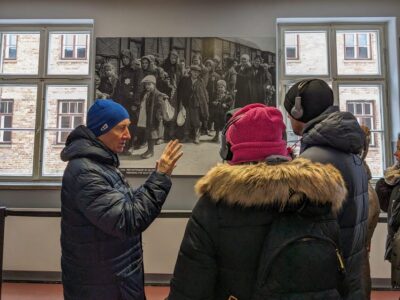
Expect some kind of orientation during the coach ride. Some groups mention an educational film being shown on the way, and it helps you shift mental gears before you step into the museum spaces.
You’ll also have a portable headset for the guide. That’s a small detail that makes a big difference. Without headsets, you can end up lip-reading while people shift around you. With them, you can usually hear the guide clearly even in louder outdoor stretches between buildings.
This matters because Auschwitz-Birkenau is not just a set of photo stops. The guide is there to explain the history and politics behind how the camp functioned, including how Auschwitz began in 1940 on the outskirts of Oświęcim and later became central to the Nazi Final Solution in 1942. Hearing that context while you stand in the relevant places is how the day turns from information into understanding.
Auschwitz I: the prison blocks, gas chambers, and crematorium in a guided story
Auschwitz I is where the tour builds its foundation. You spend about two hours here, and the pace is designed to cover core areas rather than every hallway and side room.
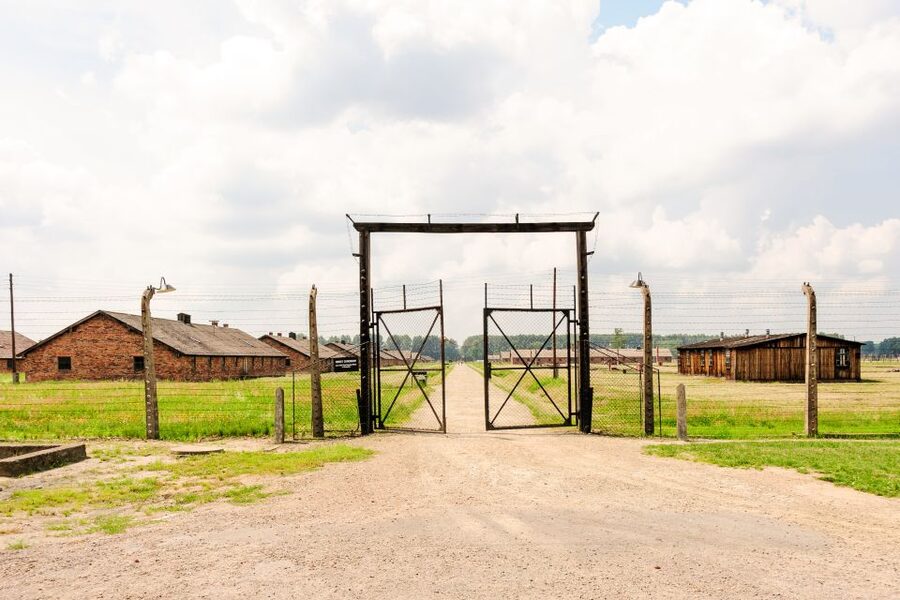
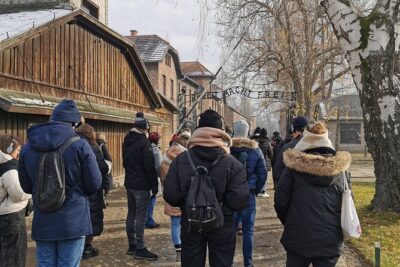
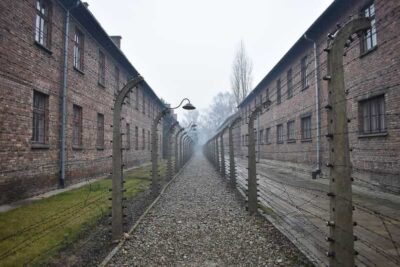
You’ll see key sites connected to incarceration and persecution, and the tour description specifically calls out prison blocks, gas chambers, and the crematorium. You also visit the main gate at Auschwitz. That main gate moment is often the one people remember because it frames the whole experience: the transition from ordinary land to a system built for mass imprisonment and murder.
What makes this stop especially valuable is the way the guide ties the physical spaces to the timeline. Auschwitz was set up by the Nazis in 1940, originally connected to mass arrests of Poles and overcrowding in existing prisons. Later, in 1942, it became a key part of the Final Solution, which was the Nazi plan to exterminate Jews from Nazi-controlled territories.
That historical framing changes how you interpret what you see. The sites are not neutral. They were built and operated with a specific purpose. A good guide helps you keep that purpose clear without turning the tour into a cold checklist.
A few more Krakow outings to weigh up
- Krakow: Wieliczka Salt Mine Tour with Entry Ticket
★ 4.6 · 10,927 reviews - Krakow–Zakopane: Cable Car, Chocholow Baths, Cheese & Vodka
★ 5.0 · 10,720 reviews - Krakow: Auschwitz-Birkenau Guided Tour with Pickup & Lunch
★ 4.5 · 9,800 reviews - From Krakow: Wieliczka Salt Mine Tour
★ 4.6 · 9,393 reviews
Break time between camps: short pauses that keep the day humane
Between Auschwitz I and Auschwitz II (Birkenau), you get breaks. The schedule includes multiple short breaks, including a 20-minute pause between museum sections, and additional short breaks during the longer memorial day.
These are not long enough to turn into a separate outing. But they do serve a real function. This is a long day that mixes bus time and walking time inside memorial spaces. The breaks give you a chance to use the restroom, reset your posture, and buy something small if you want a book or a souvenir related to the memorial.
Practical note: you are not supposed to bring food into the museum areas, so eat before you go if you can. If you’re someone who gets hungry quickly, plan for it. The tour does not list a full meal, and that matters when you are mentally drained.
Auschwitz II-Birkenau: the scale, the routes, and why the visit feels short
Birkenau is where the camp’s scale hits you. You visit Auschwitz II-Birkenau for about 50 minutes, which is brief compared to Auschwitz I.
That timing is the biggest thing to be aware of. Birkenau is large, and not every path can be covered in a short guided window. You’ll still get a meaningful overview, and the guide will point out the locations that represent the system’s operation.
Some travelers have felt the Birkenau portion can be rushed because it is so big. If you feel strongly about staying longer in fewer spots, this tour may feel like it gives you highlights rather than a deep crawl through every corner.
Still, there is a reason the schedule pushes you through. Birkenau is not only about buildings. It’s about spatial reality, the sheer scale of what was done there. Even a shorter visit can be enough to leave a lasting impression if the guide keeps the explanation grounded in what the places meant.
Pace and comfort: what to do when your day is heavy and your feet are tired
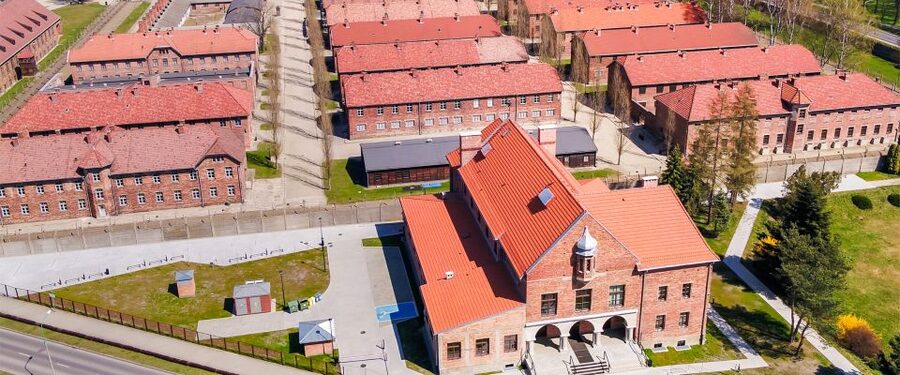
Auschwitz-Birkenau is physically demanding. Even if you are not running through the sites, you’re standing and walking across a large memorial area and moving between outdoor and indoor spaces.
So plan for comfort in a serious way:
- Wear comfortable walking shoes you trust.
- Dress for weather. You may be outside longer than you expect, even on a structured tour.
- Bring a warm layer if you’re going in cooler months, since the day starts early and ends later.
There’s also a behind-the-scenes factor you can’t fully control. Portable headsets are included and generally help you hear the guide well. But a few people report occasional headset issues, like sound cutting out. If that happens, mention it to the guide right away so you can fix it rather than silently losing parts of the narration.
The emotional pace is its own issue. This is not a light history outing. The best part of a guided tour is that the guide usually sets a careful tone. Some guides are described as extremely respectful and emotionally aware, and they take the time they need to explain without turning away from difficult details.
The guide makes or breaks it, and this tour tries to get it right
This tour is led by an English-speaking tour leader, and it also offers Spanish live guided tours. The big thing here is not just language. It’s sensitivity, clarity, and how the guide handles questions.
From the information provided, you’ll likely be with a guide who stays with you for the two main camp visits. That helps tie the Auschwitz I explanation to Birkenau’s role instead of starting from scratch.
Guide names that show up in strong feedback include Mateusz and Vlad. People also mention guides like Margarette and Martin as standouts. On the transport side, Jakub is praised as a driver, and Vlad or others have been noted for being kind and helpful during the day. You should still remember that the guide quality can never be guaranteed like a machine, but the repeated emphasis on respectful narration is a good sign.
If you choose Spanish, make sure the reservation matches the language you want. One traveler describes accidentally being placed with the English tour instead of Spanish, and it ended up working out. But that kind of mix-up is avoidable.
Photo rules, clothing, and luggage limits you should know before you leave
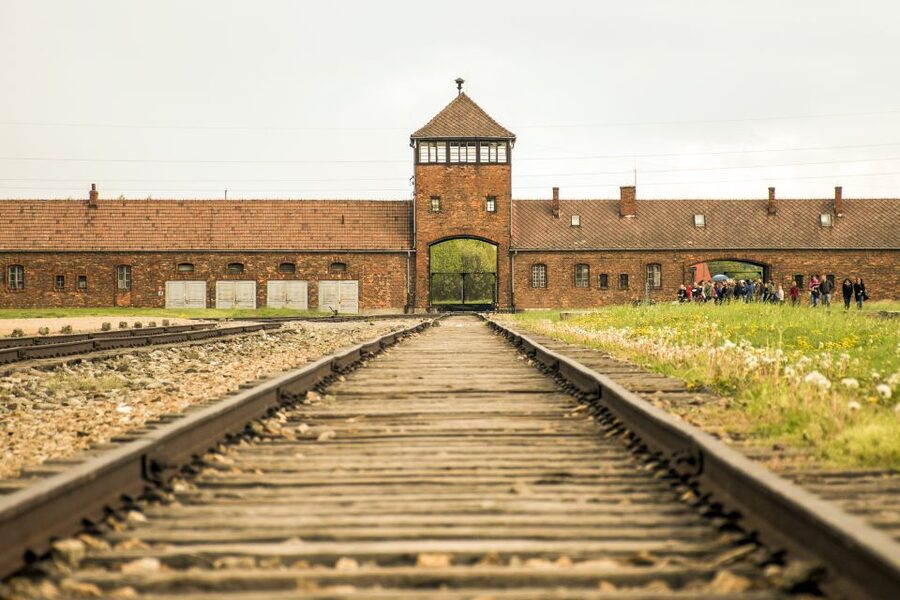
This is a memorial with strict boundaries, and that’s for a reason. The tour rules include no flash photography inside the blocks. Photography is allowed, but you need to keep it respectful and follow the site guidelines.
Other restrictions matter too:
- No smoking inside the memorial areas.
- No luggage or large bags.
- Sleeveless shirts are not allowed.
- Food is not allowed inside the museum spaces.
- Backpacks or handbags cannot exceed 30x20x10 cm.
The good news is that the schedule includes short breaks and you have a practical plan for your belongings. Some travelers note they can leave bags in the van since it stays with the group. You can also use lockers, since the information specifically mentions leaving bags in cars or buses or lockers.
Bring your ID or passport. The museum requires you to provide your full name and contact details for entry, and entrance can be refused if the name on your booking does not match the name on your ID.
Price and value: what you really get for about $86
At $86 per person, this tour is priced to feel like a bundle rather than a series of separate tasks. You get entrance tickets to Auschwitz-Birkenau, transportation from Krakow to the museum area, and transport between Auschwitz I and Birkenau parts of the memorial.
You also get an English-speaking tour leader and portable headsets for each visitor. Insurance for the duration of the tour is included too.
What is not included is just as important for your budget. Food and drinks are not included, and there is no hotel pickup or drop-off. That means your day cost is not only the tour fare, you also need to budget for snacks or a meal you eat before you head out.
Where this price feels most valuable is in stress reduction. You are paying for an organized day: clear meeting point, tickets handled, and guided context once you arrive. If you’ve tried to plan Auschwitz logistics on your own, you know how quickly it can turn into a long to-do list. Paying for the structure often buys you something you cannot download, mental clarity, especially on a day this emotionally demanding.
Should you book this Krakow to Auschwitz-Birkenau tour?
Book it if you want:
- A guided overview that covers Auschwitz I and Birkenau in one full day.
- Transport sorted for you, including moving between the two main memorial sections.
- Clear narration in English or Spanish, with portable headsets helping you hear.
Skip it, or consider a different format, if:
- You know you need much more time at Birkenau to process what you see.
- You prefer totally independent pacing, with the ability to linger inside individual buildings without group movement.
- You are traveling with children under 14, since this tour is not suitable for them.
One last practical call: come prepared for a heavy experience. Dress for early travel, plan for limited food options during the day, and keep your ID ready. If you do, this tour is a solid value way to see two crucial places in the Holocaust story, with a guide who keeps the context clear and respectful.
FAQ
Where is the meeting point in Krakow?
You meet at Plac Jana Matejki 2 in Kraków. There is no hotel pickup. The office is marked with the Cracow City Tours logo and is on the right-hand side near the bus stop when heading from the city center.
How long is the tour?
The total duration is listed as 450 minutes.
What does the tour include?
It includes entrance tickets to Auschwitz-Birkenau, transportation to and from Oswiecim and between the two parts of the museum, an English-speaking tour leader (Spanish tours are also offered), portable headset for each visitor, and insurance for the duration of the tour.
What time do you leave Krakow?
Exact departure time is not listed in the main tour details, but the day starts very early based on traveler reports. The itinerary includes coach travel segments and a full day schedule.
Are tickets included, and can I skip the ticket line?
Yes. Entrance tickets are included, and the tour description says you can skip the ticket line.
What will I see at Auschwitz?
The tour description says you will visit prison blocks, gas chambers, and crematorium at Auschwitz, and you’ll see the main gate of Auschwitz.
What will I see at Birkenau?
The tour description includes a visit to Auschwitz II-Birkenau, and the tour focuses on key areas of the memorial with a guided visit.
Are there breaks during the day?
Yes. Short breaks are provided during the tour, including break times listed in the schedule. The tour notes short breaks of 10 to 15 minutes, plus specific break periods between museum sections.
What are the rules for photos, food, and smoking?
Flash photography is not allowed inside the blocks. Food is not allowed in the museum. Smoking is not allowed.
What should I bring, and what is restricted?
Bring a passport or ID card. Luggage or large bags are not allowed, and bags must not exceed 30x20x10 cm. Sleeveless shirts are not allowed. You’ll also be required to provide your full name and contact details for entry, and your name on the booking must match your ID.
Fresh listings from Krakow
- Zakopane & Gubalowka Funicular – Private Winter Tour from Krakow★ 5.0 · 10 reviews
- ZALIPIE – painted village, unique PRIVATE tour from Krakow★ 5.0 · 20 reviews
- stag dog chase Krakow prank★ 5.0 · 4 reviews
- ZALIPIE – painted village, unique small group tour from Krakow★ 5.0 · 7 reviews
- Full-Day Zalipie Painted Village Guided Tour★ 4.0 · 3 reviews
- Sleigh Ride & Bonfire in Zakopane with Funicular – Private Trip★ 5.0 · 48 reviews
- Zakopane PRIVATE TOUR from Krakow★ 5.0 · 18 reviews
- Zakopane Funicular Hill & Thermal Springs regular tour★ 5.0 · 9 reviews
Auschwitz-Birkenau Tours, compared.
Auschwitz-Birkenau Guided Tour & Hotel Pickup
Read our review →Auschwitz-Birkenau Guided Tour & Hotel Pickup
Read our review →
Auschwitz Guided Tour with Optional Hotel Pickup
Read our review →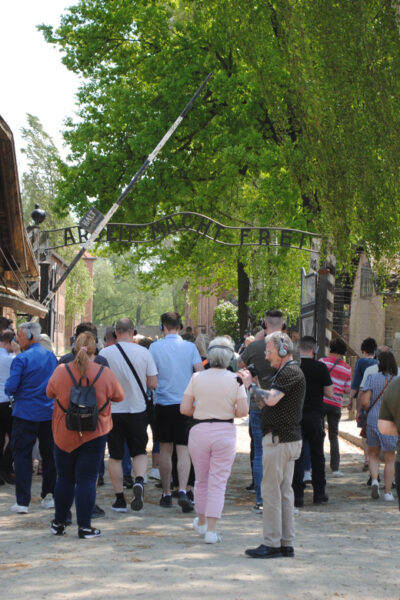
Auschwitz-Birkenau Guided Tour with Pickup & Lunch
Read our review →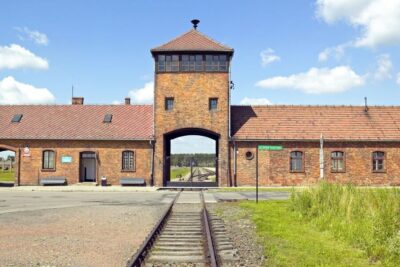
Krakow to Auschwitz Birkenau Guided Tour with Transfer and Ticket
Read our review →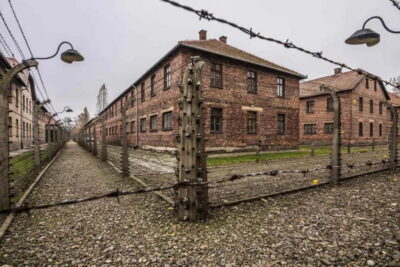
Auschwitz-Birkenau Guided Tour or Self-Guided Tour
Read our review →Browse the lists this tour appears in