
Review · AUSCHWITZ-BIRKENAU TOURS
From Krakow: Auschwitz-Birkenau Tour with Transportation
A quiet bus ride sets the tone. This Auschwitz-Birkenau trip from Krakow combines easy pickup logistics with structured time at Auschwitz I and Auschwitz II-Birkenau, plus an in-transit documentary. I really like the stop at Judenrampe, especially with the original camp train car, and I appreciate the way the staff role-checks the essentials so your day stays organized. One drawback to plan for: the memorial controls timing, so you cannot slow the pace if you want to linger.
This is also a trip with real flexibility, depending on what option you pick, from self-guided exploring with an informative booklet to a fully guided on-site format. If you are short on time or you like having a person explain what you are seeing, the guided version tends to make the day feel easier to process. If you prefer quiet and self-paced reading, the self-guided route still gives you meaningful time in both main sections.
In This Review
- Key highlights I’d circle for this day trip
- Pickup, transport, and keeping the day on rails
- The documentary on the way: context before you arrive
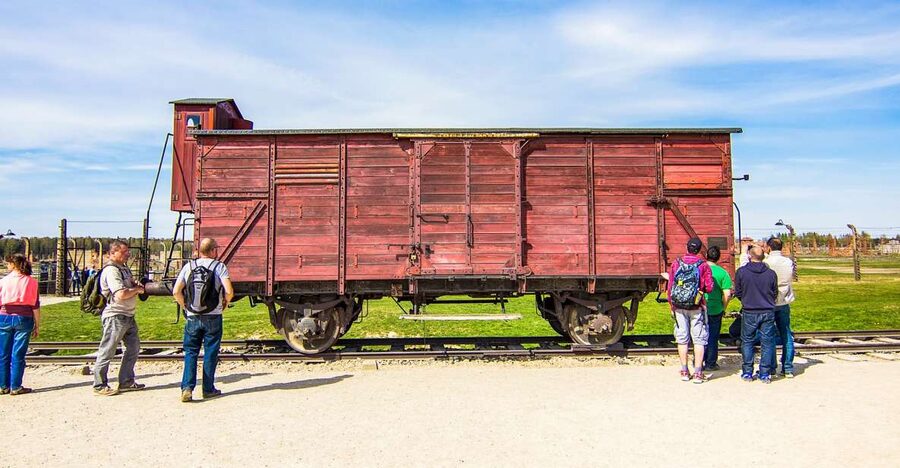
- Judenrampe and the original camp train car
- Auschwitz I: the first camp and Block 11’s role
- Auschwitz II-Birkenau: scale you can feel
- Self-guided vs guided options, and how to choose
- How long it takes, and what the day rhythm feels like
- Comfort and respect: what to bring and what to avoid
- Value: does the $22 price make sense for this route?
- Should you book this Auschwitz-Birkenau trip from Krakow?
- FAQ
- How long is the Auschwitz-Birkenau tour from Krakow?
- Where do you get picked up in Krakow?
- How long is the drive to Auschwitz?
- What happens when you arrive at Auschwitz?
- Do you get a guide at Auschwitz?
- Is there a documentary during the trip?
- Is Judenrampe included?
- Are skip-the-line tickets included?
- What tickets are not included?
- What should I bring, and what is not allowed?
Key highlights I’d circle for this day trip
- Pickup and drop-off built around central Krakow, with multiple return points after the visit.
- Documentary film during the 75-minute ride, so you arrive with context rather than blank-page shock.
- Judenrampe time (about 30 minutes) and the original train car, a powerful way to understand arrival to the camps.
- Auschwitz I then Auschwitz II-Birkenau layout, so you see the two parts of the complex in a logical flow.
- Options for guided vs self-guided, including an on-site guide (only in guided options) and booklet support (in booklet options).
- English-speaking host throughout, plus a group size capped at 30 visitors per guide.
Pickup, transport, and keeping the day on rails
The day starts in Krakow at the Radisson Blu Hotel area, using the tourist bus stop at the entrance. You meet there for your van, minibus, or coach marked KrakowDirect, and you should arrive 15 minutes early so you do not stress about finding the correct vehicle. The pickup time can shift, typically within 30 to 60 minutes, and you may see a start window between 5:00 AM and 11:00 AM depending on scheduling.
This matters because Auschwitz is one of those visits where the “getting there” is part of the experience. You are leaving early, and the bus ride is your decompression window, not time to sprint around town. If you like structure, the round-trip transportation is straightforward: about 75 minutes each way, then you are handed off to the on-site flow.
After the visit, you get returned to Krakow at one of four drop-off locations: Starowiślna 65, Radisson Blu Hotel, Floriana Straszewskiego 17, or Wielopole 2. That also helps with logistics if you are staying in a different neighborhood, and it means you are not stuck figuring out a taxi after a long day.
One more practical point I appreciate: the host or greeter is listed for English and Polish, and there is assistance throughout the whole trip. You should still double-check your details before you go, because the museum can refuse entry if the name you booked is not identical to the name on your ID.
More Auschwitz-Birkenau visits:
- From Krakow: Auschwitz-Birkenau Guided Tour & Hotel Pickup
★ 4.5 · 33,358 reviews - From Krakow: Auschwitz-Birkenau Guided Tour & Hotel Pickup
★ 4.5 · 29,340 reviews - Krakow: Auschwitz Guided Tour with Optional Hotel Pickup
★ 4.5 · 15,280 reviews
The documentary on the way: context before you arrive
On the ride out, the operator shows an educational documentary about the liberation of Auschwitz-Birkenau. That is not just filler, it is a pacing tool. It helps you shift from travel mode into history mode before you reach the memorial.
In some departures, the film is shown using the vehicle’s internal screen setup, and people have also noted DVD playback in the minibus. Either way, I like that the day gives you context before it asks you to absorb details at the site.
This is also where you can prepare your own mental game plan. You will likely be tired, and you might feel emotional later, so I recommend you bring small comforts that do not violate the rules. Comfortable shoes and a simple day bag help you focus rather than manage stress when you get inside.
Judenrampe and the original camp train car
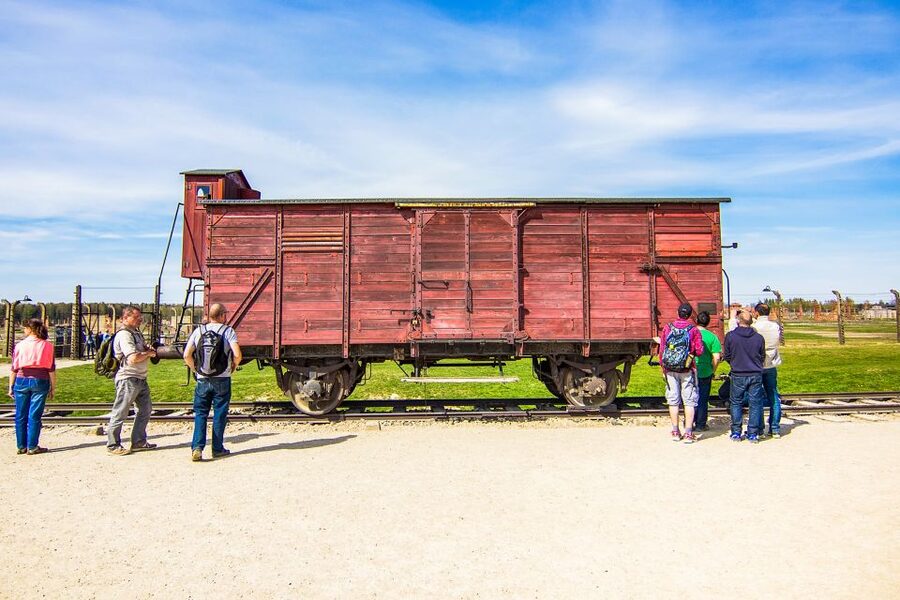
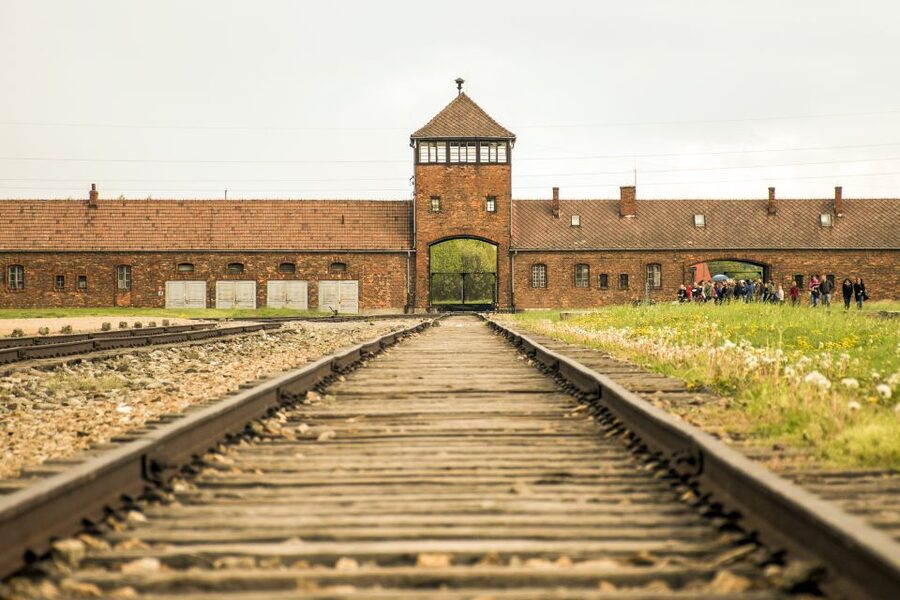
Your first specific on-site stop is Judenrampe, with about 30 minutes for a self-guided visit. You will also see the original camp train car, which is a small object with a huge emotional weight. I like that this stop comes early in the route because it frames what follows, rather than letting you wander into the camp grounds without understanding the process of arrival.
There is a short bus transfer after that stop, about 10 minutes, before you reach the main memorial area. That short hop is useful because it resets your attention and gets you to the first museum section without wasting time.
Since this portion is self-guided, your experience depends on how you use your time. If you want to get the most out of it, you should look for how the site communicates arrival and confinement, then connect it to what you will see in the broader Auschwitz I and Auschwitz II areas. If you need more explanation, pick the guided option so someone can help you connect the dots in real time.
Auschwitz I: the first camp and Block 11’s role
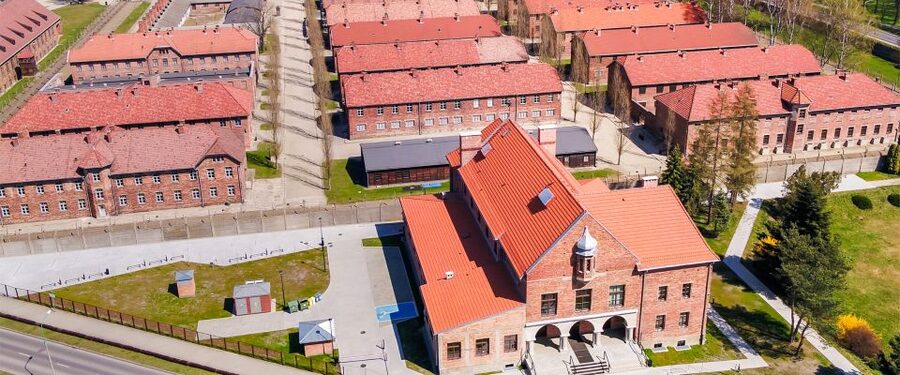
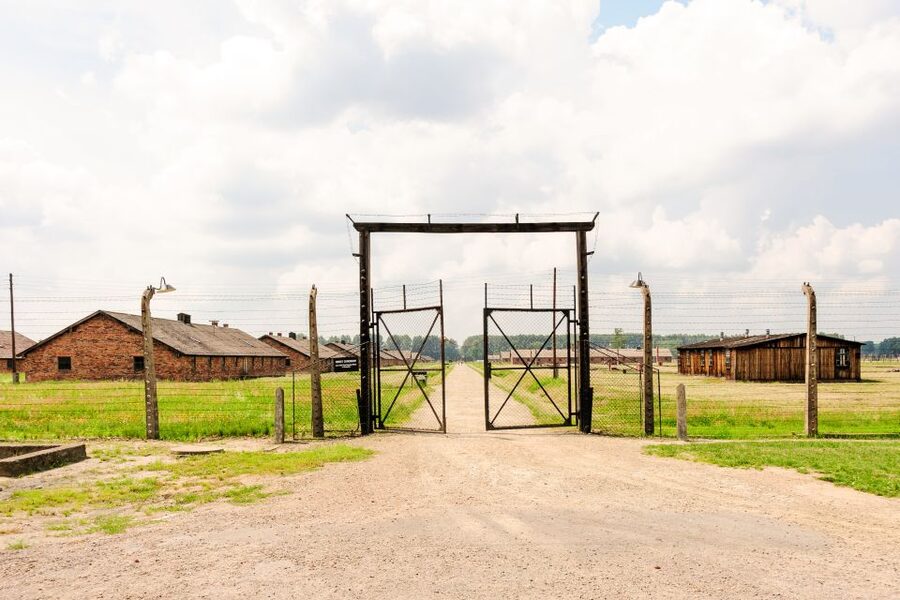
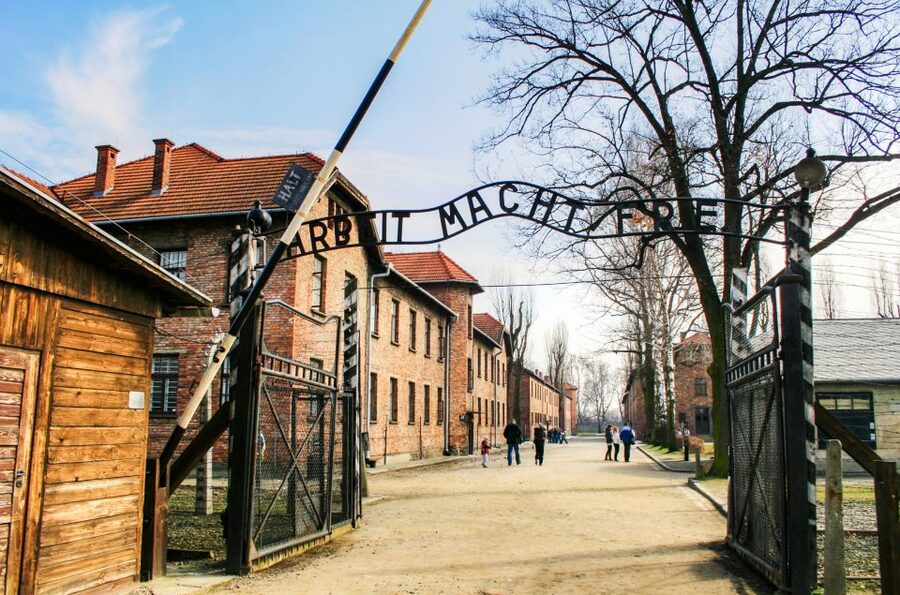
Your visit starts in Auschwitz I, and the memorial’s flow generally means you spend time understanding the camp complex that began first for men and women. This part of the site is where the Nazis established the original camp, and it is also where many of the earliest lethal methods were tested, including experiments using Zyklon B.
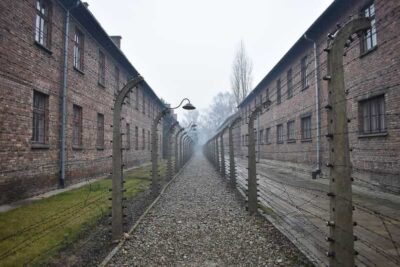
Auschwitz I is also where many executions by shooting took place. The camp’s organization was not random, and you can feel the administrative logic in the preserved structures and room layouts, including areas that reflect how SS authorities operated the camp and directed expansion across the complex.
One standout detail that makes Auschwitz I distinct is the concentration of key functions. Block 11 is identified as the central camp prison, with prisoners from across the camp complex held there, along with the camp commandant’s office and many SS offices. Even if you do not read every label, this gives you a clear sense of how punishment, bureaucracy, and control were physically concentrated.
If you are choosing a self-guided option, this section can feel like a lot to process on your own. The memorial experience is intense, and you might want a guided format if you like someone to translate the layout into meaning. If you prefer self-paced visiting, plan for the fact that you may not be able to slow down much, because the memorial controls the pace.
A few more Krakow outings to weigh up
- Krakow: Wieliczka Salt Mine Tour with Entry Ticket
★ 4.6 · 10,927 reviews - Krakow–Zakopane: Cable Car, Chocholow Baths, Cheese & Vodka
★ 5.0 · 10,720 reviews - Krakow: Auschwitz-Birkenau Guided Tour with Pickup & Lunch
★ 4.5 · 9,800 reviews - From Krakow: Wieliczka Salt Mine Tour
★ 4.6 · 9,393 reviews
Auschwitz II-Birkenau: scale you can feel
Then you go to Auschwitz II-Birkenau, the larger extermination-focused part of the complex. This is where the Nazis built most of the facilities used for mass extermination, and the scale is not subtle. Approximately one million Jews were murdered in Auschwitz II-Birkenau, according to the trip description, and the numbers help you understand why the site feels so vast.
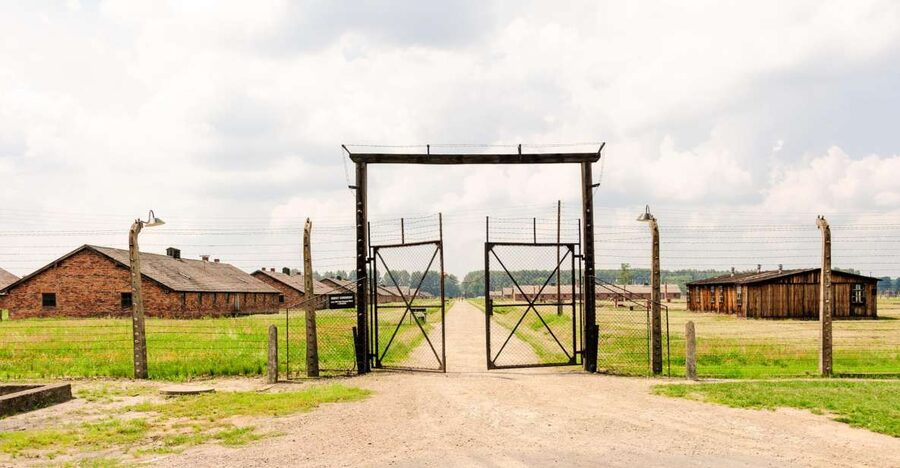
Birkenau is described as the largest concentration camp in the complex, with nearly 300 primitive barracks, mostly wooden. In 1944, the camp held over 100,000 prisoners, including Jews, Poles, Roma, and others. You will also cover a large area, since the preserved grounds extend across nearly 200 hectares.
What I think works well for this itinerary is that Birkenau is not just one building you “see and move on.” You are looking at preserved ruins and remnants tied to gas chambers, human ashes, prisoner barracks, fencing, and the roads that structured movement inside the camp. Even without a guide telling you every detail, the site’s layout communicates how mass control was built into geography.
Still, this is also where you should plan your body. This is not a casual stroll, and the visit timing can feel brisk even when you are trying to be respectful. If you have mobility issues, this tour is not suitable for wheelchair users, and people with mobility impairments are listed as not suitable, so you will want to consider other options.
Self-guided vs guided options, and how to choose
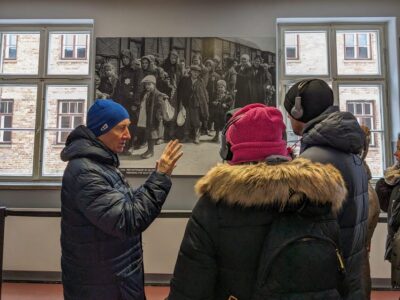
The biggest value difference is whether you choose a guided or self-guided format. In guided options, you get a professional guide and a 3.5-hour guided tour of Auschwitz-Birkenau, plus skip-the-line tickets if you pick the guided and skip-the-line version. In self-guided formats, you spend set time on your own, including around 2.5 hours at the memorial and museum area.
If you like the idea of learning while you walk, the guided option is usually the better fit. It removes the guesswork about what to prioritize and helps you understand why certain structures matter, not just what they look like. Many people find that having an English-speaking guide makes questions easier to ask in the moment, especially when the site is overwhelming.
If you prefer reading at your own pace, self-guided can work, especially if you select a booklet option. Booklet options include an informative guide book with maps, descriptions, and suggested tour route. That is practical, because Auschwitz is large and it helps you avoid wandering.
One more point: regardless of the option, your host or greeter is there for English and Polish support throughout the trip. That is helpful for practical questions, even if the on-site content structure differs by option.
How long it takes, and what the day rhythm feels like
Even though the trip is listed as 7 hours (570 minutes), the description also says it can run 7 to 11 hours depending on the selected option. The exact duration is also described as approximate because the memorial’s visitor services set the pace and timing.
Here is the typical rhythm you should expect from the provided schedule structure. You start with a 75-minute bus/coach ride to the camp area. Then you have the Judenrampe stop for about 30 minutes, followed by a 10-minute transfer to the memorial and museum area.
At the memorial area, you will have about 2.5 hours for self-guided time in the museum context, unless you selected a guided format where the on-site guided portion is described as 3.5 hours. After that, there is a short break and then another 75-minute ride back to Krakow.
That timing is the reason I recommend planning the rest of your day in Krakow gently. This is a long outing with an early start, and the emotional intensity can hit after you leave the site. If you have a late dinner plan, I would avoid anything that requires you to dash across town right after you return.
Comfort and respect: what to bring and what to avoid
This tour is a “simple day” in terms of gear, but the rules are real. You should bring your passport or ID card, and you need comfortable shoes. Large bags and luggage are not allowed, so pack light. Also, alcohol and drugs are not allowed.
A detail that can save you stress: the museum requires you to provide your full name and contact details as part of the booking. If your name does not match exactly what is on your ID when you enter, entrance may be refused. That is not the moment to discover a typo, so double-check spelling before the day.
Finally, the group size is capped at 30 visitors per guide. That is large enough that you still need to stay aware of where your group is, but it is small enough that you are not lost in a crowd of strangers. If you want calm, you will need self-management too, especially in Birkenau, where space can make it easy to drift.
Value: does the $22 price make sense for this route?
At $22 per person, the headline price is hard to ignore, especially because the trip includes round-trip transportation from Krakow, an in-vehicle documentary, and insurance. You also get assistance from an English-speaking tour host throughout the whole trip.
What makes the value clearer is how the inclusions can change by option. If you choose a guided version, you also get a 3.5-hour guided tour of Auschwitz-Birkenau. If you choose a guided plus skip-the-line option, skip-the-line tickets are included as well. If you choose a booklet option, you get a guide book with maps and a suggested route.
So the question is not just whether $22 sounds good, it is whether your preferred learning style matches the option. If you buy the cheaper format that does not include the museum entry ticket for the Roundtrip Transport + Tour Host Assistance to get Ticket option, you may be paying less upfront but still need to handle your entry ticket process. If you want the smoothest experience and you are visiting for the first time, a guided and skip-the-line style option is usually the best fit for time and mental bandwidth.
Should you book this Auschwitz-Birkenau trip from Krakow?
I think you should book if you want a structured, transportation-handled day with clear time blocks and an option to have a guide explain what you are seeing. If you like asking questions, or you do not want to guess how to prioritize in two different camp areas, choosing the guided option is the safest match for your learning goals.
You should also book if you care about logistics. Pickup is in a central place in Krakow, the vehicle is described as modern, and you get multiple drop-off locations on return. That kind of planning matters on a day where you cannot afford to get off track.
Skip this specific tour if you need wheelchair access or you face mobility limitations, because the operator lists it as not suitable for wheelchair users and people with mobility impairments.
If you want, tell me which option you are considering (self-guided, booklet, guided, and whether skip-the-line is included) and your travel dates. I can help you pick the best match based on your time and how you like to learn at a site like this.
FAQ
How long is the Auschwitz-Birkenau tour from Krakow?
It is listed as about 7 hours (570 minutes). The description also notes the total time can be 7 to 11 hours depending on the option you select.
Where do you get picked up in Krakow?
You meet in front of the entrance to the Radisson Blu Hotel at the tourist bus stop. You should arrive 15 minutes before your confirmed pickup time.
How long is the drive to Auschwitz?
The schedule includes about 75 minutes by bus or coach on the way to Auschwitz.
What happens when you arrive at Auschwitz?
You go to Auschwitz in two main parts, Auschwitz I and Auschwitz II-Birkenau. Your day includes a Judenrampe stop, then time at the memorial and museum area.
Do you get a guide at Auschwitz?
Only if you choose one of the guided options. Guided options include a 3.5-hour guided tour of Auschwitz-Birkenau, and a professional guide is included.
Is there a documentary during the trip?
Yes. A documentary film about Auschwitz-Birkenau is shown on the way to the camp.
Is Judenrampe included?
Yes. You stop at Judenrampe for about 30 minutes, and you can see the original camp train car.
Are skip-the-line tickets included?
Skip-the-line tickets are included only for the guided and skip-the-line option. For other options, it may not be included.
What tickets are not included?
For the Roundtrip Transport + Tour Host Assistance to get Ticket option, the entry ticket is not included.
What should I bring, and what is not allowed?
Bring your passport or ID card and comfortable shoes. Large bags or luggage are not allowed, and alcohol and drugs are not allowed.
Fresh listings from Krakow
- Zakopane & Gubalowka Funicular – Private Winter Tour from Krakow★ 5.0 · 10 reviews
- stag dog chase Krakow prank★ 5.0 · 4 reviews
- ZALIPIE – painted village, unique PRIVATE tour from Krakow★ 5.0 · 20 reviews
- ZALIPIE – painted village, unique small group tour from Krakow★ 5.0 · 7 reviews
- Full-Day Zalipie Painted Village Guided Tour★ 4.0 · 3 reviews
- Sleigh Ride & Bonfire in Zakopane with Funicular – Private Trip★ 5.0 · 48 reviews
- Zakopane PRIVATE TOUR from Krakow★ 5.0 · 18 reviews
- Zakopane Funicular Hill & Thermal Springs regular tour★ 5.0 · 9 reviews
Auschwitz-Birkenau Tours, compared.
Auschwitz-Birkenau Guided Tour & Hotel Pickup
Read our review →Auschwitz-Birkenau Guided Tour & Hotel Pickup
Read our review →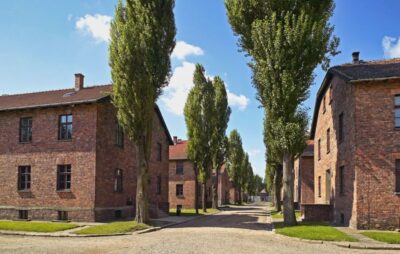
Auschwitz Guided Tour with Optional Hotel Pickup
Read our review →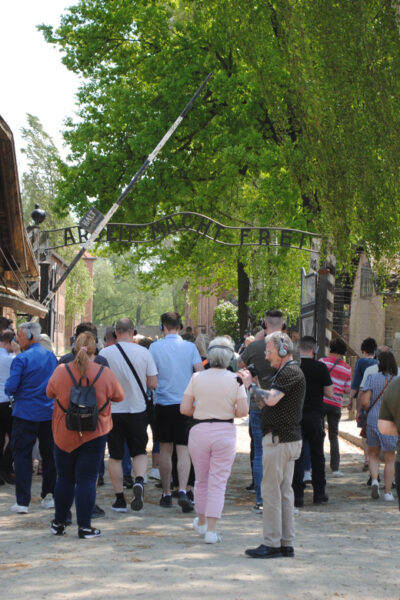
Auschwitz-Birkenau Guided Tour with Pickup & Lunch
Read our review →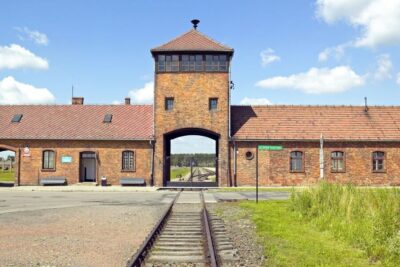
Krakow to Auschwitz Birkenau Guided Tour with Transfer and Ticket
Read our review →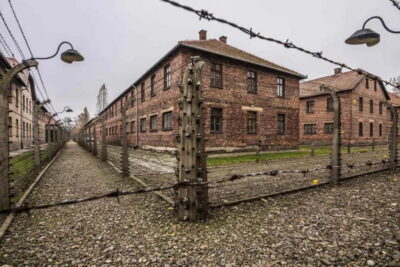
Auschwitz-Birkenau Guided Tour or Self-Guided Tour
Read our review →Browse the lists this tour appears in