
Review · GDANSK & TRI-CITY TOURS
Gdańsk: World War II Tour
World War II history lives in Gdańsk. This tour gives you a guided, Poles-eye look at how the conflict started and how it ended, with Westerplatte and the Polish Post Museum as key anchors. The one drawback to plan for is that it is not suitable for people with mobility impairments, so you should check your comfort with walking before booking.
I also like how the story is told with people, not just dates, moving from the Free City of Gdańsk toward the attack of the Red Army, then through the city’s 1945 finale. And because it is a private group with pickup and drop-off, you can keep things simple, including staying out of transit time stress. At 210 minutes total, it is a focused outing, so if you want a long, free-form day, this might feel a bit short.
Bring clothes for bad weather. You’ll be out on the route, and the tour runs in a tight 3.5-hour window, so dressing for rain or wind helps a lot. English and Polish guides are available, and you get water during the trip.
In This Review
- Key moments that make this tour worth it
- Gdańsk’s WWII story, told in one connected line
- Pickup, private pacing, and how the 3.5 hours really works
- Westerplatte: the one-hour stop that anchors the opening stage
- Museum of the Polish Post: why 30 minutes feels like more
- Main City walking time: putting the political story into street-level context
- Gradowa Mountain and the 1945 finale you cannot ignore
- Price and value: where $195 per person makes sense
- Who should book this WWII tour in Gdańsk?
- Tips before you go, so the story lands well
- Should you book this Gdańsk World War II tour?
- FAQ
- How long is the Gdańsk World War II tour?
- Where does the tour start?
- Is transportation included?
- Is this a private tour?
- What languages are available for the live guide?
- What sites are included on the route?
- What is included in the price?
- How much does it cost?
- Is the tour suitable for people with mobility impairments?
- What should I bring?
Key moments that make this tour worth it
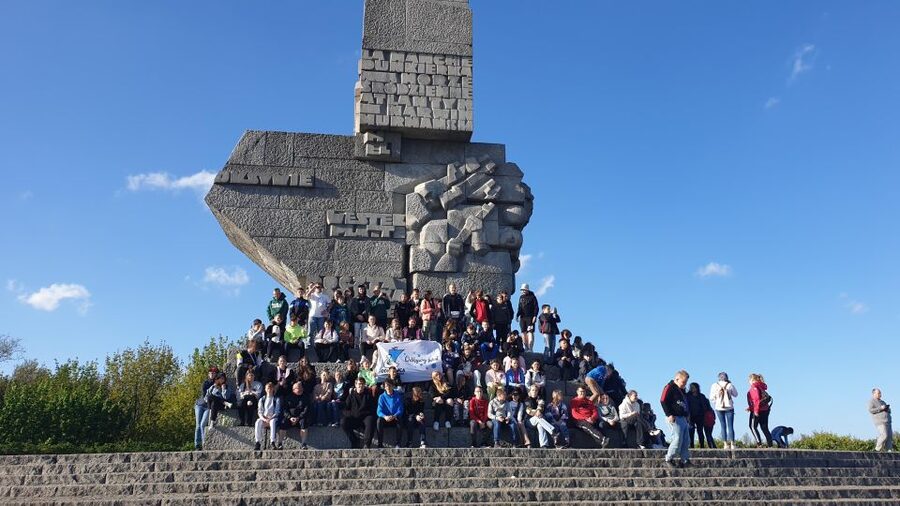
- Westerplatte in guided time: a full hour where the war story starts to click into place
- Museum of the Polish Post: a tight stop that still gets time for guided context
- A Poles-eye narrative: the arc runs from early tension to the 1945 ending
- Private group comfort: car or minivan transport plus pickup and drop-off in Gdańsk
- Gradowa Mountain included: the tour does not stop at the famous postcard spots
Gdańsk’s WWII story, told in one connected line
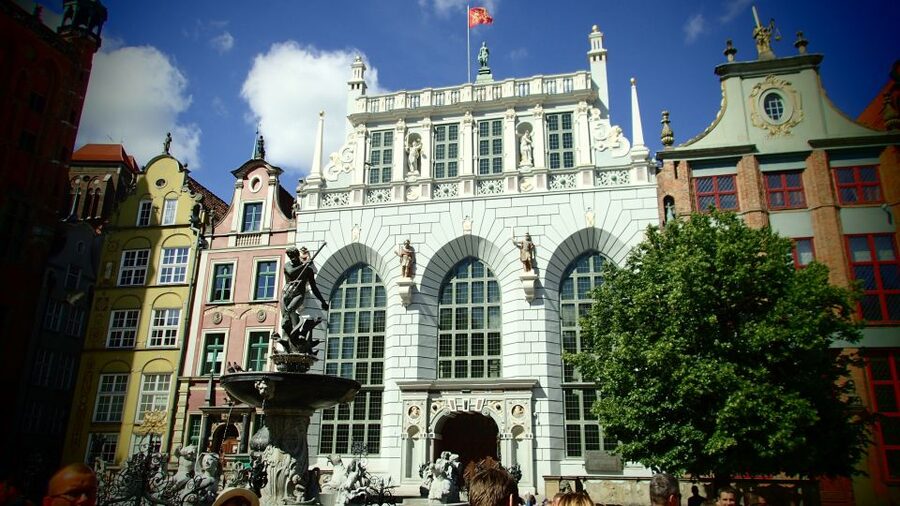
Gdańsk is described as the place where the Second World War began, and then where its spread and aftermath were felt across Europe. What I find useful about this tour framing is that it does not treat the city like a museum you wander through. You follow a narrative arc, with your guide using landmarks to show how the conflict unfolded.
A big part of the tour’s appeal is that it centers the story on Poles, not just on the big-power clash. The city itself, at the beginning, did not face military operations in the same way as other locations, then 1945 brought a tragic finale to Gdańsk. That contrast matters. It helps you understand why the later ending hits so hard, because you are shown how long the tension built before the worst moment arrived.
The tour also promises the story from the Free City of Gdańsk to the attack of the Red Army, then onward to places like Westerplatte and Gradowa Mountain. In plain terms, that means you get both the political atmosphere and the physical geography that history used. When a guide keeps those pieces connected, you leave with clearer mental map, not just a list of sites.
A few more Gdansk outings to weigh up
- Gdansk: City Cruise on Historical Polish Boat
★ 4.8 · 2,913 reviews - Gdańsk: Sunset Cruise on a Historic Polish Boat
★ 4.9 · 977 reviews - Gdańsk City Sights & History Guided Walking Tour in English
★ 4.8 · 876 reviews
Pickup, private pacing, and how the 3.5 hours really works
This tour runs for 210 minutes, and that matters for your expectations. It is long enough to cover several stops with guided time, but short enough that you should treat it like a single, concentrated chapter rather than a whole day of exploring.
The logistics are designed to be low-friction: pickup and drop-off at your accommodation or a central location in Gdańsk, plus transportation by car or minivan. That is a practical win, especially if you are trying to fit WWII sites into a schedule that already has museums, meals, and harbor time.
It is also a private group. That usually means the guide can move at a rhythm that fits your questions and comfort level, which makes a difference when the topic is heavy. One of the strongest signals from guide experiences shared after the tour is how well they meet people in real time. For example, guides including Bożena, Roxana, and Sebastian Malyszczyk were described as professional, friendly, and attentive to guests’ needs. You should feel like you are in hands that care about how you experience the story, not just about getting through a script.
One practical consideration: the tour is listed as not suitable for people with mobility impairments. Even though you have a vehicle, you still have guided stops and time on-site. If you have any mobility limitations, plan this carefully.
Westerplatte: the one-hour stop that anchors the opening stage
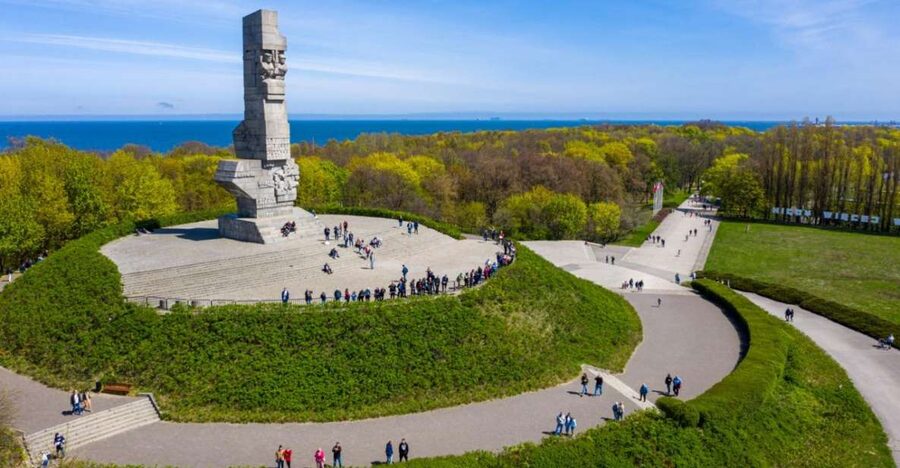
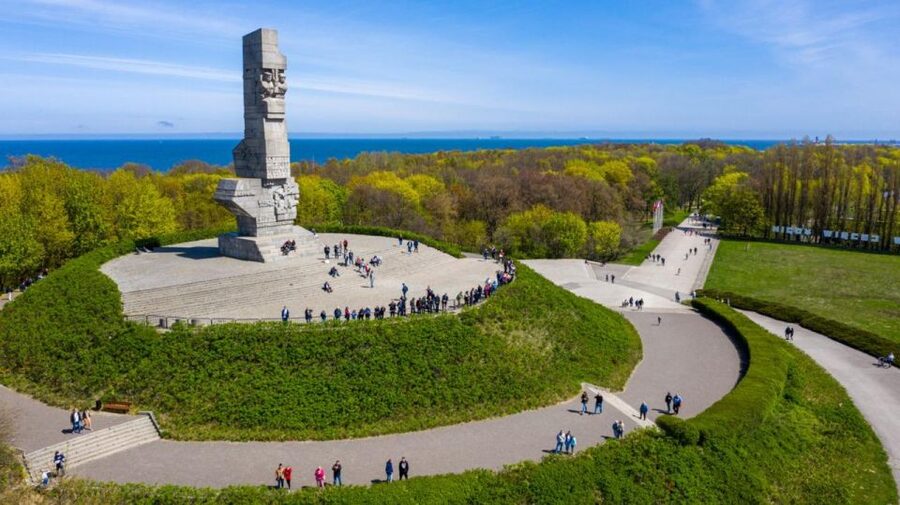
Westerplatte is the first major guided visit on the route, with a one-hour guided tour. Even if you have heard the name before, I think this is the best kind of starting point: a place tied to the beginning of the wider WWII story. By the time you arrive here, your guide has already set the context around how the conflict began and how it spread.
The value of an hour is that you do not just snap a few photos and move on. You get time for guided explanation while you are standing in the area itself, which helps the story become spatial. Places like this work best when you can connect what the guide says to what you see in front of you.
From the practical side, the one-hour format is also easier to manage than a longer excursion. You can handle it even if you are traveling with jet lag or are coming off a busy day.
If you are deciding whether Westerplatte is worth your time in Gdańsk, this tour’s structure is a strong argument for yes. It gives the site real guided attention, not token time.
Museum of the Polish Post: why 30 minutes feels like more
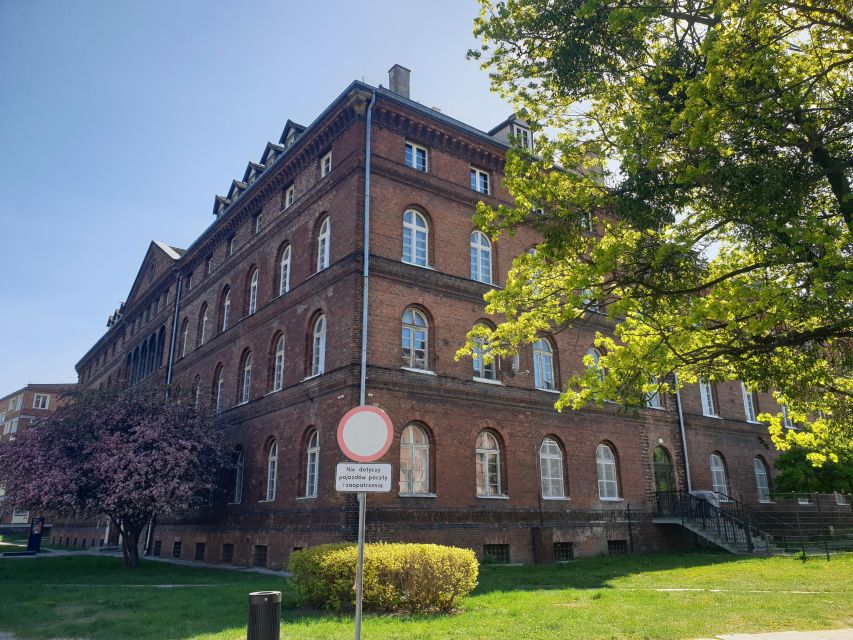
The next stop is the Museum of the Polish Post, with a 30-minute guided visit. That time slot might look short on paper, but it is often the sweet spot for a museum stop inside a longer route.
Here is why it works: the tour is designed to keep you moving through the WWII narrative without losing momentum. The museum stop breaks up the bigger city segments with something focused, and it gives your guide a chance to explain how everyday systems and communications connect to wartime reality. Even if you are not a museum person, guided interpretation can make the objects and setting feel connected to the broader story you are already hearing.
One of the most encouraging notes from post-tour feedback is that the museum visit should be part of this kind of itinerary, even if the museum time is not long. That lines up with the tour’s overall goal: deliver a clear story, not a checklist.
If you are wondering whether you will feel rushed, remember this is a private group. In the best guide-led versions of this tour, the guide can adjust to what you need. One booking described how Bożena provided the necessary information and support throughout the tour. Another mentioned Roxana as pleasant and strong with explanations. With that kind of guidance, the museum stop often lands well even within a tight time window.
Still in reach of Gdansk, but a different sort of day:
- Gdansk: Firearm Shooting Experience with Instructor
★ 4.8 · 866 reviews - Gdansk: Guided Round-Trip Cruise to Westerplatte
★ 4.3 · 865 reviews - Gdańsk: Olivia Star Sky-High Views, Dinner, and Cocktails
★ 4.3 · 797 reviews - Gdansk: Shared or Private City Tour Sightseeing by Golf Cart
★ 4.9 · 754 reviews
Main City walking time: putting the political story into street-level context
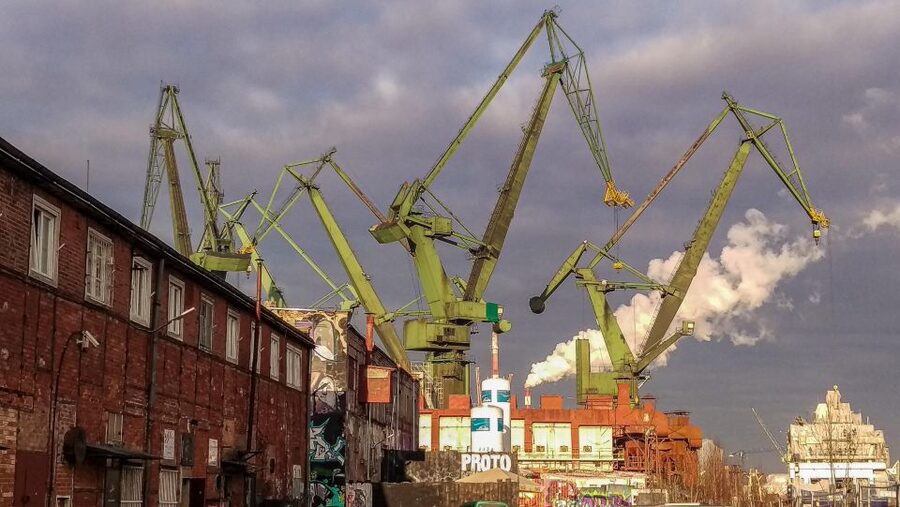
After the museum, you move into the main city for another one-hour guided visit. This is where the narrative starts to feel like it belongs to Gdańsk itself, not just to a few famous points.
The tour’s promise includes moving from the Free City of Gdańsk and covering how events escalated, then reaching toward the attack of the Red Army and the 1945 finale. The main city segment is where those themes can turn from background into something you can place.
This is also where guides’ communication style becomes a big deal. People have specifically praised guides for making the history clear and detailed, and for showing pride in the city. In one example, Sebastian Malyszczyk was described as giving lots of details and explaining history clearly, with real passion for Gdańsk. Another highlighted how a guide adjusted to guests’ needs and made the city feel new again, even for someone who had been in Gdańsk before.
That last point is practical. If you have visited Gdańsk once already, a well-run main city segment can still change how you see neighborhoods and landmarks. You are not just repeating what you already saw.
Gradowa Mountain and the 1945 finale you cannot ignore
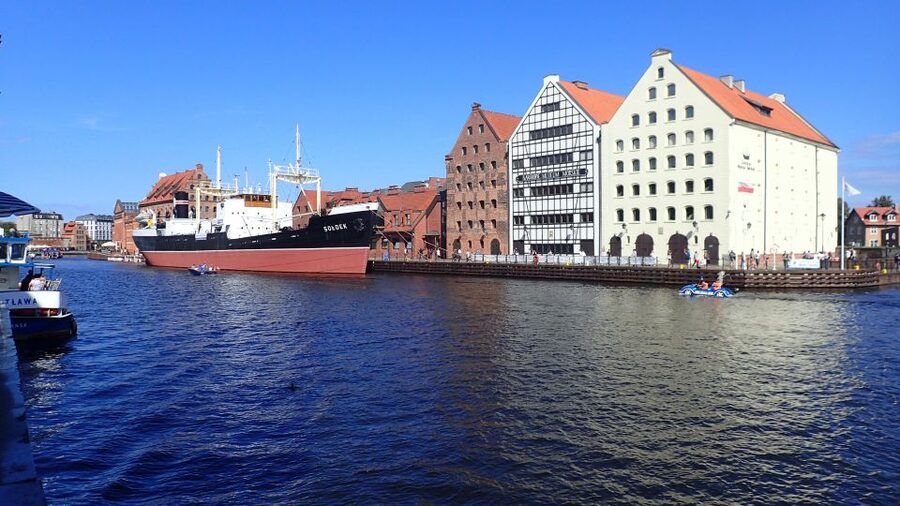
The tour description specifically mentions going from Westerplatte to Gradowa Mountain. It also frames the ending as 1945’s tragic finale for Gdańsk.
Even without going into technical battle details here, you should understand the emotional shape of the tour. The story is not arranged to make WWII feel distant. It is arranged to bring you to the ending while you can still feel how the earlier parts built tension.
That makes Gradowa Mountain a significant part of the experience, because it helps you see how geography relates to where events landed. When you reach this stage, the tour’s message is clear: the war story is not only about beginnings. It is about what the city endured and how the city’s story kept going afterward.
If you are sensitive to heavy topics, plan your pace. The tour is 210 minutes, but it is concentrated. Bring your attention level, not just your curiosity.
Price and value: where $195 per person makes sense
The price is $195 per person for 210 minutes. That might be high compared with a basic city walking tour, but you should judge it by what is included.
You get:
- pickup and drop-off at your accommodation or a central location in Gdańsk
- transportation by car or minivan
- a tour guide
- water
The combination of private group plus transport plus guided stops is where the value lives. A tour that includes driving time and multiple guided sites costs more than a straight walking loop, especially when the guide is responsible for keeping the story coherent across different locations.
Also, you are paying for guided interpretation of a topic that benefits from context. WWII history is not naturally intuitive in every street corner. A good guide helps you connect what you see to what you hear, so you do not leave with disconnected facts.
One more practical value point: you can keep your day simpler. With pickup and drop-off, you are not solving logistics while trying to absorb the story.
Who should book this WWII tour in Gdańsk?
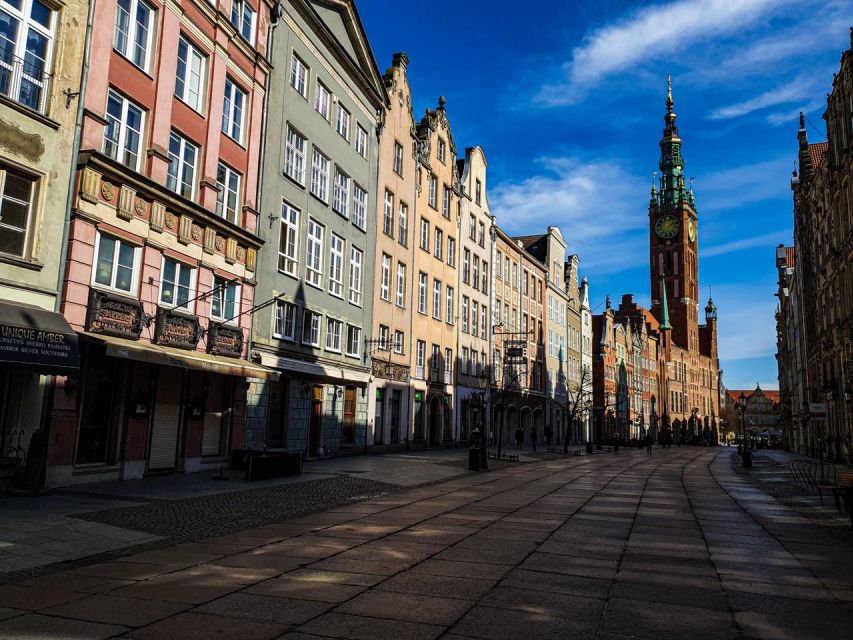
This tour fits best if you want a guided, story-driven way to understand Gdańsk in World War II. It is especially good if you:
- want a Poles-eye narrative of events, not just general headlines
- appreciate guided time at major sites like Westerplatte
- prefer private-group pacing over joining a larger crowd
- like the idea of covering Free City of Gdańsk themes and the 1945 ending within one trip
It is not a great match if mobility is an issue. It is listed as not suitable for people with mobility impairments, so that’s a clear stop sign.
In terms of language, you can choose English or Polish, and the guide is live. That matters because the topic is complex and emotions run high. A live guide helps you ask questions in real time.
Tips before you go, so the story lands well
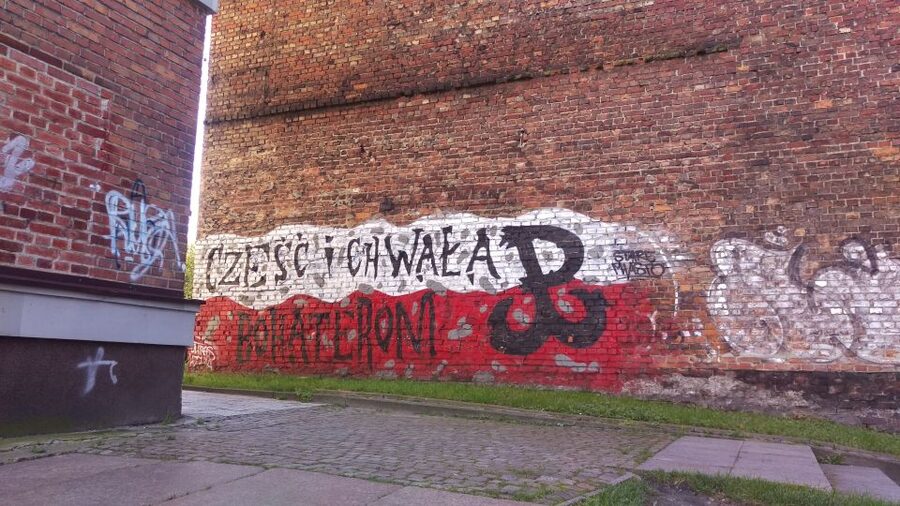
This tour runs in bad-weather conditions at times, so plan for that. The simple instruction is to bring clothes appropriate for bad weather. If it is windy, rainy, or cold, you’ll still want to focus on the guide’s explanations, not on being uncomfortable.
Also, since the tour is set to 210 minutes, treat it like a focused block. If you have a jam-packed day, try to protect your energy for this one. WWII topics can feel heavier than normal sightseeing, and your attention will be the difference between a forgettable outing and a meaningful one.
Finally, if you care about language comfort, double-check the English or Polish option. That is how you get the full effect of a guided story.
Should you book this Gdańsk World War II tour?
I’d book it if you want a clear, guided WWII route that ties together key Gdańsk locations with a Poles-eye narrative, and you like the convenience of pickup plus transport in a private group. The combination of Westerplatte and the Museum of the Polish Post makes the story feel grounded, and Gradowa Mountain helps bring you to the ending the tour emphasizes.
Skip it if mobility is a concern, or if you are hoping for a casual, purely flexible stroll. This is a structured, guided experience built around a specific historical arc. For many visitors, that structure is exactly the point.
If you want to make your decision fast, here is the rule of thumb: if Gdańsk WWII history matters to you and you prefer guided context over self-navigation, this is a strong way to spend 3.5 hours in the city.
FAQ
How long is the Gdańsk World War II tour?
It lasts 210 minutes.
Where does the tour start?
Pickup starts in Gdańsk, either at your accommodation or a central location.
Is transportation included?
Yes. You travel by car or minivan as part of the tour.
Is this a private tour?
Yes. It is listed as a private group.
What languages are available for the live guide?
The tour guide is available in English and Polish.
What sites are included on the route?
The guided visits include Westerplatte, the Museum of the Polish Post, and the main city. The tour description also references the story moving from the Free City of Gdańsk to the attack of the Red Army, and then from Westerplatte to Gradowa Mountain.
What is included in the price?
Pickup and drop-off, transportation, the tour guide, and water are included.
How much does it cost?
The price is $195 per person.
Is the tour suitable for people with mobility impairments?
No, it is listed as not suitable for people with mobility impairments.
What should I bring?
It is recommended to bring clothes appropriate for bad weather.
Fresh listings from Gdansk
- Wolf’s Lair and St. Lipka Private Tour from Gdansk★ 4.5 · 5 reviews
- Private WW2 Tour of Westerplatte,Gdansk and Stutthof Including Lunch★ 5.0 · 12 reviews
- 6 Hours Teutonic Castle Tour in Malbork★ 3.5 · 3 reviews
- Westerplatte – 2h private trip by luxury car|★ 5.0 · 4 reviews
- Undercover City Games: Gdynia★ 5.0 · 34 reviews
- Westerplatte private tour led by Expert-Guide (door to door)★ 5.0 · 5 reviews
- Aiport Gdansk Transfer to Malbork Castle or Stutthof★ 5.0 · 3 reviews
- Torun – City of Copernicus Private Tour★ 4.5 · 5 reviews
Gdansk & Tri-City Tours, compared.

Gdańsk City Sights & History Guided Walking Tour in English
Read our review →

Olivia Star Sky-High Views, Dinner, and Cocktails
Read our review →
Shared or Private City Tour Sightseeing by Golf Cart
Read our review →
Sightseeing EcoCruise around the Old Town of Gdansk
Read our review →Browse the lists this tour appears in