
Review · WROCLAW TOURS
III Reich & WW2 in Wroclaw. Monday, Wendsday, Friday regular tour
One dark city, many layers of WWII. This walking tour of Wroclaw connects Nazi-era control, Jewish heritage sites, and the siege of Festung Breslau into one tight route. I love how the pace stays brisk while still giving context, and the stop choices help you read the city like a map of history.
The second thing I like is the way the guide ties past events to what matters now, including German opposition and how communities coped during and after the war. The only drawback to consider is that a few stops list admission tickets as not included, so you may need a little extra cash and patience if anything is ticketed that day.
In This Review
- Key highlights you should care about
- Wroclaw’s Third Reich story starts on streets you can still see
- 2 hours to 2.5 hours, small group, and solid value for $32.20
- Mondays, Wednesdays, Fridays: a regular tour that fits a real schedule
- Meeting point at Hotel Monopol, finishing on Cathedral Island
- Stop-by-stop: from 1938 destruction to Nazi-era control
- The New Synagogue area and the Gestapo building
- Wolności Square: the early Nazi era in Germany, explained in context
- Jewish heritage preserved: White Stork Synagogue and life around the Jewish district
- White Stork Synagogue, a survival story in the heart of the district
- Rynek Wrocław and the daily reality behind the siege
- Rynek: everyday life under the Nazi regime and Festung Breslau
- Dietrich Bonhoeffer memorial: German opposition, not just winners and villains
- Education under the III Reich: Wroclaw University and Ossolineum
- Wroclaw University: education policies and Jewish scientists
- Ossolineum: another angle on education in the III Reich
- Siege-time Wroclaw: church life, Market Hall, and a short break
- Parish of the Most Holy Name of Jesus: siege life and after
- Market Hall (Hala Targowa): siege story and a break
- Sand Island stories: Edith Stein and the siege from another angle
- Sand Island in Wroclaw: Edith Stein and the siege
- Ending on Ostrow Tumski: a calm finish with extra stories
- Cathedral Island wrap-up with final context
- What makes this tour work: pace, clarity, and a guide who answers
- Who should book this WWII in Wroclaw tour
- The one thing to watch for before you go
- Should you book this tour?
- FAQ
- How long is the III Reich and WW2 in Wroclaw tour?
- What is the tour price?
- What day does it run?
- Is the tour offered in English?
- Where do I meet the guide, and where does the tour end?
- What is the group size limit?
- Is a mobile ticket used?
- Are entrance tickets included for all stops?
- Is the tour weather dependent?
- What is the cancellation policy?
- Is the tour accessible for most people?
Key highlights you should care about
- Small group limit of 20 for a more personal, question-friendly walk
- A stop-by-stop route that hits both Nazi institutions and Jewish landmarks
- English guide available, making the history easier to follow
- Free admission listed for many stops, but some entries are not included
- Ends on Cathedral Island, so you can naturally continue the day after the tour
Wroclaw’s Third Reich story starts on streets you can still see
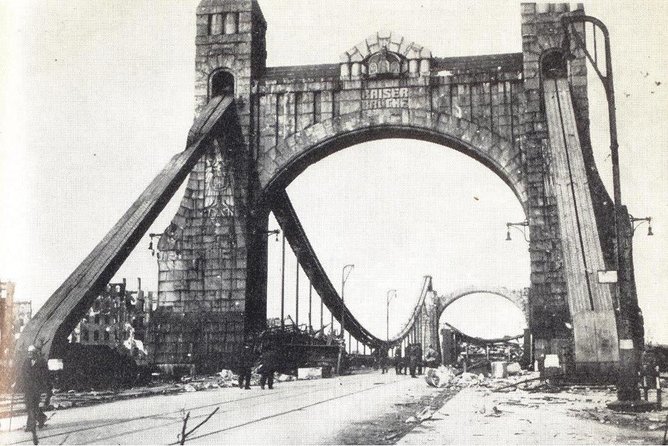
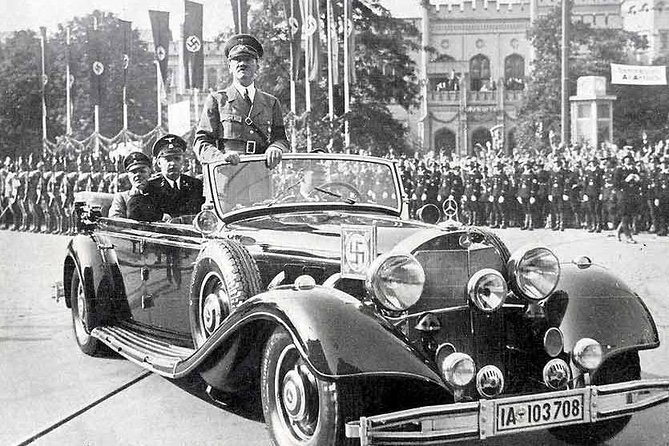
Wroclaw is one of those European cities where you can’t separate WWII history from everyday street corners. This tour leans into that. You start in the city center and walk through areas linked to Nazi takeover, persecution of Jewish residents, and the later siege era that reshaped the city.
Because the route is focused, you do not feel like you are just checking famous plaques. Instead, you learn to notice the urban clues: where power concentrated, where communities lived, and how the city’s layout shaped daily life during the war years. It is a fast, practical way to get oriented, especially if you have limited time.
A few more Wroclaw outings to weigh up
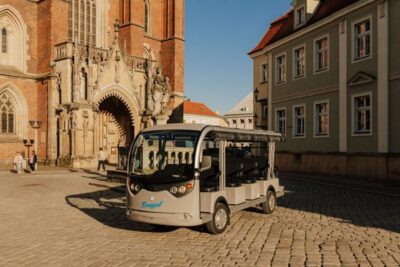
- Wroclaw: E-Car Tour and Audio Guide
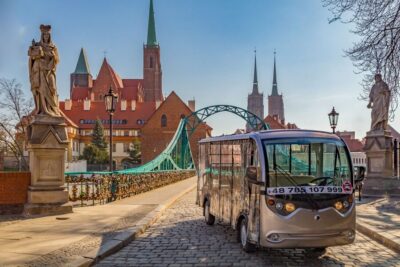
★ 4.6 · 1,738 reviews - Wroclaw: 2-Hour Private Guided Tour by Electric Car
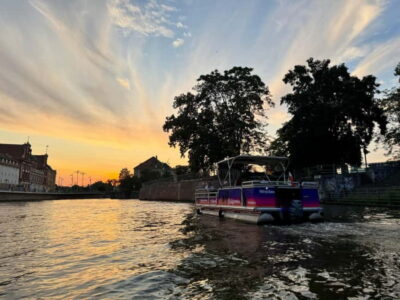
★ 4.8 · 805 reviews - Wroclaw: Ticket for Old Town Boat Cruise
★ 3.9 · 361 reviews
2 hours to 2.5 hours, small group, and solid value for $32.20
This is a 2 to 2.5 hour walking tour. The group size is capped at 20 travelers, which usually means less waiting around and more time to ask questions when something specific comes up.
The price is $32.20 per person, and the structure is what makes it feel like a good deal rather than just a sightseeing add-on. Many stops have admission ticket listed as free, so you are not constantly hitting paid entry fees. That said, a few stops list admission as not included, including parts tied to education and church-related sites. So budget a little extra if you want everything fully covered on the day.
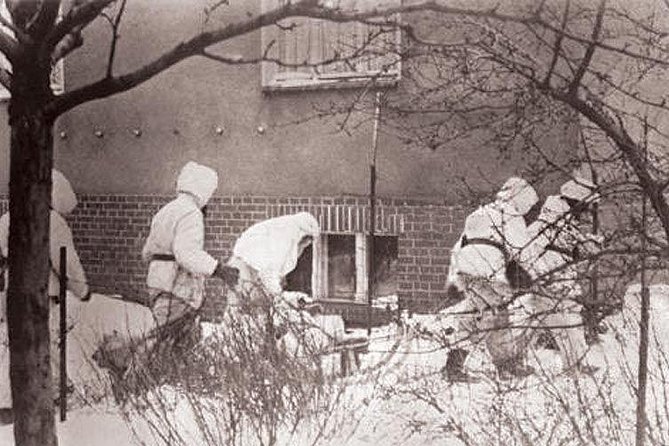
Also, expect walking. In cold or snowy weather, this kind of route can feel longer than the distance on paper. Bring warm layers, and plan for uncovered waits at street crossings.
Mondays, Wednesdays, Fridays: a regular tour that fits a real schedule
This one runs on a regular cadence, specifically Monday, Wednesday, and Friday. If you are building a Wroclaw itinerary, that helps because you can line it up with other city highlights without squeezing it into a travel day.
You will want to pick a day when weather cooperates. The tour requires good weather, and if it is canceled due to poor conditions, you are offered a different date or a full refund.
Meeting point at Hotel Monopol, finishing on Cathedral Island
The tour starts at Hotel Monopol, located at Ulica Heleny Modrzejewskiej 2. It ends on Cathedral Island (Ostrow Tumski). I like that ending choice because Cathedral Island is a natural place to keep going afterward. You get history and then you get the payoff: atmosphere, views, and the chance to linger without having to change plans.
Also, the meeting area is near public transportation, so you can usually reach it without a long taxi ride. Service animals are allowed, and the tour says most travelers can participate.
Still in reach of Wroclaw, but a different sort of day:
- Wrocław: Old Town and Ostrów Tumski Walking Tour in English
★ 4.8 · 311 reviews - Wroclaw: Private Old Town Guided Walking Tour (2 hours)
★ 4.8 · 275 reviews - Old Town Wrocław Walking Tour
★ 5.0 · 249 reviews - Group city tour (walking tour) through Wroclaw in German
★ 4.9 · 203 reviews
Stop-by-stop: from 1938 destruction to Nazi-era control
The New Synagogue area and the Gestapo building
You begin with the tragedy of 1938, walking to the place where the New Synagogue was destroyed. This is not just a background detail. It sets the tone for how quickly cultural life was targeted and how quickly places of worship became sites of danger.
Very close by, you also see a Gestapo building. Standing where Nazi security power operated changes the story. It turns abstract WWII history into something tangible, because you are looking at the kind of infrastructure that made persecution possible.
This segment is short, but it works as a setup. You leave it understanding the first principle of the tour: in Wroclaw, Nazi control was not only military. It was administrative, institutional, and local.
Wolności Square: the early Nazi era in Germany, explained in context
Next comes Wolności Square. Here the guide explains beginnings of the Nazi era in Germany and connects it to what was happening in the region. It is one of those moments where you start seeing a timeline instead of just absorbing facts.
If you have ever felt confused about how WWII escalated step by step, this part helps you place those events in order. It is brief, but it sets up why later stops feel so heavy.
Jewish heritage preserved: White Stork Synagogue and life around the Jewish district
White Stork Synagogue, a survival story in the heart of the district
The White Stork Synagogue is one of the most important stops because it survived the war. You are in the heart of the Jewish district as you hear local heritage stories and Holocaust-related narratives.
This stop is longer than the earlier ones, and it matters. The guide uses stories to make names and communities feel real rather than like footnotes. You also get a sense of how postwar Wroclaw still had to hold memory in a physical city that was constantly changing.
I also like that this tour does not treat Jewish heritage as a single tragic moment. It frames heritage as something that existed before persecution, and then it makes the survival and remembrance feel earned.
Rynek Wrocław and the daily reality behind the siege
Rynek: everyday life under the Nazi regime and Festung Breslau
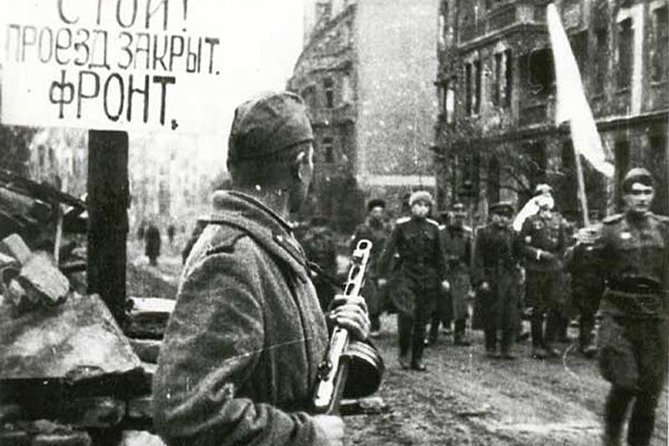
On the Rynek (main square), the focus shifts from institutions to daily life. You hear about what life could look like under Nazi rule, and then the story expands to Festung Breslau, including the city’s destruction.
This is where the tour gives you scale. It helps you understand why later the city’s war experience was not just about battles. It was also about shortages, fear, and the long grind of siege conditions.
Dietrich Bonhoeffer memorial: German opposition, not just winners and villains
Then you move to the Dietrich Bonhoeffer Memorial. The tour offers a few words about German opposition. This matters because WWII history often gets flattened into persecution versus survival without enough space for resistance and moral courage.
Even in a short stop, you get a key emotional counterweight. It is not meant to soften what happened, but it helps you understand there were people who refused Nazi ideology.
Education under the III Reich: Wroclaw University and Ossolineum
Wroclaw University: education policies and Jewish scientists
At Wroclaw University, you learn about education in the III Reich and you hear about Jewish scientists. This is a tough topic in a necessary way. You start to understand education not as a neutral system, but as something that can be used to control what a society believes.
The tour notes admission is not included for this stop. So if you want to go in for any on-site context, plan for potential entry costs depending on what is available and open.
Ossolineum: another angle on education in the III Reich
The Ossolineum stop also focuses on education and the III Reich. Again, this is listed with admission ticket not included. If the site is open and ticketed during your visit, you may pay separately.
I like including these two education stops because they show how Nazi ideology did not only police streets. It tried to shape minds, careers, and research. You walk away understanding the machinery of control in a way that a single war cemetery stop never would.
Siege-time Wroclaw: church life, Market Hall, and a short break
Parish of the Most Holy Name of Jesus: siege life and after
At the Parish of the Most Holy Name of Jesus, the guide describes everyday life during the siege time and the first months after the war. This is one of those moments where the tour shifts from political structures to human routines.
You are reminded that the war ended, but life did not instantly return. In early postwar months, people still faced damage, uncertainty, and rebuilding pressure.
Admission is listed as not included here, so expect a possible entry fee if you are asked to go inside.
Market Hall (Hala Targowa): siege story and a break
Next is Market Hall (Hala Targowa). It is a practical stop because it gives you a pause while you hear siege-related stories. The market setting also helps you imagine the day-to-day reality, because food, trade, and scarcity were central to siege life.
Admission here is listed as free, so you are not guessing about fees at this point in the walk.
Sand Island stories: Edith Stein and the siege from another angle
Sand Island in Wroclaw: Edith Stein and the siege
You then go to the Sand Island in Wroclaw. Here you learn about Edith Stein and hear the siege story from that location. This stop is short, but it adds another thread: how individual lives intersected with big historic forces.
It is also a helpful geography beat. The river and the island setting remind you that wartime life was shaped by terrain, access, and movement.
Ending on Ostrow Tumski: a calm finish with extra stories
Cathedral Island wrap-up with final context
The tour ends on Ostrow Tumski (Cathedral Island). You get a few extra stories and a more open, reflective finish. I like ending at a place where you can slow down after hearing heavy WWII topics.
It is also a good staging point for your next step. You can keep exploring the historic core, grab a warm drink, or simply use the surroundings to reset your mind.
What makes this tour work: pace, clarity, and a guide who answers
The best part is how the tour keeps moving while still staying understandable. The route is built to prevent information overload. You get a new theme every stop, then you connect it back to the city.
I also appreciate that the tour format invites questions. In this kind of history tour, that is vital. You may want clarification on timelines, local details, or why certain buildings mattered. If your guide is the often-mentioned Michael, you can expect careful, organized explanations and a willingness to talk through politics and today’s angles too.
One more thing: because this is a walking tour in winter and weather changes fast, the group size and the pace help. You are not stuck waiting for long stretches.
Who should book this WWII in Wroclaw tour
This is a great choice if you:
- want WWII and Third Reich history tied to specific Wroclaw sites
- like tours with a clear route rather than a random wandering walk
- care about Jewish heritage, the Holocaust, and how memory is carried in a living city
- want political context including German opposition and what shaped resistance
It is also a good fit for first-timers who want to get oriented fast. The route hits multiple districts, so you see more of the city than you would just by following one landmark.
The one thing to watch for before you go
Admission is listed as free for many stops, but not included for several. Before your day, decide how strongly you want to enter any indoor sites. If you are happy to follow along from the outside, you will likely be fine. If you expect to go in everywhere, bring a little extra budget and time.
And in winter, dress for cold street walking. Even with a brisk route, you will still be outside.
Should you book this tour?
Yes, if you want a small-group, English walking experience that connects Nazi control, Jewish landmarks, and the siege of Festung Breslau in a way that is easy to follow. The price is reasonable for what you get, especially with free admission listed for a good chunk of the stops.
I would especially recommend it if you like your WWII history grounded in real places you can point to. That is the tour’s strength: it turns Wroclaw’s streets into a coherent story, not just a checklist of sites. If you are sensitive to Holocaust and persecution topics, plan your emotional pace, but this tour does handle those subjects directly and respectfully.
FAQ
How long is the III Reich and WW2 in Wroclaw tour?
It runs about 2 hours to 2 hours 30 minutes.
What is the tour price?
The price is $32.20 per person.
What day does it run?
It is a regular tour on Monday, Wednesday, and Friday.
Is the tour offered in English?
Yes, it is offered in English.
Where do I meet the guide, and where does the tour end?
You meet at Hotel Monopol, Ulica Heleny Modrzejewskiej 2, and the tour ends on Cathedral Island in Wrocław.
What is the group size limit?
The tour has a maximum of 20 travelers.
Is a mobile ticket used?
Yes, it uses a mobile ticket.
Are entrance tickets included for all stops?
Many stops list admission ticket as free, but some stops list admission ticket not included, so you may need to pay separately for those.
Is the tour weather dependent?
Yes, it requires good weather. If it is canceled due to poor weather, you will be offered a different date or a full refund.
What is the cancellation policy?
You can cancel for free up to 24 hours in advance for a full refund. After that, the amount paid will not be refunded.
Is the tour accessible for most people?
Most travelers can participate, and service animals are allowed.
Fresh listings from Wroclaw
- Private “Top Attractions Of Wroclaw” Tour★ 5.0 · 11 reviews
- Small Group Boat Tour in Wroclaw★ 5.0 · 5 reviews
- Wroclaw Pub Crawl★ 4.5 · 83 reviews
- The Grand E-Scooter (3 wheeler) Tour of Wroclaw – everyday tour at 9:30 am★ 5.0 · 61 reviews
- Wrocław’s Old Town: A Self-Guided History Tour★ 4.5 · 10 reviews
- CITY QUEST WROCLAW: unlock the mysteries of this city!★ 5.0 · 3 reviews
- The Classic E-Scooter (3 wheeler) Tour of Wroclaw – everyday tour at 6:00 pm★ 5.0 · 24 reviews
- Segway Tour Wroclaw: Old Town & Ostrów Tumski – Full Tour★ 5.0 · 9 reviews
Wroclaw Tours, compared.
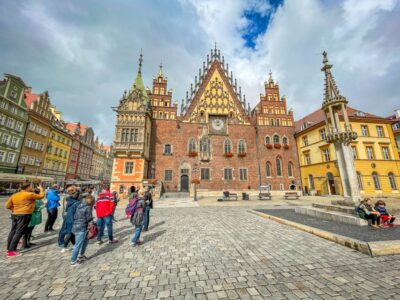
Old Town and Ostrów Tumski Walking Tour in English
Read our review →
Private Old Town Guided Walking Tour (2 hours)
Read our review →
Group city tour (walking tour) through Wroclaw in German
Read our review →
Ticket for Old Town Christmas Cruise by Heated Ship
Read our review →Browse the lists this tour appears in