
Review · CYCLING TOURS
Krakow: Hidden Bike Tour
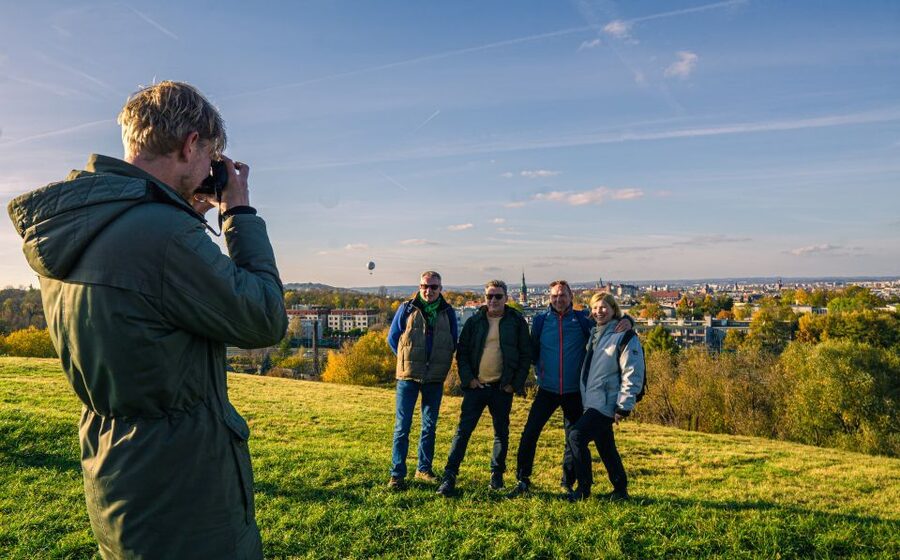
Krakow’s WWII story hits harder from a bicycle. This Hidden Krakow Bike Tour uses a relaxed ride through quieter neighborhoods and parks, so you hear Poland’s most difficult years explained in a way that actually sticks. A Dutch guide leads the way, focusing on what happened during World War II and what followed for Poland.
I especially liked two things. First, the way the guide connects big history to real people, with stories full of hope, pride, and sorrow. Second, the practical comfort of the tour, with top quality bicycles and a slow pace that lets you absorb what you’re seeing.
One thing to think about before booking: you’ll climb a hill by foot for a great city viewpoint, and the tour is not suitable for people with mobility impairments.
In This Review
- Key highlights worth prioritizing
- Why pedaling helps you understand Krakow’s WWII story
- Your 3-hour flow, from park statues to Podgórze’s memorial sites
- The hill you’ll walk up for a viewpoint
- The park with statues: where stories feel public and personal
- Podgórze district: the places you come for and how you should approach them
- The Jewish cemetery stop
- The former Jewish ghetto area
- Schindler’s Factory area: seeing history without turning it into a showroom
- The guide experience: Dutch storytelling that keeps the ride from feeling scripted
- Bikes and small comforts that actually matter
- Price and value: $41 for a 3-hour, story-led ride
- Who this bike tour is best for, and who should skip
- Pair it with Auschwitz, and plan how it fits your Krakow day
- Should you book the Hidden Krakow Bike Tour?
- FAQ
- How long is the Krakow Hidden Bike Tour?
- How much does the tour cost?
- What is included in the tour price?
- Is food included?
- Are e-bikes available?
- What languages are the guides available in?
- Is there a hill on the route?
- Is the tour suitable for people with mobility impairments?
- Does the tour include helmets or ponchos?
Key highlights worth prioritizing
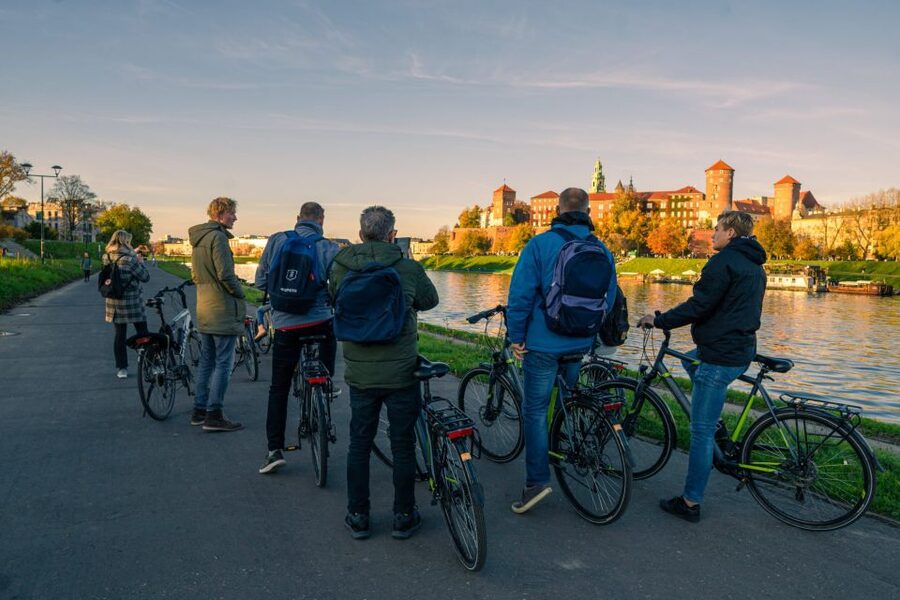
- World War II focus in Podgórze, including the Jewish cemetery and the former ghetto area
- Schindler’s Factory stop area, tied to the story of Krakow under occupation
- A beautiful park with statues of Polish heroes, plus WWII stories you likely won’t find on a standard stroll
- A Dutch guide who takes time at each stop, with enthusiasm that keeps the pace human
- Quality bike plus optional helmet and poncho, for a smoother ride even if weather turns
Why pedaling helps you understand Krakow’s WWII story
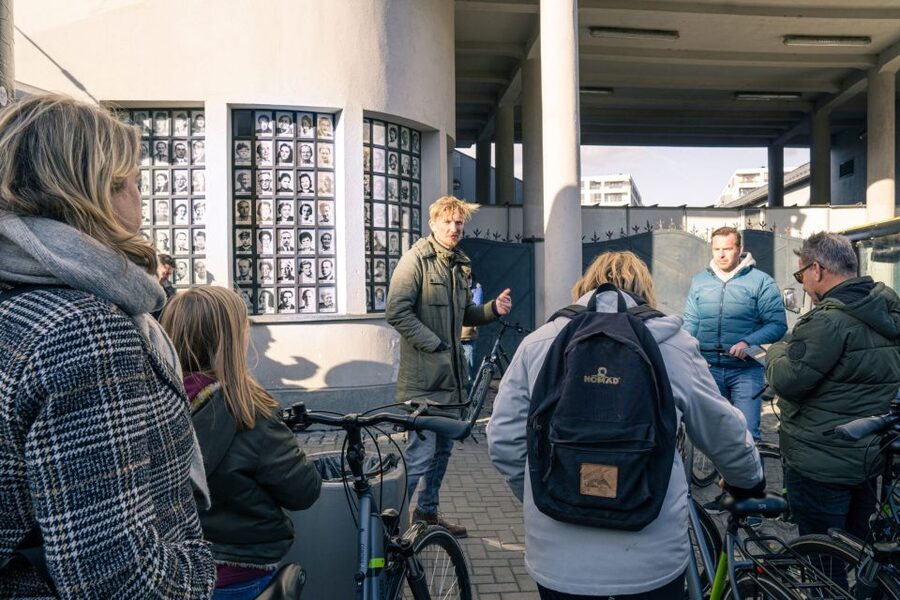
Krakow has plenty of famous squares. But this tour takes a different approach, because the darkest part of the story often lives outside the postcard routes. When you ride, you move at a human speed. That matters when you’re hearing emotional details tied to real places.
I like tours that don’t just list dates. Here, the guide keeps bringing you back to people: Polish heroes, victims, and survivors, and how the country’s history shaped daily life afterward. You also get context beyond Poland’s borders. One detail I found especially memorable is how Poland played a major role in the liberation of the Netherlands and Italy. It gives the whole WWII conversation a wider frame, not just a local one.
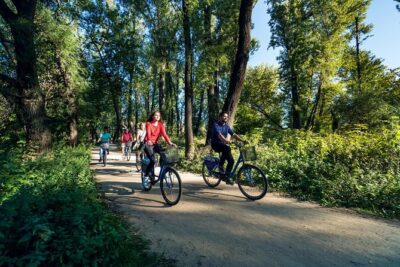
The ride is also designed for comfort. The tour is explicitly slow paced, so you’re not sprinting between locations or spending the whole time negotiating crowds. You get time to look around, listen, and ask questions.
More Bike Tours in Krakow
- Complete Cracow Bike Tour (small group of maximum 15 people!)
★ 5.0 · 1,322 reviews - Krakow: Bike Tour of Old Town, Jewish Quarter and the Ghetto
★ 4.9 · 1,155 reviews - Highlights of Krakow Bike Tour – Small group
★ 5.0 · 662 reviews
Your 3-hour flow, from park statues to Podgórze’s memorial sites
This is a 3-hour bike tour built around places outside the city center. Expect a steady rhythm: ride, stop, story, ride again. The pace is relaxed enough that you can actually track what connects each area of Krakow.
Because this is a bike tour with a history mission, the route is not just about distance. It’s about sequence. The tour begins with the kind of setting you don’t stumble on by accident: a major park area with statues of Polish heroes and WWII-related stories you probably won’t hear during a typical walk tour.
Then the focus shifts toward Podgórze, where the tour turns more direct. You’ll move through areas linked to Krakow’s Jewish community during the war, including:
- a Jewish cemetery
- the former Jewish ghetto area
- the area around Schindler’s Factory
That progression helps you understand the timeline, not just the geography.
The hill you’ll walk up for a viewpoint
Plan for one moment that is physical. The tour includes a hill that you climb by foot to reach a viewpoint over the city. It’s short, but it is real effort, so go in with comfortable walking shoes and a calm mindset.
If you’re someone who struggles with steps or sustained incline, this is where the tour may stop being fun fast, since the tour is not suitable for people with mobility impairments.
The park with statues: where stories feel public and personal
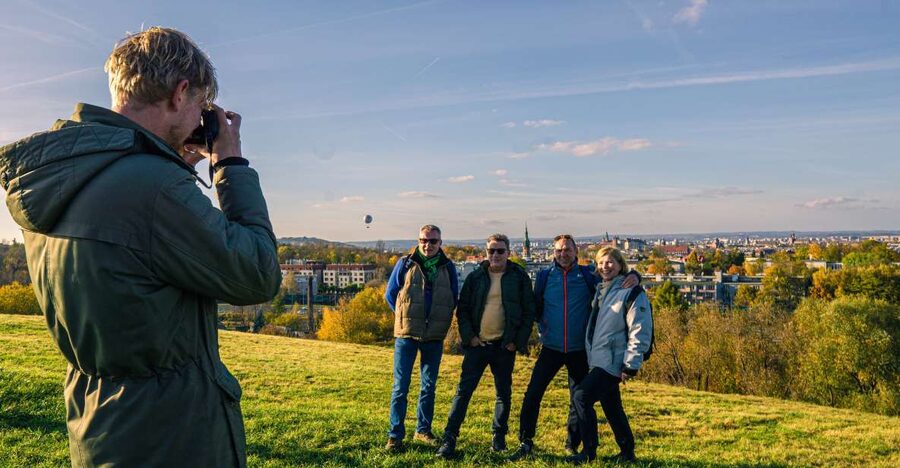
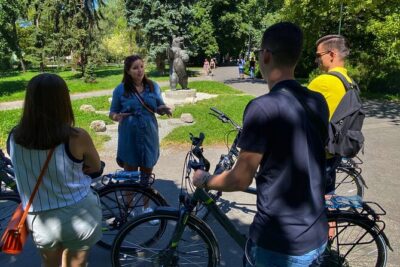
One of my favorite parts of this tour concept is that it starts with a park setting rather than immediately dropping you into the most painful sites. The park is described as one of Krakow’s most beautiful, and it’s filled with statues of Polish heroes. That detail matters because it changes the tone from spectacle to remembrance.
As you move through the park, the guide ties the sculptures and memorials to WWII stories and to how Polish people understood their role during and after the occupation. This is the kind of place where you can look up at faces carved in stone and then hear the human story that explains why they were placed there.
Also, the guide coverage is not only local Polish suffering and resistance. The park stories include connections that reach beyond Poland, including Poland’s contribution to the liberation of the Netherlands and Italy. That’s a strong reminder that WWII wasn’t isolated in one country.
Still in reach of Krakow, but a different sort of day:
- From Krakow: Auschwitz-Birkenau Guided Tour & Hotel Pickup
★ 4.5 · 33,358 reviews - From Krakow: Auschwitz-Birkenau Guided Tour & Hotel Pickup
★ 4.5 · 29,340 reviews - Krakow: Auschwitz Guided Tour with Optional Hotel Pickup
★ 4.5 · 15,280 reviews - Krakow: Wieliczka Salt Mine Tour with Entry Ticket
★ 4.6 · 10,927 reviews
Podgórze district: the places you come for and how you should approach them
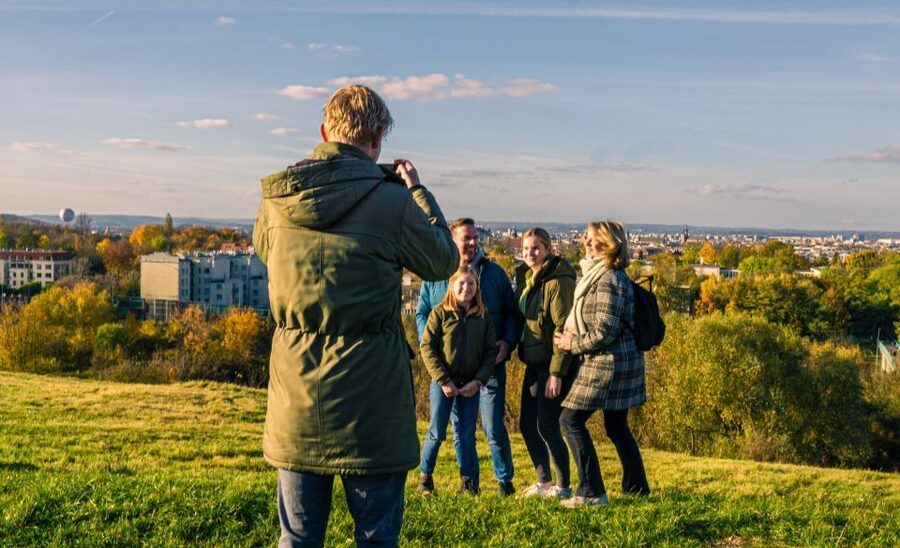
Podgórze is where the tour becomes more serious. The description highlights that this is where you visit key sites tied to Krakow’s Jewish community during the war, including the Jewish cemetery, the former ghetto area, and the Schindler’s Factory area.
A good bike tour can feel touristy. This one is different because the guide’s job is to slow you down mentally. Don’t treat stops as checkboxes. Treat them as places where the story lives.
Here’s how I’d encourage you to prepare emotionally:
- Expect heroic and emotional stories, not just background facts.
- Expect respectful pacing, because the settings naturally demand it.
- Use the breaks the guide offers. If there’s a pause built into the route, take it. Your brain processes better when you’re not rushing.
The Jewish cemetery stop
The Jewish cemetery is one of the major stops, and it’s not framed as a quick photo moment. You’re there to learn why the cemetery is important to Krakow’s history, especially in the context of the war years. Since this tour is centered on WWII and what followed, the story connects the cemetery to the larger narrative you’ve been hearing.
Even if you already know a few basics about Poland and WWII, this kind of stop adds a grounded, place-based layer. You’re looking at a real part of community memory.
The former Jewish ghetto area
The tour also includes the former Jewish ghetto area. This is where the history becomes harder and more specific. I think this is a strong choice for a bike tour, because you get a guided route through relevant areas without the pressure of navigating streets on your own.
What makes this valuable is how it fits into the tour’s overall structure: you’ve already heard about Polish heroes and the country’s WWII experience, and now the guide links that to what happened within Krakow’s Jewish neighborhoods.
Schindler’s Factory area: seeing history without turning it into a showroom
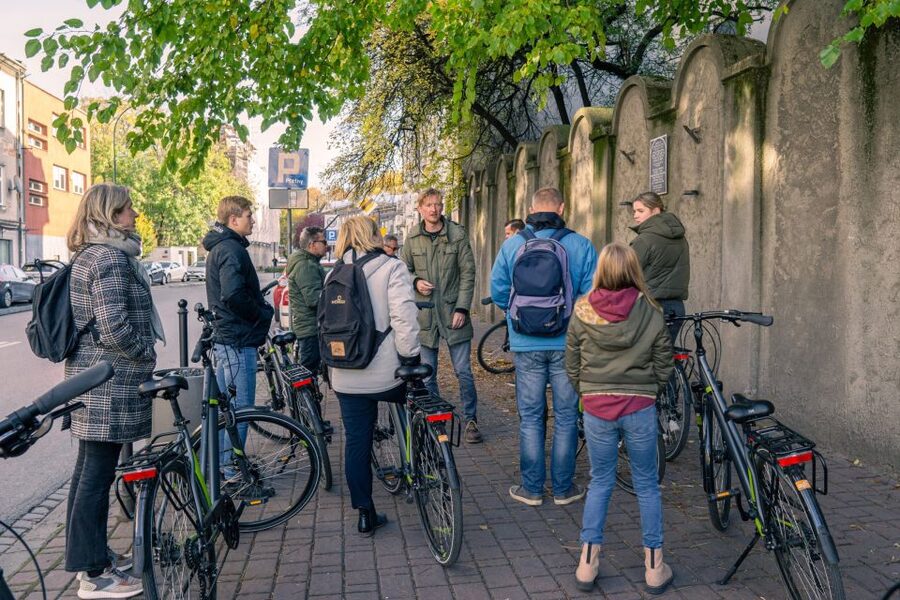
The tour includes Schindler’s Factory as part of the Podgórze portion. This is one of the best-known WWII-linked sites connected to Krakow, and it can easily turn into a standard “see it, move on” stop on other tours.
Here, the value comes from how the guide ties it into the broader story of what Poland endured during the war and what came afterward. The bike format also helps. You’re not just looking at one building in isolation. You’re seeing it as a piece of a wider environment shaped by occupation, survival, and changing power.
Also, the pace is relaxed. In the reviews people praised guides who take their time and allow pauses at different stops. That kind of pacing is exactly what you want near a site like this, because there’s no benefit in rushing through serious history.
The guide experience: Dutch storytelling that keeps the ride from feeling scripted
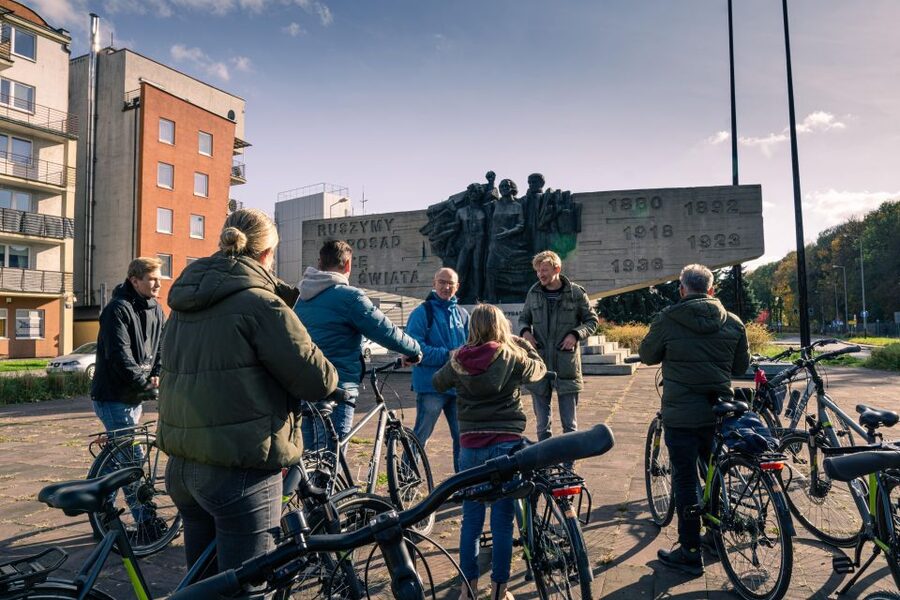
The tour runs with a live guide, Dutch-speaking. In the reviews, guides such as Bryan were singled out for being excited and passionate, and for taking real time at each stop rather than speaking in a hurry.
That is a big deal. WWII stories can be heavy, and if the guide races through them, you only catch the headline. When the guide slows down, gives context, and allows a moment to think, the information lands better.
I also like that the tour is described as having time for breaks. That’s not fluff. It means you can stay present, not just endure.
Bikes and small comforts that actually matter
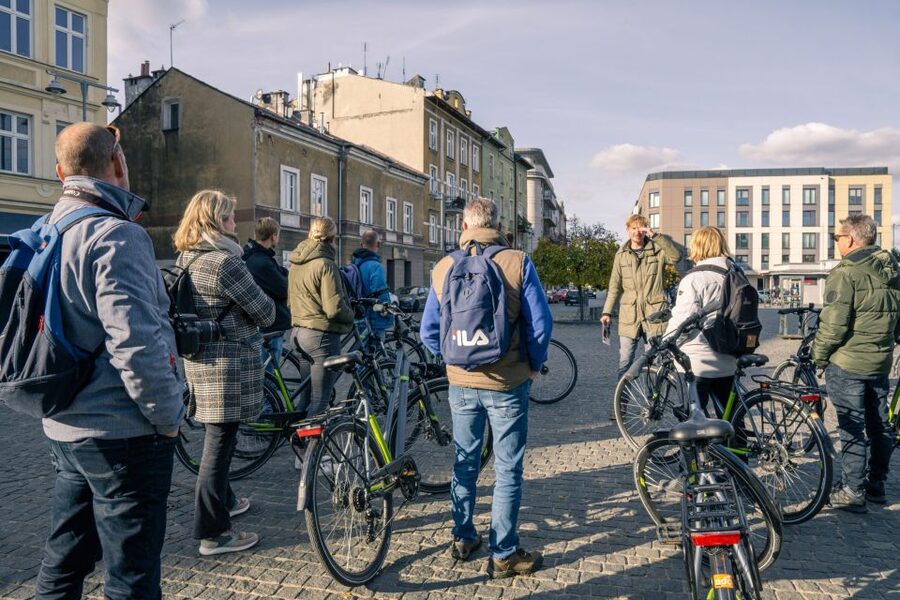
This isn’t a “bring your own bicycle” situation. You get a quality bicycle included. The tour also includes:
- a helmet if requested
- a poncho if required
There’s no mention of e-bikes, so if you’re expecting pedal-assist, this is not that kind of tour. For most people, a standard bike is fine on a slow-paced route, but you should still be comfortable riding in a city environment.
Also remember: you will ride, then you will walk up a hill. So bike comfort helps, but your feet still need to cooperate.
Price and value: $41 for a 3-hour, story-led ride
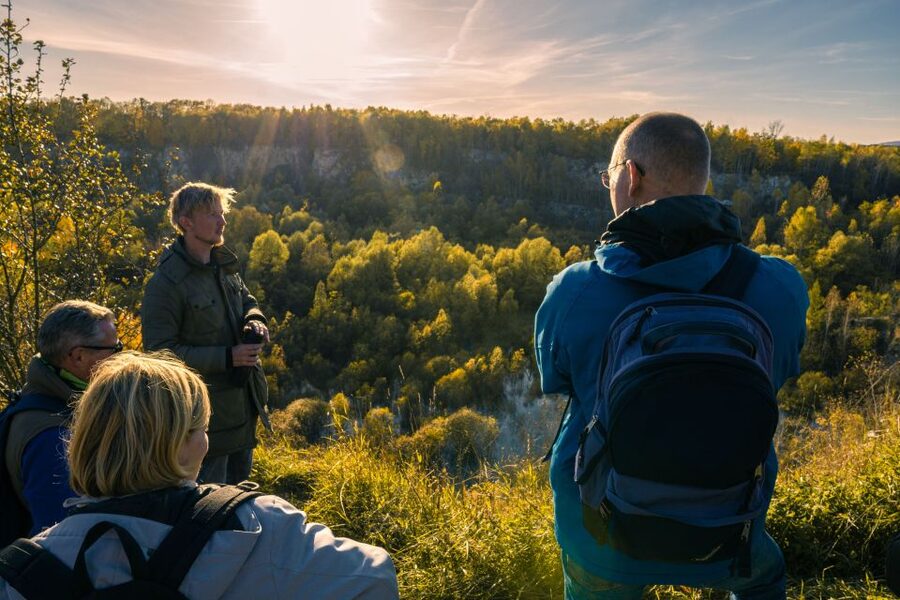
At about $41 per person for a 3-hour guided tour, the value is in the mix: a quality bike, a live Dutch-speaking guide, and access to a route focused on specific WWII-related locations. Many city tours charge similar money but spend it on generic highlights.
Here, you’re paying for less common routing and for a guide who connects places to stories. That’s exactly the difference between ticking off sights and actually understanding what you’re looking at.
What you should plan for: food and drinks are not included, so schedule this for a time when you can grab something after. Also, the tour does not include an e-bike, so you’re choosing based on your own biking comfort.
Who this bike tour is best for, and who should skip
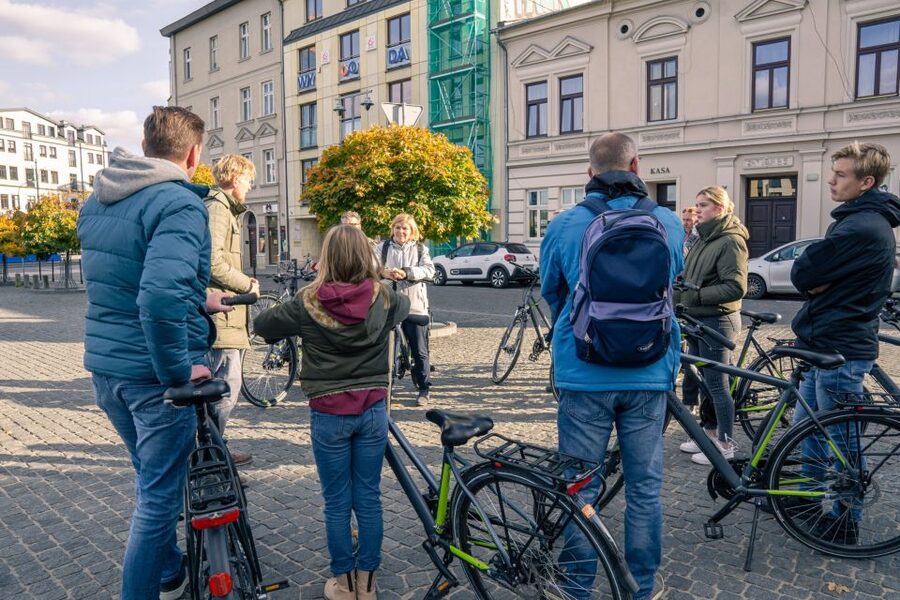
This tour is a great match if you want:
- a relaxed bike ride
- WWII-focused context beyond a basic walk tour
- a route through areas like Podgórze and memorial-related sites
You should consider skipping if:
- you have mobility impairments, since the tour is not suitable
- you find hill climbs by foot difficult
- you want a carefree, purely light sightseeing afternoon, because the stories are emotional and serious by design
If you like history but don’t want your day to feel like a lecture, this format is strong. You ride, you stop, you listen, you look around. It feels like you’re traveling with a person who cares, not following a script.
Pair it with Auschwitz, and plan how it fits your Krakow day
This tour is described as the ideal complement to a visit to Auschwitz. That makes sense: Auschwitz gives you the central scale of the tragedy, and then this bike tour helps you understand Krakow’s place in the broader WWII story, including what happened afterward in Polish communities.
It also helps that this tour does not overlap with the “Complete Krakow Bike Tour,” which covers Old Town and Kazimierz highlights. If you’re trying to keep your days organized, you can use this as the WWII and Podgórze-focused side, while another day covers the classic city highlights.
The key is to keep your mental pacing. If you visit Auschwitz on one day, consider giving yourself a gentle transition day before packing in too much other heavy history. If you do Auschwitz close to this tour, go in knowing it will be emotionally intense again.
Should you book the Hidden Krakow Bike Tour?
I’d book it if your goal is Krakow with context, not just Krakow with photos. The strongest reason is the combination of quality bikes, a Dutch guide who takes time, and a route that focuses on WWII and what followed, including Jewish cemetery, former ghetto area, and Schindler’s Factory surroundings.
Skip it if you’re not up for the hill you’ll walk up or if mobility issues affect your independence. Also, don’t expect food, and don’t expect e-bike help.
If you want an afternoon that feels like history told in the real places where it happened, this tour is a solid choice. You’ll leave with a clearer picture of Poland during its darkest years, and how the story shaped the city you see today.
FAQ
How long is the Krakow Hidden Bike Tour?
It lasts about 3 hours.
How much does the tour cost?
The price is listed at $41 per person.
What is included in the tour price?
You get a quality bicycle and a live guide who speaks English, Dutch, or German, depending on your preference. Helmet use is available if you request it, and a poncho is provided if required.
Is food included?
No, food and drinks are not included.
Are e-bikes available?
No, e-bikes are not included.
What languages are the guides available in?
The tour languages listed are Dutch. The guide is also described as English, Dutch, or German speaking depending on your preference.
Is there a hill on the route?
Yes. You will climb a hill by foot during the tour to reach a viewpoint.
Is the tour suitable for people with mobility impairments?
No, it is not suitable for people with mobility impairments.
Does the tour include helmets or ponchos?
Yes. You can request a helmet, and you’ll get a poncho if required.
Fresh listings from Krakow
- Zakopane & Gubalowka Funicular – Private Winter Tour from Krakow★ 5.0 · 10 reviews
- ZALIPIE – painted village, unique PRIVATE tour from Krakow★ 5.0 · 20 reviews
- stag dog chase Krakow prank★ 5.0 · 4 reviews
- ZALIPIE – painted village, unique small group tour from Krakow★ 5.0 · 7 reviews
- Full-Day Zalipie Painted Village Guided Tour★ 4.0 · 3 reviews
- Sleigh Ride & Bonfire in Zakopane with Funicular – Private Trip★ 5.0 · 48 reviews
- Zakopane to Chocholow Thermal Pools 3h Ticket with Hotel Transfer★ 5.0 · 9 reviews
- Zakopane PRIVATE TOUR from Krakow★ 5.0 · 18 reviews
Cycling Tours, compared.
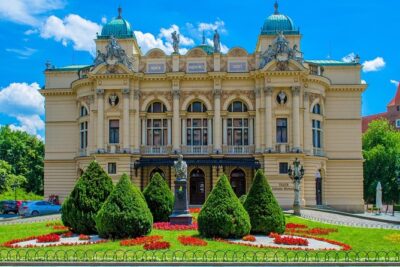
Complete Cracow Bike Tour (small group of maximum 15 people!)
Read our review →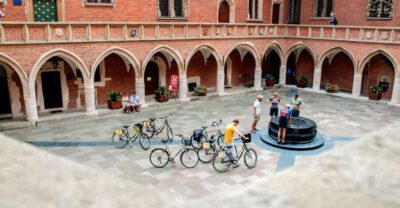
Bike Tour of Old Town, Jewish Quarter and the Ghetto
Read our review →
Full Bike Tour – the Old Town, Jewish Qtr & the Ghetto NEW BIKES
Read our review →
Half-Day Warsaw City Sightseeing Bike Tour for Small Group
Read our review →Browse the lists this tour appears in