
Review · CITY TOURS
Main City in Gdańsk – tour in Polish
History gets real fast in Gdańsk. This Polish walk connects the city’s big eras to the streets you can still touch, starting at Złota Brama and working through places like the Prison Tower and Main Town Hall. I love how the guide keeps the story moving with humor plus solid facts, and I love that the group gets plenty of space for questions.
One possible drawback: you’ll want to be comfortable walking on uneven cobblestones for 150 minutes, and since the tour is in Polish, non-Polish speakers may find it harder to follow on a day with extra noise or crowds.
In This Review
- Key things you’ll notice on this Gdańsk walk
- Getting Oriented at Złota Brama, the Golden Gate
- The Baltic Port Story: Amber, Grain, and a City That Couldn’t Stay Neutral
- Prison Tower and Torture Chamber: When Justice Turns Dark
- The Great Armory: Trade Cities Also Had to Fight
- Artus Court: Where Merchants Met and Decisions Happened
- Main Town Hall: Civic Pride, Power, and the People Who Ran Things
- Why the Guides Matter: Polish Storytelling That Keeps Moving
- Price and Value: $26 for 150 Minutes of Real Stops
- Weather, Pace, and Who This Tour Fits Best
- Should You Book This Polish Main City Tour?
- FAQ
- How long is the Main City in Gdańsk tour in Polish?
- Where do I meet the guide?
- What language is the tour in?
- Is the tour wheelchair accessible?
- What is the pricing model?
- Can I cancel for a refund?
Key things you’ll notice on this Gdańsk walk
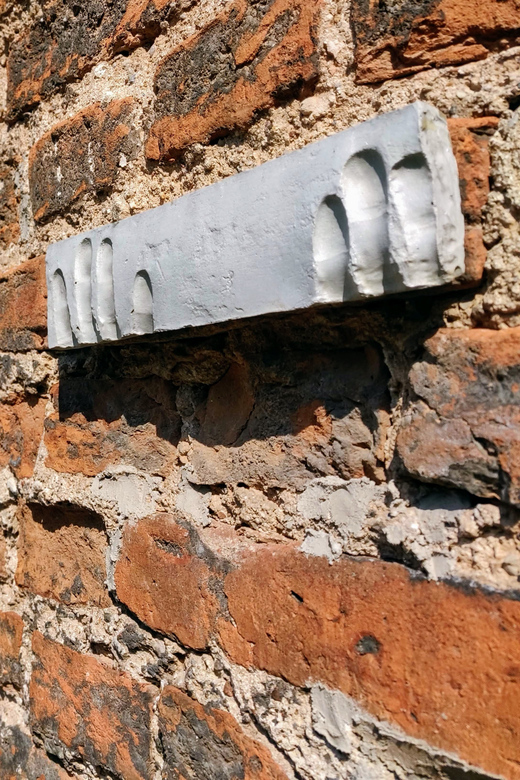
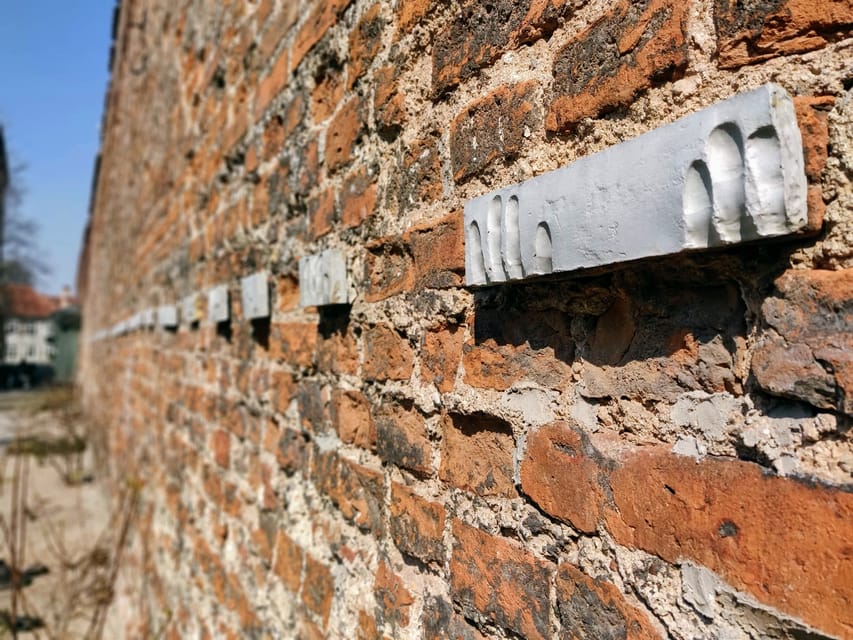
- Golden Gate start (Złota Brama), easy to find if you look for yellow umbrellas
- Prison Tower and Torture Chamber, where power and punishment feel immediate
- The Great Armory, a reminder that trade cities also had to defend themselves
- Artus Court, tied to the social world of wealthy merchants
- Main Town Hall, showing civic life as well as politics
- Frequent Q&A with the guide, with answers delivered in a lively, human way
Getting Oriented at Złota Brama, the Golden Gate
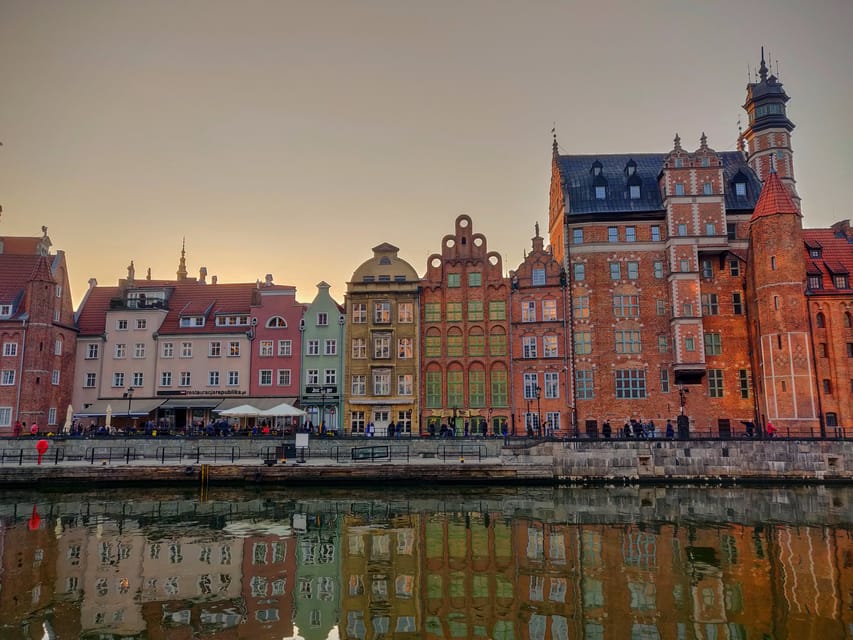
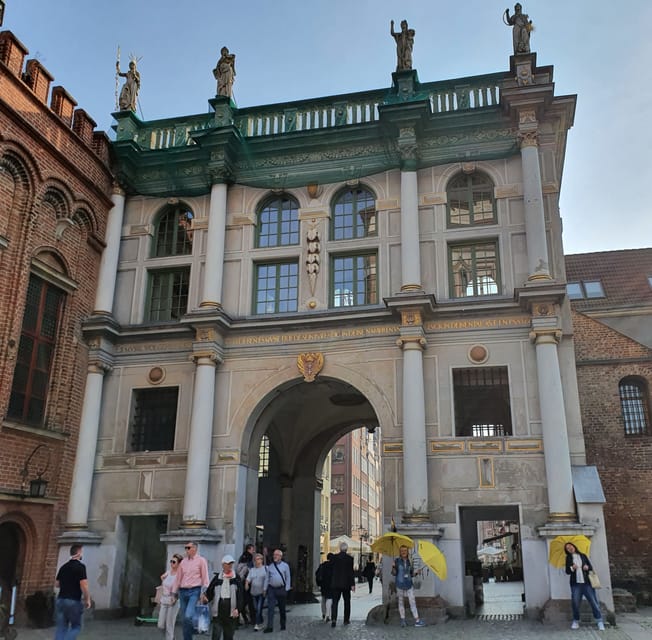
You start at the Golden Gate, Złota Brama, and it’s a smart way to begin because it places you at a key landmark right away. This gate is one of those spots that instantly makes you understand Gdańsk as a “gateway city.” It’s not just pretty stone. It’s a place where people and goods flowed in, and where the city’s identity formed.
Look for the guide with yellow umbrellas. That small detail matters, because the Old Town around here can look visually similar at a glance. Once you’re matched up with your group, the tour style clicks: you’re not rushing from photo spot to photo spot. Instead, you’re walking with a story, using each stop like a chapter break.
And even before you get to the darker sites, you’ll get the big picture: Gdańsk grew into a major Baltic port thanks to wealthy traders arriving from across Europe. That matters because it explains why the city feels so international, while still being distinctly itself. You’ll also hear the nickname for the residents, Danzigers, which is a fun way to keep the people of the city in your mind instead of treating history like a museum label.
A few more Gdansk outings to weigh up
- Gdansk: City Cruise on Historical Polish Boat
★ 4.8 · 2,913 reviews - Gdańsk: Sunset Cruise on a Historic Polish Boat
★ 4.9 · 977 reviews - Gdańsk City Sights & History Guided Walking Tour in English
★ 4.8 · 876 reviews
The Baltic Port Story: Amber, Grain, and a City That Couldn’t Stay Neutral
Gdańsk’s center of gravity is the sea. The tour frames the city as a trading hub that supplied Europe with grain and wood, and yes, with amber too, often described as the gold of the Baltic. When you hear that, the later landmarks make more sense. It’s easier to understand why the city invested in major public buildings and serious defensive structures.
You’ll also get a sense of how ideas and influence moved through here. The tour connects famous names to the city, including Daniel Fahrenheit, Arthur Schopenhauer, and Günter Grass. Even if you don’t know their biographies by heart, tying them to a real city helps the names stick.
Then comes the part you can feel under your feet: Gdańsk is a place where politics repeatedly changed the rules. Napoleon, when dealing with the Free City of Danzig, called Gdańsk the key to everything. Later, the city was used in a very different way under Nazi control, with major NSDAP headquarters presence. And World War II isn’t talked about in vague terms. The tour brings up an early armed clash tied to the Polish Post Office in the Free City of Danzig.
After that, you get a different kind of turning point. The shipyard workers’ strike led by Lech Wałęsa is presented as the spark that helped push the end of communism in this region. That’s one reason I like this tour format: it doesn’t treat World War II and the Cold War as separate worlds. In Gdańsk, they overlap with the same streets and institutions.
Prison Tower and Torture Chamber: When Justice Turns Dark
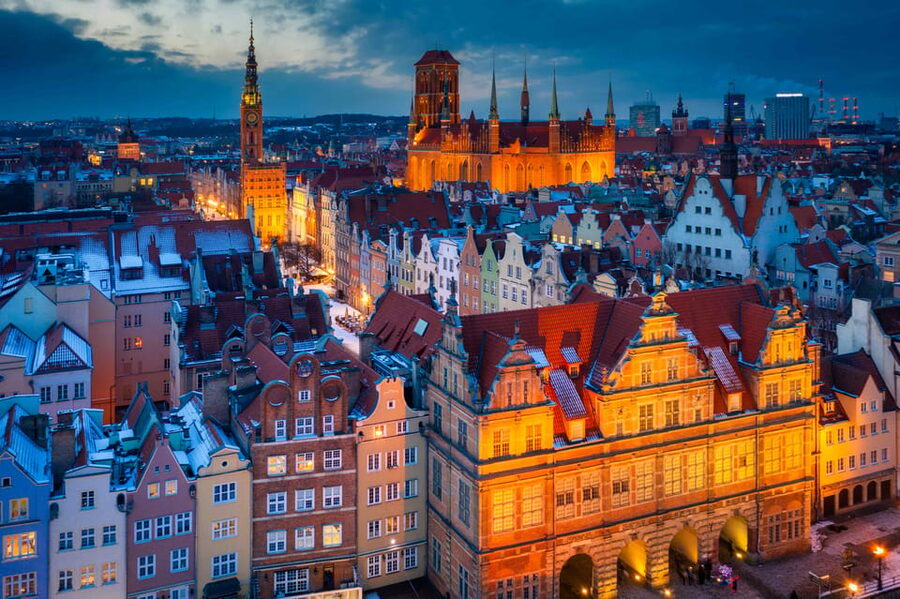
This is one of the highlights for a reason. The Prison Tower and Torture Chamber pull the tour into the physical reality of detention and punishment. It’s not the kind of stop you rush past, because the atmosphere is the point. You’re going to feel the contrast between the wealthy trading city image and the harsher side of control.
What’s valuable here is the way the guide keeps it understandable rather than sensational. You’ll hear the story in a way that connects the structures to the idea of order, power, and consequences. Even if you already know the broad European history, the specific setting gives you a sharper mental picture.
Practical note: this stop can be emotionally heavy. If you’re traveling with kids, or if you know you prefer lighter storytelling, this might not be your favorite part. But if you want the real Gdańsk, this is part of the package.
The Great Armory: Trade Cities Also Had to Fight
After the darker spaces, the tour shifts toward strength and preparedness with the Great Armory. This is where you start to see how Gdańsk’s wealth supported more than art and merchant life. A port city depended on security, and that meant planning for conflict.
I like this stop because it helps you avoid a common mistake: thinking “trade city” means “peaceful city.” The armory theme reminds you that the same networks bringing grain, wood, and amber also meant rivalries and threats. The city’s prosperity created both opportunities and targets.
You’ll likely come away with a clearer understanding of why so many historic European towns invested in imposing public buildings. Armor and weapons are tangible, but the deeper lesson is about governance and protection. In other words, the Great Armory isn’t just about military objects. It’s about what the city chose to prioritize.
Still in reach of Gdansk, but a different sort of day:
- Gdansk: Firearm Shooting Experience with Instructor
★ 4.8 · 866 reviews - Gdansk: Guided Round-Trip Cruise to Westerplatte
★ 4.3 · 865 reviews - Gdańsk: Olivia Star Sky-High Views, Dinner, and Cocktails
★ 4.3 · 797 reviews - Gdansk: Shared or Private City Tour Sightseeing by Golf Cart
★ 4.9 · 754 reviews
Artus Court: Where Merchants Met and Decisions Happened
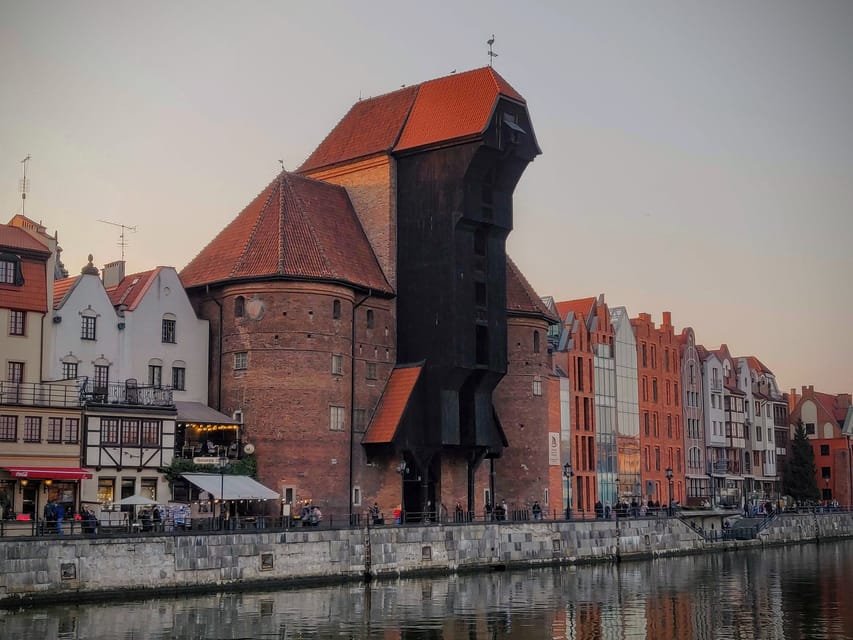
Artus Court is the kind of place that sounds like a legend, but it connects tightly to everyday civic power. In Gdańsk, Artus Court is tied to the merchant world. It’s the sort of setting where elite discussions, social rituals, and business networks could intersect.
This stop is a nice counterbalance to the armory and prison themes. You get to see how wealth and influence played out through institutions, not only through force. The tour helps you read the building as a statement of civic identity. It suggests that Gdańsk’s trade power wasn’t just in ships and warehouses. It was also in meeting halls, relationships, and decision-making spaces.
If you like history that connects people, not just events, Artus Court tends to land well. You’ll get a clearer sense of the Danzigers as organizers of commerce, not just names in a textbook.
Main Town Hall: Civic Pride, Power, and the People Who Ran Things
The walk ends (or at least anchors itself) at the Main Town Hall, and it’s one of the most satisfying stops because it’s about governance. Town halls are where a city says: this is how we run ourselves. In Gdańsk, that idea is extra interesting because the city repeatedly faced political change.
When the guide connects the town hall to the story of Gdańsk as a port city and a contested political prize, it clicks. You stop thinking of the building as a generic historic monument and start seeing it as a stage for real administration and public life.
This stop also works well if you’re the kind of traveler who likes to understand how institutions shape daily life. The tour gives you enough context to interpret what you’re seeing, rather than leaving you to guess.
And if you’re a photo person, you’ll get plenty to frame. The building has a strong presence, and the walk around it helps you place it within the larger Old Town feel.
Why the Guides Matter: Polish Storytelling That Keeps Moving
The most praised part of this experience is the guidance. Polish language tours can sometimes feel challenging for outsiders, but here the guides put real effort into delivery. You’ll hear energetic storytelling, a good sense of timing, and answers that don’t feel like a script.
You’ll also notice how guides adapt their tone. One guide, Kasia Dynamit, is described as telling the story in a way that mixes humor with seriousness based on the spot. Another guide, Marcin, is praised for being colorful and very substantive. Klaudia is praised for passion, fast engagement, and maintaining strong contact with the group.
That kind of guide energy matters because you’re covering emotionally different stops in one 150-minute block, from torture-related sites to merchant power and civic institutions. A flat guide can make the transitions feel jarring. These guides tend to keep the flow readable, with questions handled directly so you’re not stuck wondering if you asked something “right.”
Price and Value: $26 for 150 Minutes of Real Stops
The price is listed as $26 per person for 150 minutes, and for what you cover, it can be good value. You’re not just getting a walk around the waterfront. You’re getting structured access to key landmarks tied to major historical themes, including the Prison Tower and Torture Chamber, plus civic and merchant sites like Artus Court and the Main Town Hall.
There’s also the pay what you see fit model. When you reserve through GetYourGuide, you pay a tip for the guide, which is a practical way to show appreciation without making you guess at the last minute. In practice, this system rewards guides who deliver, and it lets you adjust your final amount to what you feel you got from the experience.
If you’re trying to stretch your budget, this tour is also a good “use your time well” pick. Two and a half hours can cover the main story beats of Gdańsk’s Old Town without turning into a full-day commitment.
Weather, Pace, and Who This Tour Fits Best
This is a walking tour. That sounds obvious, but the 150 minutes matter when you’re in winter or dealing with wind off the water. One of the benefits here is that the guides keep things engaging even when conditions are not ideal. Still, dress for the weather. And if cobblestones make your feet unhappy, plan for it.
This tour is best for you if:
- You want a focused way to learn the story of Gdańsk’s traders, institutions, and conflicts
- You appreciate clear explanations and strong guide presence
- You like combining major landmarks with context, not just sightseeing
You might consider a different option if:
- You need a tour in a language other than Polish
- You prefer only light topics and want to skip anything connected to prisons or torture spaces
Should You Book This Polish Main City Tour?
I think it’s a strong choice if you want Gdańsk’s Old Town to make sense fast. The mix of Prison Tower and Torture Chamber, merchant power at Artus Court, military framing at the Great Armory, and civic governance at the Main Town Hall gives you a well-rounded understanding in only 150 minutes.
Book it if you like guided storytelling with real engagement, where the guide answers questions and keeps the group involved. It’s also a good value pick at $26, especially with the pay what you see fit approach that rewards how the experience lands for you.
Skip it only if you know you won’t enjoy Polish-only narration or if you strongly dislike darker history topics. Otherwise, it’s a smart way to see Gdańsk as a living city shaped by trade, politics, and ordinary people.
FAQ
How long is the Main City in Gdańsk tour in Polish?
The guided walk lasts 150 minutes.
Where do I meet the guide?
You meet at the Golden Gate, Złota Brama. Look for the guide with yellow umbrellas.
What language is the tour in?
The live tour guide speaks Polish.
Is the tour wheelchair accessible?
Yes, the tour is wheelchair accessible.
What is the pricing model?
The tour operates on a pay what you see fit model. When you reserve through GetYourGuide, you pay a tip for the guide.
Can I cancel for a refund?
Yes. You can cancel up to 24 hours in advance for a full refund.
Fresh listings from Gdansk
- Wolf’s Lair and St. Lipka Private Tour from Gdansk★ 4.5 · 5 reviews
- Private WW2 Tour of Westerplatte,Gdansk and Stutthof Including Lunch★ 5.0 · 12 reviews
- 6 Hours Teutonic Castle Tour in Malbork★ 3.5 · 3 reviews
- Westerplatte – 2h private trip by luxury car|★ 5.0 · 4 reviews
- Undercover City Games: Gdynia★ 5.0 · 34 reviews
- Westerplatte private tour led by Expert-Guide (door to door)★ 5.0 · 5 reviews
- Torun – City of Copernicus Private Tour★ 4.5 · 5 reviews
- Aiport Gdansk Transfer to Malbork Castle or Stutthof★ 5.0 · 3 reviews
City Tours, compared.

City Sightseeing Tour Eco Electric Buggy Golf Cart
Read our review →
Gdańsk City Sights & History Guided Walking Tour in English
Read our review →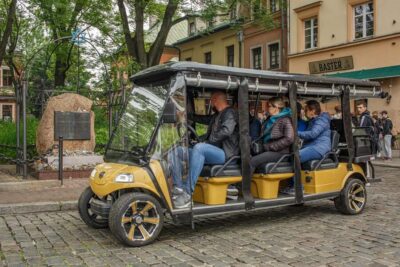
Extended City Sightseeing Tour – Eco Buggy Golf Cart
Read our review →
Shared or Private City Tour Sightseeing by Golf Cart
Read our review →Browse the lists this tour appears in