
Review · CITY TOURS
Wrocław: World War II and the non-existent city of Breslau
Wrocław has layers. This tour connects Breslau’s WWII years to what you can still see today. I like how the route is anchored in real places, from the square that miraculously survived, to the hill where the fortress command was. I also like the way the guide uses photos from 1933 to 1945, so you see how the city looked before the worst damage.
One thing to consider: the topic is heavy, and a short 2 hour format means you get a focused story rather than every detail. If you want a deep, fully technical account, you may feel the time is tight.
In This Review
- Key points before you go
- Why the Breslau to Wrocław shift still matters
- Meeting at Piwnica Świdnicka, then the Rynek that survived
- Solny Square: where bunkers first entered everyday life
- Plac Wolności and the Monopol Hotel: balcony to rally
- Świdnicka Street: a representative street during both parades and conquest
- Partisan Hill (Lieblichs Höhe): fortress command and surviving bunkers
- Bulwar Xawerego Dunikowskiego and the walk toward the oldest core
- Ostrów Tumski Dominsel: fierce battles, cathedral restoration, and a final viewpoint
- Price and value for a 2 hour private WWII-focused walk
- Who should book this tour, and who might not love it
- Should you book the Wrocław Breslau WWII tour?
- FAQ
- How long is the tour?
- Where do I meet the guide?
- What languages are available for the live guide?
- Is this tour wheelchair accessible?
- What group size is this tour for?
- What is the typical route like?
Key points before you go
- Market Square that survived the destruction, so you get a sharp before and after
- Solny Square bunkers and how civilians were protected as the war tightened
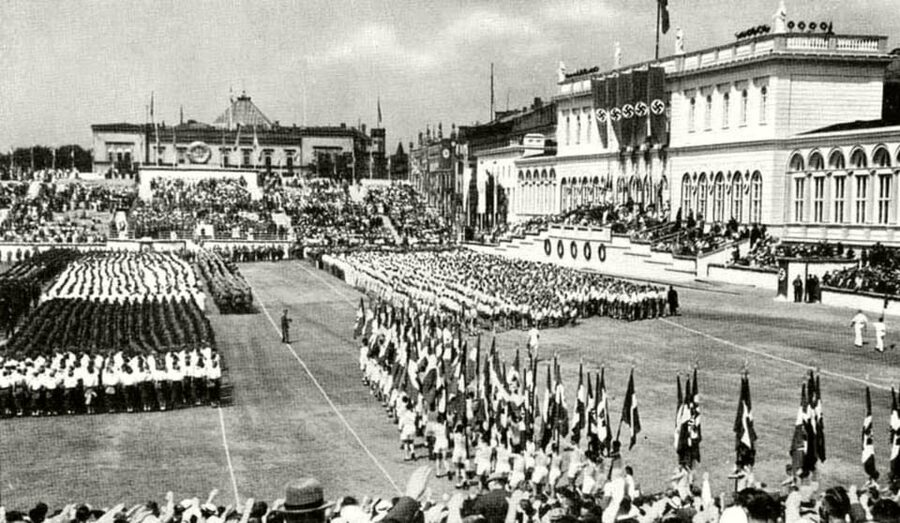
- Hotel Monopol balcony moments, tied to Nazi rallies and Hitler’s visits
- Świdnicka Street as a main stage for parades, then the Soviet entry in 1945
- Partisan Hill bunkers still in place, now with cafes and beer gardens
- Ostrów Tumski Dominsel where some of the fiercest 1945 fighting happened, now restored
Why the Breslau to Wrocław shift still matters
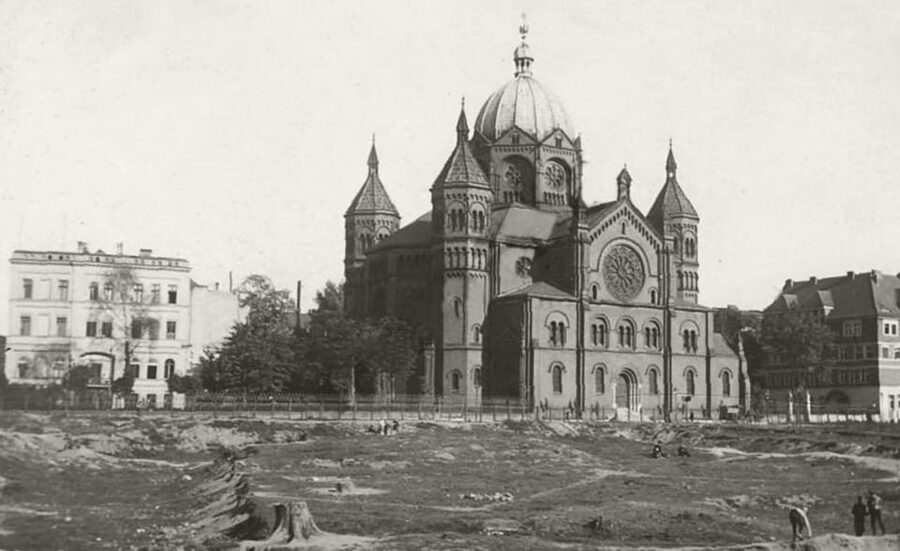
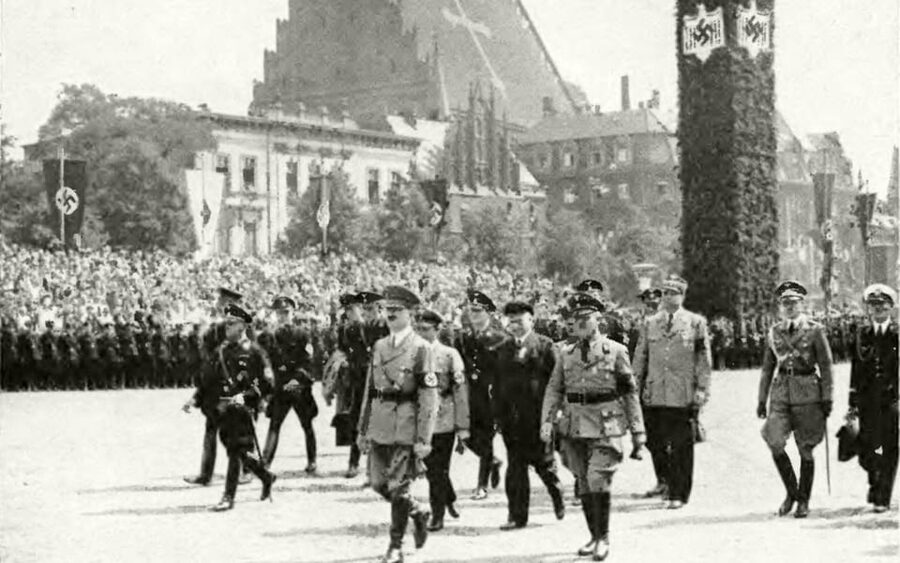
Wrocław is famous for its charm now, but it also carries a painful past. Before 1945 it was Breslau, the Silesian capital, and it had major links to the NSDAP movement. The city’s role in the Nazi system was not small or symbolic, and even Hitler visited Breslau several times. Then in 1945, once it was declared Festung Breslau, the destruction began in earnest.
What I find useful about this tour is that it does not treat WWII like a distant theme. It treats it like a map you can walk. You move through squares and streets that still hold the “logic” of wartime life, then you end in the area where the fighting got most brutal. You will come away with a clearer mental picture of how a city changes when control, ideology, and front lines all collide.
And yes, the title promise that Breslau is almost non-existent in the modern city is kind of the point. You are seeing how much was overwritten. You will also see the physical leftovers that refused to disappear.
A few more Wroclaw outings to weigh up
- Wroclaw: E-Car Tour and Audio Guide
★ 4.6 · 1,738 reviews - Wroclaw: 2-Hour Private Guided Tour by Electric Car
★ 4.8 · 805 reviews - Wroclaw: Ticket for Old Town Boat Cruise
★ 3.9 · 361 reviews
Meeting at Piwnica Świdnicka, then the Rynek that survived
You start at the entrance to the restaurant Piwnica Świdnicka in Wrocław. It is a practical start point because you are already in the historic core. You meet, you orient, and then you head straight to the Rynek, the Market Square, near the Old Town Hall.
This first stop is more than a quick photo op. The Old Town Hall area is described as a place that miraculously survived the war and the destruction of the city. Standing there, you can immediately feel the tension between continuity and rupture. Even if you do not know every date, your eyes pick up the contrast: some structures remained, while the rest of the city had to be rebuilt and reimagined.
This is where the tour’s tone usually clicks. The guide sets up the story so that later stops do not feel random. Instead, each new location becomes a “scene” in the city’s wartime narrative.
Solny Square: where bunkers first entered everyday life
Next up is Solny Square. Here the tour turns from big-picture WWII to the day-to-day reality of living under threat. The guide explains that the first bunkers in the city were built here to protect local residents.
Even if you know the general idea of air raids and sheltering, I like seeing it placed on a specific spot. Solny Square is a reminder that people did not just experience war through headlines. They experienced it through hard, physical preparation. You are basically learning the survival infrastructure of Breslau, mapped onto a space you can still walk through.
A key benefit of this stop is that it helps you understand later locations too. When you reach the fortress-related areas, you will recognize the same theme: protection, command, and the grim engineering of survival.
Plac Wolności and the Monopol Hotel: balcony to rally
From there, you head toward plac Wolności, and you also pass the Hotel Monopol. This is one of the most striking parts of the route because of the specific link to Nazi pageantry.
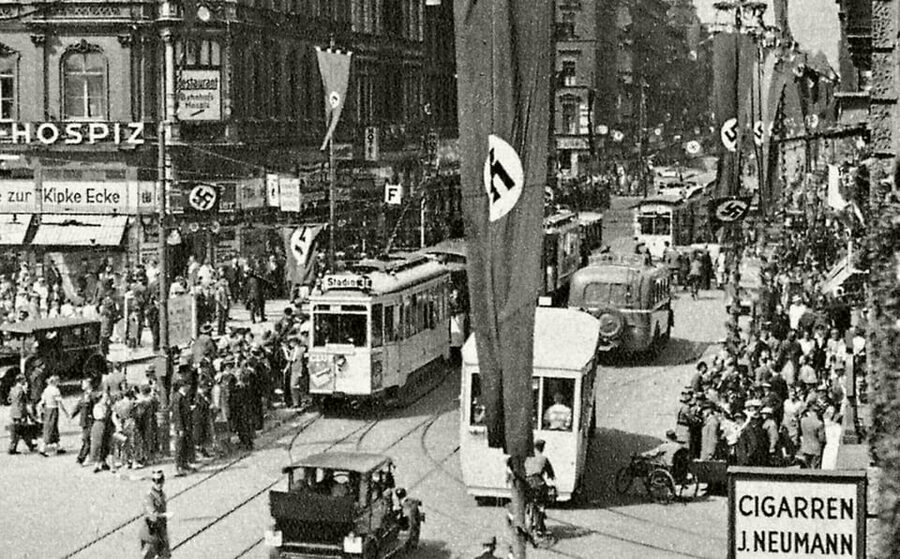
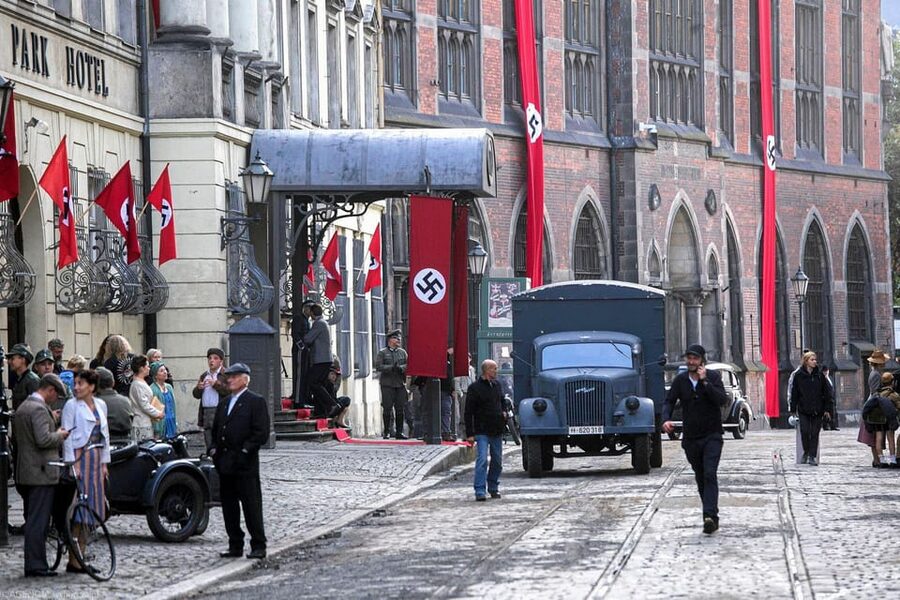
Until 1945, regular Nazi parades and Fakelzuege took place around the Castle Square area. Hitler greeted supporters from the balcony of the Monopol Hotel. That combination of public spectacle and political power is exactly what made cities like Breslau so important to the Nazi leadership.
Why this matters for you: it turns the subject from general WWII facts into a sense of how belief systems played out in streets and crowds. You are not just learning that rallies happened. You are walking past the kind of stage where mass politics became visible theater.
If you are the type of traveler who likes photos and context, this is also a good moment to pay attention when the guide brings in the photographs from 1933 to 1945. Seeing old images alongside the present streets can make the propaganda machinery feel more real, and the physical change more dramatic.
Still in reach of Wroclaw, but a different sort of day:
- Wrocław: Old Town and Ostrów Tumski Walking Tour in English
★ 4.8 · 311 reviews - Wroclaw: Private Old Town Guided Walking Tour (2 hours)
★ 4.8 · 275 reviews - Old Town Wrocław Walking Tour
★ 5.0 · 249 reviews - Group city tour (walking tour) through Wroclaw in German
★ 4.9 · 203 reviews
Świdnicka Street: a representative street during both parades and conquest
Then you move onto Świdnicka Street, also called Schweidnitzer-Strasse. The tour frames it as a representative street of the city, where inhabitants greeted their leader during visits.
This street also carries a second meaning that is harder to sit with. In 1945, the victorious Soviet Army entered the city along this route. So the same urban spine that supported public Nazi moments later functioned as a corridor of conquest.
For me, the value is in the contrast. A street is not just a street. It can be a stage for control, then a channel for collapse. You are learning how movement through a city reflects who holds power at that moment.
Expect the guide to connect the dots as you walk. You are not just collecting sights, you are building a storyline you can remember.
Partisan Hill (Lieblichs Höhe): fortress command and surviving bunkers
The tour’s pace shifts again as you reach Wzgórze Partyzantów, or Partisan Hill (Lieblichs Höhe). This is where the command of the Breslau Fortress was located, and where underground bunkers were set up.
That sounds grim, but what I appreciate is how the tour blends the past with the present. Today, Partisan Hill is described as a place for relaxation, with cafes and beer gardens and a wonderful view over the city. The underground bunkers remain to this day.
This stop is a strong example of why walking tours beat reading a page. You can stand in a spot that was about command decisions and defensive planning, then look out over the city where life resumed and businesses reopened. It is a physical reminder that rebuilding does not erase what happened, it sits above it.
Practical tip for you: take a minute at the viewpoint. Even if you only catch glimpses through the buildings, the elevated angle helps your brain organize the city. It makes the later ending around Ostrów Tumski easier to understand.
Also, this is where the earlier shelter theme from Solny Square comes full circle. You see a city that prepared both for civilians and for fortress-level strategy.
Bulwar Xawerego Dunikowskiego and the walk toward the oldest core
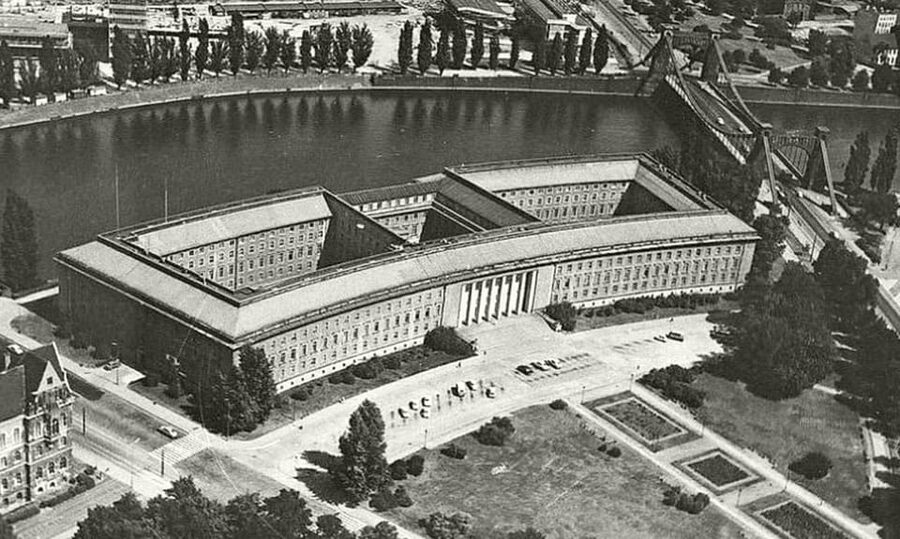
After the hill, the itinerary includes the bulwar Xawerego Dunikowskiego, with a guided segment and time for the walk. This part helps you transition from the defensive terrain back into the civic heart of Wrocław.
The goal is to set you up for Ostrów Tumski, where the story turns into the most intense combat of 1945. Even if your legs are starting to feel it, this is a helpful stretch because the route is doing narrative work.
You will likely notice how the vibe shifts as you move closer to the cathedral area. The tour does not ask you to pretend the past is gone. It helps you see how the city’s most symbolic zones were restored after the worst destruction.
Ostrów Tumski Dominsel: fierce battles, cathedral restoration, and a final viewpoint
The last major stop is Ostrów Tumski, also called Dominsel. This is explicitly described as the place where the most fierce battles for the city took place in 1945. Today, Ostrów Tumski with the Cathedral is beautifully restored.
This is where the title’s idea of Breslau becoming almost non-existent hits hardest. You can stand in the restored present while knowing this is the ground where the fight was at its peak. The restoration does not erase the loss, but it shows what the city chose to rebuild.
The tour also mentions a viewpoint from Ceglarskie Hill (Holtei-Hoehe). From there, you admire the view of the oldest part of the city, giving you a sense of scale and layout.
For your own planning: if you enjoy lingering after tours, Ostrów Tumski is a great place to do it. The tour ends there in front of the area tied to the NSDAP authorities building, and you can keep exploring the monuments and the cathedral zone on your own from this base.
Price and value for a 2 hour private WWII-focused walk
The price is $209 per group, up to 14 people, and the tour lasts about 2 hours. That structure changes the math. If you can fill a small group, the per-person cost can drop quickly, which is usually the best deal you will find in a city when you want a serious guide rather than just audio narration.
What you are paying for is not just movement. You are paying for a professionally licensed guide, and the guide is only for your group. You also get live interpretation in Polish and German. If you want a discussion style rather than a strict lecture, this kind of private group format tends to work better.
Still, the short duration matters. At 2 hours, the guide has to choose key scenes: surviving landmarks like the Old Town Hall area, shelter points like Solny Square, political spectacle like the Monopol Hotel balcony link, strategic command like Partisan Hill, and the combat center around Ostrów Tumski.
If you are the kind of traveler who likes to ask lots of follow-up questions, you may want to arrive ready with a couple of topics. For example: how the fortress concept shaped the final months, or how the city’s modern layout relates to what came before. One small clue is that the tour includes photographs from 1933 to 1945, so asking about those images can help you connect the dots fast.
One more value signal from real bookings: a verified German booking praised a guide named Norbert as sensational and very informative. On the other hand, there was also a booking that felt the tour became more like a standard city walk and missed key WWII specifics. That range is exactly why you should treat the theme as the deal. If your guide is attentive to the WWII thread, this tour can feel sharp and memorable. If they wander, you may feel shortchanged.
Who should book this tour, and who might not love it
This tour fits you best if you:
- want WWII history in a city-walking format, tied to actual spots
- like seeing how propaganda, ideology, and war shaped daily life
- enjoy viewpoints, especially the transition from Partisan Hill to Ostrów Tumski
- want a short, guided story rather than an all-day museum schedule
You might not love it if you:
- want an all-inclusive, deeply technical treatment with extra stops
- prefer only cheerful city sights, with minimal heavy context
- need a lot of time to read, study, and linger at each site
Should you book the Wrocław Breslau WWII tour?
I think this is a strong choice if you are curious about how Breslau’s Nazi-era years and the 1945 fortress fighting still show up in Wrocław’s streets and viewpoints. The stops are specific, the story is location-based, and the inclusion of photographs from 1933 to 1945 gives you a helpful before-and-after lens. Plus, with a private group up to 14 people, it can be good value if you travel with friends or family.
My advice: book it if you want a focused walk that connects war history to places you can point at. If you want a big, slow, academic deep-dive, you may want a longer history format elsewhere.
FAQ
How long is the tour?
The tour lasts 2 hours.
Where do I meet the guide?
You meet at the entrance to the Piwnica Świdnicka restaurant in Wrocław.
What languages are available for the live guide?
The live tour guide is available in Polish and German.
Is this tour wheelchair accessible?
Yes, it is wheelchair accessible.
What group size is this tour for?
It is a private group, priced for a group up to 14 people.
What is the typical route like?
You start near the Market Square area, pass through Solny Square and the plac Wolności and Hotel Monopol area, walk along Świdnicka Street, visit Partisan Hill, and end at Ostrów Tumski.
Fresh listings from Wroclaw
- Wrocław University: Tour with Audio Guide & Admission★ 4.8 · 45 reviews
- Wroclaw : Walking Custom Tour with a Local Guide★ 4.8 · 3 reviews
- Wroclaw To Church of Peace and Project Riese Tour★ 4.8 · 4 reviews
- Wroclaw: Spy-Themed Walk & Game with Host★ 4.6 · 14 reviews
- Wroclaw: 3-Hour Bike Tour in English or Polish★ 4.8 · 66 reviews
- Wroclaw: Solar Catamaran Cruise on the Odra River★ 4.8 · 9 reviews
- Wroclaw: Secrets of Wroclaw Walking Tour (2 hours)★ 5.0 · 14 reviews
- Wroclaw: Private Tour to Project Riese★ 4.6 · 22 reviews
City Tours, compared.
City Sightseeing Tour Eco Electric Buggy Golf Cart
Read our review →
Gdańsk City Sights & History Guided Walking Tour in English
Read our review →
Extended City Sightseeing Tour – Eco Buggy Golf Cart
Read our review →
Shared or Private City Tour Sightseeing by Golf Cart
Read our review →Browse the lists this tour appears in