
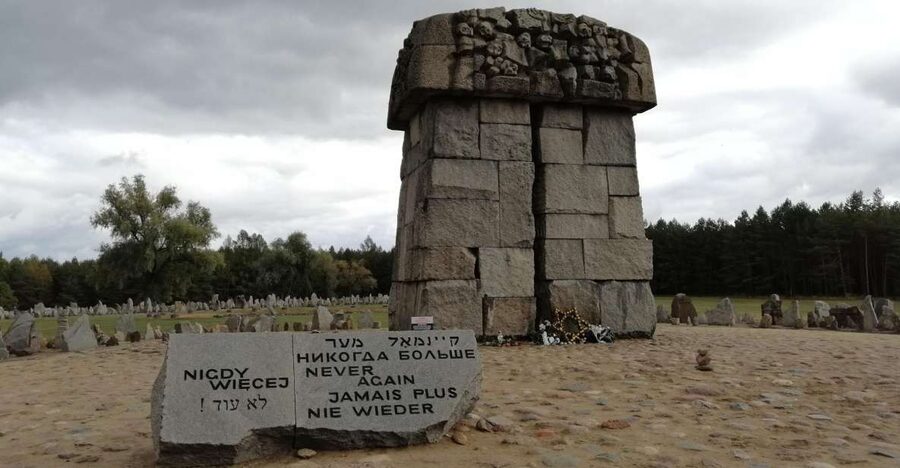
Review · CONCENTRATION CAMP MEMORIAL TOURS
From Warsaw: Guided Tour of Treblinka Camp
Treblinka hits fast, even when nothing is left. This 6-hour trip from Warsaw pairs skip-the-line tickets with a guided walk through the museum and the ruins, so you leave with more than a photo and more than a guess.
I especially like how the visit is structured around what the camp was built to do, plus what survived or was deliberately erased. You also get hotel pickup and drop-off, so you can focus on the memorial instead of map pins and schedules. One possible drawback: with a 6-hour total, you may not have as much time on site as you want, depending on how much time your day includes back in Warsaw.
In This Review
- What to notice on the Treblinka day trip
- First: what Treblinka means for a day trip
- The drive from Warsaw: part history, part logistics
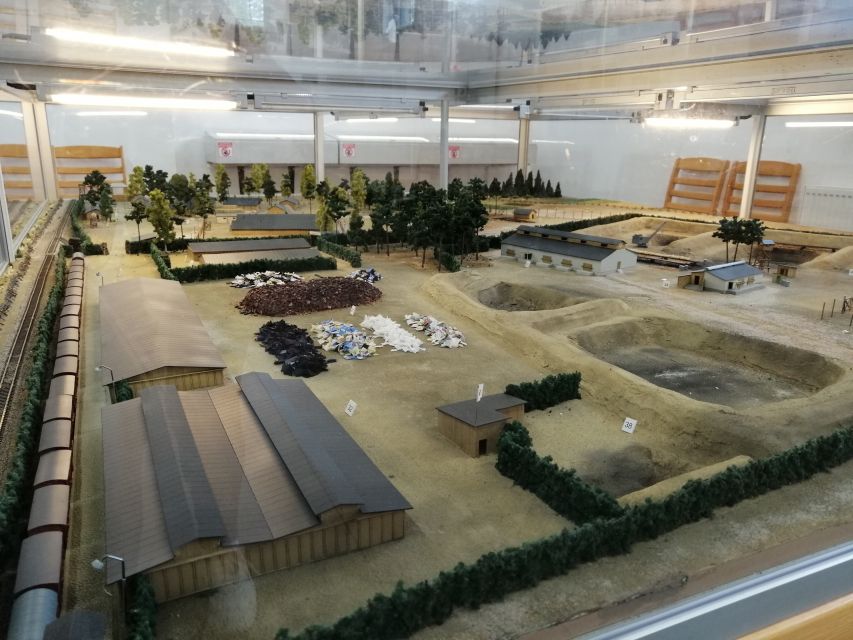
- At Treblinka: what the museum and miniature model do
- Walking the ruins: penal labor camp and the “shoe” scale lesson
- The “factory of death” in the forest, and why ruins matter
- Warsaw connections: why some time may be spent inside the city
- Guides and drivers: what the best ones seem to do
- Price and value: is $134 fair for what you get?
- What to bring and how to prepare for the day
- Who this Treblinka tour is best for
- Should you book this Treblinka tour?
- FAQ
- How long is the Treblinka guided tour from Warsaw?
- What is included in the price?
- Is food included during the tour?
- Do I need to worry about long entry lines?
- What language is the guide?
- Is pickup available from my hotel or accommodation?
- Where is Treblinka located?
- What should I bring with me?
- Is the tour wheelchair accessible?
What to notice on the Treblinka day trip
- Skip-the-line entry saves time for a place where time matters.
- Museum, miniature model, and ruins teach the camp as a system, not just as a site.
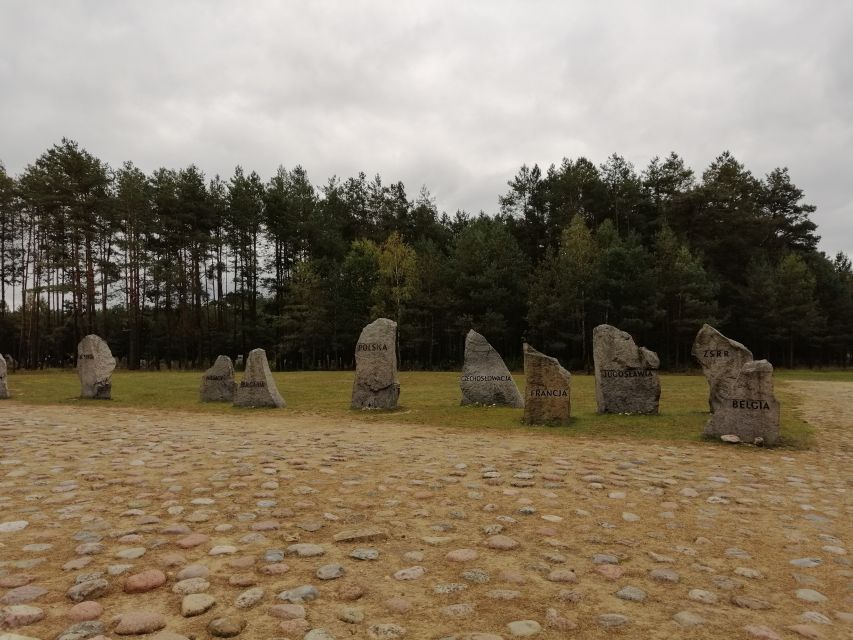
- Penal labor camp ruins and shoe installation help you grasp scale in a tangible way.
- Stories of the August 1943 rebellion connect names and resistance to the spaces you walk through.
- Hotel pickup and drop-off keeps the day calm and respectful, logistically.
- A guide who can answer follow-up questions can make or break how the day lands emotionally.
First: what Treblinka means for a day trip
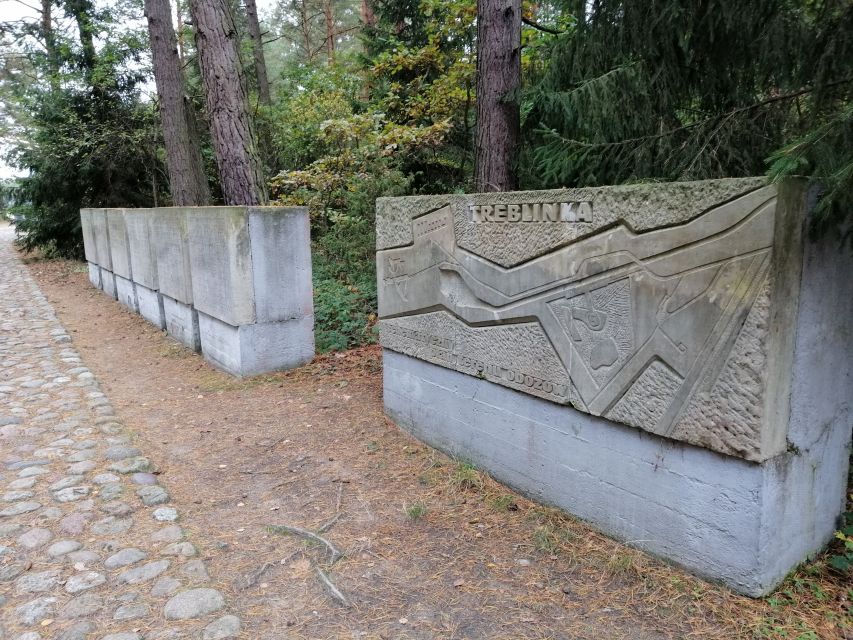
Treblinka sits near Warsaw, in a forested area about 4 kilometers south of the Treblinka train station, in what is now Mazovia Province. During World War II, Nazi Germany used it as an extermination camp, part of Operation Reinhard, one of the deadliest phases of the Final Solution.
The dates matter: Treblinka operated from 22 July 1942 to 19 October 1943. In that short span, it is estimated that between 700,000 and 900,000 Jews were killed in its gas chambers, along with about 2,000 Romani people. In other words, this is one of the worst of the worst, and it is close enough to Warsaw that you should not treat it like an optional add-on.
The strongest reason to go with a guide is simple. Here, there is very little intact to “show” you how things worked. You need someone to explain what you are seeing, why it was built that way, and what testimony tells us about what is no longer there.
More memorial site visits:
- Treblinka Death Camp 6 Hour Private Tour from Warsaw
★ 5.0 · 74 reviews - Majdanek Concentration Camp & Lublin Full Day Private Tour from Warsaw
★ 5.0 · 70 reviews - Half Day Treblinka Death Camp Small Group Tour from Warsaw with Lunch
★ 4.5 · 57 reviews
The drive from Warsaw: part history, part logistics
The day starts with pickup from your accommodation. You meet your driver and English-speaking guide, then you get into a comfortable, air-conditioned vehicle for the trip out of the city. Many visitors think the drive will just be transfer time. It is not. A good guide uses that ride to set context, including how people were transported from Warsaw toward Treblinka.
I like that the route is not rushed. The service is designed for you to arrive steady, not frantic. One review notes a smooth drive and an on-time, friendly driver, and another mentions a comfortable Mercedes minibus and water bottles. Those details sound small, but they matter when the destination is heavy.
Also, plan to listen in the car. One review specifically wished for a microphone so the guide was easier to hear while driving. If your seat is far from the front, sit where you can catch instructions and background, because those bits often make the museum stops click.
At Treblinka: what the museum and miniature model do
Once you reach the camp, the tour centers on the museum. This is where the day becomes more than walking through open space.
The museum focuses on the daily life of inmates and on how the camp functioned. It is also supported by a miniature version that helps you understand the architecture of the extermination area. That miniature model is a big deal for first-timers. With Treblinka, you cannot rely on “seeing” the layout the way you can at some other historic sites. The model helps you map the space in your head before you start walking among the remains.
If you care about how memorials communicate, this museum format is one of the most effective parts of the day. You are not just learning facts. You are learning a way to look at the camp: as a constructed machine, with sections that served different roles in the process.
The guide also helps with translation between the big picture and the specific rooms, films, or exhibits you encounter. Some reviews describe guides who answer questions patiently and add specialist detail, not just a standard script. When the guide is that strong, your understanding becomes more layered, and the visit feels less like a checklist.
Walking the ruins: penal labor camp and the “shoe” scale lesson
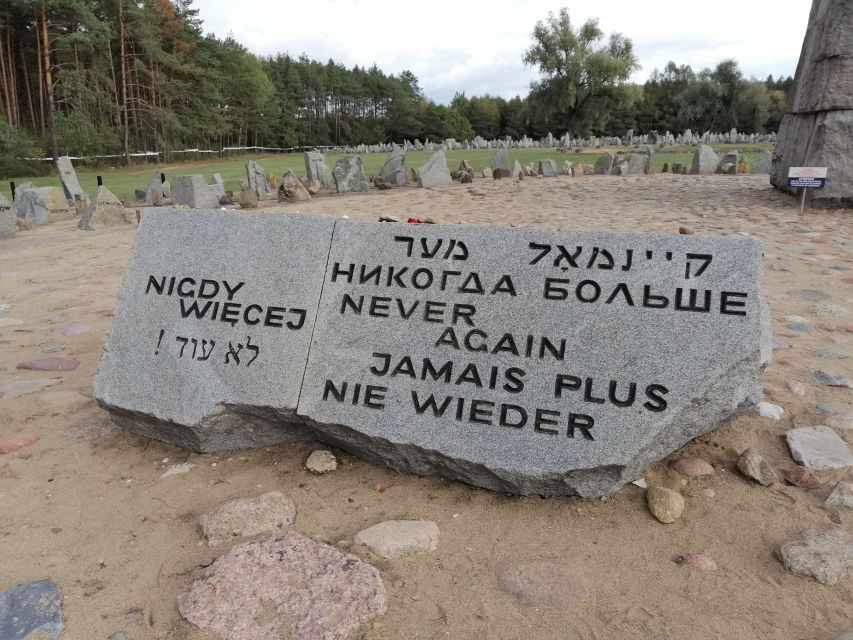
After the museum, you walk among the ruins of the penal labor camp. This is one of the most sobering parts of the visit because the place is marked by absence and destruction.
Here’s what you should expect from the experience design: there is a memorial area that places you in the “shoes” of around 20,000 inmates who were held there between 1941 and 1944. The idea is not cute or decorative. It is scale. It makes it harder to think of victims as numbers floating in a textbook.
You will also hear about prisoner courage and resistance, including the story of 840 prisoners who dared to rebel in August 1943. That detail matters. It keeps the day from becoming only about helplessness. It shifts your attention toward human action inside a system built to deny it.
Some guides are praised for explaining the significance of these spaces and for staying respectful when the tone needs to be quiet. If your main goal is honoring what happened through careful explanation, this stop is a strong match.
A few more Warsaw outings to weigh up
- Warsaw: Chopin Concert in the Old Town
★ 4.8 · 2,287 reviews - Warsaw: Traditional Galar Cruise on The Vistula River
★ 4.6 · 1,640 reviews - Warsaw: Old Town Highlights Walking Tour in English
★ 4.7 · 1,516 reviews - Warsaw Concert: Chopin – Painted by Candlelights with Wine
★ 4.8 · 1,442 reviews
The “factory of death” in the forest, and why ruins matter
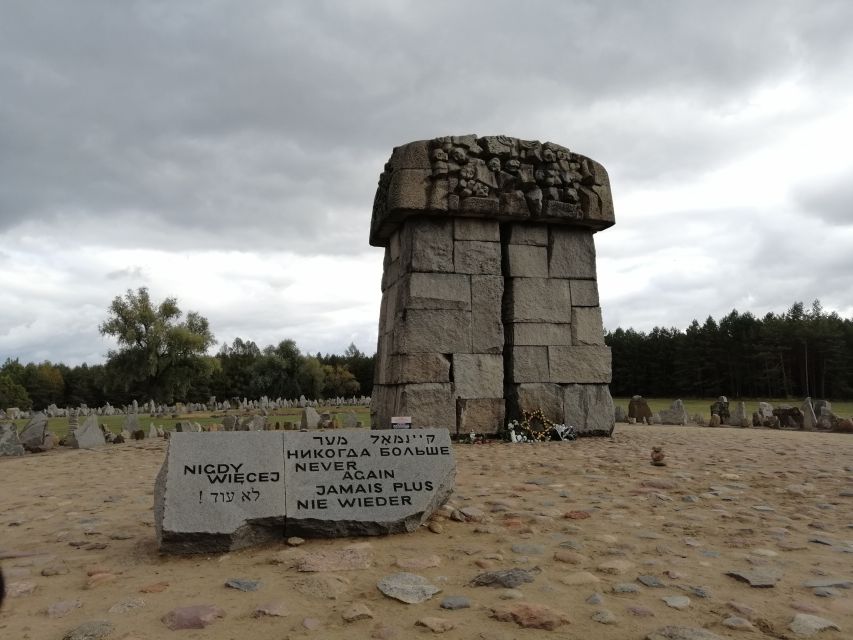
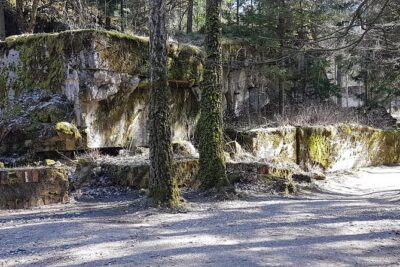
Treblinka was hidden in the forest northeast of Warsaw, and it was also deliberately erased. The camp was flattened to remove evidence. That context changes how you interpret what you see, because the physical remains are limited.
One review captures the idea well without sugarcoating it: when something is almost gone, the absence itself becomes part of the message. The memorial works and reconstructed areas, including the train station based mostly on testimony, are there to help you orient and understand. They cannot replace what was destroyed.
This is where a guided visit is worth paying for. Without someone to connect testimony, layout, and historical timeline, you may end up staring at empty space and feeling lost. With a guide, the emptiness turns into meaning.
If you have studied Holocaust history before, you may notice how the tour connects Operation Reinhard, deportations, and camp operations into a coherent story. If you are new to the topic, you will still get a guided path through the basics, and then deeper context where it matters.
Warsaw connections: why some time may be spent inside the city
Because this is a departure from Warsaw, part of the day can also connect Treblinka to the broader wartime story in the city. Several reviews mention stops tied to transport routes and deportations. One specific note mentions time in Warsaw at the Umschlagplatz area.
That can be powerful. Umschlagplatz is a place you will often associate with the process of deportation. Even a short visit can reframe what you learn at Treblinka by showing how the system reached from Warsaw outward.
The trade-off is time. One review points out a preference for more time in Treblinka itself and less time back in Warsaw at Umschlagplatz. If your priority is maximum time on site, ask yourself how you want to spend your limited six hours. For many people, the Warsaw connection strengthens the day. For others, it cuts into the part they came for most.
Guides and drivers: what the best ones seem to do
This tour is not just about places. It is about narration, pacing, and how your questions get handled.
From the feedback you provided, a few guide names show up repeatedly: Jan, Janusz, Leszek, Marek, and Mark (spelled as seen in the reviews). Drivers mentioned include Mateusz, Marzena, Kris, Maciej, and others. I do not know which guide you will get, but I can tell you what the praised guides have in common.
They explain with maps, memoirs, and context. One review describes a group briefing with maps and memoir-style material, like a seminar. Another praises a guide’s ability to remember names and keep the tone personal rather than robotic. There is also a strong theme of patience, especially for people who ask many questions or need time to process.
That matters because this is a difficult subject. A good guide knows when to slow down, when to keep details clear, and when to leave space for silence.
Drivers are praised too, for punctuality and smooth logistics. A calm ride reduces mental noise, which helps you focus when you reach the museum rooms and ruins.
Price and value: is $134 fair for what you get?
$134 per person for about 6 hours sounds steep until you look at what is included. You get:
- hotel pickup and drop-off
- English-speaking driver and guided tour
- skip-the-line tickets to Treblinka
- guided time inside the museum and ruins
For this kind of memorial, the guide is the main product. Treblinka is not a place you can casually “figure out.” The museum explanations, miniature model guidance, and on-site storytelling are what turn the visit into understanding.
If you went on your own, you would still need transport out of Warsaw, admission arrangements, and someone to interpret the layout and history in a respectful way. By bundling transport, entry, and interpretation into one organized plan, you pay for a simpler day and better context.
That said, value depends on your expectations. If you want long, unstructured hours inside the camp, the 6-hour window may feel tight. If you want a guided, well-timed route with skip-the-line entry, this price starts to make sense quickly.
What to bring and how to prepare for the day
The tour asks for a few basics, and I agree with them: wear comfortable shoes. Treblinka involves walking among ruins, memorial areas, and museum visits. You do not want blisters adding extra discomfort to an already intense day.
Bring food and drinks. Food and drinks are not included, so plan ahead. For many people, packing a simple snack helps you avoid getting distracted by hunger during quieter parts of the visit.
Finally, give yourself permission to move slowly in your head. This is a place where your emotions might arrive before your facts do. The best way to handle that is to stay present and accept that the meaning can grow as the tour progresses.
Who this Treblinka tour is best for
I think this day trip is a good match for:
- history-minded travelers who want an organized, explanatory route
- anyone visiting Holocaust memorial sites who prefers context over self-guided guesswork
- people who appreciate the architecture and how physical layout connects to function
- students or lifelong learners, especially those interested in how testimony shapes what is preserved and reconstructed
It may feel less ideal if you prefer completely independent travel, or if you want a long, slow wander without a structured guide. Also, if you are very sensitive to crowded audio, keep in mind that one review suggested audio could have been easier while riding. Sitting where you can hear the guide at all times helps.
Should you book this Treblinka tour?
If you are choosing between self-planning and a guided memorial visit, I would lean toward booking. The skip-the-line tickets, hotel pickup, and guided interpretation make the day more respectful and more meaningful, especially at a site where so much is intentionally missing.
Book this tour if you want clarity. The museum, miniature model, penal labor ruins, shoe scale element, and the August 1943 rebellion stories create a full picture in a manageable timeframe. You can also ask questions in real time, and that is often what turns a “visit” into real understanding.
Skip it or consider alternatives if you want maximum time on site at all costs, because six hours is not infinite. If you do book, do yourself a favor and arrive ready to walk, listen, and process.
FAQ
How long is the Treblinka guided tour from Warsaw?
The tour duration is 6 hours.
What is included in the price?
It includes hotel pickup and drop-off, an English-speaking driver, skip-the-line tickets to Treblinka, and a guided tour in Treblinka Camp.
Is food included during the tour?
No. Food and drinks are not included, so you should bring them.
Do I need to worry about long entry lines?
The tour includes skip-the-line tickets to Treblinka.
What language is the guide?
The guide works in English.
Is pickup available from my hotel or accommodation?
Yes, hotel pickup and drop-off are included.
Where is Treblinka located?
Treblinka is located near Warsaw, in Mazovia Province, in a forest north-east of Warsaw.
What should I bring with me?
Bring comfortable shoes, plus food and drinks.
Is the tour wheelchair accessible?
Yes, it is listed as wheelchair accessible.
Fresh listings from Warsaw
- Wolf’s Lair & Treblinka Tour in 1 day from Warsaw★ 5.0 · 37 reviews
- Tour from Warsaw: Wolf’s Lair, Hitler’s HQ Zones I and II★ 5.0 · 32 reviews
- Wolf’s Lair Private Day Trip from Warsaw★ 5.0 · 50 reviews
- Warsaw’s Old Town A Self-Guided Audio Tour★ 4.5 · 10 reviews
- Wilanow Royal Palace : SMALL GROUP /inc. Pick-up/★ 4.5 · 16 reviews
- Warsaw Must-See Local City Tour with Antek and Tomek★ 5.0 · 51 reviews
- Private 3-, 5-, or 7-Hour Warsaw Tour by Car★ 5.0 · 7 reviews
- Off the Beaten Track in Warsaw: Private City Tour★ 4.5 · 9 reviews
Concentration Camp Memorial Tours, compared.
Treblinka Death Camp 6 Hour Private Tour from Warsaw
Read our review →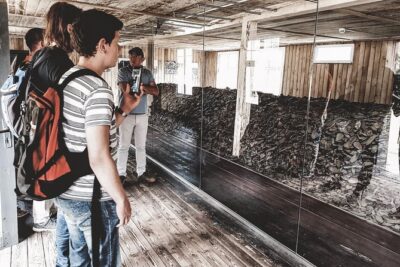
Stutthof Concentration Camp English Tour with Gdansk Hotel pickup
Read our review →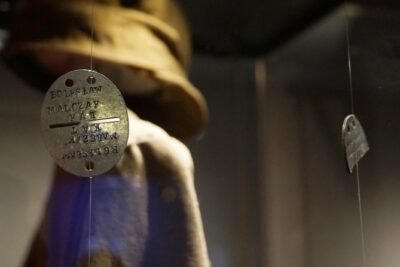
Majdanek Concentration Camp & Lublin Full Day Private Tour from Warsaw
Read our review →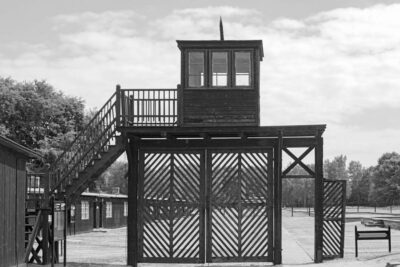
Stutthof Concentration Camp Private Tour with Transport
Read our review →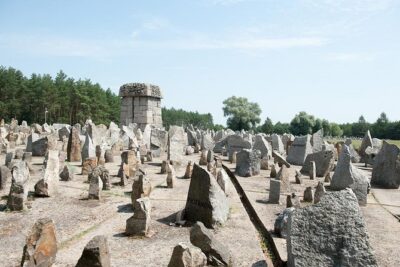
Half Day Treblinka Death Camp Small Group Tour from Warsaw with Lunch
Read our review →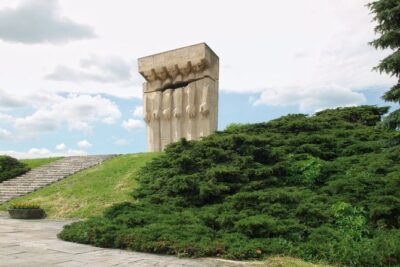
Wolf’s Lair & Treblinka Tour in 1 day from Warsaw
Read our review →Browse the lists this tour appears in