
Review · MUSEUMS
Krakow: Ethnographic Museum Entry Ticket
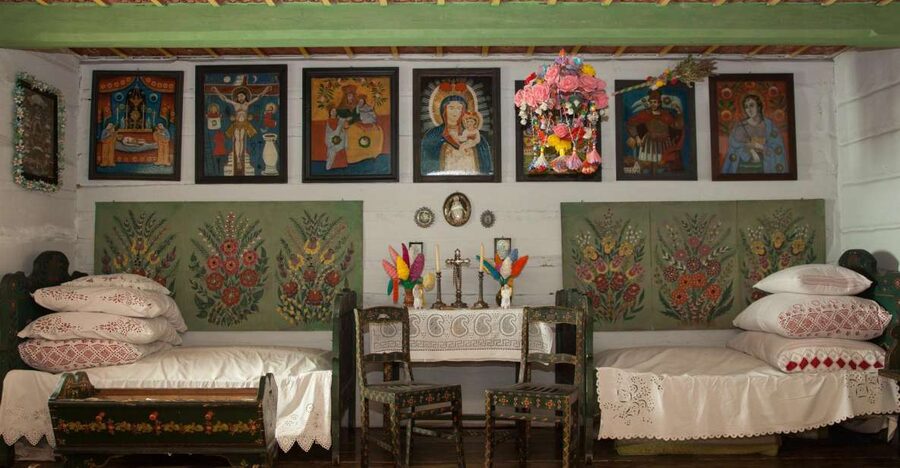
Folk culture in Krakow has a serious home. With this Ethnographic Museum ticket, you can wander through two linked buildings and make sense of Polish peasant traditions without paying big-city museum prices. I particularly like the sheer scale of the collection, around 80,000 exhibits, and the way the museum treats everyday life as worth careful attention. One drawback to flag up front: there is no guided tour included, so if you want commentary in a specific language, you may need to plan for that on your own.
You’ll spend about a day moving between a town hall exhibition focused on Polish folk culture and Esterka’s House, where temporary shows run in a beautifully vaulted basement space. It’s a self-paced visit, wheelchair accessible, and designed so you can see a lot even if your time in Krakow is tight. The biggest question for you is whether you enjoy museum time spent reading, looking closely, and connecting objects to stories.
In This Review
- Key things to know before you go
- Krakow’s Ethnographic Museum, a good-value way into folk culture
- Two buildings, one idea: Krakow’s peasant traditions
- Town hall exhibits: 80,000 artifacts from the turn of the 19th and 20th century
- Why artists revived folklore, and what the museum is trying to say
- Esterka’s House: temporary exhibitions in a vaulted basement
- A realistic 1-day plan that won’t feel rushed
- Price and logistics: why this ticket makes sense
- What the lack of a guided tour means for you
- Who this is best for (and who may want something else)
- Accessibility and comfort for planning your day
- Should you book the Krakow Ethnographic Museum ticket?
- FAQ
- What is included with the Krakow Ethnographic Museum entry ticket?
- How much does the ticket cost?
- How long is the experience?
- How many exhibits will I see?
- Which parts of the museum can I visit?
- Is a guided tour included?
- Will I be able to skip the ticket line?
- Is the experience wheelchair accessible?
- Do I have to visit on a specific day and time?
- Can I cancel and get a full refund?
- Is pay later an option?
Key things to know before you go

- Two-building layout: The experience splits between the town hall and Esterka’s House, so you get different kinds of rooms and pacing.
- 80,000 exhibits to pick from: You are looking at artifacts from the turn of the 19th and 20th centuries, with plenty to focus on instead of rushing.
- Folk culture as a mission: The exhibits explain why artists worked to revive folklore and what that meant in Poland at the time.
- Esterka’s vaulted basement: Temporary exhibitions here add variety to the main collection and keep the visit from feeling one-note.
- Self-guided format: Access is included, but a guided tour is not, so expect to read and interpret at your speed.
Krakow’s Ethnographic Museum, a good-value way into folk culture
For about $6, you get more than a quick stop. This ticket is built around access to a museum that specializes in Polish folk culture and shows it through objects that connect to daily life, craft, and tradition. If you want something more local than the usual “old town highlights,” this fits the bill.
What makes it feel like good value is the combination of scale and variety. You are not just seeing one room. You get two buildings, a major town hall exhibition, and temporary exhibitions in Esterka’s House. That’s how a small ticket price stretches: you’re paying for access to a full museum day, not for one themed room.
More Museum Tours in Krakow
- Auschwitz-Birkenau Museum and Memorial Guided Tour from Krakow
★ 4.5 · 1,510 reviews - Krakow: Rynek Underground Museum Guided Tour
★ 4.6 · 1,122 reviews - Krakow: City Card with Public Transport and Museums
★ 3.9 · 675 reviews
Two buildings, one idea: Krakow’s peasant traditions
The museum experience is split in a way that helps your brain. Start in the town hall, where the main exhibition sets the theme clearly: Polish folk culture. Then shift to Esterka’s House, where the mood changes because the setting is different and the basement is designed for temporary presentations.
That matters because folk culture is not one single style. It’s costumes and crafts, but it’s also imagery, music-related culture, and the way people remembered stories. By using two buildings, the museum nudges you to keep reassessing what you’re seeing.
I like that this structure avoids the “everything in one giant hall” problem. You can pace yourself. If you need a slower moment, you know where you can reset.
Town hall exhibits: 80,000 artifacts from the turn of the 19th and 20th century

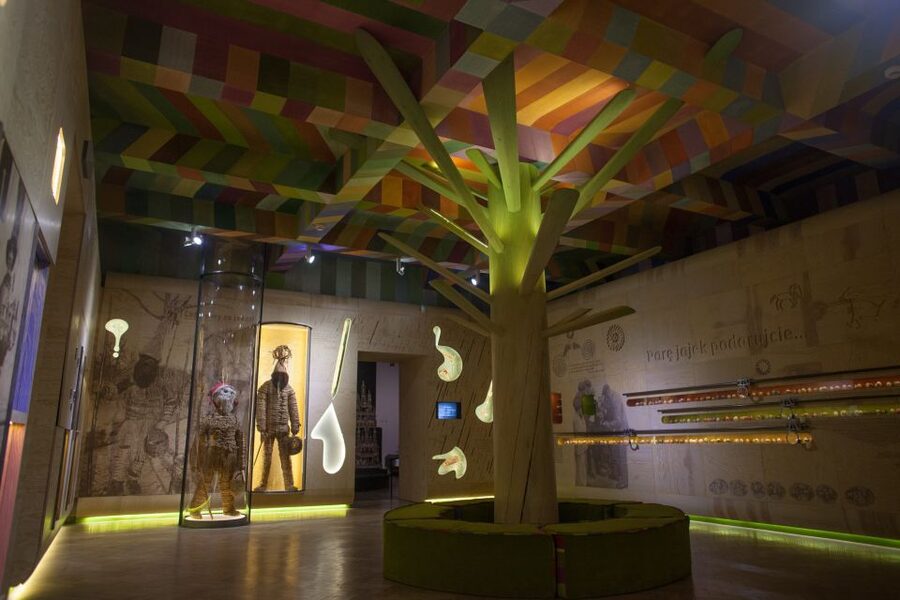
This is the part that’s easiest to get excited about, because you’re walking into a collection with serious numbers. The museum centers on around 80,000 exhibits, most dating from the late 19th and early 20th centuries. That period sits right at a crossroads in many European cultures, and here it shows up in how artists treated folk traditions.
Don’t try to see everything. With a collection this large, your goal should be to spot patterns:
- Look for repeated motifs across different kinds of items.
- Pay attention to what the museum groups together.
- Spend extra time on the pieces that feel like they belong to a specific region or craft tradition.
The museum layout also runs across multiple levels. One of the nice surprises people talk about is that the final areas, including sections with works like paintings and sculpture, can hit differently after you’ve spent time with everyday objects. In other words, the show has an arc, even though it’s self-guided.
Why artists revived folklore, and what the museum is trying to say
Here’s the big idea in plain language. At the turn of the 20th century, artists were drawn to reviving folklore. They saw it as an antidote to stagnation and a cultural crisis in Polish intellectual circles. The museum doesn’t treat folk culture like something dusty. It frames it as a living source people used to push back against cultural fatigue.
That context is useful for you because it changes how you interpret the exhibits. Instead of seeing artifacts as only “old things,” you start asking:
- Was this object chosen for beauty, function, or identity?
- How did folklore become something artists could reshape?
- What did revival mean in a society feeling cultural pressure?
If you enjoy museum visits where objects connect to ideas, this will feel more rewarding than a basic display. If you prefer museums that stay strictly visual, you can still enjoy it. Just expect that some of the meaning is carried in the framing.
A few more Krakow outings to weigh up
- Krakow Schindler’s Factory Museum Guided Tour in English
★ 4.5 · 650 reviews - Museum of illusions Entry Ticket
★ 4.5 · 521 reviews - Krakow: Auschwitz-Birkenau Tour & Museum Expert Guide
★ 5.0 · 498 reviews - Krakow: Kościuszko Mound Entry Ticket with Exhibitions
★ 4.4 · 399 reviews
Esterka’s House: temporary exhibitions in a vaulted basement
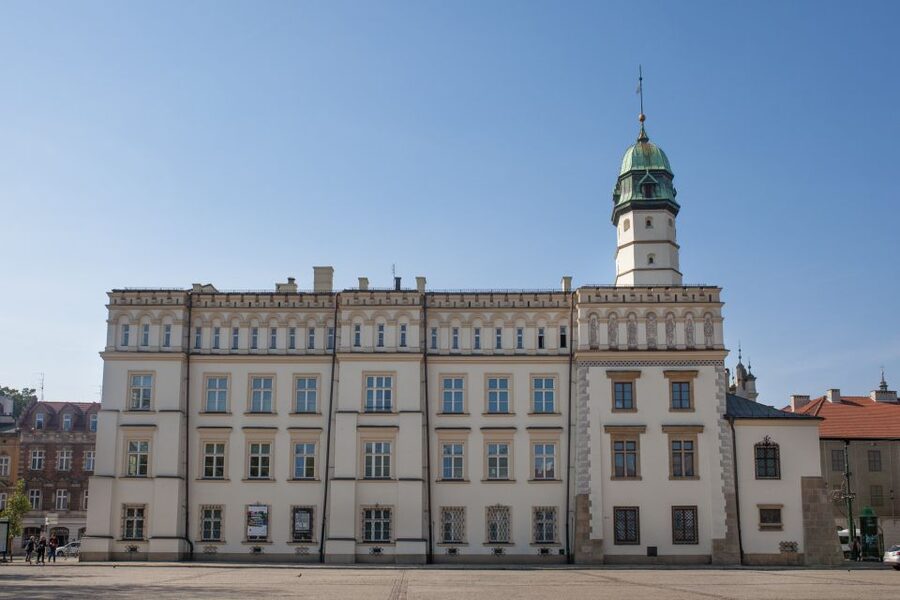
After the town hall, Esterka’s House shifts the pace. This building is known for temporary exhibitions, and you’ll see them in a basement setting described as beautifully vaulted. That style of room matters. It changes sound, light, and how you move, and it makes the temporary content feel more intentional.
Use this stop as your reset. Instead of trying to “catch up” after a large collection, let Esterka’s House be where you slow down and focus. Temporary exhibits also prevent repetition. You’re still in the same overall museum universe, but you get a different lens.
In a single day, that pairing works well. You avoid the fatigue that comes from looking at too many similar display cases in a row. You also keep your attention fresh for the later parts of the museum.
A realistic 1-day plan that won’t feel rushed
You have a “valid 1 day” ticket, and the visit is self-paced, so your best move is to plan for flexibility rather than squeezing it into a tight schedule. The museum is the kind of place where your pace depends on how long you linger at objects that catch your eye.
Here’s a practical way to structure it, assuming you want a satisfying visit without stress:
Start with the town hall exhibition
- Give yourself enough time to walk through the main folk culture displays without racing.
- Pick a few themes, like clothing details, decorative motifs, or tools and everyday items, and spend extra time there.
Then move to Esterka’s House
- Treat it as a second act.
- Let the temporary exhibitions guide where you focus.
Leave room for a couple “extra rounds”
- With a collection of about 80,000 exhibits, you’ll likely want at least one return trip to look again at something you noticed earlier.
One more timing note: entry has starting times based on availability. That means you’re not necessarily free to stroll in whenever you want at the last minute. Check what starting times are offered when you book, and pick one that fits your day.
Price and logistics: why this ticket makes sense
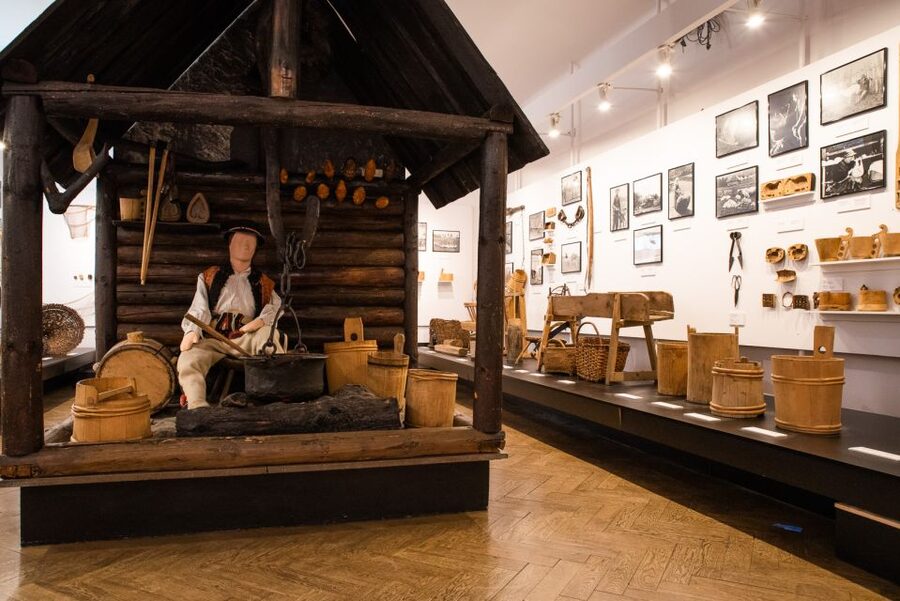
$6 per person is the kind of price that changes behavior. It encourages you to actually spend time in the museum instead of doing a 10-minute check and feeling guilty later. At this level, you’re paying mostly for access to a well-defined experience, not for a premium “tour package.”
You also get skip-the-ticket-line access. That’s a small thing until you’re in a historic city where lines can chew up your time. Here, skipping the ticket line means you’re more likely to start exploring sooner and keep your day moving.
One other logistics detail: there is no guided tour included. That’s not automatically bad. It’s better for you if you like museum freedom and you don’t want to worry about a group pace. The drawback is language support. If you need guided explanations in a specific language, you may find that you are on your own.
What the lack of a guided tour means for you
No guided tour included is the main “watch-out” piece for this experience. The upside is control. You can stop when something catches your attention and you can skip what doesn’t.
The downside shows up when you care about interpretation. The museum’s big themes, like the revival of folklore as an antidote to cultural crisis, can feel much more connected if you have commentary. Without a guide, you’ll likely rely on labels and your own reading of visual clues.
If you speak Polish or are comfortable with translation tools, you’ll probably enjoy the visit more because you can follow the museum’s storyline closely. If you need Italian or another language, plan for the fact that a guided option is not included with this ticket.
Who this is best for (and who may want something else)
This ticket is a strong match if:
- You like museums that connect objects to culture and identity.
- You want a deep look at Polish folk traditions through real artifacts, not just a quick overview.
- You’re traveling on a budget but still want a full, meaningful day activity.
It may be less ideal if:
- You want a guided, structured experience where someone tells you what to focus on.
- You need explanations in a specific language and don’t want to rely on self-guided reading.
For mixed groups, it often works because people can split attention. One person can focus on craft items and motifs, while another can spend more time in Esterka’s House with the temporary exhibits. The self-guided format helps that.
Accessibility and comfort for planning your day
The museum is wheelchair accessible, and that’s important for planning a smooth visit. Since the experience is spread across two buildings and includes a basement space in Esterka’s House, it helps to plan your movement route ahead of time.
Also, with lots of exhibits, you’ll want comfortable shoes. Museums like this are not about standing still. Even if you move slowly, you’ll cover enough ground that comfort matters.
Should you book the Krakow Ethnographic Museum ticket?
Yes, I think you should book it if you want an authentic Krakow experience that feels local and grounded. The standout reasons are the combination of:
- A low price that supports a real museum day,
- A huge collection (around 80,000 exhibits) focused on a specific cultural theme,
- Two different spaces, with Esterka’s House adding a basement setting for temporary exhibitions,
- A self-guided format that lets you go at your own speed.
Skip it or think twice if you specifically want a guided tour included, or if you know you need interpretation in a particular language and you prefer not to navigate museum labels on your own.
FAQ
What is included with the Krakow Ethnographic Museum entry ticket?
The ticket includes access to the Ethnographic Museum, an exhibition on Polish folk culture, and temporary exhibitions in Esterka’s house.
How much does the ticket cost?
The price is $6 per person.
How long is the experience?
The duration is listed as 1 day.
How many exhibits will I see?
The museum contains about 80,000 exhibits, mostly from the turn of the 19th and 20th centuries.
Which parts of the museum can I visit?
You can visit the museum’s two buildings, including Esterka’s House and the town hall exhibition focused on Polish folk culture.
Is a guided tour included?
No. A guided tour is not included with this ticket.
Will I be able to skip the ticket line?
Yes. Skip the ticket line is included.
Is the experience wheelchair accessible?
Yes. The museum is wheelchair accessible.
Do I have to visit on a specific day and time?
The ticket is valid for 1 day, and you should check availability to see starting times.
Can I cancel and get a full refund?
Yes. Free cancellation is available up to 24 hours in advance for a full refund.
Is pay later an option?
Yes. You can reserve now and pay later, keeping your plans flexible.
Fresh listings from Krakow
- Zakopane & Gubalowka Funicular – Private Winter Tour from Krakow★ 5.0 · 10 reviews
- ZALIPIE – painted village, unique PRIVATE tour from Krakow★ 5.0 · 20 reviews
- stag dog chase Krakow prank★ 5.0 · 4 reviews
- ZALIPIE – painted village, unique small group tour from Krakow★ 5.0 · 7 reviews
- Full-Day Zalipie Painted Village Guided Tour★ 4.0 · 3 reviews
- Sleigh Ride & Bonfire in Zakopane with Funicular – Private Trip★ 5.0 · 48 reviews
- Zakopane PRIVATE TOUR from Krakow★ 5.0 · 18 reviews
- Zakopane Funicular Hill & Thermal Springs regular tour★ 5.0 · 9 reviews
Museums, compared.
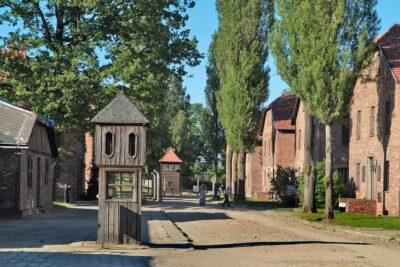
Auschwitz-Birkenau Museum and Memorial Guided Tour from Krakow
Read our review →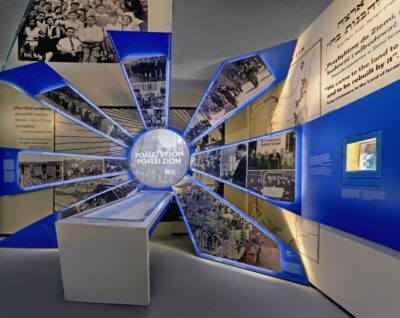
POLIN Museum of the History of Polish Jews Ticket
Read our review →
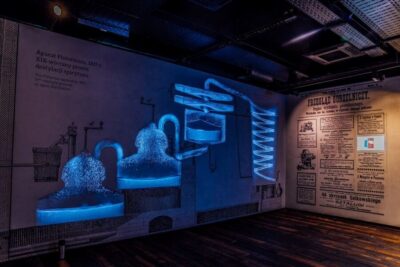


Krakow Schindler’s Factory Museum Guided Tour in English
Read our review →
Browse the lists this tour appears in