
Review · MUSEUMS
Warsaw: POLIN Museum of the History of Polish Jews Ticket
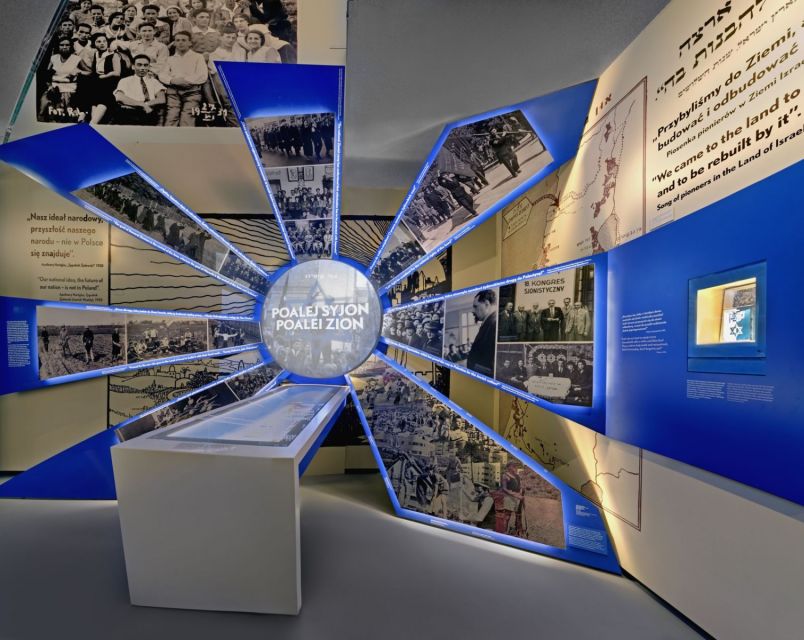
Ten centuries, one museum, real questions. At POLIN Museum of the History of Polish Jews, you walk through the story of Jewish life in Poland using interactive displays, artifacts, paintings, and audio-visual installations that make the history feel structured, not overwhelming.
I love how the museum covers the full arc of Jewish presence in Poland, from early settlements to today, with history presented in clear sections. I also really like the audio guide format, which helps you move through the galleries at your own speed and stay oriented as you go.
One consideration is time. The core exhibition takes about 2 hours, but if you want to read, listen carefully, and pause for the interactive parts, you may need 3 to 5 hours or more, and the museum admission closes 2 hours before closing time.
In This Review
- Key Things I’d Put at the Top of Your List
- First Impressions at POLIN: Clean Design, Heavy Subject
- Your Route Through 1,000 Years: How the Eight Galleries Work
- Early Foundations and Daily Life
- Cultural and Social Change
- The Holocaust and Its Aftermath
- The Audio Guide: Helpful, Fast, and Built for Self-Pacing
- Before You Enter the Core Exhibition: Plan for Security Scanning
- Timing That Actually Works: 2 Hours Versus a Full Visit
- Lunch Break Strategy: See It, Step Out, Come Back
- Ticket Value at About $12: What You Get for the Money
- Who This Museum Is Best For (And Who Should Rethink)
- Should You Book POLIN Museum in Warsaw?
- FAQ
- How long does the POLIN Museum visit take?
- Is a guided tour included with the ticket?
- What does the ticket include?
- What languages are available for the audio guide?
- Can I leave the museum for lunch and return the same day?
- Are there any restrictions on luggage?
- Is the museum open every day?
Key Things I’d Put at the Top of Your List
- Eight gallery sections that cover Jewish history in Poland for about 1,000 years
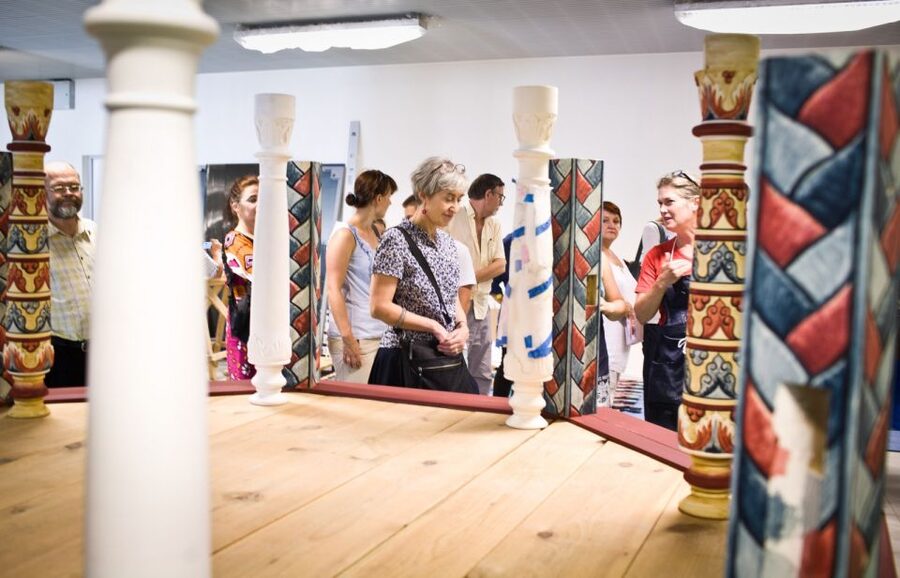
- Interactive installations with audio and visual materials, plus artifacts and paintings
- Security scanning required before entering the core exhibition area
- The Holocaust is one major section, but the museum also gives space to everyday life, culture, and renewal after WWII
- Re-entry is allowed for lunch as long as you stay within the same day
- Audio guide support in English and Polish, included with your ticket
First Impressions at POLIN: Clean Design, Heavy Subject
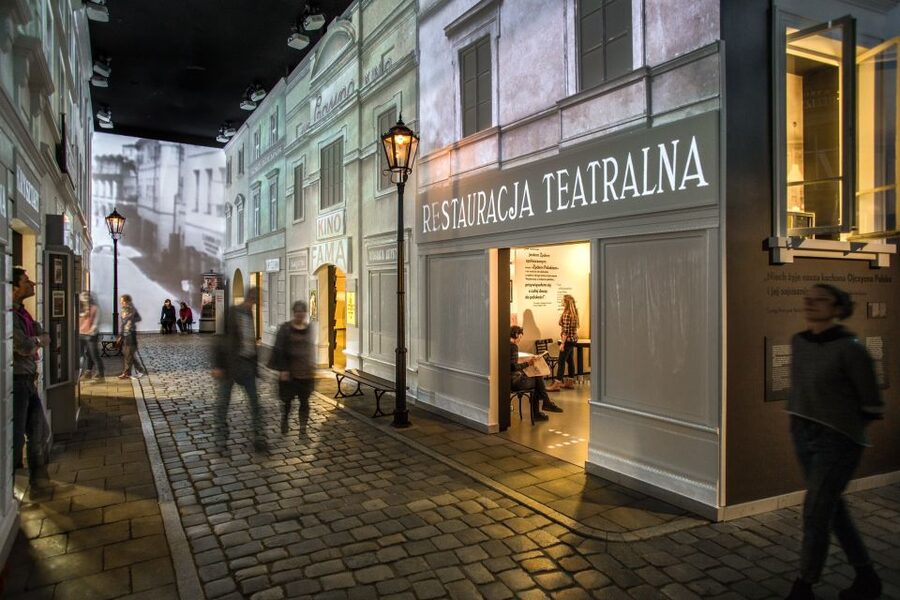
POLIN is the kind of museum that feels thoughtfully planned before you even press play. The building and flow are made for moving forward without getting lost, and the experience is organized into clear historical chapters. You are given an audio guide, but the design also does a good job of telling you where to look next, so you are not stuck waiting for a device to tell you what’s happening.
What I found most practical is that the museum does not demand a single pace. Some parts work best if you read closely. Others are quick to understand. And because the exhibitions rely on multimedia and interactive elements, you can spend extra time when something grabs you.
One more thing: the subject matter can be emotionally intense. The exhibits are not built to shock for shock’s sake, but they do not soften the reality of what happened during the Holocaust. If you are visiting right after a hard day of history sightseeing, plan extra mental space.
More History Tours in Warsaw
- Warsaw: Chopin Concert at Historical Venue in Old Town
★ 4.7 · 445 reviews - Small-Group Historical Guided Tour of Warsaw with pick up/drop off. Public Tour.
★ 4.5 · 343 reviews - Warsaw: Jewish History Guided Walking Tour in English
★ 4.7 · 324 reviews
Your Route Through 1,000 Years: How the Eight Galleries Work
POLIN’s permanent exhibition is structured to take you through 8 different galleries, each focused on a stretch of time and themes. The museum’s promise is simple: you learn how Jewish communities took root in Poland, how they lived within the country’s changing political and religious landscape, how major figures shaped public life, and how WWII and the Holocaust reshaped everything.
Here’s how to think about the galleries as you plan your visit.
Early Foundations and Daily Life
You start with the origins of Jewish settlement and community life in Poland. The museum spends real time on how these communities formed, what rules and relationships shaped them, and how ordinary life looked in different periods. If you like context, this part helps you understand the rest of the story, because it frames Jews as a long-standing part of Polish society, not a footnote.
One theme you’ll keep running into is diversity. The museum shows how Jewish life in Poland was not one single experience. It changed with the centuries, political conditions, and local realities.
Cultural and Social Change
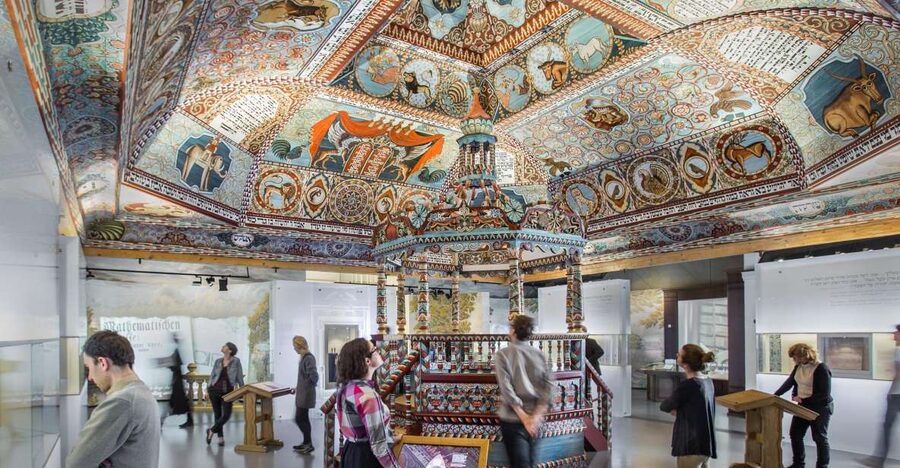
As the timeline moves forward, you get more about how Jewish individuals and groups contributed to society and how Jewish culture evolved. The museum includes artifacts and paintings, but it also uses audio and interactive features to keep the story from becoming only text-on-wall. This is where the museum’s design really helps: it turns “history facts” into “how did people live, think, worship, argue, and adapt?”
If you are a big reader, you’ll end up slowing down here, because the material invites attention. If you prefer a faster pass, you can still make progress because each section is designed to stand on its own.
More Museum Tours in Warsaw
- Warsaw: Polish Vodka Museum Tour with Tasting
★ 4.6 · 788 reviews - Warsaw: Museum World of Illusion Entry Ticket
★ 3.9 · 666 reviews - Warsaw: Ghetto, Jewish Cemetery & POLIN Museum Private Tour
★ 4.8 · 132 reviews - World of Illusion Museum Skip-the-Line Ticket
★ 4.0 · 55 reviews
The Holocaust and Its Aftermath
One of the major sections is devoted to the Holocaust and its impact on Jewish life in Poland. The museum frames this not just as tragedy, but as a rupture that transformed political, social, and religious diversity. You should expect the emotional weight to rise during this part.
You’ll also see how culture is addressed after WWII. The museum’s story does not end at catastrophe. It looks at how Jewish culture and community life were revived afterward, so the final impression is not only loss, but also continuity and rebuilding.
A practical tip: if you are prone to fatigue, take short breaks during this portion. The museum has places to rest, and it’s smart to step away briefly before continuing.
The Audio Guide: Helpful, Fast, and Built for Self-Pacing
With your ticket, you get an audioguide in English and Polish. What makes this matter is not just content, it’s how the museum supports using it.
Many people appreciate that the audio guide can help you follow the right narrative as you move through the galleries. That means you spend less time guessing which topic you’re currently on. You can also choose the level of attention you give each moment. Want to skim? Use it for direction. Want to understand fully? Listen more closely and pause at interactive stations.
If you rely on your phone for anything, it’s worth planning for offline reality. Some visitors have had trouble accessing vouchers on a phone when data connections were unreliable. You can protect yourself by having a screenshot or a backup copy, so you are not scrambling at the entrance.
Also note this from the museum experience itself: the exhibitions include lots of text. If you find it hard to read while listening, you can alternate. Listen for a section, then read the nearby panels for a minute or two, and return to the audio.
Before You Enter the Core Exhibition: Plan for Security Scanning
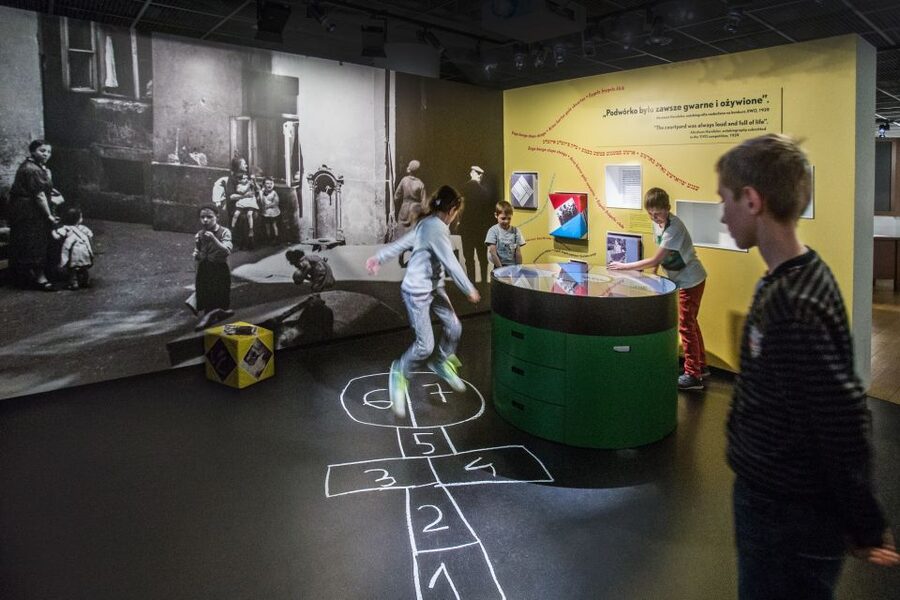
Right before the core exhibition area, every guest must go through electronic scanning. That’s a quick checkpoint, but it does add friction to your arrival time. If you are tight on schedule, don’t arrive at the last second. Build in enough buffer so you are not stressed while you’re trying to start the history story.
Also be aware that the museum does not allow oversize luggage. If you have a big bag, consider leaving it in storage or traveling with a smaller option to avoid delays.
Timing That Actually Works: 2 Hours Versus a Full Visit
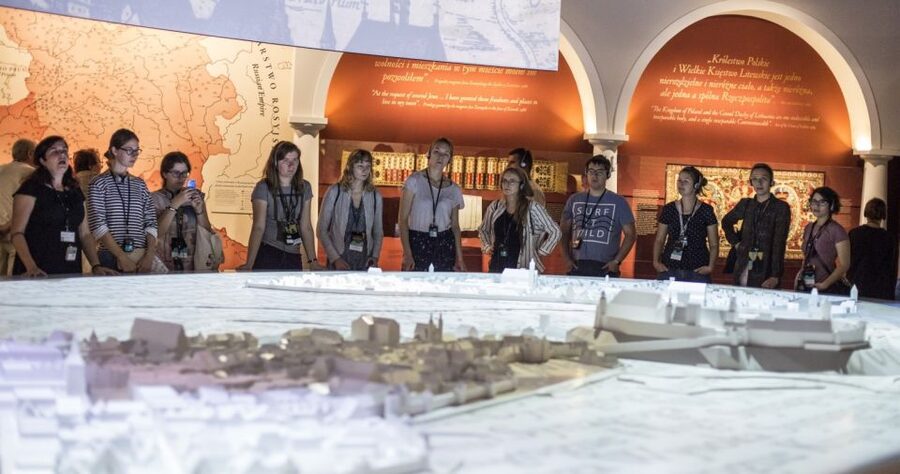
The museum estimates about 2 hours for the core exhibition. That is a useful minimum. But your real experience will depend on how you engage with interactive displays and how closely you want to read and listen.
Here’s the honest decision guide I recommend:
- If you want the full story without every panel, plan about 2 to 3 hours.
- If you want to slow down, use the interactive stations, and sit with the heavier parts, plan 3 to 4 hours.
- If you tend to overread and you love museum design, plan 5 hours or more.
A bunch of visitors ended up spending far longer than they expected. That’s not a failure of the museum. It’s the museum doing its job, the chapters are dense, and the interactive elements reward time.
One more timing rule to keep in mind: you can enter at your own convenience, but admittance is closed 2 hours prior to closing time. So if you show up late in the day, you might miss parts even if you have a ticket.
Lunch Break Strategy: See It, Step Out, Come Back
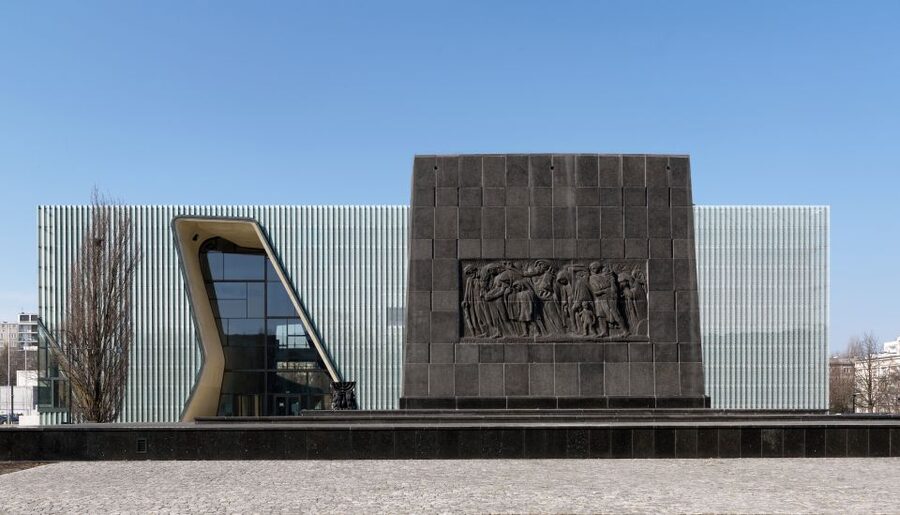
One underrated benefit: you can leave the museum to have lunch and return later the same day. That matters because this is not a quick museum. Even if you do it in 2 hours, you will still be in the “I want to recharge” zone afterwards.
The museum has a restaurant with cafeteria-style service, and it gets positive notes for quality and generous portions. The value here is that you can keep your day moving without eating a long-distance lunch somewhere else and then losing time.
My advice: eat mid-visit if you can. It helps you reset your attention before the next historical section.
Ticket Value at About $12: What You Get for the Money
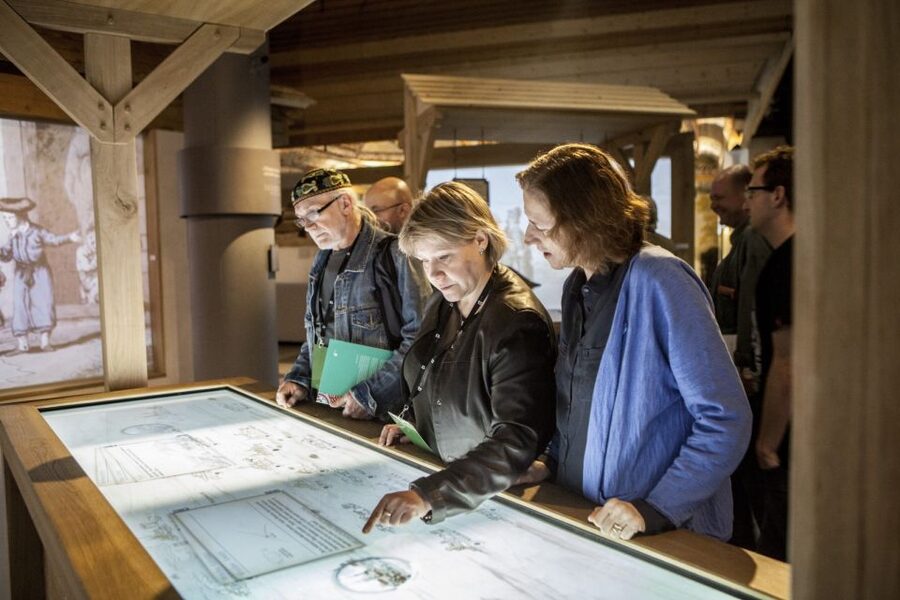
At $12 per person, POLIN is strong value because your ticket includes:
- Access to the permanent exhibition
- Access to the temporary exhibition if available
- An audio guide
That matters because you are not paying extra for the main interpretive system. The museum’s approach uses audio and interactive elements as part of the core experience, not as an optional add-on.
Also, the museum is world-class in design quality. You are paying for a lot more than a room full of panels. For many people, it becomes a central cultural stop in Warsaw because it adds context you cannot easily get elsewhere.
If you are already planning to visit Auschwitz Birkenau on another day, POLIN can also help you connect the broader story of Jewish life in Poland to the later events. It does not replace Auschwitz, but it can deepen what you understand about the world that existed before the destruction.
Who This Museum Is Best For (And Who Should Rethink)
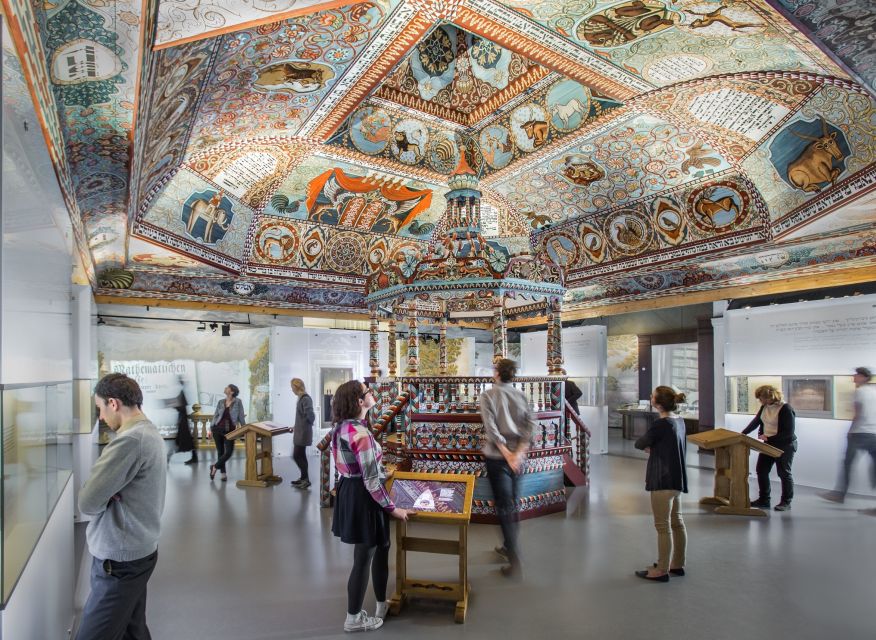
POLIN works well if you want history that is understandable but still serious. It’s also a good choice if you prefer museums that use storytelling, artifacts, and media rather than only speeches and timelines.
It’s especially fitting for:
- People interested in how communities live, adapt, and change over centuries
- Visitors who want the Holocaust to be framed in context, not as an isolated chapter
- Anyone who likes interactive museums with clear guidance through audio
If you want a light, quick stop, this may feel like too much. It is one-day, yes, but it is not a one-hour museum. You should go in with comfy shoes and realistic expectations about time and emotion.
Should You Book POLIN Museum in Warsaw?
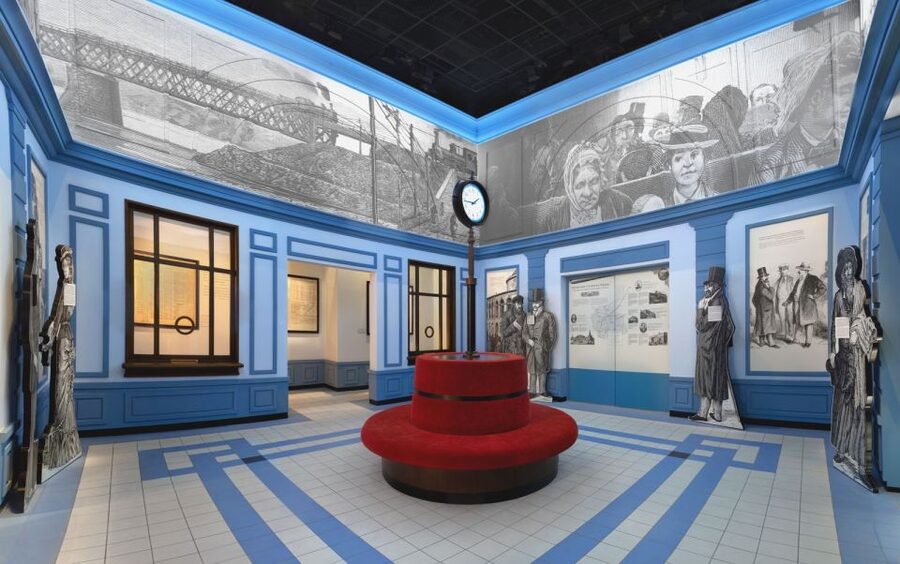
Yes, I think you should book POLIN if you can spare the time. At around $12, with a built-in audio guide and access to multiple exhibition formats, the value is strong. You also get a rare mix: the museum explains the long arc of Jewish life in Poland, then addresses the Holocaust and what followed, instead of ending with tragedy alone.
Book it especially if you want a museum stop that gives you structure and context, not just isolated facts. Just give yourself the hours. If you rush, you will miss what makes it work. If you take your time, you’ll walk out with a much clearer sense of Jewish history in Poland as a lived reality, not a distant abstraction.
FAQ
How long does the POLIN Museum visit take?
You should plan about 2 hours for the core exhibition. Many people choose to stay longer depending on how closely they want to read and use the interactive elements.
Is a guided tour included with the ticket?
No. Your ticket includes access to the exhibitions and an audio guide, but a guided tour is not included.
What does the ticket include?
The ticket includes access to the permanent exhibition, access to the temporary exhibition if available, and an audio guide.
What languages are available for the audio guide?
The audio guide is available in Polish and English.
Can I leave the museum for lunch and return the same day?
Yes. You can leave to have lunch and return later, as long as it’s still within the same day.
Are there any restrictions on luggage?
Oversize luggage is not allowed. Electronic scanning is required before entering the core exhibition.
Is the museum open every day?
No. The museum is closed on Tuesdays. Also, admittance is closed 2 hours before closing time.
More Historical Tours in Warsaw
- Warsaw: Warsaw Historical Group Tour with Pickup & Drop-Off
★ 4.6 · 233 reviews - Private Tour: Warsaw’s Jewish Heritage by Retro Fiat
★ 5.0 · 208 reviews - Private Historical Tour of Warsaw by a Retro Fiat with Pickup
★ 5.0 · 190 reviews - Warsaw: Jewish Heritage & Holocaust Walking Tour
★ 4.7 · 119 reviews
More Museums in Warsaw
- Daily live piano Chopin’s concerts at 6:30 pm in the Warsaw Archdiocese Museum
★ 4.5 · 25 reviews - From Warsaw: Lublin and Majdanek State Museum Day Tour
★ 4.8 · 21 reviews - Warsaw Uprising Museum (1944) : PRIVATE SERVICE /inc. Pick-up/
★ 4.5 · 18 reviews - Chopin Tour in Warsaw with Skip-the-line Museum & Concert
★ 4.9 · 18 reviews
Fresh listings from Warsaw
- Wolf’s Lair & Treblinka Tour in 1 day from Warsaw★ 5.0 · 37 reviews
- Tour from Warsaw: Wolf’s Lair, Hitler’s HQ Zones I and II★ 5.0 · 32 reviews
- Wolf’s Lair Private Day Trip from Warsaw★ 5.0 · 50 reviews
- Warsaw’s Old Town A Self-Guided Audio Tour★ 4.5 · 10 reviews
- Wilanow Royal Palace : SMALL GROUP /inc. Pick-up/★ 4.5 · 16 reviews
- Warsaw Must-See Local City Tour with Antek and Tomek★ 5.0 · 51 reviews
- Private 3-, 5-, or 7-Hour Warsaw Tour by Car★ 5.0 · 7 reviews
- Off the Beaten Track in Warsaw: Private City Tour★ 4.5 · 9 reviews
Museums, compared.
Auschwitz-Birkenau Museum and Memorial Guided Tour from Krakow
Read our review →


Krakow Schindler’s Factory Museum Guided Tour in English
Read our review →

Browse the lists this tour appears in