

Review · MUSEUMS
Krakow: Into the Darkness Exhibition with a Blind Guide
One hour of darkness rewires your senses. At WOMAI’s Into the Darkness in Krakow, you experience total darkness with a blind guide, learning how everyday life gets built from sound, touch, and smell. I like how practical and human it feels, but it is not a good fit if you are hearing-impaired.
A small group keeps the experience personal, not chaotic. WOMAI runs this one-hour exhibition in English from its Pawia 34 location, with an entrance you can access directly from the street, so you are not hunting around forever. Still, be ready for strict rules in the dark, including no electronic devices, and a no-light policy (including light-up shoes).
In This Review
- Key Things I’d Be Excited About
- Why Into the Darkness in Krakow Hits Different
- WOMAI Science and Senses Center: Going in With the Right Mindset
- Entering Total Darkness: The Guided Moment That Changes Your Thinking
- The Sensory Part: Sound, Texture, and Smell as Real Navigation
- The Guide Q&A: Where Technology and Everyday Tools Come In
- Rules in the Dark: Small Details That Make or Break the Experience
- Duration and Pace: How to Plan Your Hour in Krakow
- Price and Value: Is It Worth $10?
- Who This Is Best For (and Who Should Skip It)
- What to Do Before You Go (So You Feel Confident)
- The Takeaway: What You’ll Carry Out of the Dark
- Should You Book Into the Darkness at WOMAI?
- FAQ
- How long is the Into the Darkness exhibition?
- Where is the meeting point?
- Is the tour available in English?
- Is there a limit on group size?
- What items are not allowed during the tour?
- Do I need to arrive before the tour starts?
- Are children under 9 years old allowed?
- Is the experience suitable for people with mobility impairments?
- Is it suitable for hearing-impaired people?
- What is the price per person?
Key Things I’d Be Excited About

- Total darkness with a blind guide, so you learn by doing, not watching
- Small group size (limited to 8), which helps you feel supported
- Multiple senses (sound, texture, smell) get treated like important information
- Guided Q&A time, where you can ask about aids and real-world tech
- English-language narration, so you will stay oriented
- Strict no-light and no-device rules, which protect the experience for everyone
Why Into the Darkness in Krakow Hits Different
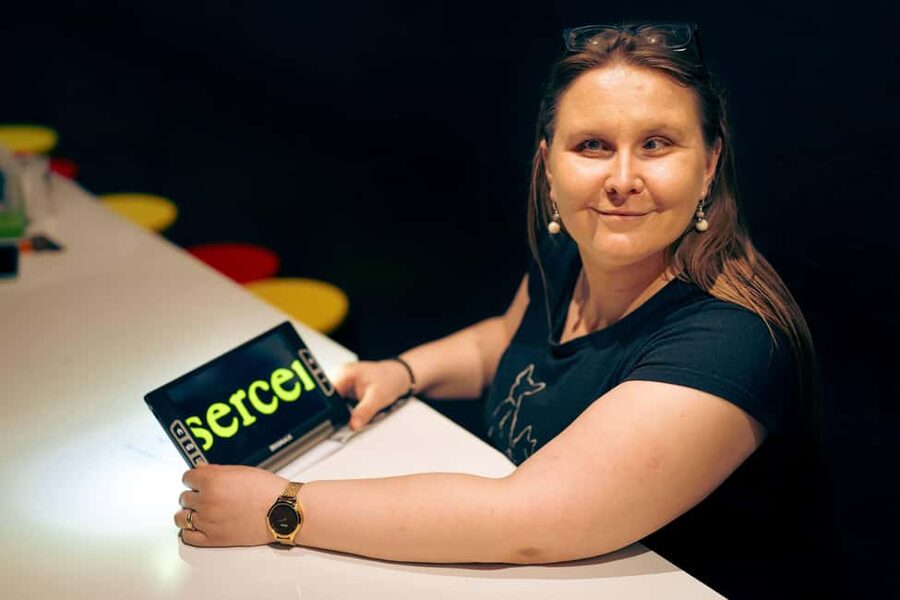
This is the kind of attraction that sounds simple, then quickly stops being simple. You are in a room where sight is removed on purpose, then a guide uses calm direction to help you figure out what is happening around you.
I like that the goal is not scary for the sake of scary. The focus is everyday empathy. You are not just trying to survive darkness, you are learning how people navigate a world that looks empty to you.
The other reason it works is the guide. In the reviews, guides such as Sylwia, Martyna, and Pawel are praised for kindness and a calm, pleasant way of leading. That tone matters, because your brain needs safety first, then curiosity can follow.
More Museum Tours in Krakow
- Auschwitz-Birkenau Museum and Memorial Guided Tour from Krakow
★ 4.5 · 1,510 reviews - Krakow: Rynek Underground Museum Guided Tour
★ 4.6 · 1,122 reviews - Krakow: City Card with Public Transport and Museums
★ 3.9 · 675 reviews
WOMAI Science and Senses Center: Going in With the Right Mindset
The experience starts at the WOMAI Science and Senses Center on Pawia 34. Plan to arrive early, because you need to be there at least 10 minutes before the scheduled start.
I recommend arriving with a clean mental checklist: no flash photography, no flashlights, and no electronics. Also skip backpacks and bags. The rules are not there to inconvenience you, they are there to keep the dark genuinely dark and the space genuinely shared.
If you want the best mental reset, treat the start as a switch. You are about to stop relying on your default sense, then let the others take the lead.
Entering Total Darkness: The Guided Moment That Changes Your Thinking
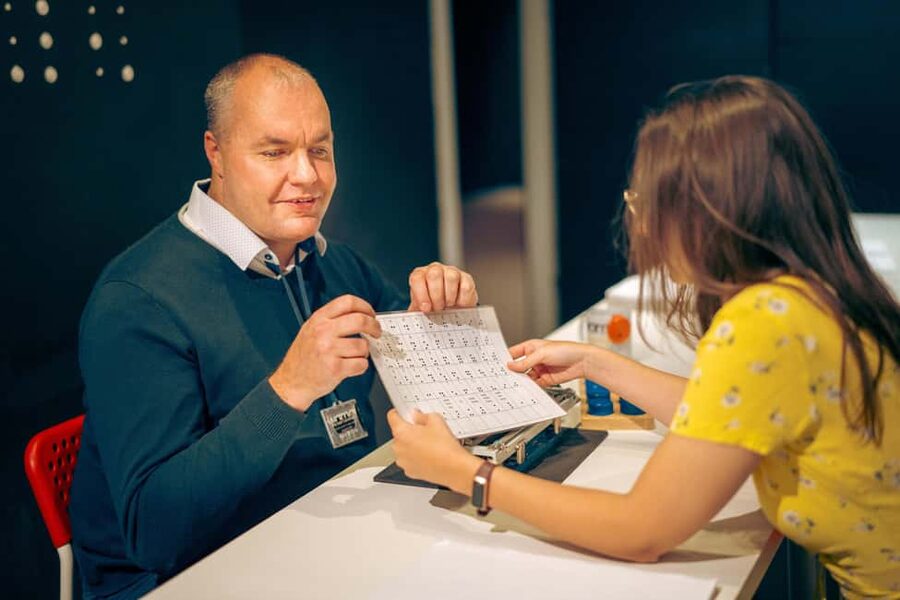
Once the tour begins, you move into the exhibition with your blind guide. This is where the experience becomes less like a museum and more like a guided sensory workshop.
What I love is that the guide is not just watching to make sure nothing goes wrong. The guide becomes your instruction layer. You will be learning what you should pay attention to, how to move carefully, and how to notice details without visual cues.
You will likely feel the time passing in a strange way. People repeatedly say the hour flies by, and it makes sense. When your senses are doing extra work, every minute feels packed.
Also, because it is a small group limited to 8 people, you get a more controlled pace. That matters in darkness, where confidence grows through repeated small successes rather than loud group scrambling.
The Sensory Part: Sound, Texture, and Smell as Real Navigation
Into the Darkness is designed around the idea that daily life is built on cues you do not notice when you can see. In the dark, those cues stop being background noise and become your main information stream.
Expect scenes where sound helps you track what is near, texture helps you orient yourself in space, and smell adds another layer of meaning. The exhibition asks you to test your senses and then compare your assumptions to what is actually there.
I like this approach because it is not vague. It is not telling you to feel empathy in a general way. It shows you what empathy looks like in practice, by forcing your attention to work differently.
In the reviews, people also highlight that there are a lot of different scenes and sensations to experience. That variety keeps the hour from becoming one long, repetitive moment of guessing.
A few more Krakow outings to weigh up
- Krakow Schindler’s Factory Museum Guided Tour in English
★ 4.5 · 650 reviews - Museum of illusions Entry Ticket
★ 4.5 · 521 reviews - Krakow: Auschwitz-Birkenau Tour & Museum Expert Guide
★ 5.0 · 498 reviews - Krakow: Kościuszko Mound Entry Ticket with Exhibitions
★ 4.4 · 399 reviews
The Guide Q&A: Where Technology and Everyday Tools Come In
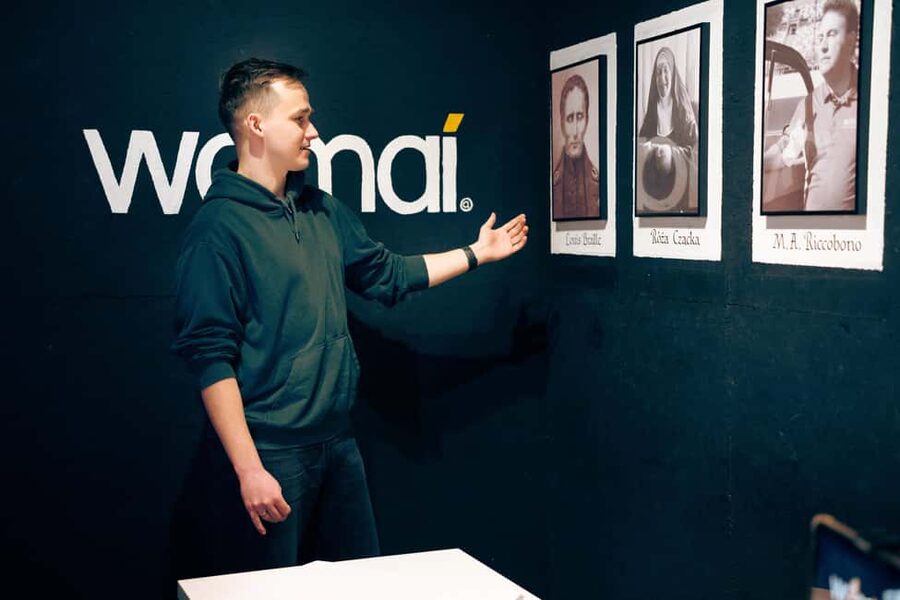
One of the best parts of this experience is that you can ask questions while you are there with the guide. This is not just a walk-through. It is also a chance to get real answers about practical aids for visual disabilities.
The information you can pick up includes accessories and technologies that help people who have visual impairments. Even if you think you already know the basics, you will probably come away with clearer ideas about what support looks like day to day.
I also appreciate how the guides are described as friendly and welcoming. Reviews mention people feeling free and looked after, including in moments like sitting down in the dark and talking. That combination of guidance plus conversation is what turns the experience from activity into education.
Rules in the Dark: Small Details That Make or Break the Experience
This exhibition comes with strict rules, and you should treat them as part of the experience design.
What you cannot bring or do includes:
- Flash photography
- Backpacks and bags
- Electronic devices
- Flashlight
You also should avoid light-up shoes or any light-emitting clothing or items. This is essential because even a small glow can ruin the darkness for everyone, including you. In other words, you are not just protecting the moment for yourself. You are protecting it for the whole group.
If you are the type who always carries a phone for photos or navigation, plan to leave it behind before you enter. If you show up hoping to use electronics as a comfort tool, you will be disappointed.
Duration and Pace: How to Plan Your Hour in Krakow
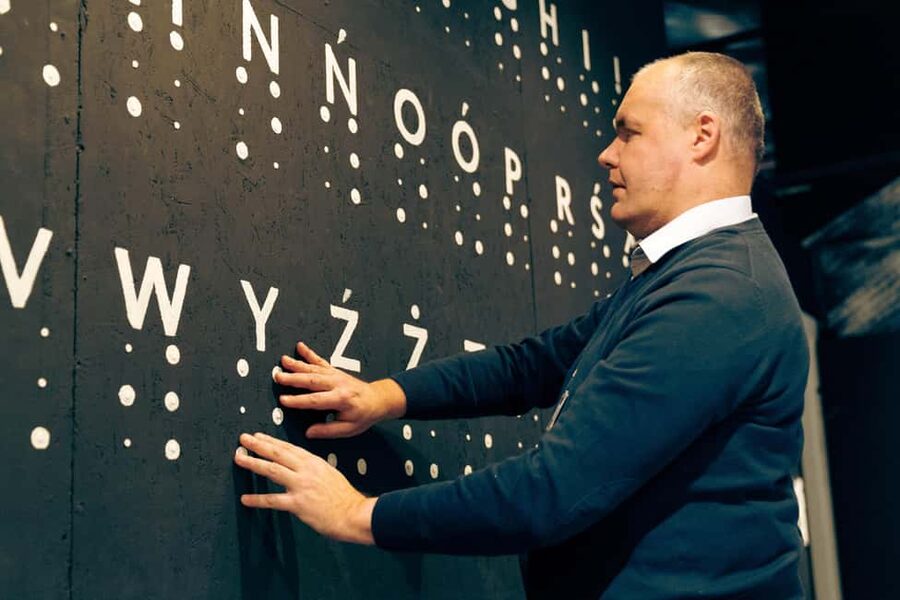
The tour lasts about 1 hour with a live guide. In a city like Krakow, that is a very manageable block, especially if you want something that feels active and memorable rather than purely sightseeing.
Because you should arrive at least 10 minutes early, give yourself some buffer time around Pawia 34. The center’s entrance is directly from the street, so it is not hidden, but you still want time to check in without rushing.
Also remember: no flash photography and no devices means you will not be multitasking. This is a full-attention activity, which is part of why it sticks with people.
Price and Value: Is It Worth $10?
At around $10 per person, this is strong value for a one-hour, high-impact experience. You are paying for more than entry. You are paying for the guided sensory transformation and the educational component, including time to ask questions about accessories and technologies.
In simple terms, you get:
- A full, guided hour in total darkness
- A blind guide you can interact with
- A small group setting that helps you feel supported
- English narration
- A chance to learn what helps in everyday navigation
I would call it one of the more affordable “life lesson” style experiences in Krakow, because it does not require travel time across town or a complicated itinerary. You show up, follow the rules, and let the hour do its work.
Who This Is Best For (and Who Should Skip It)
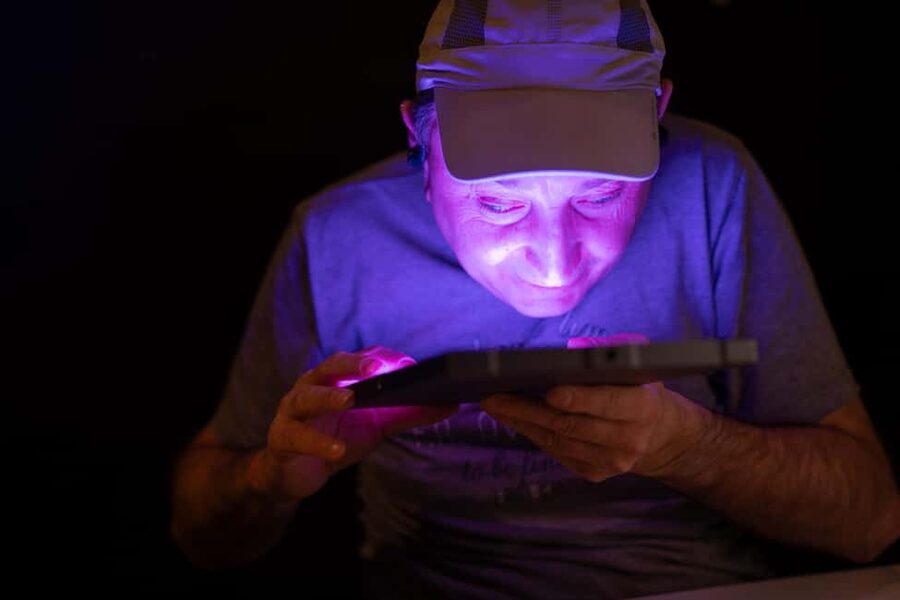
This experience is best for you if you like hands-on learning and you want to reframe what you think you know about sight and independence. It is also a good choice if you enjoy asking questions and learning from real expertise, since the guide is there for live explanation.
It may not be suitable if:
- You are under 9 years old
- You have mobility impairments
- You are hearing-impaired
Those limitations are not small footnotes. They are part of how the exhibition stays safe and effective for the participants who can best benefit from it.
If you are sensitive to environments that change your normal behavior and attention, this is something to think through. You will be in total darkness and you should be comfortable letting go of visual control for a full hour.
What to Do Before You Go (So You Feel Confident)
To get the best experience, I suggest you do a quick prep checklist:
- Wear clothing without light-emitting details
- Leave bags and extra items behind
- Plan to go without electronics inside
- Expect to be guided step-by-step and follow directions carefully
Also, mentally switch from photographer mode to learner mode. No flash photography is required, and the dark is not a place for screen-based distractions. You will enjoy it more if you treat it like a sensory lesson, not a photo challenge.
Finally, arrive early. That 10-minute buffer helps you settle in, especially in a short, one-hour format.
The Takeaway: What You’ll Carry Out of the Dark
When you leave, you should expect unforgettable impressions and new knowledge. The point is not to make you feel guilty or sentimental. It is to make you notice how your senses collaborate every day.
I find that this kind of experience changes how you interpret ordinary spaces later. You start thinking about sound cues, surface textures, and how strong smell can be as a locator. Even if you never think about visual disability before, you begin to see how much information you normally borrow from your eyes.
And because the guides are praised for kindness and calm explanations, you leave with understanding rather than confusion. That balance matters.
Should You Book Into the Darkness at WOMAI?
If you want a memorable Krakow experience that is short, focused, and unusually meaningful, I would book it. The $10 price is reasonable for a guided one-hour activity that uses multiple senses and includes a chance to ask questions about assistive technologies.
I would skip it if you are hearing-impaired, have mobility impairments, or are traveling with children under 9. And if you hate strict rules or you need a phone for comfort, this exhibition may feel frustrating because it bans electronics and anything that emits light.
If you do fit the requirements, this is the kind of experience that makes you look at the world differently for days, not just hours.
FAQ
How long is the Into the Darkness exhibition?
The guided tour lasts 1 hour.
Where is the meeting point?
You meet at Pawia 34 at the WOMAI Science and Senses Center, with entrance directly from the street.
Is the tour available in English?
Yes, the live tour guide speaks English.
Is there a limit on group size?
Yes. The experience is limited to 8 participants in a small group.
What items are not allowed during the tour?
Flash photography, backpacks, bags, electronic devices, and flashlights are not allowed.
Do I need to arrive before the tour starts?
Yes. You are required to arrive at least 10 minutes before the scheduled start.
Are children under 9 years old allowed?
No. It is not suitable for children under 9 years.
Is the experience suitable for people with mobility impairments?
No. It is not suitable for people with mobility impairments.
Is it suitable for hearing-impaired people?
No. It is not suitable for hearing-impaired people.
What is the price per person?
The price is $10 per person.
Fresh listings from Krakow
- Zakopane & Gubalowka Funicular – Private Winter Tour from Krakow★ 5.0 · 10 reviews
- ZALIPIE – painted village, unique PRIVATE tour from Krakow★ 5.0 · 20 reviews
- stag dog chase Krakow prank★ 5.0 · 4 reviews
- Full-Day Zalipie Painted Village Guided Tour★ 4.0 · 3 reviews
- Sleigh Ride & Bonfire in Zakopane with Funicular – Private Trip★ 5.0 · 48 reviews
- ZALIPIE – painted village, unique small group tour from Krakow★ 5.0 · 7 reviews
- Zakopane PRIVATE TOUR from Krakow★ 5.0 · 18 reviews
- Zakopane Funicular Hill & Thermal Springs regular tour★ 5.0 · 9 reviews
Museums, compared.
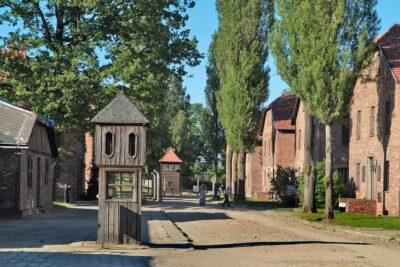
Auschwitz-Birkenau Museum and Memorial Guided Tour from Krakow
Read our review →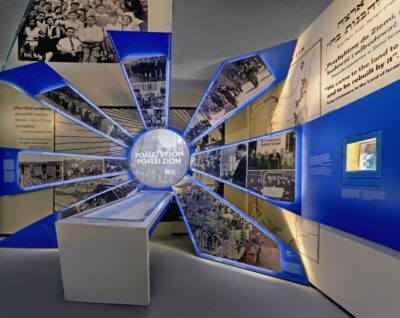
POLIN Museum of the History of Polish Jews Ticket
Read our review →



Krakow Schindler’s Factory Museum Guided Tour in English
Read our review →
Browse the lists this tour appears in