
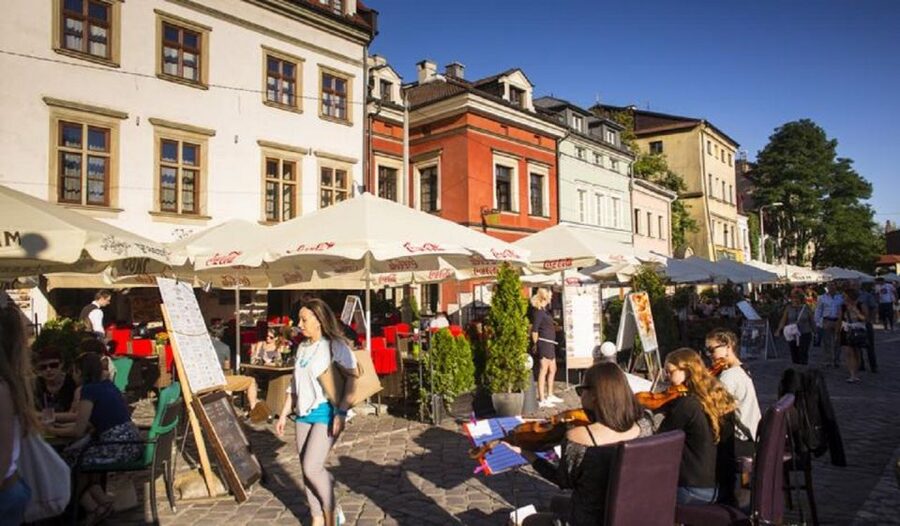
Review · JEWISH HERITAGE TOURS
Krakow: Kazimierz Jewish District Private Guided Tour
Krakow’s Jewish quarter tells stories in street form. This private, 4-hour guided walk through Kazimierz, a UNESCO World Heritage Site, connects Jewish monuments with the places used for Schindler’s List, so you see the neighborhood as one living map. I especially like the focus on key landmarks along Szeroka Street, and the way the route weaves together synagogues, cemeteries, and museum stops, rather than treating them like checkboxes. A practical heads-up: food and drinks are not included, so you’ll want to plan a small snack or plan your day around it.
What makes it easier is the format. You meet your guide at the Jewish Cultural Center, and you get a private group tour with a guide who can explain in multiple languages, including English, Spanish, German, French, Italian, Portuguese, Russian, and Polish. The pacing is designed for walking, and it’s also wheelchair accessible, so you can focus on the places rather than the logistics.
In This Review
- Key things that make this Kazimierz tour worth your time
- Starting at the Jewish Cultural Center, with your guide ready to lead
- Kazimierz on foot: Szeroka Street and the old quarter feel
- The synagogue route: seven main synagogues and Europe’s largest complex
- Remu Synagogue, the old cemetery area, and the Jewish Museum stop
- Where the ghetto wall remnants are, and what the guide helps you understand
- Schindler’s List locations: the movie corners you will actually find
- Kirkuts and cemeteries: why these quieter stops matter
- How long it takes, what to wear, and how to make the most of the 4 hours
- Price and value: why this $16 per person rate can be a smart deal
- Who this private Kazimierz tour is best for
- Should you book this Kazimierz private guided tour?
- FAQ
- Where is the meeting point for this tour?
- How long is the Kazimierz Jewish District private guided tour?
- What languages does the live guide speak?
- Is the tour wheelchair accessible?
- What is included in the price?
- Are food and drinks included?
- Can I cancel for a full refund?
Key things that make this Kazimierz tour worth your time
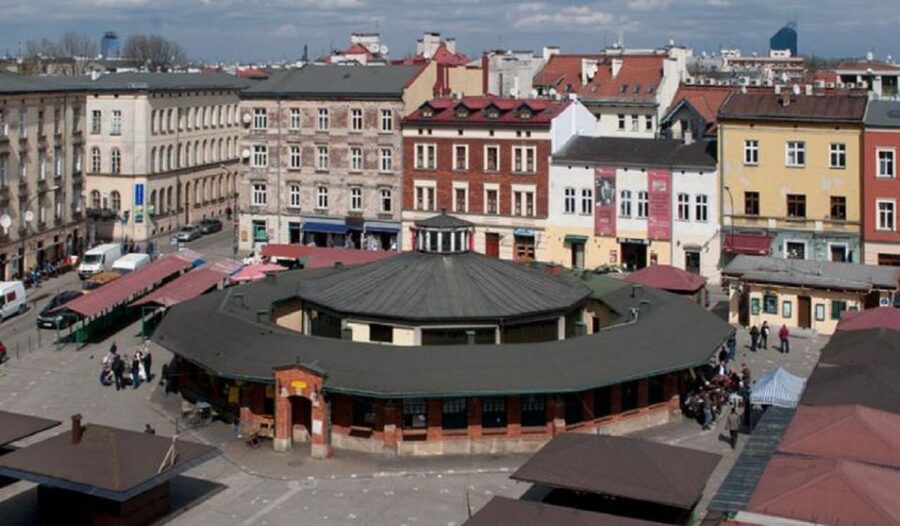
- Private guide at the Jewish Cultural Center, with your name ready on a sign
- Seven main synagogues, including the largest synagogue complex in Europe
- Szeroka Street in the old Jewish quarter, so you feel the neighborhood shape, not just isolated sites
- Ghetto wall remnants, with clear Holocaust context
- Kirkuts (Jewish cemeteries) and historic cemetery areas that change how you understand the community
- Schindler’s List locations, plus lesser-known movie-famous spots the guide points out
Starting at the Jewish Cultural Center, with your guide ready to lead
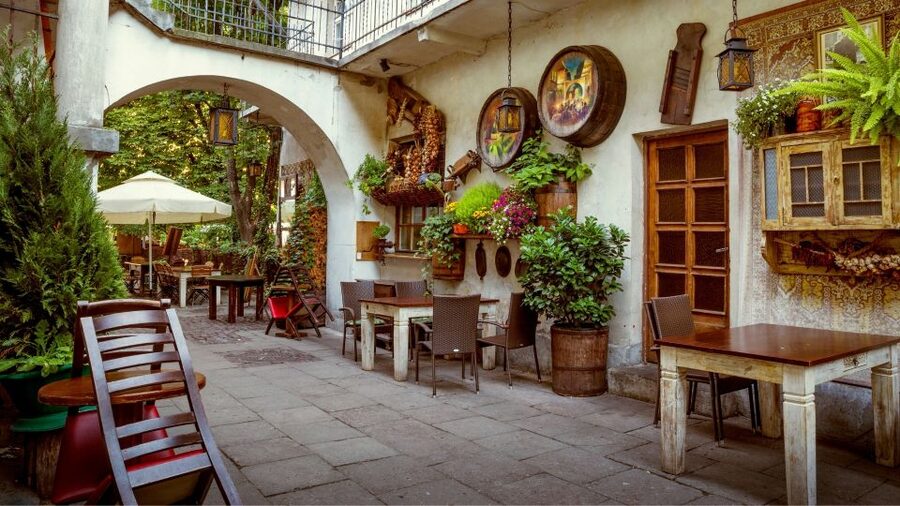
The tour begins where you can actually get oriented: the Jewish Cultural Center, with your guide holding a sign showing your name. That small detail matters more than you might think. In Kazimierz, the streets can feel like a maze, so having someone lead you from the start helps you get your bearings fast.
I like that this tour is designed around a guide, not a self-guided route. You’re not just looking at buildings, you’re learning how the area worked as Jewish community space in different periods. In practice, that means your guide can connect what you’re seeing right now to what came before and what changed after the war.
If you care about language comfort, you’ll be glad it’s offered in many languages, including English and Spanish, and also French, Italian, Portuguese, German, Russian, and Polish. When the guide can match your language, the facts land faster and the emotional weight hits with more clarity.
More Jewish Heritage Tours in Krakow
- Krakow: Schindler’s Factory & Ghetto Guided Tour
★ 4.7 · 1,694 reviews - Krakow: Jewish Quarter and Former Ghetto Tour
★ 4.9 · 1,441 reviews - Krakow: Bike Tour of Old Town, Jewish Quarter and the Ghetto
★ 4.9 · 1,155 reviews
Kazimierz on foot: Szeroka Street and the old quarter feel
Your time in Kazimierz is built around walking. The big idea is simple: you follow the footsteps of Polish Jews and trace the path of Jewish monuments through the neighborhood streets. That approach turns the district into a coherent story, because the sights are close enough to connect visually.
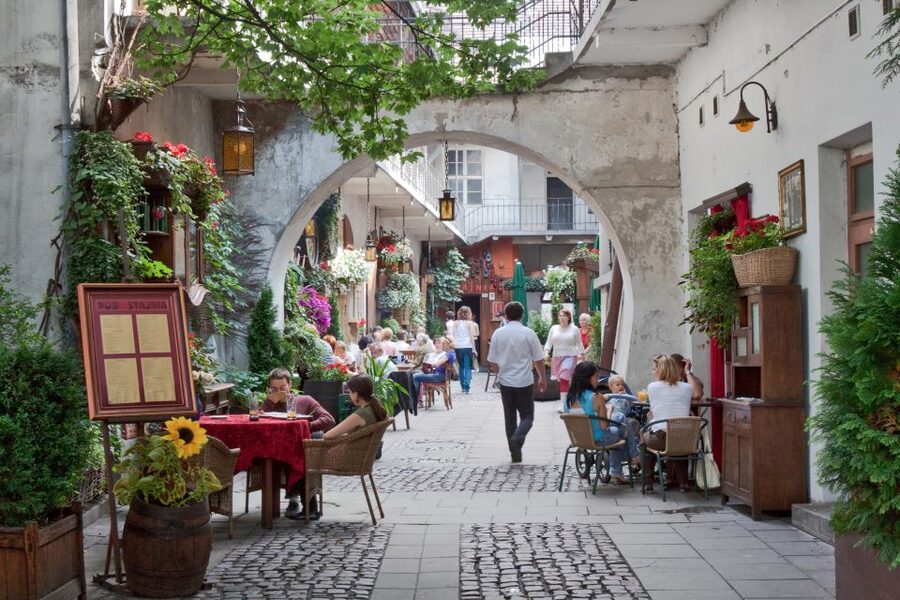
Szeroka Street is the center of that feeling. It’s where the old Jewish quarter vibe shows up in architecture, street rhythm, and the way the area pulls you into its history. Your guide uses it as more than a landmark. You learn what this quarter meant to daily life, not only what it meant during the Holocaust era.
One reason I recommend doing this on a guided schedule is that the neighborhood has layers. Without context, it’s easy to treat synagogues and cemeteries as isolated stops. With a guide, you understand why these sites cluster where they do, how the community shaped the streets, and why some places feel quieter or heavier than others.
The synagogue route: seven main synagogues and Europe’s largest complex
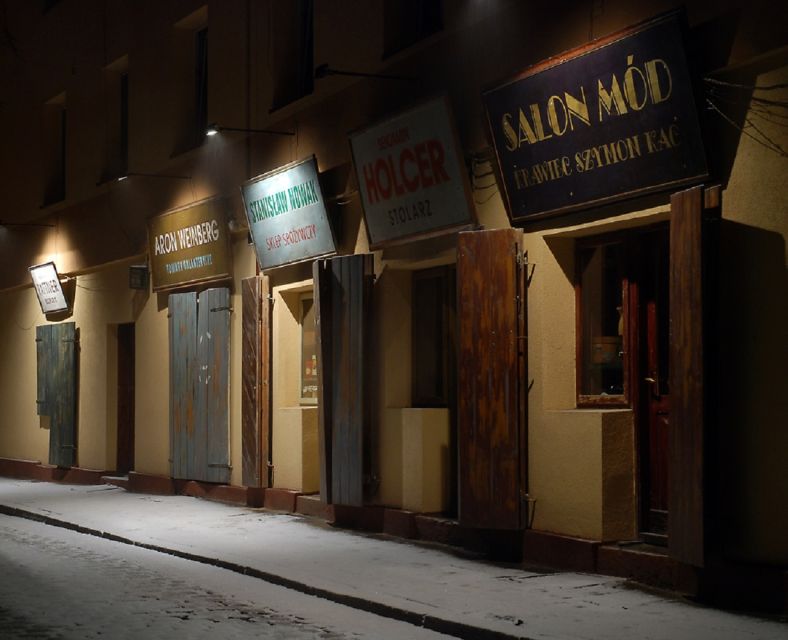
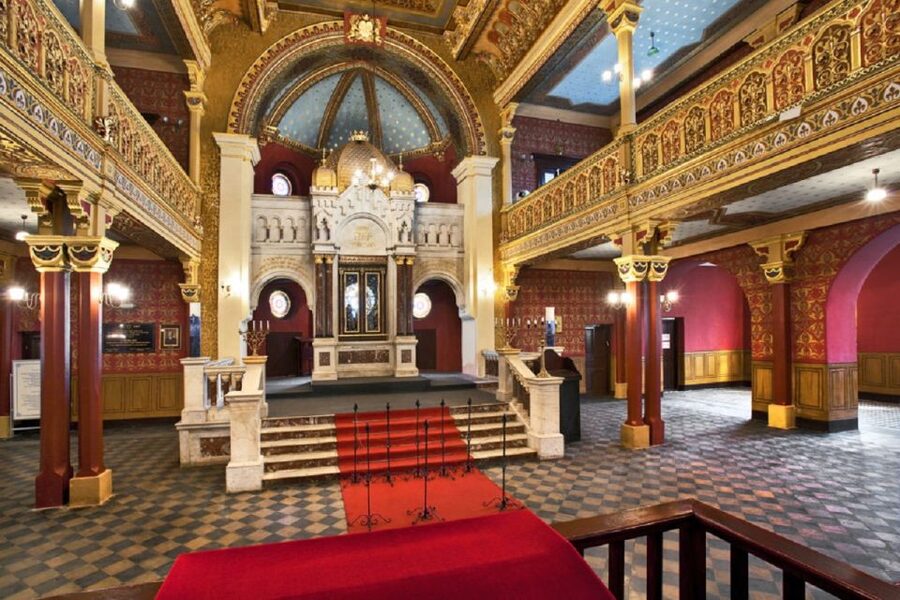
A core highlight is seeing the synagogue circuit, with attention to the seven main synagogues in the area. This is a key reason the tour feels substantial for a half-day block. Synagogues are not just religious buildings here. They’re markers of community identity, different eras of development, and shifting realities over time.
One of the biggest draws is the chance to admire the largest synagogue complex in Europe. Even if you’ve seen synagogues elsewhere, this complex carries a different sense of scale and significance. Your guide helps you understand what makes it stand out, and why it mattered to local Jewish life.
Here’s how to think about this section: the guide doesn’t just point out facades. You’re learning how synagogue life fit into community structure, and how that structure changed through the 20th century. That context helps you notice details you might otherwise miss, like how buildings relate to surrounding streets and how the district’s layout supports community gathering.
Practical note: this part can involve steady walking. Wear comfortable shoes, and keep an eye on the weather, since Kazimierz outdoor streets are part of the experience.
Remu Synagogue, the old cemetery area, and the Jewish Museum stop
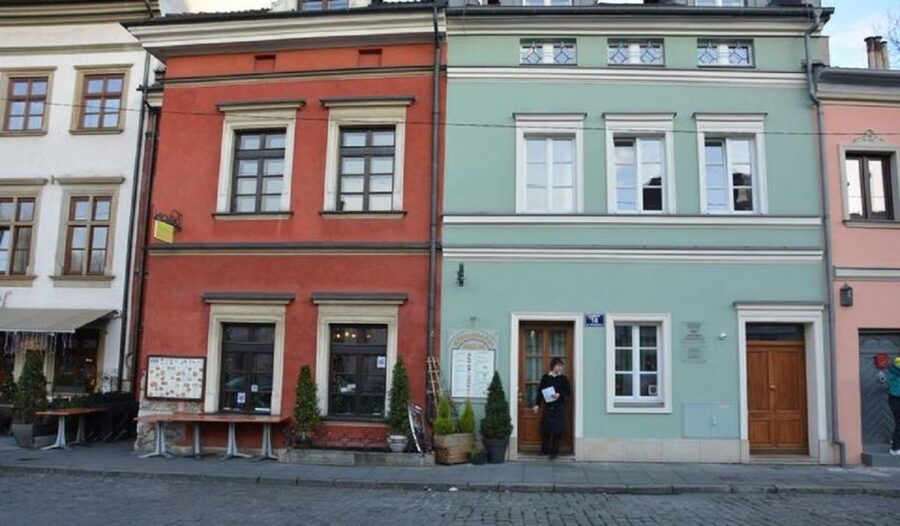
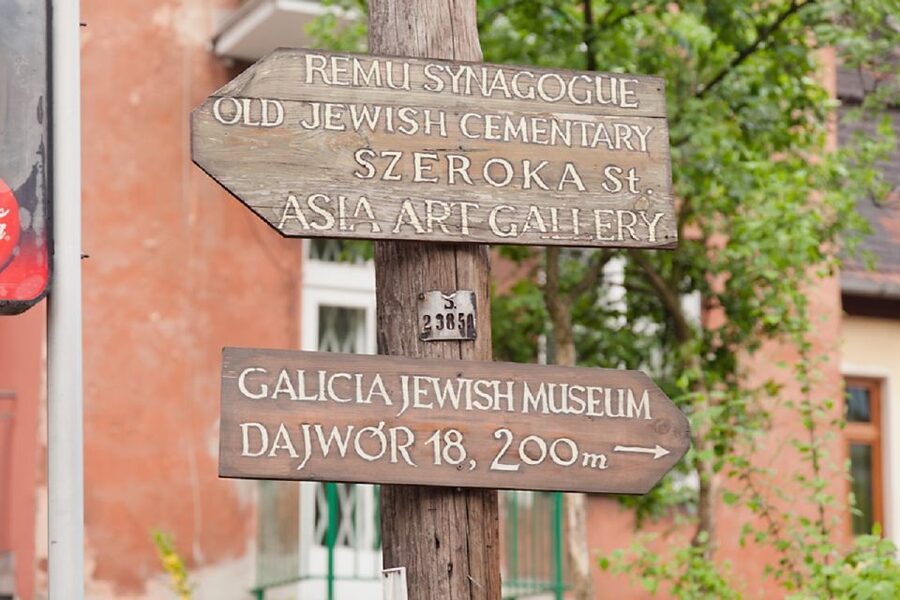
One of the most meaningful parts is the focus on the Remu Synagogue, paired with the adjoining old cemetery area, and the Jewish Museum in the former Old Synagogue. If you want a stop that changes how you feel about the district, this is it.
The Remu Synagogue connection matters because it pulls you from public religious architecture into a more grounded sense of continuity. Then the adjacent cemetery brings an even heavier perspective. Cemeteries can feel quiet, but in a tour context, they become a way to understand community presence across time.
The Jewish Museum stop in the former Old Synagogue adds another layer. Instead of only seeing monuments, you get a guided interpretation of Jewish history and what happened before, during, and after the war. That structure is valuable. It helps you avoid the common problem of knowing the Holocaust as a standalone event, without understanding what came before it, and how the community’s character shifted afterward.
If you like learning by contrast, this sequence is strong: synagogue space to cemetery memory to museum interpretation. It keeps the story from staying purely architectural.
More Jewish heritage walks in Krakow:
- Krakow: Kazimierz Jewish Quarter Walking Tour
★ 4.8 · 571 reviews - Krakow: Kazimierz, Schindler’s Factory & Ghetto Guided Tour
★ 4.8 · 460 reviews - Full Bike Tour – the Old Town, Jewish Qtr & the Ghetto NEW BIKES
★ 5.0 · 437 reviews - Krakow: Jewish Ghetto Walking Tour
★ 4.6 · 349 reviews
Where the ghetto wall remnants are, and what the guide helps you understand
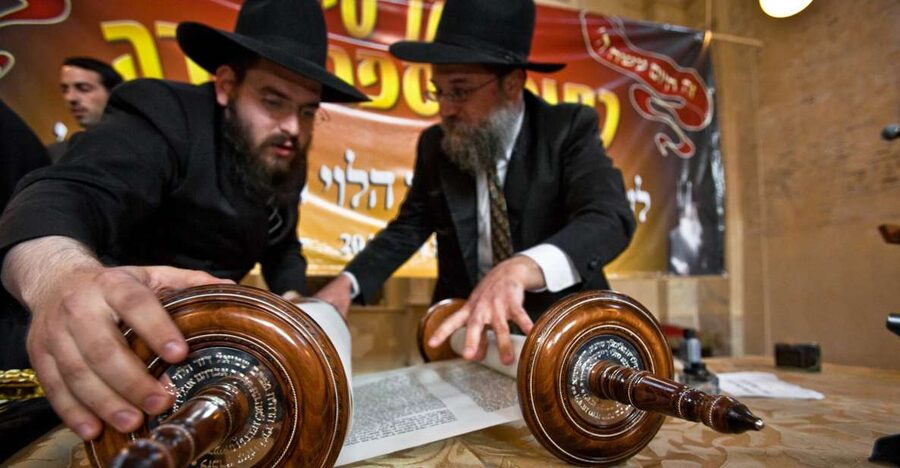
A difficult but essential part of the tour is seeing remains of the ghetto walls and learning about the history of the Holocaust. This is not a background detail. It’s part of understanding what Kazimierz looked like under persecution, and why certain neighborhoods became confined spaces.
A good guide makes the difference here. You want someone who can connect the physical remains to real human experiences, without turning the topic into vague tragedy talk. The tour’s approach is meant to give you context, so the street corners and wall remnants don’t stay abstract.
My advice: give yourself a little breathing room during this section. If you tend to process heavy history in bursts, you might feel the emotional weight more strongly here than at the synagogue stops. That’s normal. The tour’s time frame is short, but the guidance helps you move through it with understanding.
Schindler’s List locations: the movie corners you will actually find
Kazimierz is closely tied to Schindler’s List, and the tour includes Schindler’s List filming locations. You also get hidden places made famous by the film, pointed out by the guide rather than discovered randomly.
This is one of those experiences where context is everything. If you’re only chasing film trivia, the district can feel like a set. With the guide, the film locations become entry points into real neighborhood geography and real historical meaning.
I like how the movie connection works here. It’s a hook, sure, but it doesn’t replace the main story. Instead, it leads you to street-level details in Kazimierz and encourages you to look harder at what you’re walking past.
If you’re a film fan, expect a few moments where you suddenly recognize corners and street alignments. If you’re not, it still works, because the guide frames the area in human terms rather than treating the movie as the destination.
Kirkuts and cemeteries: why these quieter stops matter
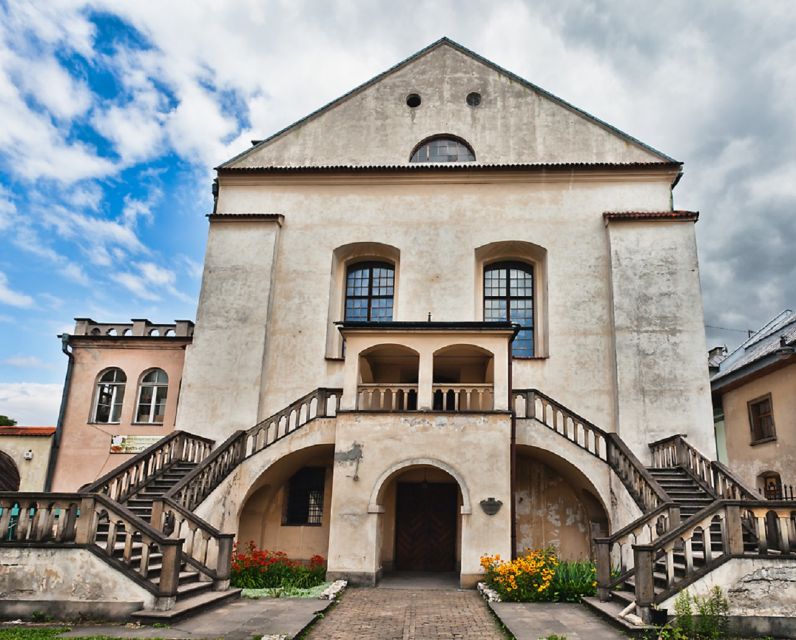
Along the way, you’ll encounter Kirkuts, Jewish cemeteries that helped shape the district’s sense of place. Cemeteries are not always the first thing people think to prioritize, but here they’re part of the narrative plan.
What makes them important on a guided tour is interpretation. Your guide explains what the Jewish community was like in the past, what was happening during the war, and what is happening today, plus what the future holds. Cemeteries fit perfectly into that storyline because they represent continuity, loss, memory, and the way communities keep their identity over time.
This section can also be the most restorative break from the more public sites. It’s a different kind of quiet. If you’re the type who wants to understand history beyond plaques, these stops can hit in a more personal way.
How long it takes, what to wear, and how to make the most of the 4 hours
The tour is scheduled for 4 hours, and it’s private, so your guide can adjust to your pace and preferences. That matters in Kazimierz, because some people want more time on museum context, while others want extra time for synagogues or walking the street segments.
You’ll want to bring comfortable shoes for uneven cobblestones and long standing. Add weather-appropriate clothing, because the walking outdoors is part of the design. There’s a simple logic here: if you’re comfortable, you’ll stay more present during the emotionally intense sections.
Also, since food and drinks are not included, I recommend planning for a pre-tour snack if you’re sensitive to long gaps. If you need a restroom stop, factor that into your own pacing. A private guide can often help with practical sense-making, but it’s still your day and your body.
Price and value: why this $16 per person rate can be a smart deal
At $16 per person, this is priced to feel reachable, especially for a private guided tour format. The value comes from what you get for the time: a structured route that covers major synagogues, cemetery areas, ghetto wall remnants, and Schindler’s List locations, all with guided interpretation.
Many tours at a similar price force you into either a broad overview or a crowded group format. Here, the private group approach keeps the experience grounded. You’re paying for guidance that helps you connect what you’re seeing, not just access to monuments.
For budgeting, treat this like the backbone of your Kazimierz day. You’ll still want to spend extra on your own meals and drinks elsewhere, but you’re getting the core context and route planning in the 4-hour window.
Who this private Kazimierz tour is best for
This tour is especially good for you if:
- You want a focused half-day walking route through Kazimierz, without spending time researching every stop.
- You want context for Holocaust-era sites, ghetto wall remnants, and what happened before and after the war.
- You like combining architecture and storytelling, rather than only taking photos.
- You want Schindler’s List filming locations explained in place, with local meaning attached.
It’s also a strong pick if you’re traveling in a small group and want flexibility. Private guide format often means fewer waiting moments, and more opportunity to ask questions that matter to you.
If you’re someone who dislikes walking, you might find parts of the route a bit active. The tour is wheelchair accessible, but the experience still includes significant outdoor walking.
Should you book this Kazimierz private guided tour?
If you want Kazimierz to make sense, I’d book it. The best reason is how the tour links the physical neighborhood to a guided story: synagogues, cemetery sites, museum interpretation, ghetto wall remnants, and Schindler’s List locations all work together as one route.
Choose this tour rather than a quick self-walk if you care about understanding. The guide approach is what turns sites into meaning, especially at heavier stops where context matters.
Just go in with the practical mindset that food and drinks are not included. Wear comfortable shoes, plan your timing, and treat the 4 hours as a focused introduction that will make the rest of your Kazimierz exploring more enjoyable.
FAQ
Where is the meeting point for this tour?
You’ll meet at the Jewish Cultural Center. Your guide will be waiting with a sign showing your name.
How long is the Kazimierz Jewish District private guided tour?
The tour runs for 4 hours.
What languages does the live guide speak?
The tour offers guides in French, Italian, Portuguese, English, Spanish, German, Russian, and Polish.
Is the tour wheelchair accessible?
Yes, the tour is wheelchair accessible.
What is included in the price?
The price includes a guide for 4 hours.
Are food and drinks included?
No. Food and drinks are not included.
Can I cancel for a full refund?
Yes, you can cancel up to 24 hours in advance for a full refund.
Fresh listings from Krakow
- Zakopane & Gubalowka Funicular – Private Winter Tour from Krakow★ 5.0 · 10 reviews
- ZALIPIE – painted village, unique PRIVATE tour from Krakow★ 5.0 · 20 reviews
- stag dog chase Krakow prank★ 5.0 · 4 reviews
- ZALIPIE – painted village, unique small group tour from Krakow★ 5.0 · 7 reviews
- Full-Day Zalipie Painted Village Guided Tour★ 4.0 · 3 reviews
- Sleigh Ride & Bonfire in Zakopane with Funicular – Private Trip★ 5.0 · 48 reviews
- Zakopane PRIVATE TOUR from Krakow★ 5.0 · 18 reviews
- Zakopane Funicular Hill & Thermal Springs regular tour★ 5.0 · 9 reviews
Jewish Heritage Tours, compared.
Bike Tour of Old Town, Jewish Quarter and the Ghetto
Read our review →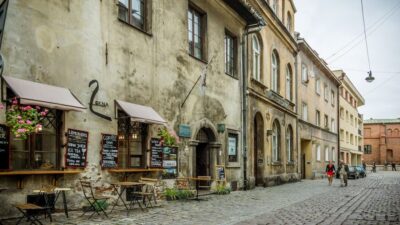
Kazimierz, Schindler’s Factory & Ghetto Guided Tour
Read our review →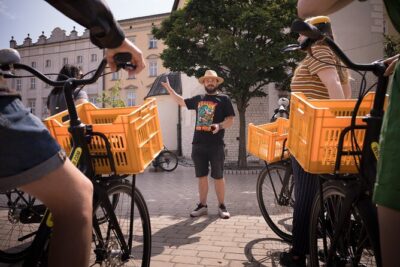
Full Bike Tour – the Old Town, Jewish Qtr & the Ghetto NEW BIKES
Read our review →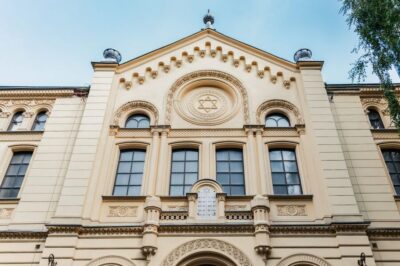
Warsaw Ghetto Private Walking Tour with Hotel Pickup
Read our review →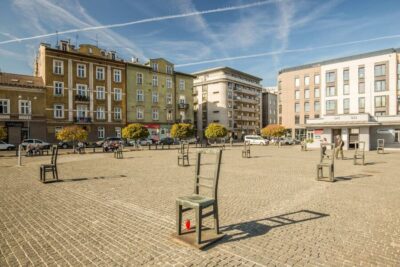
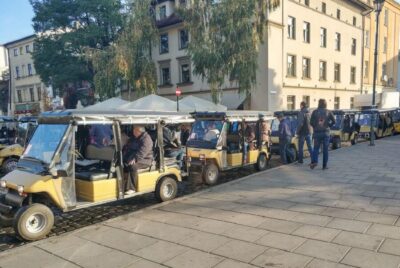
Jewish Quarter and Ghetto Electric Golf Cart Tour
Read our review →Browse the lists this tour appears in