
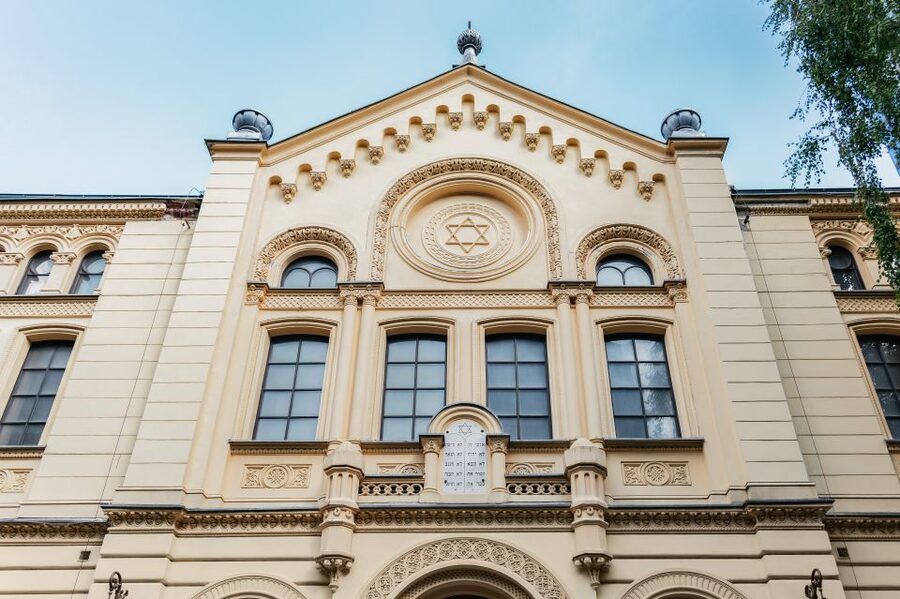
Review · JEWISH HERITAGE TOURS
Warsaw: Warsaw Ghetto Private Walking Tour with Hotel Pickup
Warsaw tells its hardest story on foot. This private 3-hour tour follows how the Nazis created and liquidated the largest ghetto in Europe, using the city itself as the timeline.
I love the real places you stand on, from the ghetto’s last street to fragments of the walls. I also love how the guide brings the story to life with maps and old photos that help you match what you see now to what stood there during the war.
One drawback to plan around is the synagogue entrance fee, which is not included, plus the topic is intense. Also, the tour is not suitable for children under 14 or for people with mobility impairments.
In This Review
- Key things to notice before you go
- Meeting Prozna Street, then stepping into the ghetto geography
- 1940 to liquidation: how the story unfolds block by block
- The mechanics of the final solution, explained in plain street-level terms
- Umschlagplatz: the collection point with heavy symbolism
- Last street and surviving wall fragments: seeing what’s left
- The one synagogue that survived, and why it still matters
- Warsaw Ghetto Uprising: why people took up arms
- How your guide shapes the tour (Marzena is a common standout)
- Price and value: $84 for a private, high-context experience
- What to bring and how to prepare for a respectful visit
- Who should book this tour?
- Should you book this Warsaw Ghetto private walking tour?
- FAQ
- Where does the tour meet?
- How long is the tour?
- Is hotel pickup included?
- What languages are the tours offered in?
- Does the tour include the synagogue visit?
- Is the synagogue entrance fee included?
- How much does the tour cost?
- What should I bring?
- Is luggage allowed?
- Who is the tour not suitable for?
- What is the cancellation policy?
Key things to notice before you go
- Prozna st. meeting point clarity: Meet at Prozna st. 9, between Bistro Charlotte Menora and Strefa Restaurant, and look for the PolinTours sign.
- Hotel pickup option: Pickup is optional, and the tour includes car transport as part of the experience.
- Stop-by-stop ghetto reconstruction: You’ll connect everyday ghetto life to the machinery of destruction.
- Umschlagplatz symbolism: The collection point is treated as a key turning point, not just a landmark.
- Surviving synagogue visit: You’ll see the synagogue in Warsaw that survived WWII and is still in operation.
- Uprising framing: The 1943 Warsaw Ghetto Uprising is presented in its full, human stakes, including why people took up arms.
Meeting Prozna Street, then stepping into the ghetto geography
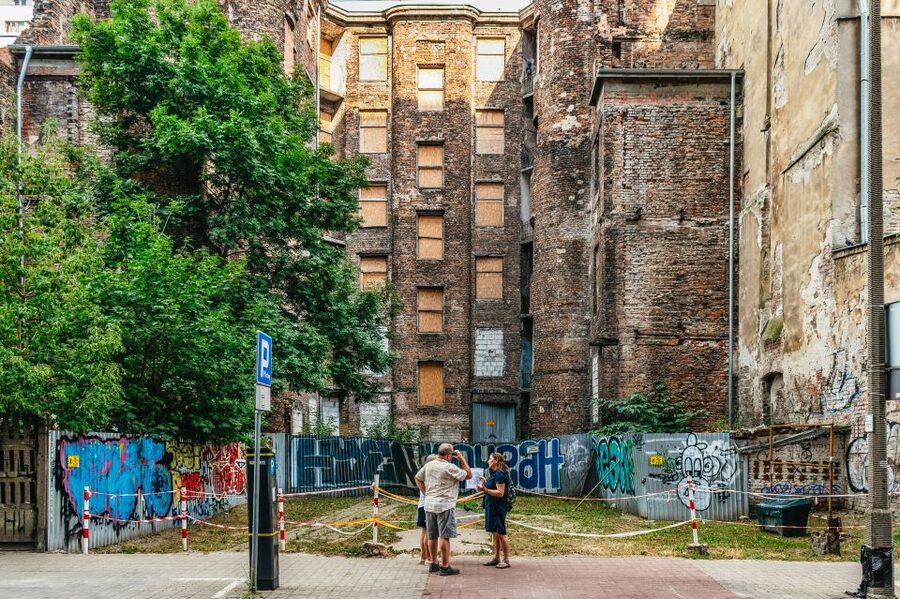
Your tour starts at Prozna st. 9, between Bistro Charlotte Menora and Strefa Restaurant. You’re looking for your guide holding a PolinTours sign, which is a small thing, but it matters in a city where the most important details can be the easiest to miss.
From the start, the tour uses the streets like a map you can feel. You are not just hearing a timeline. You’re walking through the places where the Nazis’ plans moved from paper into reality. That’s what makes the experience land: the city stops being background and starts being evidence.
Because it’s a private group and the tour runs about 3 hours, your guide can slow down when you need clarity and speed up when you’re ready. It also helps that the guide speaks English or German, so you can follow the nuance without strain.
More Jewish Heritage Tours in Warsaw
- Warsaw: Jewish History Guided Walking Tour in English
★ 4.7 · 324 reviews - Private Tour: Warsaw’s Jewish Heritage by Retro Fiat
★ 5.0 · 208 reviews - Warsaw: Ghetto, Jewish Cemetery & POLIN Museum Private Tour
★ 4.8 · 132 reviews
1940 to liquidation: how the story unfolds block by block
The core of the tour is the rise and fall of the Warsaw Ghetto. In 1940, the Nazis established the ghetto in the heart of Warsaw. The numbers are hard to process, even when someone explains them clearly: over 400,000 Jews were crammed into about 4 square kilometers.
What I appreciate is how the tour frames what that meant day to day. You hear how hunger, exhaustion, and disease killed tens of thousands inside the ghetto, and how Treblinka became part of the broader extermination plan. Then the guide connects the dots to why liquidation was not a single event, but a sustained process.
This is where the walking helps. Even when buildings have changed, you get a sense of the ghetto’s pressure points: where people were forced to live close together, where control tightened, and where movement became dangerous. It’s the difference between reading history and watching it take shape in space.
The mechanics of the final solution, explained in plain street-level terms
The tour doesn’t treat the Nazis as a vague evil cloud. It explains the “logic” behind destruction as something planned, administered, and executed. You’ll hear how the plan for the final solution was put into practice, and how that process shaped both victims and the people around them.
That explanation is valuable because it answers the question most visitors feel: How did such brutality become system? When you see the route of deportation-related sites and understand what they represented, the story becomes less abstract.
You’ll also cover how the ghetto’s existence fit into a broader strategy. Before WWII, Warsaw had the second largest Jewish community in the world city context, making up around 30% of Warsaw’s population. Within less than three years, that community was shattered beyond recognition.
Umschlagplatz: the collection point with heavy symbolism
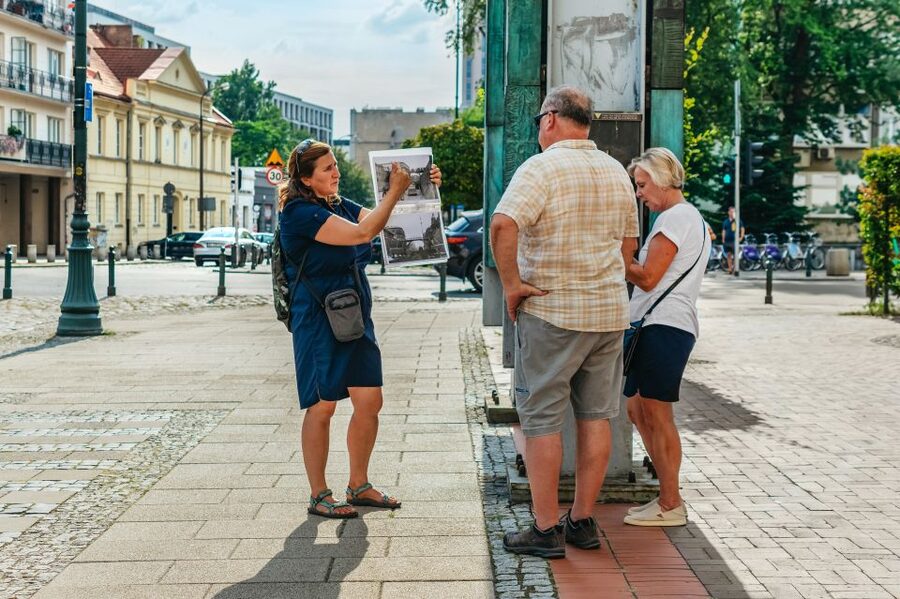
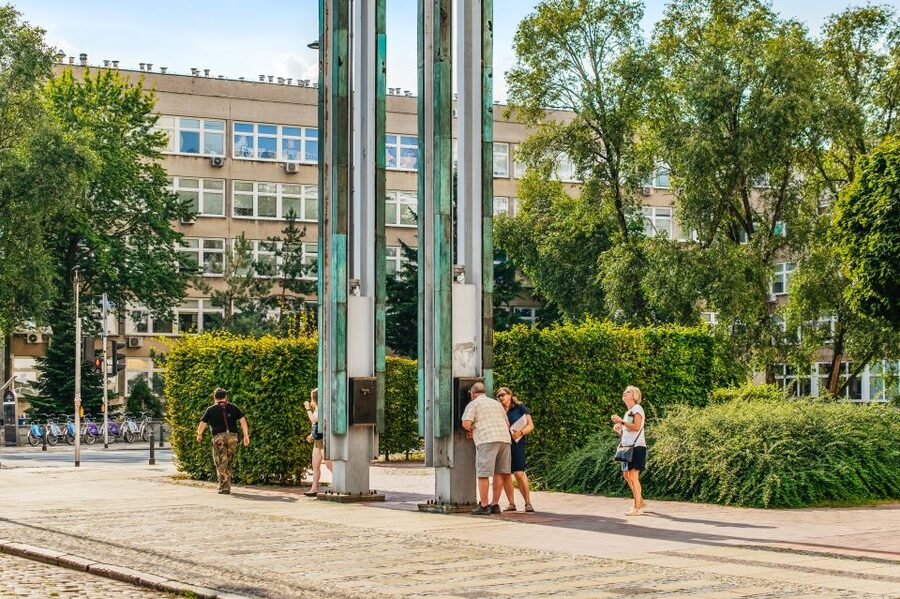
A major highlight is Umschlagplatz, the collection point. This stop is more than a photo-op. It’s presented as a turning point, where ordinary people were processed into the machinery of deportation.
The tour also brings in the Monument to the Ghetto Heroes, which adds another layer: it shifts focus from what was done to people to what people resisted and remembered. Standing where the story centers can make the history feel immediate, even if the physical sites have changed.
If you care about Holocaust history, this is the moment where your understanding tightens. You start connecting the social reality of the ghetto to the operational steps that led to mass killing. The guide’s job is to keep the explanation clear, not sensational.
More Walking Tours in Warsaw
- Warsaw: Old Town Highlights Walking Tour in English
★ 4.7 · 1,516 reviews - Warsaw: Old Town Guided Walking Tour
★ 4.9 · 599 reviews - Half-Day Polish Food Walking Tour with Guide and Dinner
★ 4.5 · 381 reviews - Old Town Warsaw Walking Tour
★ 4.5 · 333 reviews
Last street and surviving wall fragments: seeing what’s left
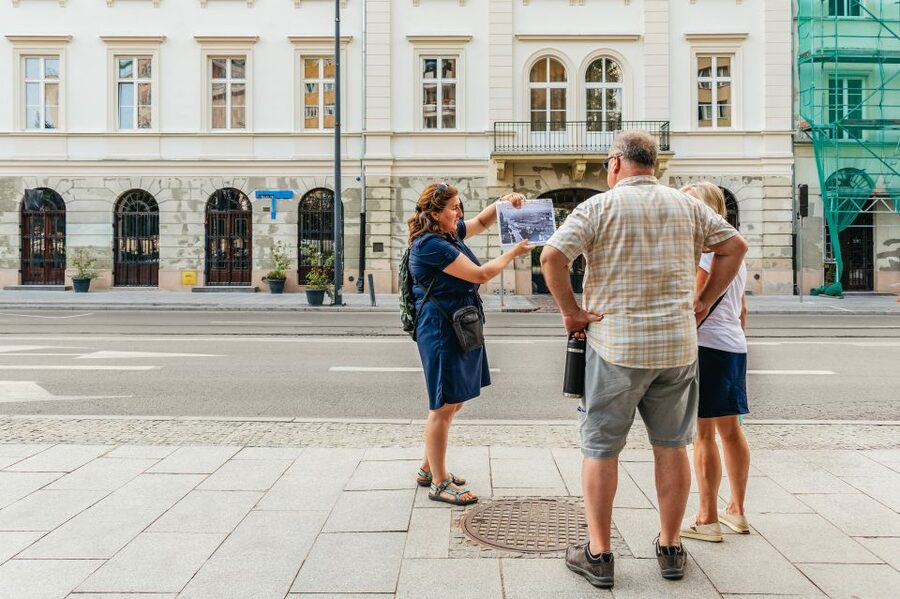
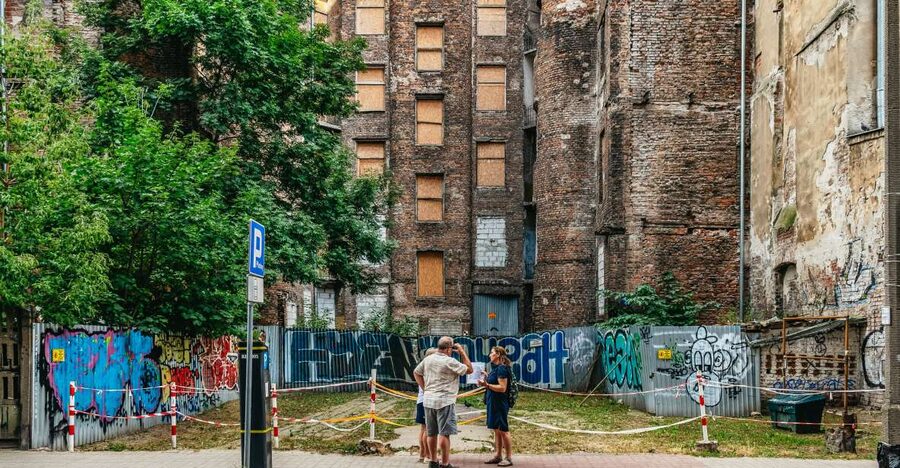
You’ll explore fragments of the ghetto walls and the last street of the ghetto. These stops are quiet in a way that hits hard. Even small remnants carry weight because they are physical leftovers from a place that the Nazis tried to erase.
This part is useful because it shows why “traces” matter. The ghetto has long since vanished, but the landscape still offers clues. With the guide’s help, you learn to look for what survived, what disappeared, and what the city replaced.
It’s also where you’ll likely feel the contrast between past and present the most. A street can look normal today, but the guide places it inside the ghetto’s boundaries and crowding reality. That simple act of mapping transforms your walk.
The one synagogue that survived, and why it still matters
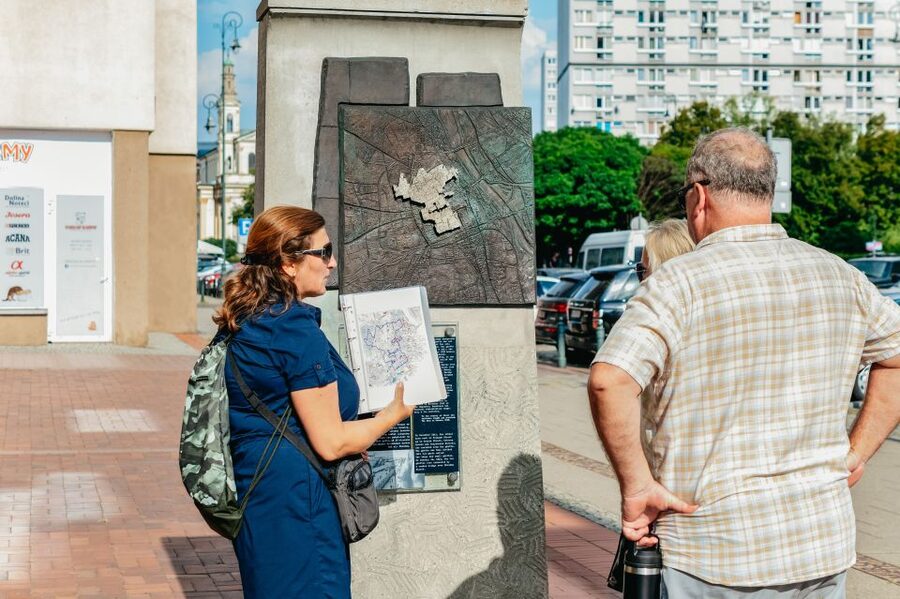
Another major stop is the only synagogue in Warsaw that survived the Second World War and is still in operation. Visiting a working house of worship changes the tone instantly. The story stays solemn, but it also becomes about continuity, not only destruction.
Plan for the fact that the synagogue entrance payment is not included in your tour price. You should budget 20 PLN, or about 5 EUR or 5 USD. Bring cash, since that’s what the tour notes.
If you bring a head covering or kippah, it will help you feel more comfortable at the synagogue. The guide will also tell you what to do before you enter.
Warsaw Ghetto Uprising: why people took up arms
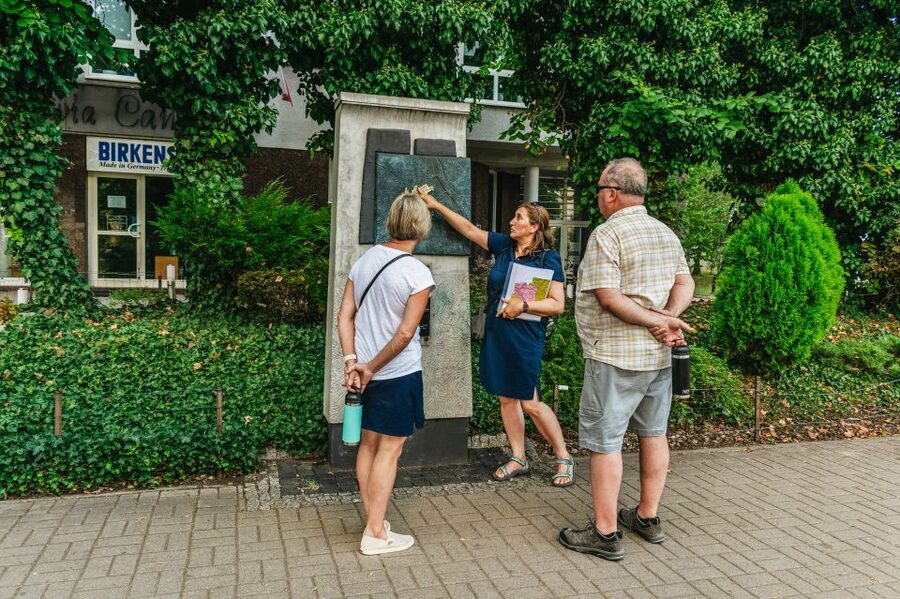
The tour brings you to the 1943 Warsaw Ghetto Uprising, the moment when the unequal struggle became resistance. The fighting lasted nearly one month, and the Nazis responded with total destruction of the ghetto.
What I find effective about this section is the way it balances bravery and context. You learn why people took up arms, not as a dramatic slogan, but as a human decision inside an impossible situation. The guide ties the uprising to the earlier story of humiliation, confinement, and liquidation.
The tour also touches the people who survived, including Władysław Szpilman, known from The Pianist. That detail matters because it prevents the story from ending at total annihilation. It shows that survival, in some cases, was real, but it was not the same as safety.
How your guide shapes the tour (Marzena is a common standout)
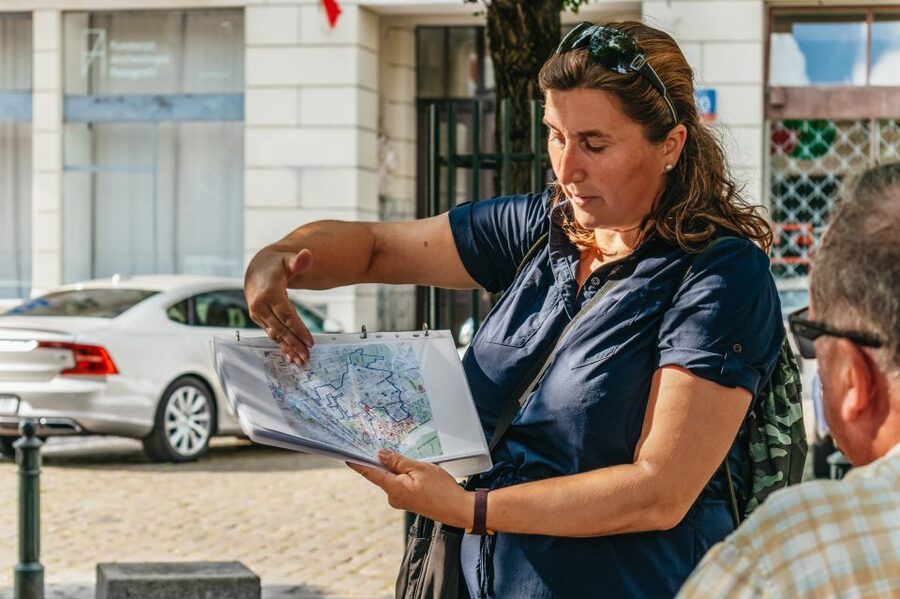
The most consistently praised factor is delivery. Guides like Marzena are described as especially good at keeping attention for the full 3 hours, with answers to questions that follow naturally from where you are standing.
You’ll also want a guide who uses visuals well. Many guests highlight that the guide shows maps and old photographs, sometimes via a tablet, so you can compare wartime conditions with today’s street view. That technique is not just decorative. It helps you build a mental model fast, so you stop thinking, Where am I standing? and start thinking, What did this place force people to endure?
Since the tour is private, you also get more room for your own questions. If something feels unclear, ask. The guide is there for that, and the format makes it easier to stay on track.
Price and value: $84 for a private, high-context experience
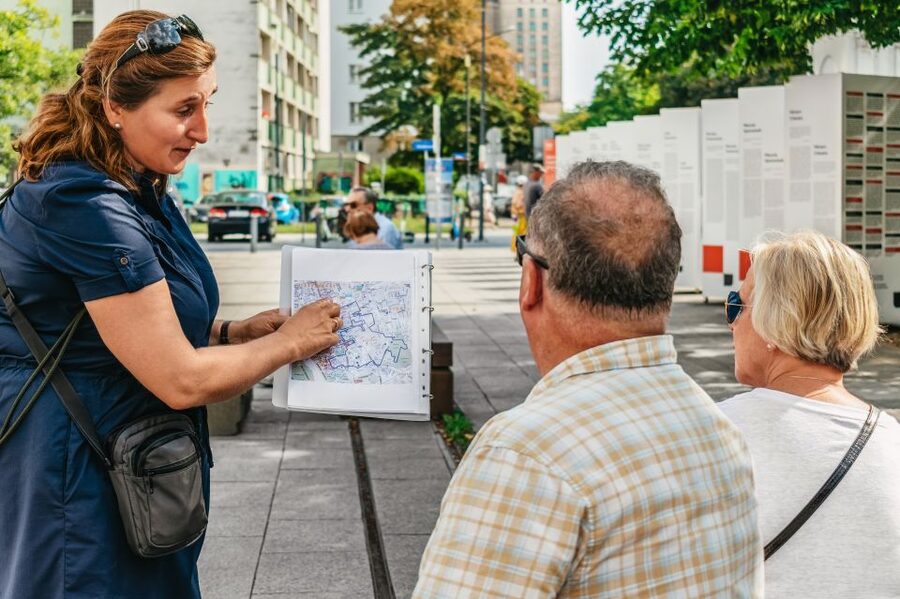
At $84 per person for a 3-hour private tour, this is not a budget activity. The value comes from what’s included: a licensed guide, car transport, hotel pickup and drop-off, plus city plan and information booklets.
You’re paying for three things that are hard to recreate on your own. First, you get the narrative structure that turns dispersed sites into one coherent story. Second, you get interpretation of symbolism like Umschlagplatz and the Monument to the Ghetto Heroes. Third, you avoid the time sink of trying to figure out where the key places used to be and how they relate.
If you’re the type who hates vague tours, this format is a good match. If you just want a quick overview, it might feel like a lot for 3 hours. But for many visitors, it becomes one of the most meaningful stops in Warsaw.
What to bring and how to prepare for a respectful visit
This is an emotional topic. The small practical items help you stay focused on listening.
Bring comfortable shoes, since walking is part of the experience. Add a hat and sunscreen because you might be outside more than you expect, depending on weather. For religious-appropriate comfort, bring a head covering or kippah.
Bring cash as well, since the synagogue entrance payment is required and not included. You should also know that oversized luggage and large bags are not allowed.
Also, this tour is not suitable for children under 14, and it’s not recommended for people with mobility impairments. If those apply, you may want to look for an alternate option.
Who should book this tour?
This private walking tour is a great fit if you:
- want a serious, structured explanation of Warsaw’s ghetto history
- prefer seeing real sites instead of only museum context
- like asking questions during the tour, not saving them for later
- are traveling as a small group and want more control over pace
It may not be ideal if you need a very light, casual outing. This is a story of confinement, mass killing, and resistance. Even with a skilled guide, the subject matter stays heavy.
Should you book this Warsaw Ghetto private walking tour?
I think you should book it if you want Warsaw’s ghetto history explained with clarity, shown through real streets, and anchored by key symbolic sites like Umschlagplatz and the ghetto hero monument. The private format, guide quality, and the use of maps and old photos make the 3 hours feel full, not rushed.
If you’re willing to bring comfortable shoes, plan for the synagogue payment, and treat the visit with the seriousness it deserves, this tour is one of the strongest ways to understand what happened in Warsaw during WWII.
FAQ
Where does the tour meet?
The meeting point is Prozna st. 9, between Bistro Charlotte Menora and Strefa Restaurant. Look for the guide holding a PolinTours sign.
How long is the tour?
The duration is 3 hours.
Is hotel pickup included?
Hotel pickup and drop-off are included, and pickup is listed as optional. Your guide may meet you at your hotel depending on your arrangements.
What languages are the tours offered in?
The live tour guide is available in English and German.
Does the tour include the synagogue visit?
Yes. The tour includes a visit to the only synagogue in Warsaw that survived the Second World War and is still in operation.
Is the synagogue entrance fee included?
No. You need to pay the entrance to the synagogue (20 PLN, or about 5 EUR or 5 USD).
How much does the tour cost?
The price is listed as $84 per person.
What should I bring?
Bring comfortable shoes, a hat, a head covering or kippah, sunscreen, and cash.
Is luggage allowed?
Oversize luggage and large bags are not allowed.
Who is the tour not suitable for?
It is not suitable for children under 14, and it is not suitable for people with mobility impairments.
What is the cancellation policy?
Free cancellation is offered up to 24 hours in advance for a full refund.
More Jewish Heritage Walks in Warsaw
- Warsaw: Jewish Heritage & Holocaust Walking Tour
★ 4.7 · 119 reviews - Tour of the Warsaw Ghetto
★ 5.0 · 119 reviews - Jewish Warsaw Walking Tour
★ 5.0 · 95 reviews - Historical Walking Tour of Jewish Warsaw
★ 5.0 · 68 reviews
Fresh listings from Warsaw
- Wolf’s Lair & Treblinka Tour in 1 day from Warsaw★ 5.0 · 37 reviews
- Tour from Warsaw: Wolf’s Lair, Hitler’s HQ Zones I and II★ 5.0 · 32 reviews
- Wolf’s Lair Private Day Trip from Warsaw★ 5.0 · 50 reviews
- Warsaw’s Old Town A Self-Guided Audio Tour★ 4.5 · 10 reviews
- Wilanow Royal Palace : SMALL GROUP /inc. Pick-up/★ 4.5 · 16 reviews
- Private 3-, 5-, or 7-Hour Warsaw Tour by Car★ 5.0 · 7 reviews
- Off the Beaten Track in Warsaw: Private City Tour★ 4.5 · 9 reviews
- Warsaw Must-See Local City Tour with Antek and Tomek★ 5.0 · 51 reviews
Jewish Heritage Tours, compared.
Bike Tour of Old Town, Jewish Quarter and the Ghetto
Read our review →
Kazimierz, Schindler’s Factory & Ghetto Guided Tour
Read our review →
Full Bike Tour – the Old Town, Jewish Qtr & the Ghetto NEW BIKES
Read our review →
Jewish Quarter and Ghetto Electric Golf Cart Tour
Read our review →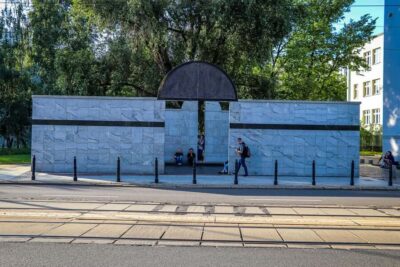
Browse the lists this tour appears in