Review · PRIVATE
Krakow World War II Private Tour
Auschwitz this, ghetto that. This one keeps it local and human. You’ll move through Krakow’s wartime neighborhoods with a private guide, connecting places like Kazimierz and Schindler’s factory into one clear story.
I especially like that all entrance fees are included, so you can focus on the facts, not the add-ons. The other big win is the free hotel pickup and drop-off, which saves you from wrestling trams or finding parking before a heavy day. One possible drawback: this is not a feel-good outing. The subject matter is bleak, and the sites are emotionally intense, so go in with your expectations set.
In This Review
- Key things that make this Krakow WWII tour work
- Why this tour hits harder than a checklist
- 9:00 pickup logistics in Krakow, and how to not waste energy
- Kazimierz, Krakow’s former Jewish district (where the story begins)
- Schindler’s enamelled goods factory, plus the museum’s citywide focus
- Plaszow concentration camp site, brief on time but heavy in meaning
- Gestapo cells at Muzeum Krakowa, Pomorska Street
- Eagle Pharmacy and the Museum of Krakow, Podgórze ghetto life
- The guide quality is the secret sauce on a heavy itinerary
- How long is enough, and what if you want extra time?
- Price and value, is $294.37 per person fair?
- Who should book, and who might prefer something else
- Should you book this Krakow WWII private tour?
- FAQ
- What time does the tour start?
- Is hotel pickup and drop-off included?
- Are entrance fees included in the price?
- Is this tour private?
- What language is the tour offered in?
- Does the tour run in bad weather?
Key things that make this Krakow WWII tour work
- Private tour with just your group and a guide/driver, not a crowded bus shuffle
- Hotel pickup and drop-off, so you start and end stress-free
- Entrance fees handled, including major museums and memorial sites
- Time built in for Schindler’s Factory, so you can take it in properly
- A wider Krakow map, from Kazimierz to Plaszow to Gestapo detention cells
- English speaking guides, with several praised for clear explanations and organization
Why this tour hits harder than a checklist
This is the kind of day that can feel either scattered or focused. The difference here is the route and the way a good guide stitches it together. You’re not just ticking off famous names. You’re seeing how Nazi control shaped everyday life, where people lived, where they were held, and how the city’s geography turned into a system of persecution.
I like the balance of stops that show both the machinery of oppression and the human scale of what happened. Kazimierz sets the scene with pre-war Jewish life. Schindler’s factory gives you context for occupation and survival. Then you move into the sites tied to detention and terror, including Gestapo facilities and a concentration camp location. It’s heavy, but it feels organized.
That organization is also why the private format matters. With a group tour, you often hear the story in fragments. Here, you’re more likely to ask a question, pause for a better explanation, and get answers that match what you just saw.
A few more Krakow outings to weigh up
- From Krakow: Auschwitz-Birkenau Guided Tour & Hotel Pickup
★ 4.5 · 33,358 reviews - From Krakow: Auschwitz-Birkenau Guided Tour & Hotel Pickup
★ 4.5 · 29,340 reviews - Krakow: Auschwitz Guided Tour with Optional Hotel Pickup
★ 4.5 · 15,280 reviews
9:00 pickup logistics in Krakow, and how to not waste energy
The tour starts at 9:00 am, and pickup is directly from your hotel, hostel, or private apartment. That sounds simple, but in practice it matters. Early starts in Krakow can be a drag if you have to figure out transport while you’re already mentally bracing for a long, emotional day.
You’ll travel with a driver and a guide, and the tour returns you to the pickup area later for drop-off. You’re also using a mobile ticket, which keeps things straightforward at entrances.
One practical tip: dress for weather. The tour operates in all weather conditions, and Krakow can throw sudden cold snaps at you. Even when conditions turn, you’re not stuck improvising. Plan on layers and comfortable shoes, because you’ll be moving between sites on a schedule.
Kazimierz, Krakow’s former Jewish district (where the story begins)
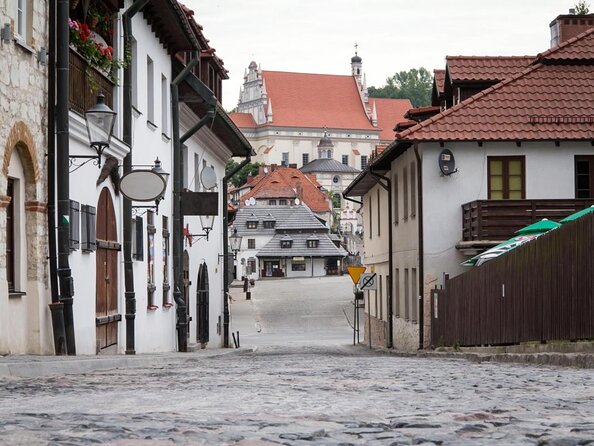
Stop 1 is Kazmierz, the former Jewish district. This neighborhood was the center of Jewish life in Krakow for more than 500 years, and then it was systematically destroyed during World War II. The point of starting here is smart. You get the pre-war context before the occupation story takes over.
You’ll spend about 40 minutes, and this stop includes free admission. In this time window, you’re not trying to “see everything.” Instead, you’re getting a sense of what life looked like before it was violently interrupted. Kazimierz is full of traces you can’t ignore, like synagogues and Jewish cemeteries, even when you’re just walking around the area and reading the guide’s framing.
What to keep in mind: with Kazimierz, the atmosphere is very real, not staged. It can feel quiet in a way that’s more reflective than touristy. If you need a “break” from heavy material, this is a good first stop, because it’s about life, not only punishment.
The one trade-off is time. 40 minutes is enough to orient you, but not enough for a deep architectural sweep. If you want a longer Kazimierz exploration, you can always follow up later on your own with a walking tour.
Schindler’s enamelled goods factory, plus the museum’s citywide focus
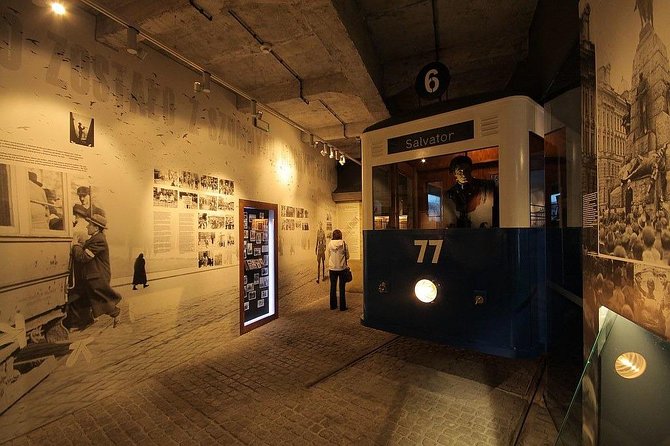
Stop 2 is Fabryka Emalia Oskara Schindlera, the Oskar Schindler enamelled goods factory, now a museum. This is the heart of the tour and where you get the most breathing room. You’ll have about 1 hour 30 minutes, and admission is included.
The museum’s permanent exhibition is focused on Krakow during Nazi occupation from 1939 to 1945. That citywide framing is what makes it valuable. Rather than only telling you about a single story, you follow individual histories of wartime inhabitants and see how occupation reshaped daily routines.
I like this museum stop because it gives you an emotional anchor that’s not just about horror. It’s also about people trying to survive, stay connected to family, and make sense of what was happening around them. It helps the later stops feel less like random tragedy and more like a logical outcome.
Also, there’s a note worth paying attention to: in at least one guided experience, there was additional on-site guidance inside Schindler’s museum. If your guide arranges it, that can be a big help. It means you’re not standing in galleries trying to interpret everything alone while your time ticks away.
Still in reach of Krakow, but a different sort of day:
- Krakow: Wieliczka Salt Mine Tour with Entry Ticket
★ 4.6 · 10,927 reviews - Krakow–Zakopane: Cable Car, Chocholow Baths, Cheese & Vodka
★ 5.0 · 10,720 reviews - Krakow: Auschwitz-Birkenau Guided Tour with Pickup & Lunch
★ 4.5 · 9,800 reviews - From Krakow: Wieliczka Salt Mine Tour
★ 4.6 · 9,393 reviews
Plaszow concentration camp site, brief on time but heavy in meaning
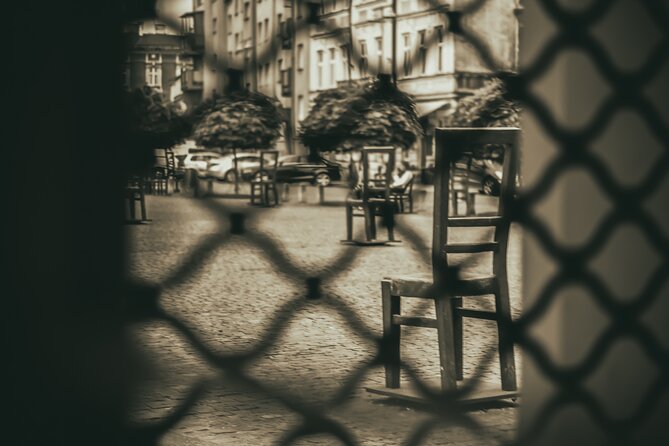
Stop 3 is Plaszow Concentration Camp, included with admission. You’ll have around 30 minutes. That’s not a lot of time, but it’s a common format for a memorial stop within a multi-site route.
The camp was built on the grounds of two former Jewish cemeteries in the summer of 1942. The site was expanded by the SS over time, reaching a maximum size in 1944. Even with the brief duration, the goal is usually to understand the location’s transformation and what it meant for the people caught in the system.
Here’s the practical reality: 30 minutes forces focus. You’ll need to accept that you can’t read every marker or absorb every detail at once. A good guide will help you prioritize, explain the key timeline, and point out the most important things to notice.
Consider this drawback: if you prefer slow, quiet memorial visits, you may feel a bit rushed. If you’re the type who wants time to sit and reflect, build in extra hours another day. This stop is powerful, but it’s not meant to be your only visit to the topic.
Gestapo cells at Muzeum Krakowa, Pomorska Street
Stop 4 is Muzeum Krakowa, Ulica Pomorska, the Pomorska Street museum, described as the headquarters of the Gestapo, the Nazi secret state police. You’ll spend about 40 minutes, with admission included.
This stop can feel difficult, but it’s also one of the most informative segments. The museum includes documents, archival material, photographs, and objects connected to how the German SS investigated and tormented victims. The standout feature is the old cells where prisoners were interrogated.
What I like about this stop is that it shifts the story from broad war history into the mechanics of control: how arrests happened, what interrogation meant, and how fear was enforced. It also adds a layer that’s easy to miss on “major site only” tours. You get a sense of the system, not only the aftermath.
A small consideration: because this is intense, you might want a calm pace. If you’re sensitive to incarceration-related visuals or descriptions, give yourself a moment before you enter the cell spaces and let your guide know if you need a slower route.
Eagle Pharmacy and the Museum of Krakow, Podgórze ghetto life
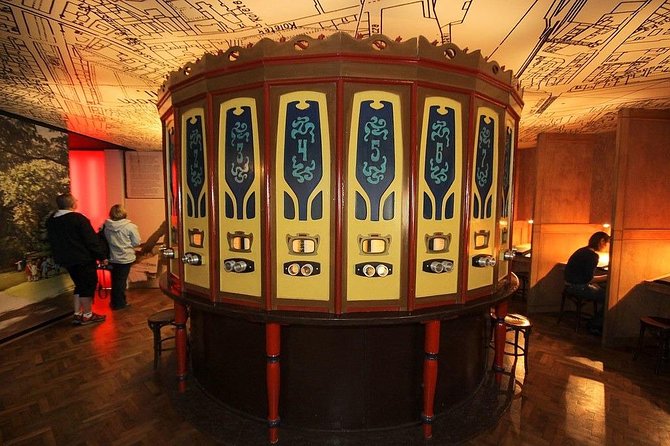
Stop 5 is the Eagle Pharmacy, also known as part of the Museum of Krakow. You’ll have about 30 minutes, and admission is included.
This stop focuses on Podgórze ghetto life through photographs and exhibits, plus the story of a pharmacist who helped hundreds of Jews. For me, this is an important final stop because it adds something besides destruction: it highlights how people tried to protect others in an environment built to crush compassion.
You also end with a more human scale after the larger concentration camp site and the Gestapo cells. The ghetto portion helps you connect what you learned earlier to daily reality, including what families faced and how communities tried to endure.
If you only have one day for Krakow’s WWII story, this ending works. It doesn’t erase the brutality, but it prevents the day from ending on pure bleakness. You finish with a thread of courage and ordinary people making choices that mattered.
The guide quality is the secret sauce on a heavy itinerary
This is where the tour tends to shine. Multiple English speaking guides have been highlighted for being friendly, organized, and able to explain complicated history clearly. Names that come up include Zuzanna, Magda, and Ada.
I’d bet you’ll feel the difference in how the day is timed and narrated. A strong guide does more than recite dates. They connect each stop to the next one so you’re not carrying a mental pile of disconnected facts. That matters most on this kind of itinerary because your brain is trying to process a lot at once.
If you care about pacing, private format helps. You’re not forced to follow a rushed group rhythm. You can also ask questions that come up naturally as you see Kazimierz, then Schindler’s museum, then the more brutal sites.
How long is enough, and what if you want extra time?
The tour you’re considering runs about 5 hours. That duration is often the sweet spot for a multi-stop WWII day. You get time in the major museum that needs it, Schindler’s factory, while still hitting key locations across the city.
One guide-related detail that’s worth knowing: there can be a shorter option, around 3 hours, and the full route adds more time. If you hate feeling rushed through museums, choose the longer day. The extra time is especially useful where exhibits need reading time rather than just quick looking.
Price and value, is $294.37 per person fair?
At $294.37 per person for about 5 hours, you’re paying for three things: a private guide, private transport with pickup and drop-off, and included admissions.
The value argument gets easier when you look at what’s covered. Entrance fees are included at Kazimierz and the main museums and memorial stops. You also avoid the hidden costs that often pop up when you book a day plan piecemeal. On top of that, hotel pickup and drop-off are included, which can save money and time if you’d otherwise need taxis or public transport during a tight schedule.
Also, private tours have a real benefit on emotional topics. You’re more likely to get context that fits what you’re seeing right now. That can be hard to replicate on a cheap group option where you stand far apart and hear less.
If you’re comparing prices, don’t just compare the hourly cost. Compare what you actually get: private transport, admissions covered, and enough time at the major museum to make the story coherent.
Who should book, and who might prefer something else
This is a strong choice if you want a guided, structured overview of WWII in Krakow with stops across key locations. It suits you best if you like history but also want your guide to do the connecting work.
Book this if:
- You want a private format and a clear narrative arc
- You’re okay with a heavy day focused on occupation, persecution, and memorial sites
- You want logistics handled, including pickup, drop-off, and entrance fees
You might think twice if:
- You only want light sightseeing and views
- You prefer memorial spaces where you can wander longer on your own
- You get overwhelmed by imprisonment and interrogation themes
Should you book this Krakow WWII private tour?
If you want one day that makes Krakow’s WWII story feel connected, I think this is a good bet. The included admissions, the hotel pickup, and the private guide setup remove the usual friction, so you spend more time understanding and less time managing logistics.
My final advice: book it if you’re ready for an intense, citywide storyline that moves from pre-war life to occupation control. If you’re unsure, start by asking yourself how you handle emotional history. If you can meet it with respect and patience, this tour gives you a solid framework to make sense of what you see.
FAQ
What time does the tour start?
The tour normally starts at 9:00 am. Sometimes the start time can shift due to opening hours of the attractions, but the schedule is generally anchored to that morning start.
Is hotel pickup and drop-off included?
Yes. You’ll be picked up directly from your hotel, hostel, or private apartment, and you’ll also receive drop-off at the end of the tour.
Are entrance fees included in the price?
Yes. Entrance fees are included for the tour’s stops, including Schindler’s Factory Museum and the other included sites.
Is this tour private?
Yes. It’s a private tour/activity, so only your group participates, with a guide and driver for the day.
What language is the tour offered in?
The tour is offered in English.
Does the tour run in bad weather?
The tour operates in all weather conditions, so you should dress appropriately and be ready for changing conditions.
Fresh listings from Krakow
- Zakopane & Gubalowka Funicular – Private Winter Tour from Krakow★ 5.0 · 10 reviews
- ZALIPIE – painted village, unique PRIVATE tour from Krakow★ 5.0 · 20 reviews
- stag dog chase Krakow prank★ 5.0 · 4 reviews
- ZALIPIE – painted village, unique small group tour from Krakow★ 5.0 · 7 reviews
- Full-Day Zalipie Painted Village Guided Tour★ 4.0 · 3 reviews
- Sleigh Ride & Bonfire in Zakopane with Funicular – Private Trip★ 5.0 · 48 reviews
- Zakopane PRIVATE TOUR from Krakow★ 5.0 · 18 reviews
- Zakopane Funicular Hill & Thermal Springs regular tour★ 5.0 · 9 reviews
Private, compared.
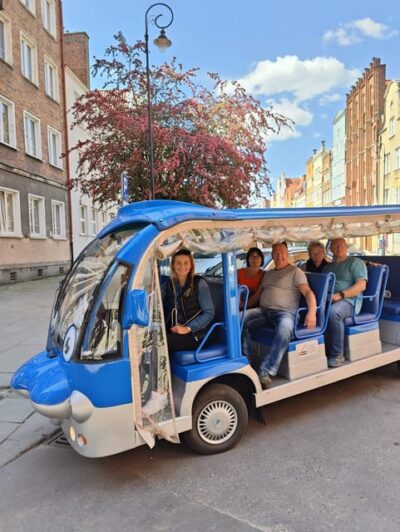
Shared or Private City Tour Sightseeing by Golf Cart
Read our review →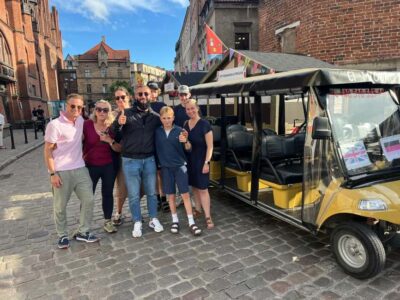
Shared/Private Golf Cart City Tour with Local Guide
Read our review →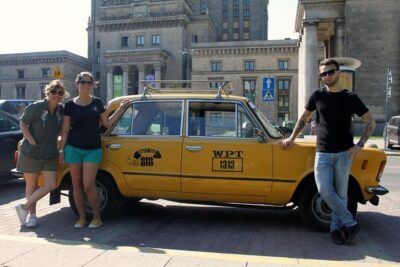
Private Tour: Warsaw City Sightseeing by Retro Fiat
Read our review →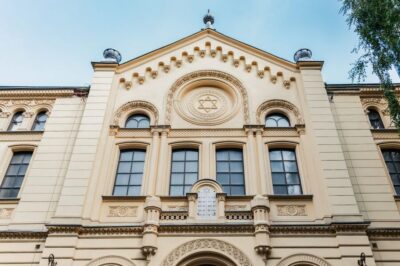
Warsaw Ghetto Private Walking Tour with Hotel Pickup
Read our review →
Private Departure Transfer: Krakow City To Krakow Airport Balice
Read our review →