
Review · WALKING TOURS
Life Behind the Iron Curtain Warsaw Walking Tour
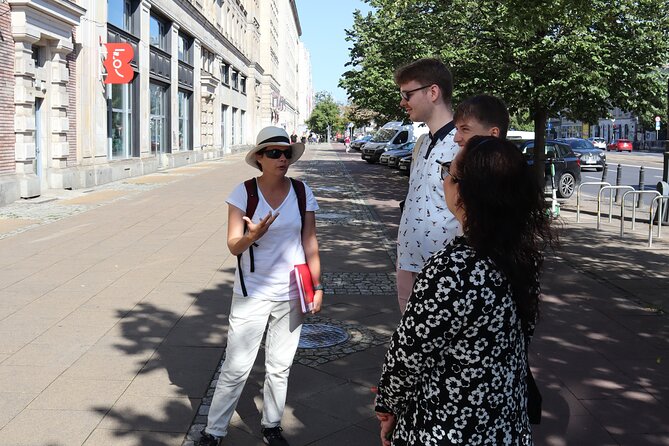
Warsaw under communism can feel stranger than fiction. This walking tour turns socialist-era architecture into real-life stories about control, shortages, and the jokes people used to survive. I especially love the way the guide mixes humor with hard truths, and I also like the smart stops that connect big public spaces to daily life. One drawback to plan for: it is a walking tour with long-ish stretches, so if you struggle with distance, this may feel like too much.
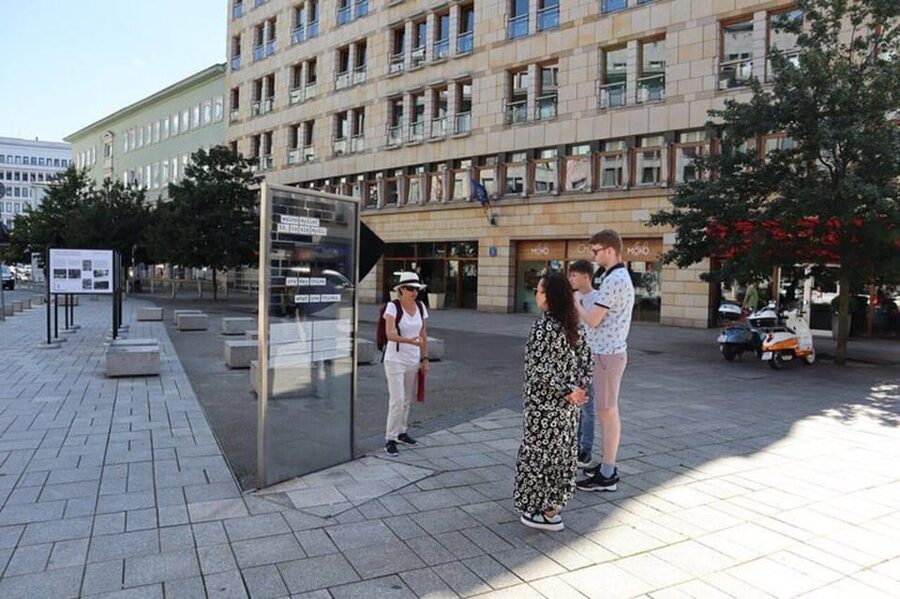
You’ll start at Constitution Square and work your way down Marszałkowska Street, past monuments and blocks built to shape how the city looked and behaved. Along the way you’ll see socialist realism in action, stop at the Memoriał Wolnego Słowa (Free Speech Memorial), and get a clear picture of where the Communist Party HQ was located. The tour ends at Emilii Plater 54, with enough context that the Palace of Culture and Science stops being just a photo spot.
In This Review
- Key highlights at a glance
- Walking From Constitution Square Into the Socialist Plan
- Marszałkowska Street: The Parade Boulevard and the Theater of Power
- Memoriał Wolnego Słowa: Free Speech, Censorship, and the Shadow Network
- Centrum Bankowo Finansowe: The City’s Big-Swirl Contrast
- Cedet Department Store: When Empty Shelves Meet Propaganda Style
- Dworzec Centralny Warszawa: Control, Travel Limits, and the Shape of Days
- Palace of Culture and Science: The Monument That Still Debates You
- Socialism’s Looks, the City’s Messages, and How to Read Socialist Realism
- Finishing at Emilii Plater 54: Leaving With a Map in Your Head
- Price and Value for 2.5 Hours in Central Warsaw
- Who Should Book This Tour, and Who Might Want a Different Option
- Should You Book Life Behind the Iron Curtain Warsaw Walking Tour?
Key highlights at a glance
- Constitution Square and the planned new center of Warsaw, explained in plain human terms
- Marszałkowska Street as a parade route, and why that matters when you understand power
- Memoriał Wolnego Słowa and censorship, with the real-life mechanics of surveillance and espionage
- Socialist realism you can actually read, not just admire from a distance
- Cedet and the shopping reality, where empty stores and jokes became part of the system
- A clear endpoint at Emilii Plater 54, so you finish with direction, not a dead end
Walking From Constitution Square Into the Socialist Plan
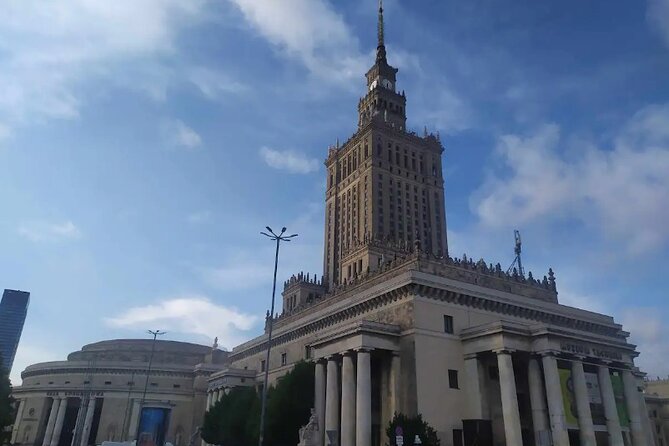
The tour starts where you can still feel how rulers tried to choreograph the city. Constitution Square is a practical opener, because it gives you a base layer: the kind of Warsaw planners wanted, the kind they built, and the kind ordinary people had to live with anyway. The first stretch is short, about 15 minutes, so it works well even if you just landed and want to get your bearings fast.
Here’s what I like about this early phase. You are not stuck in textbooks. You get guided explanations that connect symbols to everyday pressure. The tour’s tone also helps. Guides such as Olivia and Agnieszka bring a dry, human humor, but they do not soften the facts. That balance matters, because the whole theme is absurdity with consequences.
If you’re thinking, I know the basics of communism, this tour still earns its keep. The point is not slogans. It’s how the system showed up in streets, buildings, and routine habits, right from the first stop.
More Walking Tours in Warsaw
- Warsaw: Old Town Highlights Walking Tour in English
★ 4.7 · 1,516 reviews - Warsaw: Old Town Guided Walking Tour
★ 4.9 · 599 reviews - Half-Day Polish Food Walking Tour with Guide and Dinner
★ 4.5 · 381 reviews
Marszałkowska Street: The Parade Boulevard and the Theater of Power
Next you head along Marszałkowska Street, and it is hard to miss why this road is so central to the story. This is the wide boulevard that was used for parades and marches. On a map, it’s just a major street. In person, you see how much space was designed for public performance, not private life.
Expect the guide to talk about how authority likes visibility. Long sightlines, big open areas, and clear movement corridors make demonstrations easy to stage. More importantly, they make intimidation easier too. When a state can move crowds like props, people start adjusting their behavior without being told.
This stop runs about 15 minutes, so you’re not wandering for hours in the sun or rain. Still, do wear comfortable shoes. Even at a modest walking pace, Warsaw’s streets add up over 2.5 hours and about 3 km.
Memoriał Wolnego Słowa: Free Speech, Censorship, and the Shadow Network
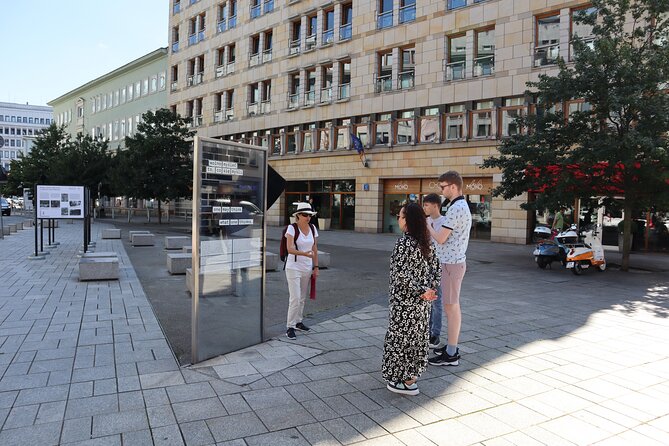
Then comes the emotional center of the walk: Memoriał Wolnego Słowa, the Free Speech Memorial. This is where the Cold War story turns from architecture into power systems.
The guide explains censorship and links it to everyday fear, not just abstract politics. You also get a discussion of espionage, meaning how people could be pressured, watched, or turned into sources. This is the part where you start understanding why the smallest choices felt bigger than they should have.
I found this stop especially valuable because it gives you language for what you might otherwise only feel. In many places, you can read about repression after the fact. Here, the tour tries to make the logic understandable in real time: why a joke could be risky, why certain topics could become dangerous, and why self-censorship spreads quietly through families and workplaces.
This segment is short, about 15 minutes, but it’s dense. If you like asking questions, this is the time to do it. The best part of tours like this is the Q and A moments, and this one is set up for it.
Centrum Bankowo Finansowe: The City’s Big-Swirl Contrast
From there you pass through the kind of space that feels like modern office Warsaw, but in a tour like this, it’s not treated as neutral ground. The stop at Centrum Bankowo Finansowe is about seeing how official visions of function, economy, and order can sit right next to the realities they were supposed to solve.
You’ll get context that helps you spot the contrast between what the state wanted to project and what life actually was like. That difference shows up again and again in this walking route, from socialist realism to daily purchasing to how the city was managed.
This stop is about 10 minutes, so it’s not meant to be a deep architectural debate. Think of it as a bridge, one that keeps you from seeing buildings as separate units. In this story, blocks connect to control.
Still in reach of Warsaw, but a different sort of day:
- Warsaw: Chopin Concert in the Old Town
★ 4.8 · 2,287 reviews - Warsaw: Traditional Galar Cruise on The Vistula River
★ 4.6 · 1,640 reviews - Warsaw Concert: Chopin – Painted by Candlelights with Wine
★ 4.8 · 1,442 reviews - Warsaw: City Sightseeing Hop-On Hop-Off Bus Tour
★ 3.6 · 1,415 reviews
Cedet Department Store: When Empty Shelves Meet Propaganda Style
One of the most interesting parts of the walk is the stop at Central Department Store Cedet. This is where the tour shifts from monuments to consumption, and it gets surprisingly practical.
You’ll hear how people could not buy normal stuff at empty stores, and how shortages shaped behavior. The guide also shares why phrases people repeated in that era became jokes, including the idea behind what can I get you? when the answer was often nothing. That detail works because it shows how humor became a coping tool, and also how you learned to read the gap between official messaging and what was actually available.
This stop runs about 15 minutes and fits neatly into the theme. Architecture may be the visible part, but shopping is where people felt the system in their pocket, their time, and their patience.
Also pay attention to the socialist realism element here and nearby. The tour points out examples that look clean and official, but you’ll be prompted to ask why those styles were favored. The guide frames it as visual persuasion. You may start noticing how design tries to look optimistic while the lived experience was not.
If you’re traveling with kids, this is a good stop to keep them engaged. Empty shelves and forced explanations are easier to grasp than espionage, and the guide’s wit helps.
Dworzec Centralny Warszawa: Control, Travel Limits, and the Shape of Days
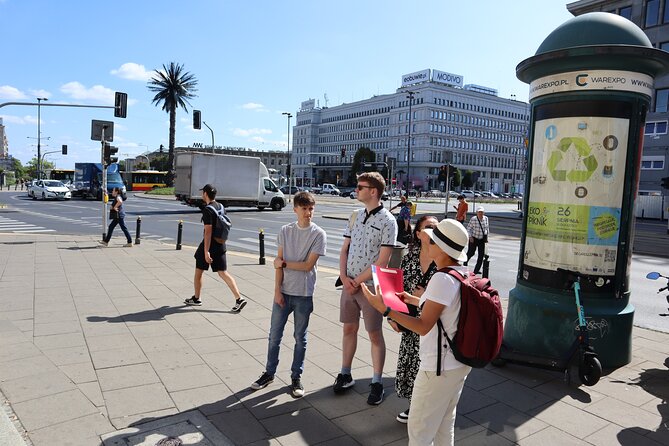
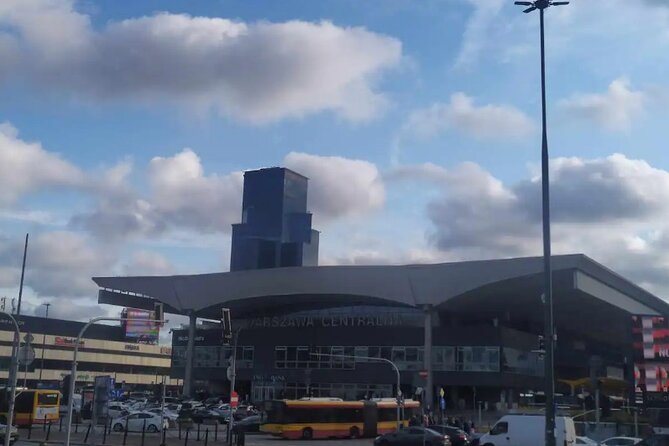
Next is Dworzec Centralny Warszawa, about a 10 minute stop, and it makes sense once you connect it to what you’ve already learned. Transportation is freedom in most stories. Under this system, it could be conditional.
The tour discusses how the state made sure Poles did not travel too far. You’ll see how the ability to move could be managed through rules, limits, and the broader climate of control. Even if you’ve read about border issues or travel restrictions elsewhere, this stop grounds the idea in the everyday rhythm of commuting and going somewhere, anywhere.
This is also a good moment for practical travelers. Stations teach you where people naturally gather, and gathering is where power notices patterns. It’s easier to understand how oversight could happen when you picture the flow of crowds, documents, and conversations.
So while this stop is brief, it adds a key layer. You end the segment not only thinking about what was banned, but also about what movement meant in daily planning.
Palace of Culture and Science: The Monument That Still Debates You
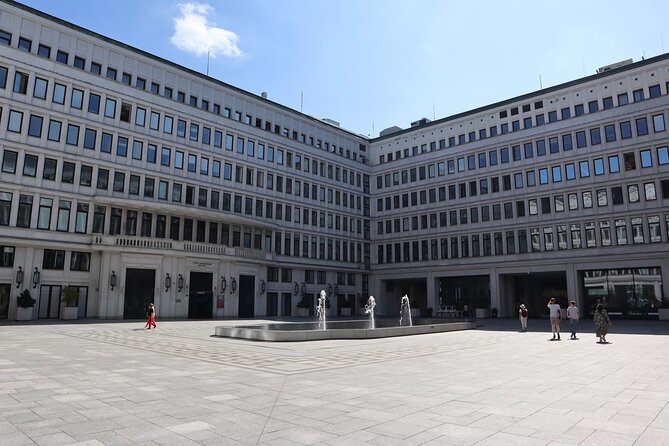
The final major landmark before the walk concludes is the Palace of Culture and Science, with about 15 minutes dedicated here. This building is often the one people recognize from photos, but the tour treats it as controversial for more than one reason.
You’ll learn why it became a symbol tied to the communist era. You’ll also get context for how people interpreted it, not just what it looks like. That matters, because the same stone can mean different things depending on what you endured or celebrated.
One practical note: the viewing terrace entry fee is not included. So if you’re hoping to go up, you’ll need to plan for an extra ticket on your own. Even without the terrace, the tour’s time at the palace gives you enough to understand why it stays in the conversation.
If you want a good photo, treat this as your primary shot. If you want a better understanding, spend those 15 minutes listening closely and looking up and around. The point is to read the building, not just frame it.
Socialism’s Looks, the City’s Messages, and How to Read Socialist Realism
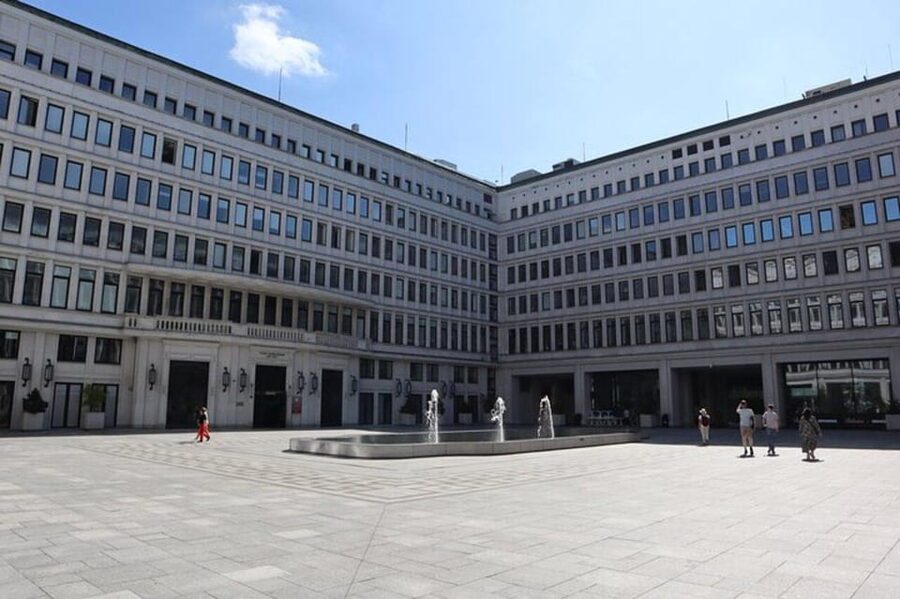
Throughout the walk, the guide keeps returning to socialist realism, including “perfect examples” along your route. This is more than a style check. The tour helps you interpret why those visuals were chosen and how they were meant to influence perception.
Here’s the useful way to think about it. Socialist realism often tries to present certainty: strong bodies, confident work, hopeful scenes. But when you place those visuals inside a story about censorship, surveillance, and shortages, you start to see the mismatch. That mismatch is one of the tour’s main lessons. The public image was one thing. Daily life was another.
I also like that the tour uses humor to teach you how people coped, because it prevents the story from becoming only bleak. You can understand repression without getting stuck in it.
And you might notice the tour includes attention to small symbols too, including a “smallest icon of communism” that the guide describes as so cute you might want one. The point of that detail is not cuteness. It’s how propaganda could be turned into something manageable, even laughable, in private spaces.
Finishing at Emilii Plater 54: Leaving With a Map in Your Head
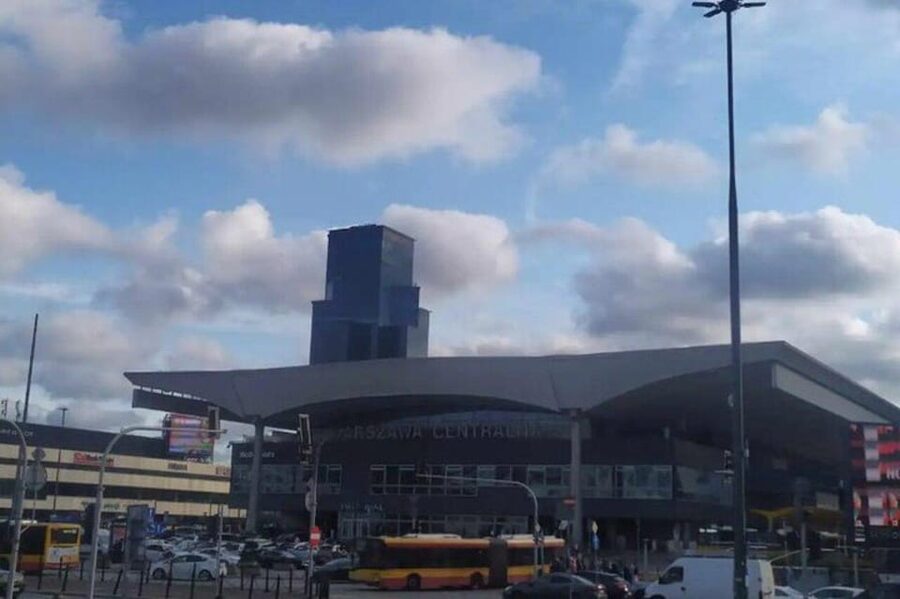
The tour ends at Emilii Plater 54. Ending with a specific address is practical. It helps you transition to your next plan without dragging your brain back into logistics.
By the time you finish, you should have a cleaner map of what Warsaw meant during the communist period. You’ll understand why the city center was planned and reshaped, why parade routes were important, how censorship reached into speech, and how shortages became everyday jokes. That combination is the value. It takes scattered landmarks and gives you connections.
Price and Value for 2.5 Hours in Central Warsaw
At $32 per person for about 150 minutes, this tour is priced for value if you care about context. You are paying for more than walking. You’re paying for an organized narrative, visual aids and an info pack before you start, plus a live English guide who connects the dots.
The included material can help too. You get a full info pack with a FAQ and useful links, which is handy when you want to keep exploring after the tour. You also get recommendations about where to eat and drink, which matters because Warsaw rewards planning.
If you usually do a walking tour in every city, this fits your routine nicely. It’s not so long that you burn half a day, but it’s long enough to create a real understanding of the era.
Who Should Book This Tour, and Who Might Want a Different Option
This tour is a great fit if you want Warsaw to make sense beyond what a guidebook can do in a few pages. It suits history-minded travelers who like architecture and who also care about the human side: how people dealt with pressure, shortages, and censorship.
It’s also family friendly in the sense that it uses humor and relatable stories. People have praised the guides for being witty and good at keeping a range of ages engaged, including the way the guide can weave personal narratives into the bigger picture.
One clear consideration: it is not recommended for travelers who have problems with walking long distances. Even though the route is about 3 km, the duration is about 2.5 hours, and you will be on your feet.
Should You Book Life Behind the Iron Curtain Warsaw Walking Tour?
Book it if you want a balanced, story-driven route that turns Warsaw’s communist era from “I saw it” into “I understand it.” You’ll get the key places, the core themes of censorship and espionage, and the socialist realism visuals explained in plain language. I also think it’s a strong choice when you appreciate humor, because the guide’s dry wit keeps the heavy parts easier to process.
Skip it or consider a different format if you need very low walking, or if you only want quick landmark photos with minimal explanation. This tour works best when you’re ready to listen, look carefully, and ask questions.
If you’re trying to pick one Warsaw experience that connects streets, buildings, and the way people actually lived, this is a smart bet.
Fresh listings from Warsaw
- Wolf’s Lair & Treblinka Tour in 1 day from Warsaw★ 5.0 · 37 reviews
- Tour from Warsaw: Wolf’s Lair, Hitler’s HQ Zones I and II★ 5.0 · 32 reviews
- Wolf’s Lair Private Day Trip from Warsaw★ 5.0 · 50 reviews
- Warsaw’s Old Town A Self-Guided Audio Tour★ 4.5 · 10 reviews
- Wilanow Royal Palace : SMALL GROUP /inc. Pick-up/★ 4.5 · 16 reviews
- Warsaw Must-See Local City Tour with Antek and Tomek★ 5.0 · 51 reviews
- Private 3-, 5-, or 7-Hour Warsaw Tour by Car★ 5.0 · 7 reviews
- Off the Beaten Track in Warsaw: Private City Tour★ 4.5 · 9 reviews
Walking Tours, compared.
Gdańsk City Sights & History Guided Walking Tour in English
Read our review →
Browse the lists this tour appears in