Review · PRIVATE
Nikiszowiec Industrial District Private Tour
Nikiszowiec turns out to be a whole different side of Poland. I like how the route moves from worker-era planning to present-day daily life, without getting stuck in dates. Two things I especially like are the strong storytelling by the guide (including Ms. Malwina) and the way art and history sit side by side as you walk.
You’ll get a smart mix of architecture, mining history, and Silesian identity, starting near Kościół pw. św. Anny and ending back at the meeting point. One possible drawback to consider: it’s best in good weather, since much of the tour is outdoors and you’ll be walking between several stops.
In This Review
- Key highlights worth your attention
- Why Nikiszowiec Feels Different From the Typical Poland Itinerary
- Tour Snapshot: 2 Hours 45 Minutes That Moves at a Human Pace
- Starting at Kościół pw. św. Anny in Katowice: The Local Welcome
- Zillman Square: How the Architects Shaped Daily Life
- From Liberation Square to Nikiszowiec: Urban Planning Made Simple
- Nikiszowiec Historic Mining District: WWI, Uprisings, and the Real Neighborhood Feel
- Ślōnsko Embassy and the Silesian Identity Shift Through the 20th Century
- Pułaski Shaft Complex: Where Coal Powered the Town
- Art Along the Way: Murals, Myths, and Silesian Creators
- The Museum Stop: A Typical Flat and Janów Group Interiors
- Price and Value: What $93.45 Gets You Here
- Who This Tour Is Best For (And Who Might Not Love It)
- Small Practical Tips Before You Go
- Should You Book This Nikiszowiec Industrial District Private Tour?
- FAQ
- How much does the Nikiszowiec Industrial District Private Tour cost?
- How long is the tour?
- What language is the tour offered in?
- Is this tour private?
- Where do we meet, and does it end nearby?
- Is the museum admission included?
- What about weather and refunds?
Key highlights worth your attention
- Silesian planning you can see, from quarters and street logic to everyday routines
- Historic mining context at the Pułaski Shaft Complex and its railway stories
- Interwar and communist era changes, explained through local landmarks
- Art that tells local myths and daily life, including Janów Group references
- Real interior views, with a museum stop and a typical Nikiszowiec flat experience
Why Nikiszowiec Feels Different From the Typical Poland Itinerary
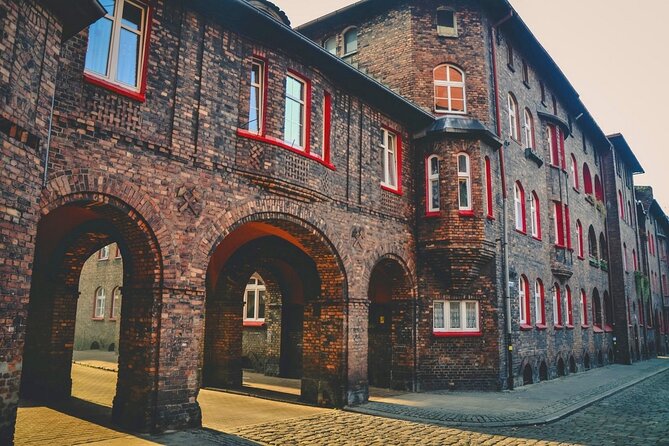
Most people fly into Poland and aim for the big-name routes, and that’s fine. But Nikiszowiec in Katowice has a different pulse. It’s not just a pretty old district. It’s built around how coal workers lived, worked, and organized their lives, and you feel that logic as you walk.
The tour is also a good antidote to “museum-only” travel. You’re not stuck looking at objects behind glass. Instead, you move through the district and let the layout do some of the teaching. The guide connects building blocks like portals, courtyards, and quarters to daily routines, so you’re building a mental map as you go.
And because the area’s story runs through multiple time periods, it keeps your attention. You’re not just doing a one-era history walk. You’ll hear about World War I impacts, the Silesian Uprisings, later shifts after World War II, and how communism changed Nikiszowiec.
A few more Krakow outings to weigh up
- From Krakow: Auschwitz-Birkenau Guided Tour & Hotel Pickup
★ 4.5 · 33,358 reviews - From Krakow: Auschwitz-Birkenau Guided Tour & Hotel Pickup
★ 4.5 · 29,340 reviews - Krakow: Auschwitz Guided Tour with Optional Hotel Pickup
★ 4.5 · 15,280 reviews
Tour Snapshot: 2 Hours 45 Minutes That Moves at a Human Pace
This is a private tour in English, usually around 2 hours 45 minutes. It’s designed so your group stays together and you’re not crammed into someone else’s timing. That matters here, because the district rewards slow looking. You want time to notice how the streets and quarters work, not just pass through.
You’ll also get a mobile ticket, and most people can participate. The route is a walk between key points, with short “pass by” segments that still include clear context. If you like tours where you don’t have to keep asking what you’re seeing, this format tends to work well.
The price is $93.45 per person. That’s not cheap, but it’s also not just you paying for footsteps. You’re paying for a guided narrative that ties together architecture, labor history, political change, and local art.
Starting at Kościół pw. św. Anny in Katowice: The Local Welcome
You’ll begin at Kościół pw. św. Anny w Katowicach, on plac Wyzwolenia 21. This start point matters because it sets the tone. Churches like this are part of why Polish neighborhoods feel connected and personal, not just planned from above.
At this first stop, there’s no big “wow” performance. It’s more like an orientation moment. The guide frames Nikiszowiec as a historical relic and a tribute to local ethnicity. In other words, you’re not only walking through old buildings, you’re walking through identity.
Practical note: the stop is listed as free, and the visit is brief. It’s a fast start, so it helps to show up ready to walk.
Zillman Square: How the Architects Shaped Daily Life
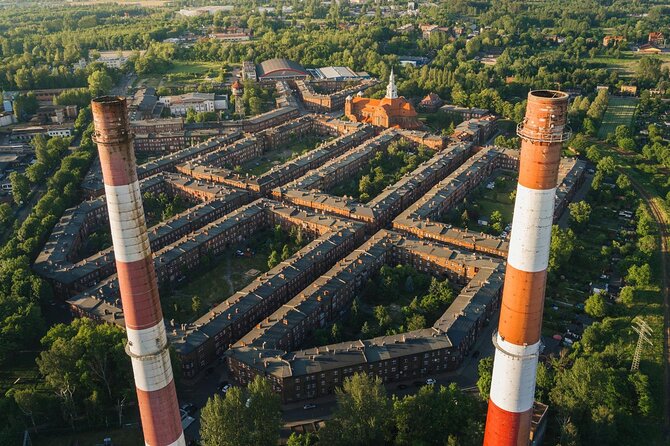
Next you head to skwer Emila i Georga Zillmannów, the Square of Zillmans. This is a key “turn the map on” stop. Here you learn the general idea and purpose behind Nikiszowiec’s architectural plan, plus how nearby areas relate to it.
Why I like this kind of stop: it helps you stop thinking of the district as random streets and start seeing it as an organized system. When you understand the plan early, the later quarters and gardens make more sense, and the stories land better.
This stop is also short, and the admission is free. Think of it as getting your bearings fast, so the rest of the walk feels clearer.
Still in reach of Krakow, but a different sort of day:
- Krakow: Wieliczka Salt Mine Tour with Entry Ticket
★ 4.6 · 10,927 reviews - Krakow–Zakopane: Cable Car, Chocholow Baths, Cheese & Vodka
★ 5.0 · 10,720 reviews - Krakow: Auschwitz-Birkenau Guided Tour with Pickup & Lunch
★ 4.5 · 9,800 reviews - From Krakow: Wieliczka Salt Mine Tour
★ 4.6 · 9,393 reviews
From Liberation Square to Nikiszowiec: Urban Planning Made Simple
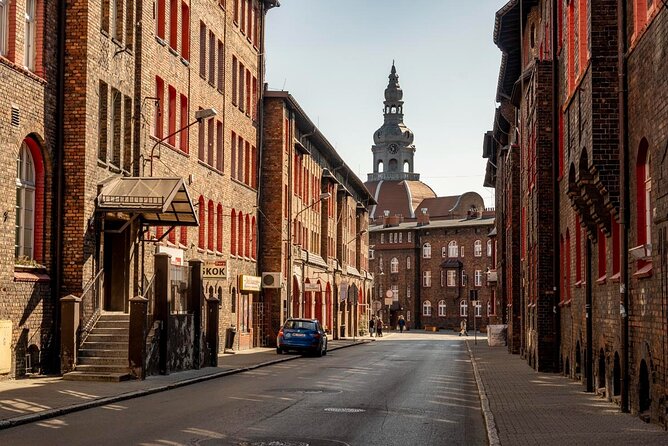
Then you move into Nikiszowiec, passing through areas connected to Liberation Square. The guide focuses on how the district is divided into quarters and what each quarter was meant to do.
You’ll also hear about daily routines. That part is important. A district like this can look rigid in photographs, but on foot you notice how people use space. Portals, building arrangements, and shared outdoor pockets add up to a rhythm of everyday life.
This stop is short in time, but it acts like the tour’s foundation. If you’re the type who enjoys seeing how cities work, not just why they existed, you’ll appreciate this portion.
Nikiszowiec Historic Mining District: WWI, Uprisings, and the Real Neighborhood Feel
One of the strongest sections of the tour is the Nikiszowiec Historic Mining District. Here the guide explains how daily life worked for residents back then, and how it looks now. That before-and-after framing keeps the district from feeling frozen in time.
You’ll pass through several quarters, plus interior gardens. These spaces are where the district’s planning becomes visible in a softer way. Gardens and shared outdoor areas help you understand how people got breaks from work life, even when everything was tied to the mine.
The stories also cover major turning points:
- the situation during World War I
- and the Silesian Uprisings
This is the kind of history that feels grounded because it’s tied to places you can still stand in. It’s not just politics floating in the air.
Ślōnsko Embassy and the Silesian Identity Shift Through the 20th Century
Next you pass Łukasz Kohut – Ślōnsko Ambasada, often described as a Silesian Embassy. This is where the tour steps from the physical layout into political and cultural identity.
The guide explains the interwar period and the Autonomous Region of Silesia, then moves on to what happened during World War II and the changes brought by communism to Nikiszowiec.
Why this stop works: it helps you connect buildings and street life to bigger forces. When you know that, you can look at the district and think in layers instead of single snapshots.
Again, it’s a pass-by segment, not a long museum-style stop. That keeps the pace moving, so you don’t lose the walking flow of the day.
Pułaski Shaft Complex: Where Coal Powered the Town
At the Pułaski Shaft Complex, you get a direct link to the industrial engine behind Nikiszowiec. You pass the former coal mine, the place of work for many inhabitants.
One standout detail you’ll hear about here is the historic railway used to transport industrial materials and people between industrial estates of Silesia. Even if you do not become a rail-history person, this is a powerful idea. It shows how labor routes shaped where people lived and how the whole region functioned.
It’s listed as free admission and about twenty minutes. That’s a good amount of time for an outdoor industrial site, especially when the guide adds context as you go.
Art Along the Way: Murals, Myths, and Silesian Creators
A big reason this tour feels more than “history walk” is the art. You’ll see references to contemporary paintings and artistic visions of Nikiszowiec, Katowice, and the broader Silesian region.
One stop is Grzegorz Chudy – Atelier z akwarelami, focused on contemporary portrayals and local legends, including mythical creatures. Even if you’re not into art theory, you’ll likely like the way the guide connects imagination to place. Myths and art become another lens for identity.
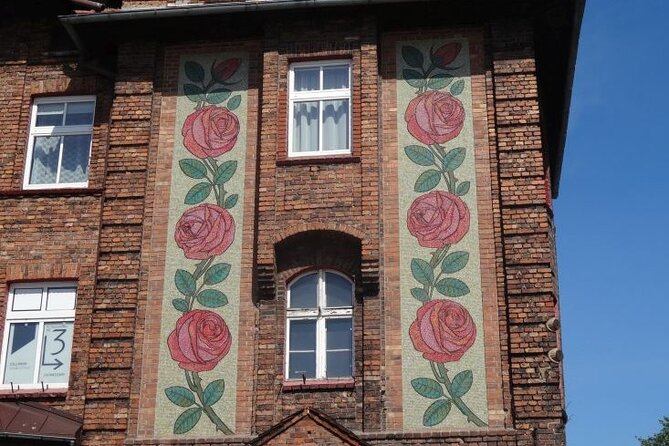
You’ll also pass Skwer Artystów Grupy Janowskiej, the square tied to Janów District artists. Here the focus is on colorful murals and reproductions of artworks from top artists connected with Nikiszowiec.
And don’t miss the quick glance at the historical school, Szkoła Podstawowa im. S. Żeromskiego 53. It’s only a couple minutes, but it reinforces the idea that Nikiszowiec was planned as a lived-in community, not only a workplace.
The Museum Stop: A Typical Flat and Janów Group Interiors
The tour culminates with Museum of Katowice History, City Ethnology Department for about 30 minutes, with admission included.
This is where the district becomes tactile. You’ll get to see interiors of a typical flat in Nikiszowiec. It’s not just big buildings and street corners. You’re seeing how rooms looked and what “daily and festive life” looked like through art inside.
The museum stop also highlights original works linked to the Janów Group artists, including scenes that cover both daily routines and celebrations. There’s even mention of surrealistic artworks, including depictions sometimes described in relation to a Silesian Salvador Dali. If you like art that feels a bit odd in a good way, this is a satisfying counterpoint to the industrial history.
This is also the part of the tour that gives you a chance to slow down without losing the narrative.
Price and Value: What $93.45 Gets You Here
Let’s be practical. $93.45 per person is the kind of price where you want to feel the value quickly. In this case, you’re paying for:
- a private guide experience for your group
- an organized route with multiple identity and history stops
- a museum entry that is actually included
- and, based on past feedback, a guide who brings the story to life with clear presentation
The best value isn’t only the included ticket. It’s the way the tour ties together themes. Many tours either do architecture or do history or do art. This one blends all three, and that reduces the chance you’ll feel you paid for “just walking.”
If you’re visiting Katowice for a short time and you want one focused outing that explains why this region feels different from the rest of Poland, this price starts to make sense.
Who This Tour Is Best For (And Who Might Not Love It)
This is a strong fit if you like:
- urban planning and worker housing stories
- industrial history tied to real neighborhoods
- art that reflects local legends and everyday life
- a guide-led narrative in English
It also works well for families. The pace is structured, stops are varied, and there’s enough art and human-scale context to keep it interesting for kids and teens, depending on attention span.
If you only want the most famous highlights, this may feel more niche than Krakow or Warsaw style sightseeing. But that can be the point. Nikiszowiec is exactly the kind of place where you get a different Poland, one that feels local instead of staged.
Small Practical Tips Before You Go
- Wear comfortable shoes. The itinerary is a walking loop through the district.
- Bring a layer. Even in good weather, parts of Silesia can feel cool or breezy in shade.
- If you care about photos, give yourself extra time at corners where the guide pauses for explanation. The architectural details are worth it.
- Expect a story-heavy tour, not a silent self-guided stroll. If you like Q and A, private format makes that easier.
Also, service animals are allowed, and the meeting area is near public transportation. That’s helpful if you don’t want to deal with parking.
Should You Book This Nikiszowiec Industrial District Private Tour?
If you want a guided day that explains why Nikiszowiec looks and feels the way it does, I’d book it. The route hits the district’s backbone, from early planning ideas to mining work, then it connects that to political shifts and ends with a museum interior that makes the whole story real in your mind.
The one real question is your tolerance for outdoor walking and the need for good weather. If the forecast is awful, the tour can be adjusted or refunded, so it’s wise to keep your schedule flexible.
If you’re traveling as a couple or family and you prefer a private, English experience with a guide who can clearly present stories, this is an easy yes.
FAQ
How much does the Nikiszowiec Industrial District Private Tour cost?
The tour price is $93.45 per person.
How long is the tour?
It runs about 2 hours 45 minutes.
What language is the tour offered in?
The tour is offered in English.
Is this tour private?
Yes. It is a private tour/activity, and only your group participates.
Where do we meet, and does it end nearby?
You meet at Kościół pw. św. Anny w Katowicach, plac Wyzwolenia 21, 40-423 Katowice, Poland, and the activity ends back at the same meeting point.
Is the museum admission included?
Yes. The Museum of Katowice History, City Ethnology Department stop has admission included.
What about weather and refunds?
This experience requires good weather. You can cancel for a full refund up to 24 hours in advance of the start time, and you may be offered a different date if it is canceled due to poor weather.
Fresh listings from Krakow
- Zakopane & Gubalowka Funicular – Private Winter Tour from Krakow★ 5.0 · 10 reviews
- ZALIPIE – painted village, unique PRIVATE tour from Krakow★ 5.0 · 20 reviews
- stag dog chase Krakow prank★ 5.0 · 4 reviews
- ZALIPIE – painted village, unique small group tour from Krakow★ 5.0 · 7 reviews
- Full-Day Zalipie Painted Village Guided Tour★ 4.0 · 3 reviews
- Sleigh Ride & Bonfire in Zakopane with Funicular – Private Trip★ 5.0 · 48 reviews
- Zakopane to Chocholow Thermal Pools 3h Ticket with Hotel Transfer★ 5.0 · 9 reviews
- Zakopane PRIVATE TOUR from Krakow★ 5.0 · 18 reviews
Private, compared.

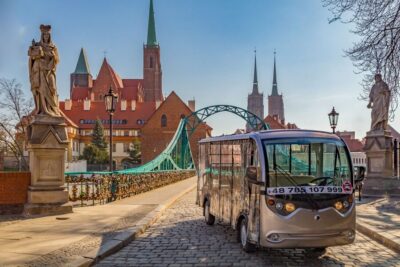
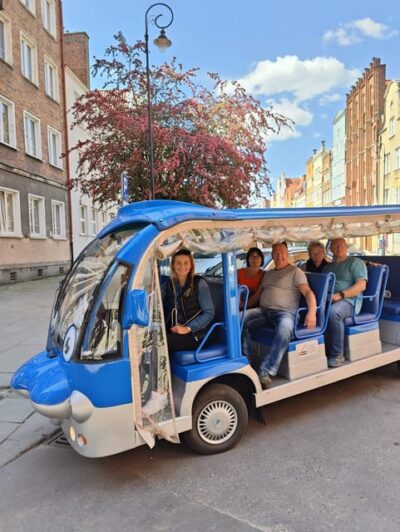
Shared or Private City Tour Sightseeing by Golf Cart
Read our review →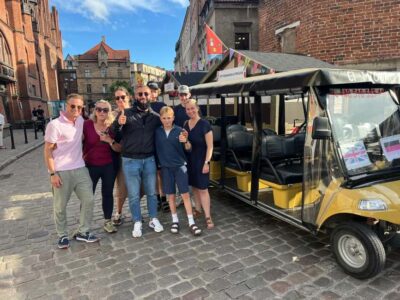
Shared/Private Golf Cart City Tour with Local Guide
Read our review →
Private Tour: Warsaw City Sightseeing by Retro Fiat
Read our review →
Warsaw Ghetto Private Walking Tour with Hotel Pickup
Read our review →
Private Departure Transfer: Krakow City To Krakow Airport Balice
Read our review →