
Review · NOWA HUTA & COMMUNISM TOURS
Nowa Huta: Steelworks Administration Buildings/Shelters Tour
Nowa Huta does not do small talk. This is your chance to step inside Cold War administration buildings tied to Krakow’s socialist steel city, then go further underground to see shelters and command spaces that still feel frozen in time.
I especially loved how the tour is built around real rooms in use long ago, from the grand entrance hall to director and engineering offices, not just generic exhibits. The second thing I liked a lot was the people factor: a local guide such as Mateusz tends to bring stories and details to life, including what still works and what was saved.
One drawback to plan around: this is not an open walk-through of the operating steelworks. The tour focuses on administration and shelter areas, so if you want to watch active industrial production, this is likely the wrong fit.
In This Review
- Key Points You Should Know Before You Go
- Inside Nowa Huta’s Steelworks Buildings, Where the Cold War Still Shows
- The Two Administration Buildings and the Tunnel That Connects Them
- Going Down to Bomb Shelters and the Underground Command Center
- Director Offices, Engineer Corners, and the Power Layout
- Radio Station Rooms, Tapes, and Why Communications Were Central
- Workers’ Spaces: Theater Hall and Oval Corner Staircases
- Vintage Car Option: A Period-Correct Start for Photos
- Duration and Pace: 90 Minutes to 2 Hours That Actually Mean Something
- Price, Value, and What You Are Really Paying For
- Who This Tour Is For (and Who Should Skip It)
- My Booking Advice: Should You Book This Nowa Huta Tour?
- FAQ
- How long is the Nowa Huta Steelworks Administration Buildings and Shelters Tour?
- What is included in the tour price?
- Is entry to the operating part of the steelworks included?
- Is the tour available in English?
- Is this tour suitable for wheelchair users or people with mobility impairments?
- Where do I meet the guide?
- Can I cancel or pay later?
Key Points You Should Know Before You Go
- Two almost twin administration buildings, with clear differences pointed out during the walk-through
- Underground tunnel access that connects spaces and sets the mood fast
- Bomb shelters and an underground command center, including how radio communications were set up
- Original materials and preserved interiors, from offices to technical rooms
- A workers theater hall and oval corner staircases that are part of the architecture you actually get to see
- Optional vintage car time, for photos and a very period-correct start
Inside Nowa Huta’s Steelworks Buildings, Where the Cold War Still Shows
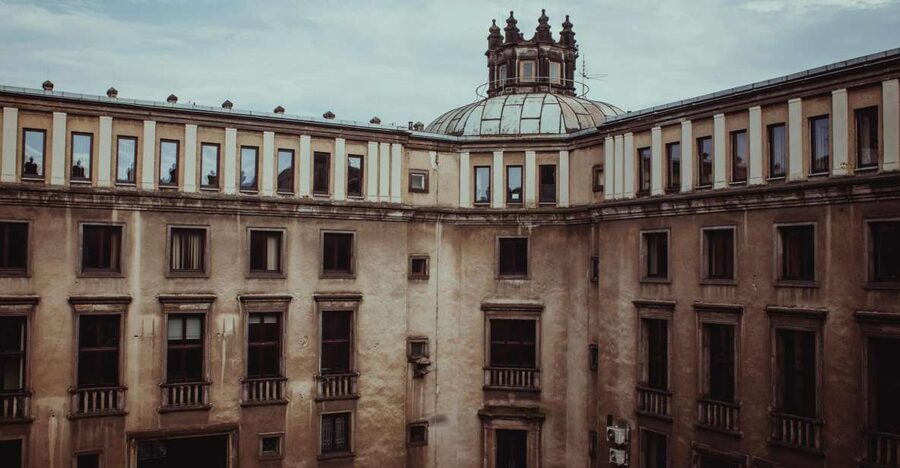
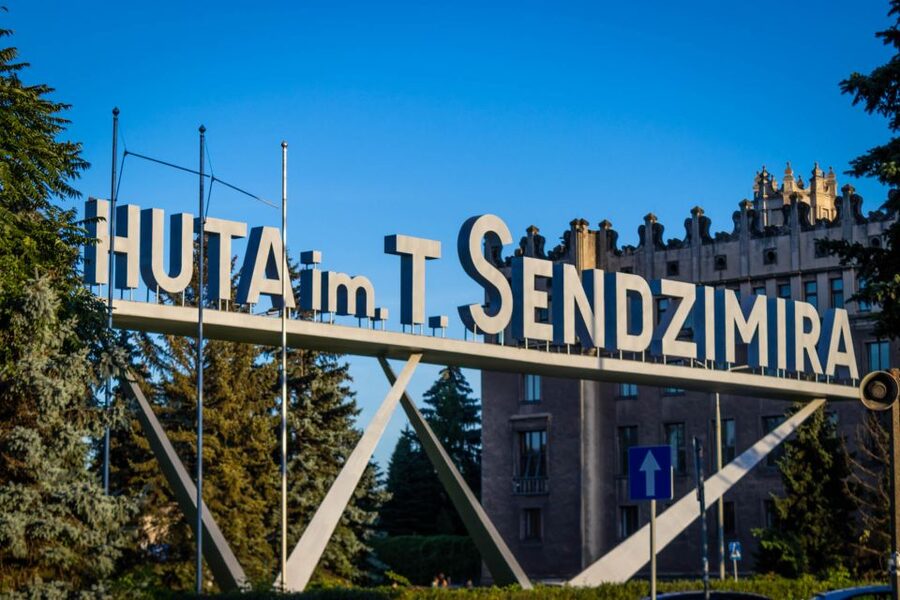
If Krakow is your go-to for medieval streets and postcard views, Nowa Huta is the useful contrast. It’s a district tied to a socialist city plan from the 1950s, built around steel production, and the administration buildings are where power, planning, and tech decisions happened. Walking through those spaces is the whole point, because these are not modern museum reconstructions.
I liked that the tour feels structured but not stiff. You move room to room and the guide explains what you’re looking at: who used the spaces, how the place was organized, and why certain features mattered to the people in charge. That context turns hallways and office corners into something you can actually understand, instead of just photographing surfaces.
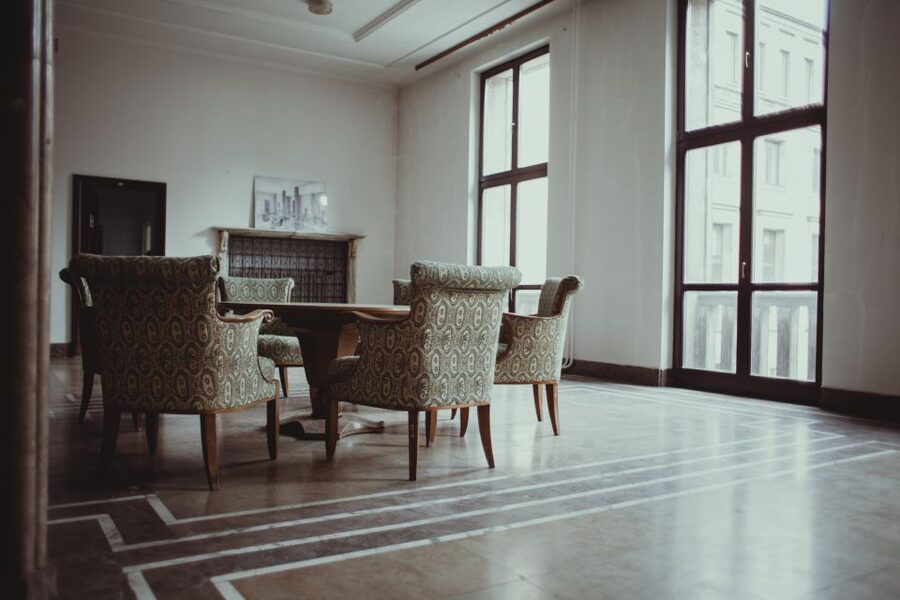
Even the building details help you “read” the era. The entry sequence is designed to impress. The entrance hall is described as resembling a renaissance-style staircase, and you can also see rooms where expensive ornamental stone was used to satisfy the plant directors’ aesthetic demands. It’s a strange mix: industrial purpose with showy authority, and it makes you think about what leaders wanted workers to believe.
More Nowa Huta and communism tours:
- Krakow: Nowa Huta Guided Tour in Vintage Car
★ 4.9 · 277 reviews - Legendary Private Nowa Huta Communism Tour with Crazy Guides
★ 5.0 · 262 reviews - Krakow: Private Nowa Huta Adventure Tour in Communist Cars
★ 4.9 · 114 reviews
The Two Administration Buildings and the Tunnel That Connects Them
A key part of the experience is that you don’t just visit one building. You explore two almost twin buildings and learn why they are similar, but not identical. That matters because it gives you something to compare while you’re walking, and it keeps the tour from feeling repetitive.
From there, you go through an underground tunnel that connects the buildings. This is where the tour shifts from office grandeur to Cold War practicality. Instead of staying “above ground” and sightseeing your way through, you’re moving between spaces that were meant for serious operations.
What I found especially effective is how the tour uses this physical connection to explain a bigger idea: the administration side of a steelworks was not separated from security and communications. It was part of the same planning system. You start seeing how a factory could function like a state within a state.
Practical note: expect stairs and some tight sections. The experience is not suitable for people with mobility impairments or wheelchair users, so plan around that if you need accessible routes.
Going Down to Bomb Shelters and the Underground Command Center
The underground portion is the dramatic payoff. The tour takes you into bomb shelters and an underground command center, including the second half of the 1950s style of shelter design. It’s one thing to read about Cold War survival planning. It’s another to walk the corridors and see what the spaces looked like when communication, coordination, and protection were the priorities.
This is also where you feel the tone of the tour most strongly. It’s not just “here’s a bunker.” It’s shown as an operational mindset, with radio control and communications equipment treated as essential pieces of the system. You’re not wandering randomly. The guide directs you through rooms in a way that helps you picture how people would have used the space during an emergency.
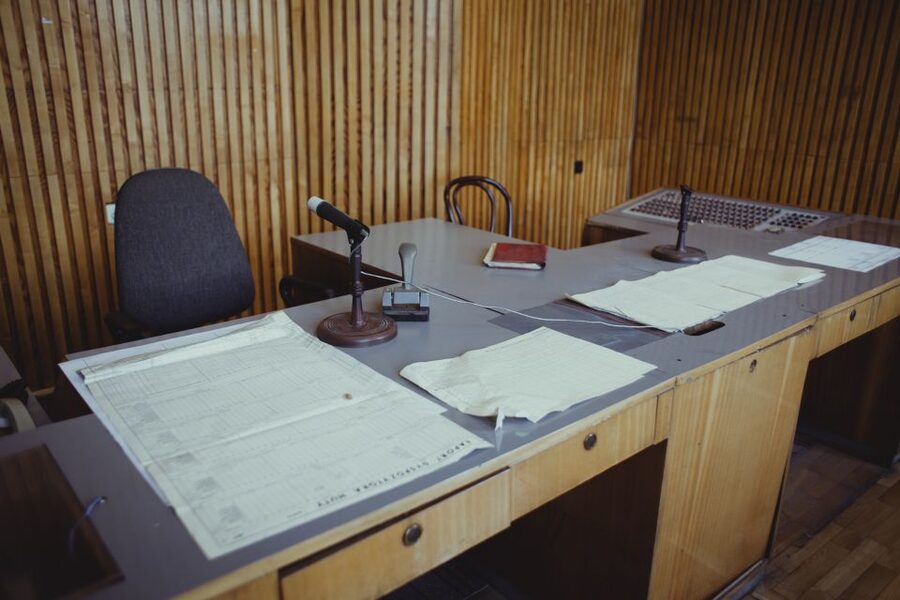
If you’re the type who likes technical history, pay attention during this segment. The tour includes details about how the radio control room and radio station worked, and you may get to listen to authentic tapes recorded there. That kind of audio adds texture. It makes the place feel less like a set and more like an actual working environment.
Director Offices, Engineer Corners, and the Power Layout
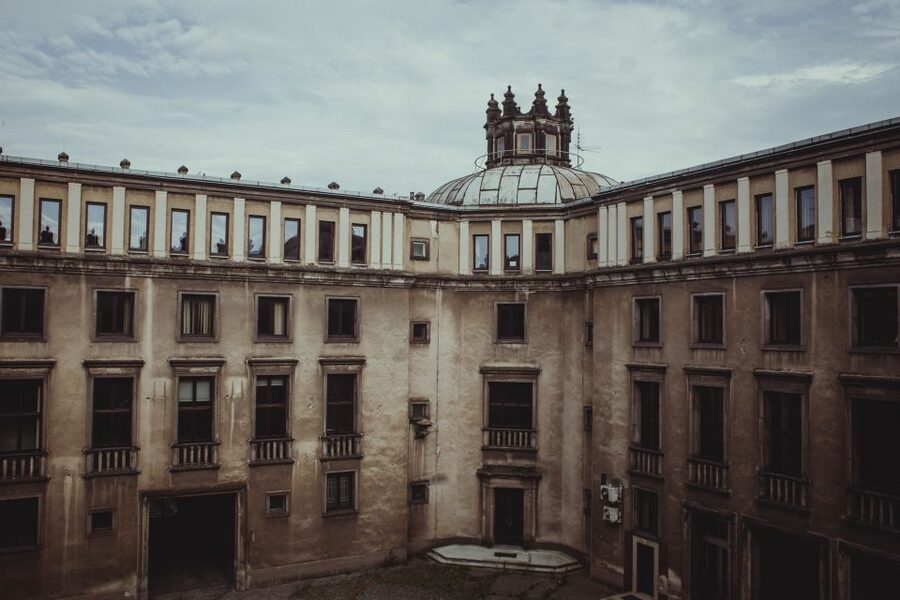
After the tunnel transition, the tour goes back aboveground into the administration world. You’ll see the majestic entrance hall, then the plant leadership spaces, including director executive offices and corner offices used by engineers.
These rooms help you understand hierarchy. Corner offices sound minor until you think about visibility and influence. In a place like this, where decisions could affect entire production streams, the office layout was part of the workflow. The building design supports that message, and the guide keeps pointing out the practical side of what looks decorative.
One of my favorite parts here is how the guide ties the architecture to daily reality. You don’t only get a list of rooms. You get a sense of how those rooms were used, and how people moved through the power chain.
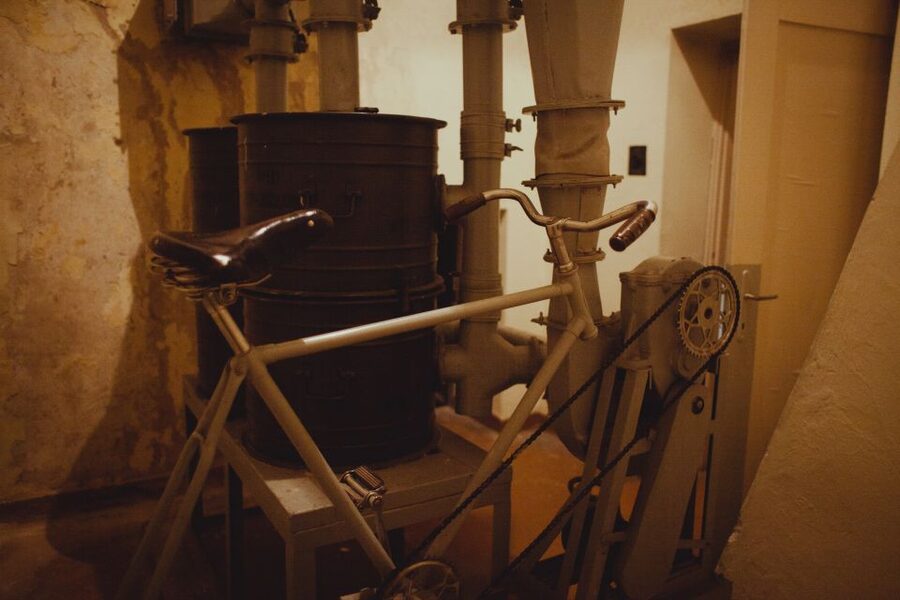
You might also see small functional details that add realism. A guide may show items like phones that still work, or a bicycle used for the generator. Those aren’t the headline features, but they’re the kind of touches that make the visit feel grounded rather than staged.
A few more Krakow outings to weigh up
- From Krakow: Auschwitz-Birkenau Guided Tour & Hotel Pickup
★ 4.5 · 33,358 reviews - From Krakow: Auschwitz-Birkenau Guided Tour & Hotel Pickup
★ 4.5 · 29,340 reviews - Krakow: Auschwitz Guided Tour with Optional Hotel Pickup
★ 4.5 · 15,280 reviews - Krakow: Wieliczka Salt Mine Tour with Entry Ticket
★ 4.6 · 10,927 reviews
Radio Station Rooms, Tapes, and Why Communications Were Central
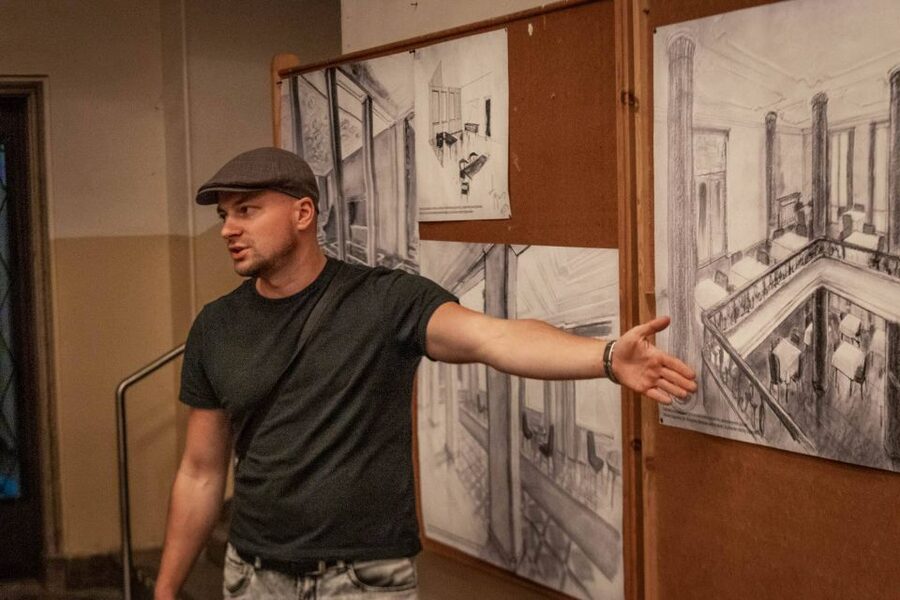
In many Cold War stories, the focus goes to weapons and geopolitics. This tour nudges you toward something more everyday and equally telling: communications. The radio control room and radio station are included, and you can check how the setups worked.
The highlight for me was the chance to listen to authentic tapes recorded there. It’s the kind of detail that can’t be faked with generic audio. Even if you don’t read every technical component, hearing recorded material from the place gives you a strong sense of time.
The guide also tends to connect the dots between the bunker level and the administration level. If the underground command center is where survival coordination would happen, then the radio gear is how information traveled. That makes the building tour feel like one story instead of disconnected rooms.
Workers’ Spaces: Theater Hall and Oval Corner Staircases
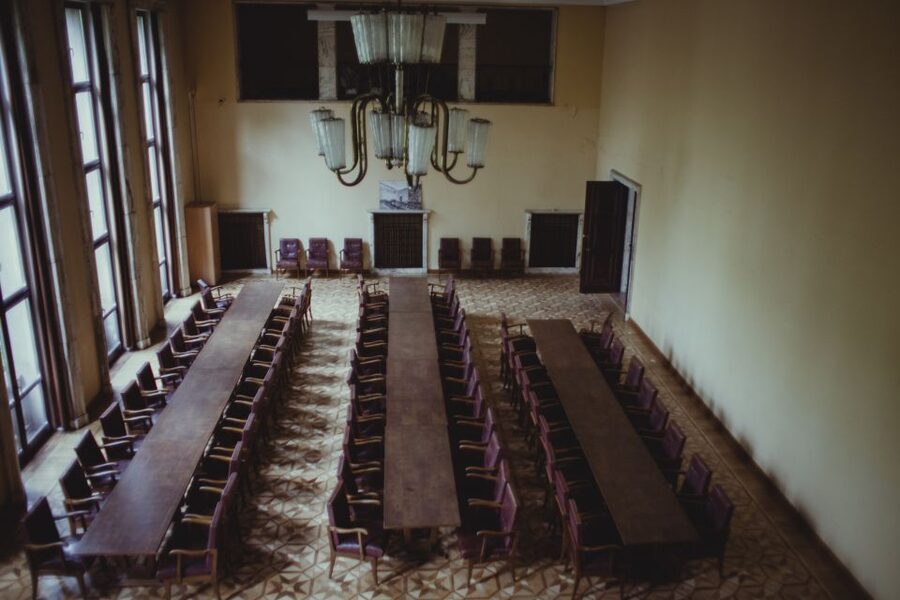
Not all the drama is underground or in director offices. You also get to see the workers building theater hall, which is also used today. That detail surprised me in a good way. It shows the architecture hasn’t just been sealed away. Some spaces still have a function, and that helps you avoid the “everything is dead” feeling.
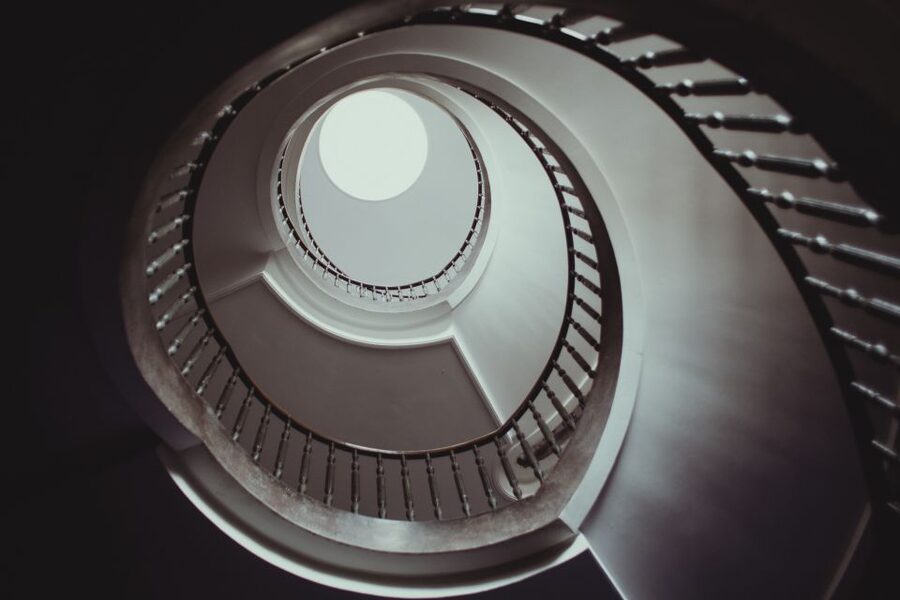
Another architectural standout is the oval corner staircase. There are eight of them located in both buildings. That means you see the staircase shape from multiple angles and get a better sense of how circulation and design were handled.
Staircases sound like a small thing until you notice what they do. They control movement, create sightlines, and reinforce building identity. When you see how these ovals appear repeatedly, you start to understand why the buildings were designed to feel important. Even the flow of people mattered.
Vintage Car Option: A Period-Correct Start for Photos
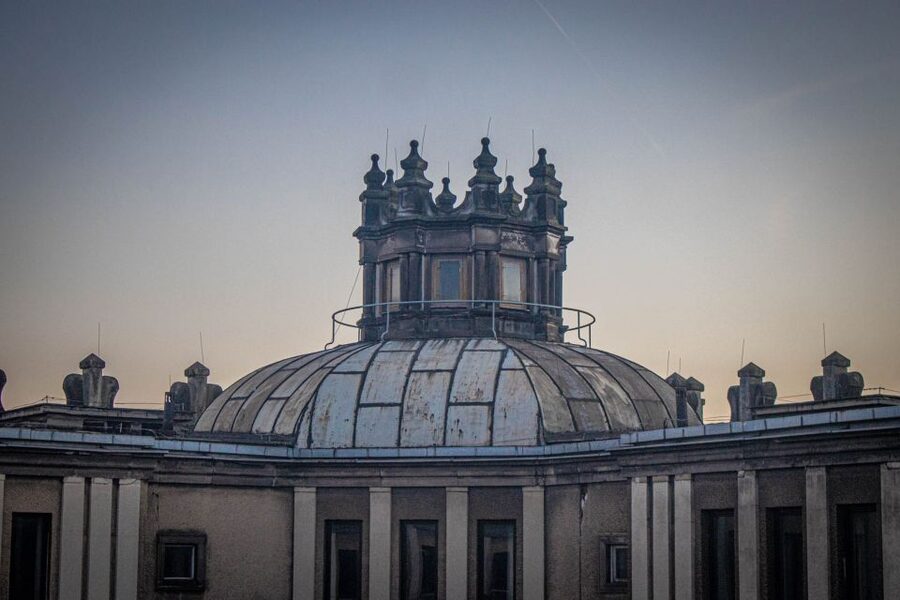
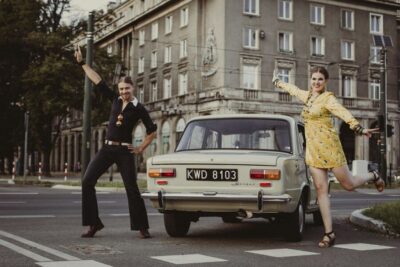
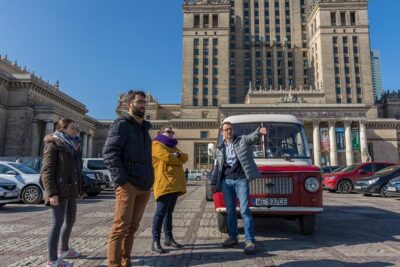
There’s an option that adds a fun twist: you can take the tour in a vintage car. If you choose it, it’s included as a communist era car presentation for photos, and it fits the overall vibe better than most tourist add-ons.
This isn’t just for “Instagram energy.” It helps you get into the mood before you ever reach the first building. You’re stepping into a preserved mindset, and starting with a period-appropriate vehicle makes the experience feel more cohesive.
If you care about visuals, this can be a worthwhile extra. If you prefer spending your budget strictly on the time inside the buildings, you might skip it and still get the core access.
Duration and Pace: 90 Minutes to 2 Hours That Actually Mean Something
The tour runs about 90 minutes to 2 hours. That time window is important. It’s long enough to see the main administration highlights and still get underground, but short enough that the tour stays focused instead of turning into a long lecture.
The pace also matters because you’re moving through rooms with stairs and tight sections. If you try to do this plus several other Krakow stops back-to-back, you may feel “tour fatigue.” I’d treat this as a priority item, not an add-on you squeeze between dinners.
Group size can vary. Some tours may run with only a few people, which is a real advantage for Q and A. When you have a local guide like Mateusz, questions get answered with real specificity, not vague hand-waving.
Price, Value, and What You Are Really Paying For
At about $26 per person, this tour is good value if what you want is access plus context. For that price, you’re getting an English-speaking guide, a guided tour of the steelworks buildings and the shelter, and optional vintage car photo time if you select that add-on.
The big value driver is that you’re not just looking at objects behind glass. You’re inside preserved decision-making spaces, and you’re shown underground shelter design as it was meant to function. That kind of access is usually rare, and it’s exactly why people leave talking about the experience’s atmosphere.
There’s also a practical impact angle: one review notes that half of the earnings go toward restoration and keeping the buildings functioning. That means you’re not only buying a ticket. You’re contributing to a site that still needs care.
What you should factor in is also what’s not included. You will not get entry to the operating part of the steelworks. If your definition of value is watching steel production in action, adjust your expectations now.
Who This Tour Is For (and Who Should Skip It)
This is for you if:
- You want a contrast to Krakow’s Old Town and you like understanding how the city’s modern identity formed
- You enjoy Cold War and socialist-era architecture where the design communicates power
- You like practical details, especially communications and shelter planning
- You enjoy guided storytelling from locals, including personal family context
This is likely not for you if:
- Mobility is an issue, since the tour is not suitable for wheelchair users or people with mobility impairments
- You came specifically for active industrial viewing, because the operating part is not included
My Booking Advice: Should You Book This Nowa Huta Tour?
I’d book this if you want an authentic, inside-access Cold War experience in Krakow. The combination of preserved administration interiors, underground shelters, and a guide who can explain how communications and authority worked makes it more than a novelty tour.
If you’re trying to decide between this and a more traditional museum stop, choose this when you want atmosphere and real physical context. Choose a museum when you want wide-ranging educational galleries and lighter walking.
Bottom line: if you like places that feel like time capsules, and you’re okay with stairs and a focused 90 minutes to 2 hours, this is an easy yes.
FAQ
How long is the Nowa Huta Steelworks Administration Buildings and Shelters Tour?
The tour lasts about 90 minutes to 2 hours.
What is included in the tour price?
You get a guided tour of the steelworks buildings and its shelter, an English speaking guide, and a communist era car presentation for photos. If you select the option, you also get a tour in a vintage car.
Is entry to the operating part of the steelworks included?
No. Entry to the operating part of the steelworks is not included.
Is the tour available in English?
Yes, the tour is listed as English.
Is this tour suitable for wheelchair users or people with mobility impairments?
No. It is not suitable for people with mobility impairments and wheelchair users.
Where do I meet the guide?
The meeting point may vary depending on the option booked.
Can I cancel or pay later?
The activity offers free cancellation up to 24 hours in advance for a full refund, and it also offers reserve now & pay later (pay nothing today).
Fresh listings from Krakow
- Zakopane & Gubalowka Funicular – Private Winter Tour from Krakow★ 5.0 · 10 reviews
- ZALIPIE – painted village, unique PRIVATE tour from Krakow★ 5.0 · 20 reviews
- stag dog chase Krakow prank★ 5.0 · 4 reviews
- Full-Day Zalipie Painted Village Guided Tour★ 4.0 · 3 reviews
- Sleigh Ride & Bonfire in Zakopane with Funicular – Private Trip★ 5.0 · 48 reviews
- ZALIPIE – painted village, unique small group tour from Krakow★ 5.0 · 7 reviews
- Zakopane PRIVATE TOUR from Krakow★ 5.0 · 18 reviews
- Zakopane Funicular Hill & Thermal Springs regular tour★ 5.0 · 9 reviews
Nowa Huta & Communism Tours, compared.
Legendary Private Nowa Huta Communism Tour with Crazy Guides
Read our review →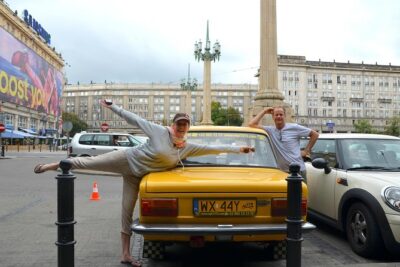
Private Tour: Warsaw’s Communist History by Retro Fiat
Read our review →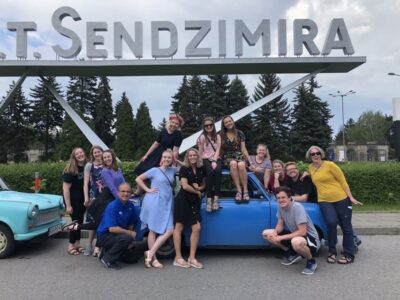
Private Nowa Huta Adventure Tour in Communist Cars
Read our review →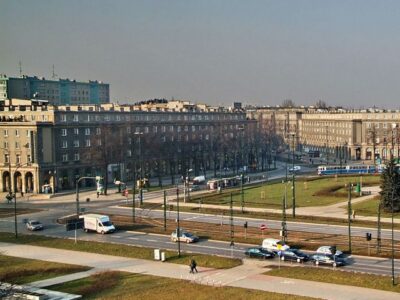
Communist Krakow – Nowa Huta Walking Tour in English
Read our review →Browse the lists this tour appears in