
Review · CITY TOURS
Sopot Private City Walking or Bike Tour with a local architect
Sopot feels made for strolling, and this private tour gives you a smart route through it. You start with old photos, then follow stories tied to spa-era architecture and seaside life, from the main promenade to the pier and an optional lighthouse climb.
What I like most is the way it connects street-level details to the big changes in Sopot over time. I also like the pacing, short stops with free access, and how an architect’s eye helps you notice things you’d usually miss.
One consideration: it’s still a walking tour, so the optional lighthouse stairs can be tiring if you’re not into step-heavy viewpoints.
In This Review
- Key Highlights You’ll Notice
- A Private Architect-Led Walk That Teaches You How to Look
- Getting Oriented from the Start on Bohaterów Monte Cassino
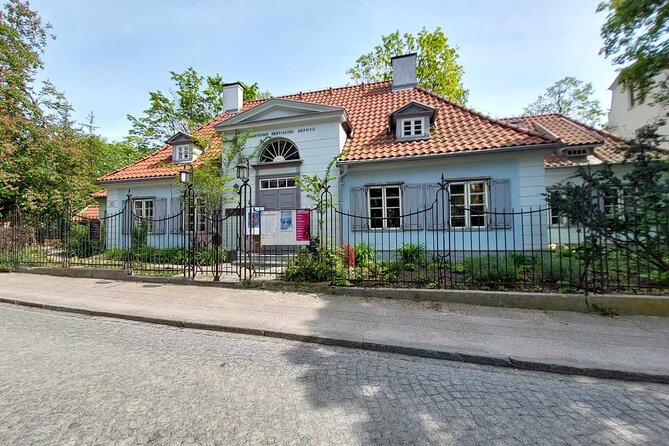
- Dworek Sierakowskich, a Calm Pause Off the Main Flow
- From a Picturesque Bridge to Villas Street, Plus the Montmartre Angle
- Goyki 3 Art Inkubator and the Tower Villa Story
- Sopot Spa Architecture, the Dahlberg Connection, and the Crooked House
- Haffner Monument and the Spa-Town Lifestyle Feel
- Sofitel Grand Sopot and the Beachfront Grand Hotel Moment
- Skwer Kuracyjny Plaza, 1925, and the Riviera of the North
- Changing Rooms, Fishermen Houses, and the Pier Walk-By
- Sopot Lighthouse Steps, and When to Choose the Climb
- Price and Value for a Private Group Up to 9
- Who This Tour Fits Best (and Who Should Skip It)
- Should You Book This Sopot Architect Tour?
- FAQ
- What is the price for this Sopot tour?
- How long does the tour last?
- Is pickup available?
- What language is the tour offered in?
- Is the tour walking only?
- Are entrance fees included?
- Where does the tour start?
- Where does the tour end?
- What is the cancellation policy?
Key Highlights You’ll Notice
- A local architect’s storytelling that connects building details to Sopot’s seaside and spa identity
- Historical photos used on the street so you can track how the town center evolved
- Free entry for most stops, so your time goes to seeing, not paying
- Spa architecture at human scale, with a walk through the key complexes near the Changing Rooms
- Art and architecture links, including the crooked house idea tied to Per Oscar Gustav Dahlberg
- Flexible finish, with the pier explained and the lighthouse steps optional
A Private Architect-Led Walk That Teaches You How to Look
Sopot’s beauty is easy to spot. The trick is learning what you’re actually looking at. This is where an architect guide matters, because the tour is built around form, materials, and design choices, not just names and dates.
The group stays small, up to 9 people, and it’s private. That means questions are welcome, and your guide can adjust the pace. English is offered, and pickup is available, which helps if you do not want to stress about finding the first stop.
You get a practical mix of views and “why this exists here” stories. And because many stops are free to enter, the tour feels efficient for the time you spend outdoors.
More Walking Tours in Gdansk
- Gdańsk City Sights & History Guided Walking Tour in English
★ 4.8 · 876 reviews - Main Town Gdańsk Walking Tour
★ 5.0 · 644 reviews - Discover Gdansk Walking Tour
★ 5.0 · 495 reviews
Getting Oriented from the Start on Bohaterów Monte Cassino
Most people arrive in Sopot and immediately start scanning for beach scenes. This tour flips that. You begin at Bohaterow Monte Cassino, described as Poland’s first pedestrian street, famous across the country even today.
Here’s the idea: this street used to be the main route from inland to the sea. Your guide uses that background to help you understand why the center feels the way it does now. You’ll also see historical pictures that show the slow transformation of the streetscape over the centuries, so the buildings stop being random.
What you’ll love: the guide turns a straight promenade walk into a timeline you can actually follow. It’s also a free stop, so you do not lose time to ticket lines.
What to watch: if you hate photo-based storytelling, this first stretch may feel a bit “intro lecture.” Still, the photos are used to set context for the architectural comparisons later.
Dworek Sierakowskich, a Calm Pause Off the Main Flow
Next comes Dworek Sierakowskich, an 18th century building linked to an older manor world as a guest house. The interiors are the draw, along with a quieter back garden that feels removed from the busiest tourist lanes.
Why it works on this tour: it gives you a contrast. After the street energy of Bohaterow Monte Cassino, you get a more intimate scale and a slower pace. That makes the later villas and spa buildings feel more meaningful, because you’ve already learned to shift attention from promenade to property details.
There’s also a cultural connection that adds charm: a bust of Fryderyk Chopin, said to be associated with his possible stays and piano playing. Even if you are not a deep classical-music person, Chopin’s name gives the site extra pull.
Value note: entry here is free, so you are not forced to choose between “small stops” and “bigger hits.”
Potential drawback: this stop sounds indoor-forward. If the weather is great, you might wish the tour spent even more time outside, but the cool-down is part of the design.
From a Picturesque Bridge to Villas Street, Plus the Montmartre Angle
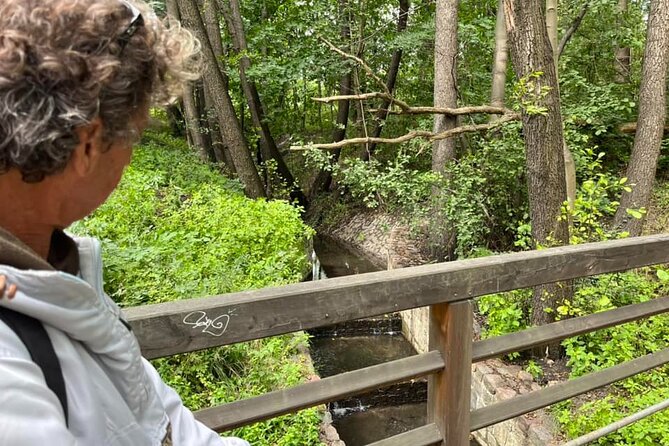
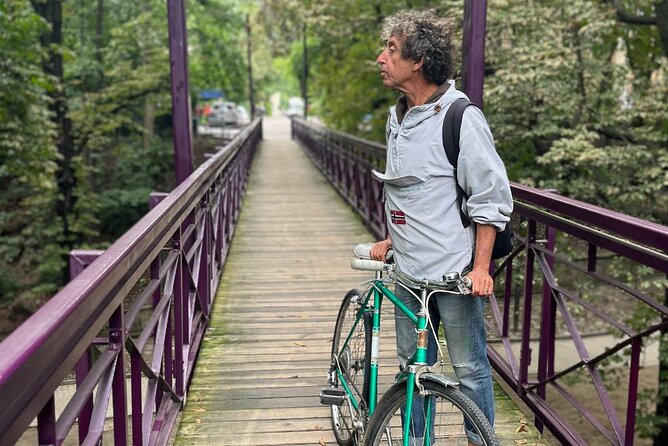
After Dworek Sierakowskich, you pass a picturesque bridge over a deep ravine. Then you reach the street that was once called Villas Street.
This is the point where the tour starts feeling like an architecture scavenger hunt. You look at classical-style houses, including the oldest one on the street from 1881. The guide also shares stories behind the walls, which is a nice way to keep the tour human, not just architectural.
A fun historical framing is added here: in the second half of the 20th century, the street was nicknamed Poland’s Montmartre. The name matters because it signals what the area became known for, not just what it was built as.
What you’ll enjoy: the combination of visuals, design cues, and a nickname that makes you curious to learn the “why.”
What to keep in mind: because you’re walking from stop to stop, you’ll want comfortable shoes. The ravine bridge and street transitions can be a bit uneven underfoot depending on season.
Still in reach of Gdansk, but a different sort of day:
- Gdansk: City Cruise on Historical Polish Boat
★ 4.8 · 2,913 reviews - Gdańsk: Sunset Cruise on a Historic Polish Boat
★ 4.9 · 977 reviews - Gdansk: Firearm Shooting Experience with Instructor
★ 4.8 · 866 reviews - Gdansk: Guided Round-Trip Cruise to Westerplatte
★ 4.3 · 865 reviews
Goyki 3 Art Inkubator and the Tower Villa Story
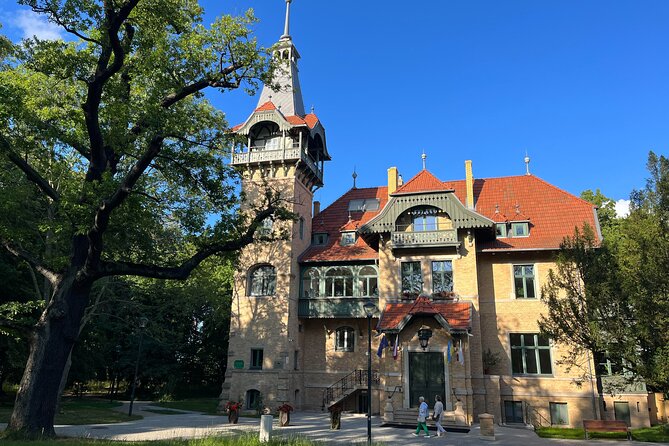
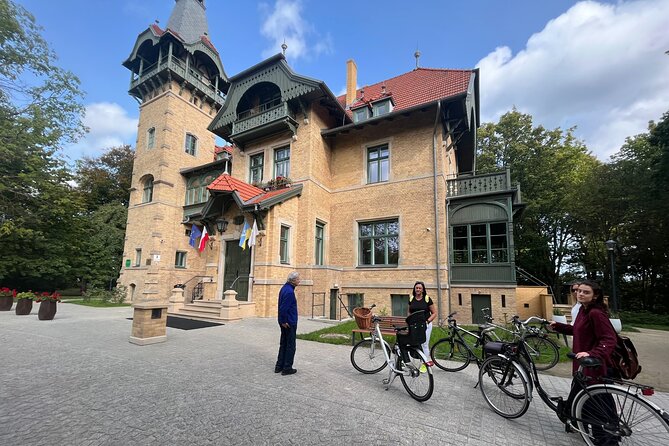
One of the biggest villas in this stretch is Goyki 3 Art Inkubator, including the Tower Villa. The building has late 19th century roots and comes with a long, sad story tied to its past owners and music.
Then today shows up in the same place: the villa now serves as an art institution. The contrast between old family-building intentions and later public art use is part of the tour’s point, Sopot keeps reinventing itself.
A clever theme appears here too: the guide asks why a building so far from the Alps would refer to an Alpine Resort style. That line is useful because it turns “pretty architecture” into a design question. You get an explanation of European spa resort trends that started in the 18th century, and how these fashion-driven ideas traveled.
Value note: this stop’s admission is free, so you get art and architectural context without extra cost.
Possible drawback: if you’re expecting one huge “museum moment,” this may feel more like a guided look at a building and its story than a full-length indoor experience. It’s still satisfying, just a different style of sightseeing.
Sopot Spa Architecture, the Dahlberg Connection, and the Crooked House
After the Tower Villa, the tour shifts into what Sopot is known for. Sopot is said to have one of the richest collections of spa architecture in Europe, and you walk to see what that means visually.
This is where you start noticing patterns. Spa towns often build for repeat visitors, with public rooms and dramatic facades designed to signal comfort and status. In Sopot, you’re surrounded by that legacy as you move through the central spa zones.
Then the tour adds art and local personality. Your guide points out a Swedish artist linked to Sopot since 1996, Per Oscar Gustav Dahlberg. You might even be offered a chance to stop by his house and studio, with the option to buy graphics or an album about Sopot or Gdańsk architecture. The key word here is possible arrangement, so treat it as a potential add-on rather than a guaranteed detour.
And yes, the tour connects Dahlberg to the famous crooked house in Sopot, describing the design inspiration as tied to his drawings. That’s a satisfying link because it connects a quirky attraction to a real creative figure, not just a random oddity.
What I like about this portion: it teaches you how to connect architecture to the people who shaped it, and it gives you a reason to look closely at both decoration and structure.
What to watch: some of the charm is in noticing small architectural features. If you like wide, fast photo stops, you may need to slow down mentally to get the most out of it.
Haffner Monument and the Spa-Town Lifestyle Feel
You then stop at the Jan Jerzy Haffner Monument. The tour frames Haffner as the town’s “godfather,” and your guide shares how he came to choose Sopot before the area became widely known.
This stop works because it broadens your understanding beyond buildings. It’s also a reminder that towns grow because people decide to invest, build, and market a place as a destination.
The story also points you toward what Sopot offers in everyday terms: tennis courts, trees in large parks, and sandy beaches. That trio helps you understand the spa lifestyle as a complete leisure package, not only medical or indoor culture.
What you’ll appreciate: short stop, strong context, and it helps you read the town like a system.
Potential drawback: it’s a quick moment. If you love long monument explanations, you might want more time here, but the tight structure is also why the overall tour fits into about 1.5 to 2 hours.
Sofitel Grand Sopot and the Beachfront Grand Hotel Moment
Next comes Sofitel Grand Sopot, the grand hotel majestically situated on the beach. The interesting angle here is that Sopot itself made the investment decision in the 1920s, turning the beachfront hospitality dream into a real built landmark.
This is a great stop if you like the feel of Europe’s interwar grandeur. Even if you never step inside a fancy hotel, you can still learn a lot by looking at how it sits in relation to the sea and the promenade.
What I like: the tour doesn’t treat the hotel as a closed-off luxury object. It gives the broader reason why it exists in Sopot, tied to the town’s own ambitions.
What to consider: this portion can be visually impressive, but it’s also easy to spend too much time taking photos. Keep moving so you still catch the spa plaza and the Changing Rooms section with energy.
Skwer Kuracyjny Plaza, 1925, and the Riviera of the North
Skwer Kuracyjny plaza is created in 1925, and the tour uses old photos to bring back what Sopot felt like when it was known across Europe as the Riviera of the North.
This stop is about mood. You’re looking at place design, open space, and the way a resort town channels crowds into a public square. The architecture and surrounding details help you understand how the town wanted to look to visitors from far away.
Even better, this plaza stop acts like a bridge between the grand beachfront world and the more intimate fishermen area that comes later.
What you’ll enjoy: a “then and now” feel, helped by the historical images your guide carries.
Potential drawback: if it’s windy or chilly, plazas can feel exposed. Dress for comfort so you can keep listening while enjoying the space.
Changing Rooms, Fishermen Houses, and the Pier Walk-By
The tour ends next to the Changing Rooms built in 1905. There are funny stories attached to this one, and it makes sense. Changing Rooms are practical, but they also reflect how people used to treat sea bathing as a social ritual.
Right around this area, your guide also points out small fishermen’s houses that were gently relocated in 1905. That detail matters because it shows the town’s transformation was not just architectural. It affected real livelihoods and neighborhoods, even if visitors only see the final spa-facing scenery.
At some point you’ll pass by the pier. The guide explains it so you know what you’re looking at when you visit it after the tour.
I like that this structure gives you options. The tour gives you the orientation, and then you decide how long you want to spend revisiting the pier area on your own.
Sopot Lighthouse Steps, and When to Choose the Climb
Near the end, the lighthouse stop is optional in a practical way. You get to the steps, and it might be tiring depending on your energy and weather.
Admission to the lighthouse is included, but whether you go up is your call. If the sky is clear, lighthouse viewpoints can be some of the best “this is the whole coast” perspectives. If you’re not feeling the stairs, you can still get a lot from the area without making it a full workout.
What I recommend: treat the lighthouse climb like a weather and mood decision, not a checkbox. If you choose to skip it, you still leave with enough Sopot context to enjoy the pier and central spa zones.
Price and Value for a Private Group Up to 9
The price is $204.04 per group, up to 9 people, and the tour runs about 1 hour 30 minutes to 2 hours. That means the cost feels very different depending on how many of you are in the group.
If you come as a small party, it can be pricey per person. But the private format helps because you’re not sharing your guide with strangers, and you can get questions answered in real time. If you travel with friends or family, the value gets better fast because you split one guide fee.
Also, most stops are free to enter, which adds real value. You’re paying for the guided thinking and route design, not for a stack of ticketed museums.
One more practical upside: pickup is offered. Even small savings in transport time can make a short tour feel more relaxed.
Who This Tour Fits Best (and Who Should Skip It)
This tour is a strong match if you like architecture, seaside towns with character, and stories that explain why buildings exist where they do. It’s also a great fit if you’ve visited Sopot before and want to notice different layers.
If you’re traveling with someone who cares about design details, this helps both of you. The guide’s architect lens keeps it focused, while the spa-and-seaside topics keep it fun.
You might want to think twice if you dislike walking for 1.5 to 2 hours, or if steps are a problem for you. The lighthouse climb is optional, but you still need mobility for the core route.
Should You Book This Sopot Architect Tour?
Book it if you want a small, private tour that turns Sopot from a postcard town into a place with patterns you can read. You’ll like the mix of free stops, historical photos, and the way the guide links spa architecture to real people, including the Dahlberg connection and the crooked house inspiration.
Hold off if you’re looking for a long museum-heavy day or you hate outdoor strolling in variable weather. This is best when you’re ready to walk, look closely, and let stories shape how you see the streets.
If that sounds like your kind of travel, this is an easy yes.
FAQ
What is the price for this Sopot tour?
The price is $204.04 per group (up to 9 people).
How long does the tour last?
The tour duration is about 1 hour 30 minutes to 2 hours.
Is pickup available?
Yes, pickup is offered.
What language is the tour offered in?
The tour is offered in English.
Is the tour walking only?
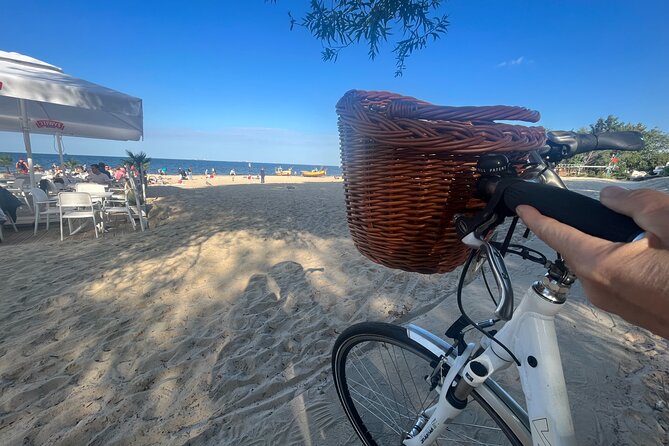
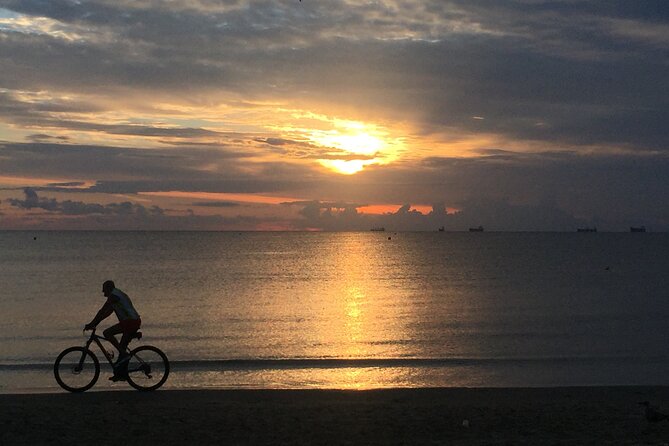
It is offered as a walking or bike tour.
Are entrance fees included?
Most stops are free to enter. The lighthouse stop has admission included.
Where does the tour start?
The meeting point is Restauracja McDonald’s, Bohaterów Monte Cassino 21, 81-706 Sopot, Poland.
Where does the tour end?
The tour ends in a different location. The itinerary has it ending next to the Changing Rooms built in 1905.
What is the cancellation policy?
Free cancellation is available. You can cancel up to 24 hours in advance for a full refund. If you cancel less than 24 hours before the experience starts, the amount paid is not refunded.
More Cycling Tours in Gdansk
- Gdańsk: Highlights Bike Tour
★ 4.9 · 173 reviews - Gdansk Private Bike Tour
★ 5.0 · 36 reviews - Gdansk Private Bike Tour
★ 5.0 · 21 reviews - Complete Cracow Bike Tour (small group of maximum 15 people!)
★ 5.0 · 1,322 reviews
Fresh listings from Gdansk
- Wolf’s Lair and St. Lipka Private Tour from Gdansk★ 4.5 · 5 reviews
- Private WW2 Tour of Westerplatte,Gdansk and Stutthof Including Lunch★ 5.0 · 12 reviews
- 6 Hours Teutonic Castle Tour in Malbork★ 3.5 · 3 reviews
- Westerplatte – 2h private trip by luxury car|★ 5.0 · 4 reviews
- Undercover City Games: Gdynia★ 5.0 · 34 reviews
- Westerplatte private tour led by Expert-Guide (door to door)★ 5.0 · 5 reviews
- Aiport Gdansk Transfer to Malbork Castle or Stutthof★ 5.0 · 3 reviews
- Torun – City of Copernicus Private Tour★ 4.5 · 5 reviews
City Tours, compared.

City Sightseeing Tour Eco Electric Buggy Golf Cart
Read our review →
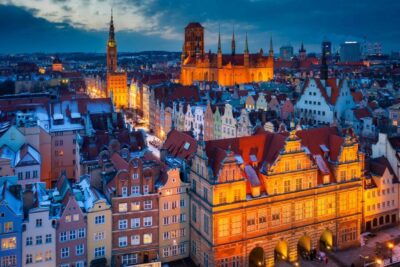
Gdańsk City Sights & History Guided Walking Tour in English
Read our review →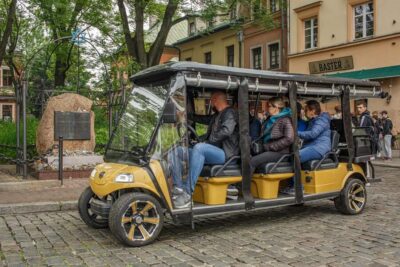
Extended City Sightseeing Tour – Eco Buggy Golf Cart
Read our review →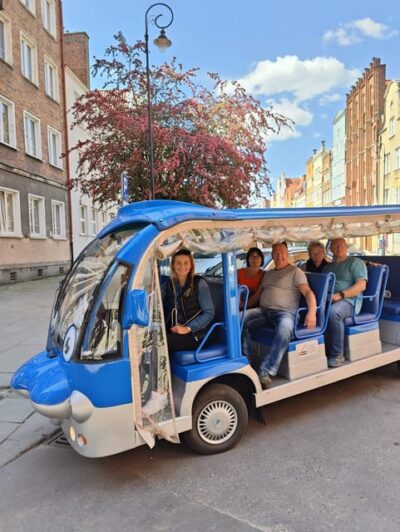
Shared or Private City Tour Sightseeing by Golf Cart
Read our review →Browse the lists this tour appears in