
Review · WALKING TOURS
World War II in Krakow Walking Tour in English
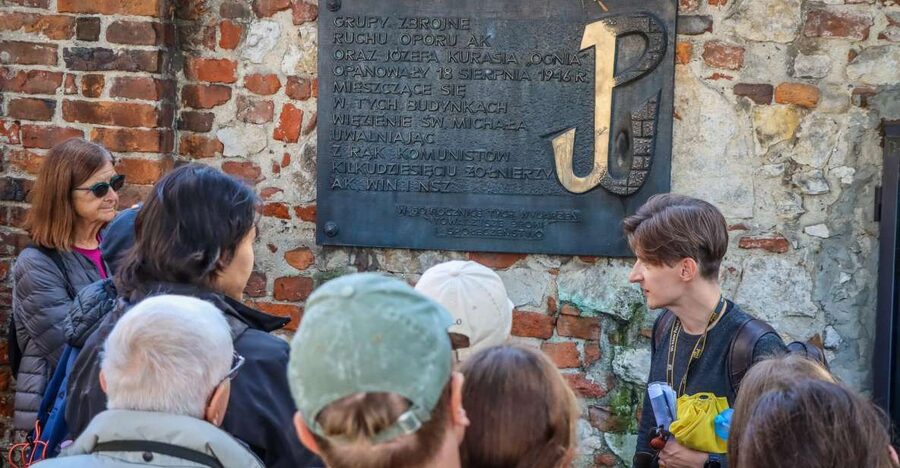
Krakow still carries WWII scars underfoot. This walking tour helps you make sense of how the German occupation changed the city by following occupation traces on walls and streets, and it earns its seriousness by bringing you right to St. Michael’s prison and the inscriptions left by victims. One thing to consider up front, the topics are grim, so it is not the kind of tour you do if you want light sightseeing.
I like that it feels like a guided story, not a list of stops. You move for 150 minutes through major places tied to repression and resistance, and the English narration is built as a connected narrative. A practical note: you will cover ground on foot, so plan comfortable shoes and arrive on time near Wawel Hill.
In This Review
- Key Things That Make This Krakow WWII Walk Worth It
- Walking the Occupation Streets of Krakow
- Meeting Point by Wawel Hill and How the 150 Minutes Flow
- Katyń Wooden Cross: Starting With Memory
- St. Michael’s Prison: Nazi Cells and Inscriptions You Can Read
- Gestapo Headquarters: Understanding the System Behind the Terror
- Park Krakowski Bomb Shelters: Fear, Survival, and Daily Life
- Why the Tour’s Narrative Structure Works
- Price and Value: What $26 Buys You in Krakow
- What You Will Learn, and What You’ll Carry After
- Practical Tips So You Enjoy It More
- Who This WWII Tour Fits Best
- Should You Book This World War II Walking Tour in Krakow?
Key Things That Make This Krakow WWII Walk Worth It
- Narrative-led tour design that ties places together instead of treating them like separate monuments.
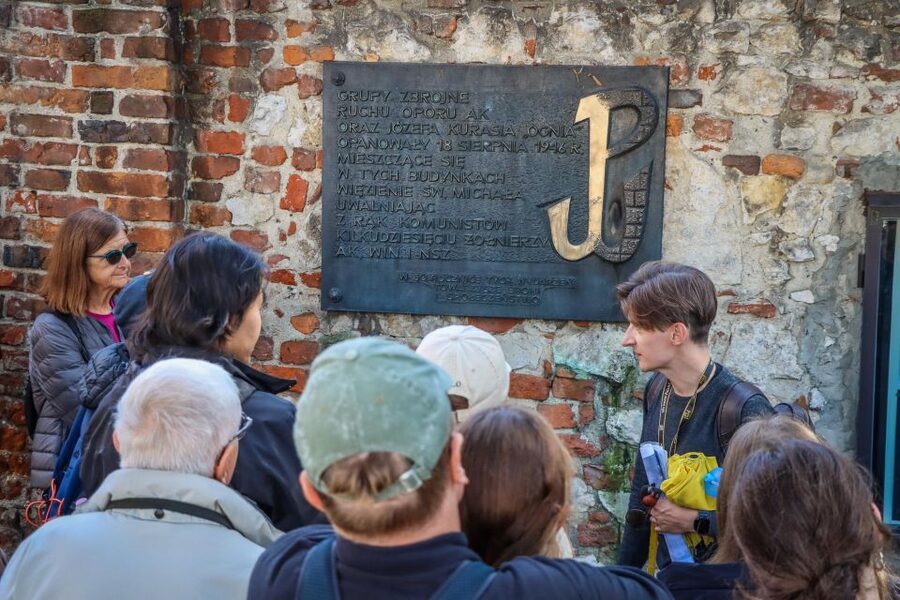
- Nazi prison cells and wall inscriptions that turn history from theory into something you can read and process.
- Courage and resistance stories that balance the darkest facts with moments of opposition.
- Multiple occupation sites in one route, including Gestapo-linked locations and Park Krakowski.
- Local, expert guidance in English, with guides noted for insight and a touch of humour.
Walking the Occupation Streets of Krakow
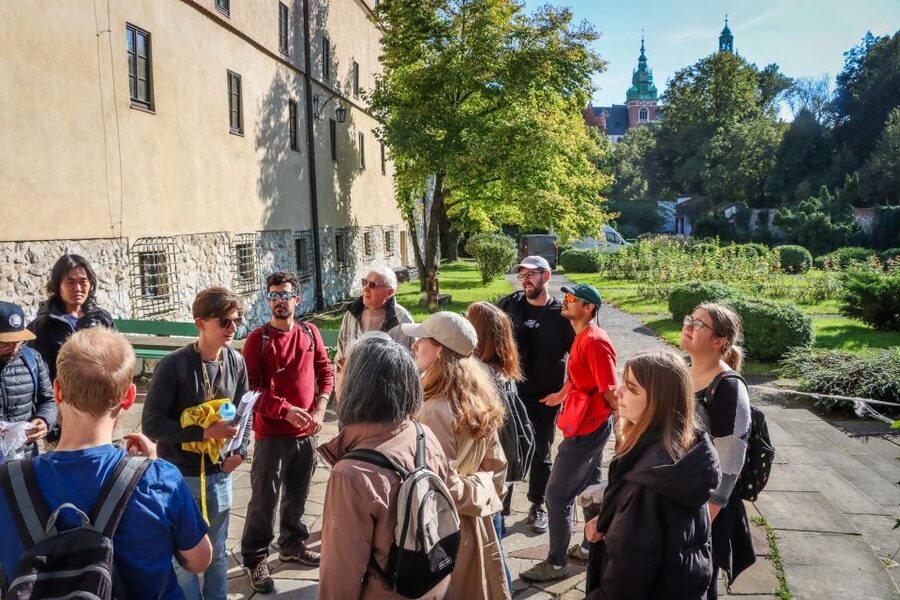
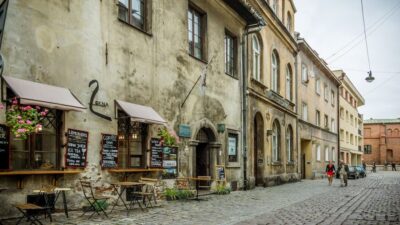
Krakow has plenty of charm, and still, the Second World War is not just a chapter in a book. It is physically present. You will feel that as you walk, because the tour is built around traces of occupation that remain in the urban fabric. That means you are not only learning dates. You are learning how power worked day to day, and how it tried to reshape ordinary life.
The value here is in how the guide frames the streets. Instead of telling you only what happened, you are prompted to understand what it meant for real people. You hear about brutal officers of the Nazi machine, the tools used to repress victims, and the terrifying choices ordinary residents faced. The tour also makes room for resistance, with stories of courage to oppose and fight, including individuals and organised groups.
If you care about travel that changes your perspective, this type of walking history works. You do not just look at buildings. You connect them to fear, survival, and moral dilemmas that still feel uncomfortably human.
More Walking Tours in Krakow
- Old Town Krakow & Wawel Castle Walking Tour
★ 5.0 · 1,508 reviews - Creepy Krakow: 2-Hour City Walking Tour
★ 4.7 · 1,131 reviews - Krakow: The Old Town Walking Tour
★ 4.8 · 794 reviews
Meeting Point by Wawel Hill and How the 150 Minutes Flow
The tour starts at a triangle square next to Wawel Hill, at the end of Grodzka Street. Give yourself a little buffer and aim to arrive about 10 minutes early. That small habit matters because this is a timed, story-based walk, and the guide needs everyone in place before the narrative begins.
You will have about 150 minutes. That is long enough to feel like a proper walk and short enough to avoid burnout. It also means the stops are chosen to build momentum: you start with remembrance and context, move into the mechanisms of repression, and end with survival realities tied to the city.
This is also listed as wheelchair accessible. Even so, you will still be on city sidewalks and paths. If mobility is an issue, it is smart to plan for slower movement and ask the guide how they manage the route once you meet.
Katyń Wooden Cross: Starting With Memory
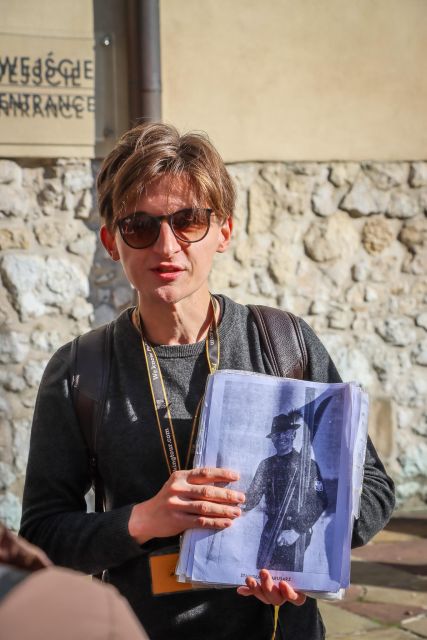
One of the first stops is the Katyń wooden cross. This matters because it signals what the tour is really doing: it is not only about the occupation as a political event, it is about victims. Starting with remembrance helps you understand why later sites hit harder. When you reach places tied to prisons and intimidation, you are not treating them like museum scenery. You are thinking about people who were targeted.
A wooden cross is a simple object, and that simplicity can make the message feel sharper. You are encouraged to read the space emotionally, not just visually, because the guide’s job is to connect what you see with what it represents.
In practical terms, this stop is a good reset. Even if you came to see famous WWII sites, this early moment helps you set the right mindset. You shift from sightseeing to understanding.
St. Michael’s Prison: Nazi Cells and Inscriptions You Can Read
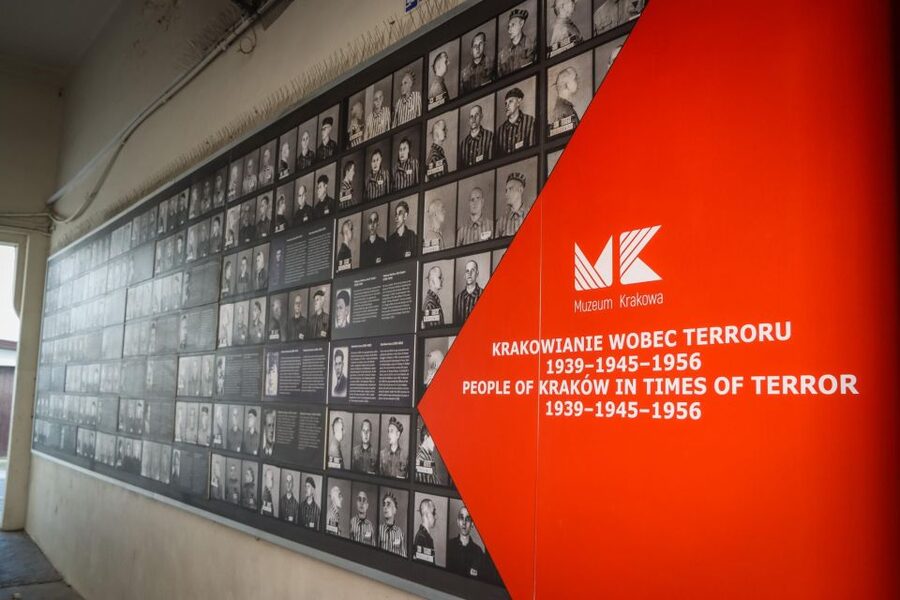
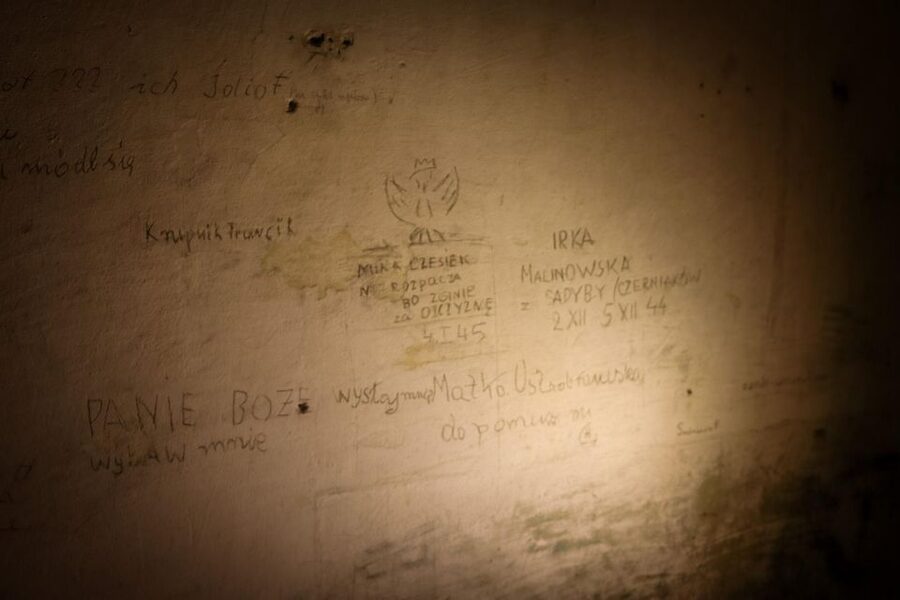
The most intense section is centered on St. Michael’s prison. You will visit Nazi prison cells and see inscriptions left on walls by victims. That is the kind of detail that changes the whole experience. A story about suffering stays abstract until you encounter writing that people left behind.
Here is why this stop is so powerful. Prison architecture, even when you do not get the full technical breakdown, communicates control. The cells you see connect directly to the repression theme the tour highlights: deadlier tools for fear and obedience. And the inscriptions add a human layer that no summary can fully replace.
At the same time, be prepared emotionally. This is not a tour that avoids difficult material. If you get uncomfortable with harsh realities, plan for that. You can still do it, but go in knowing it will lean heavy, and you will likely need a moment to catch your breath during transitions.
Still in reach of Krakow, but a different sort of day:
- From Krakow: Auschwitz-Birkenau Guided Tour & Hotel Pickup
★ 4.5 · 33,358 reviews - From Krakow: Auschwitz-Birkenau Guided Tour & Hotel Pickup
★ 4.5 · 29,340 reviews - Krakow: Auschwitz Guided Tour with Optional Hotel Pickup
★ 4.5 · 15,280 reviews - Krakow: Wieliczka Salt Mine Tour with Entry Ticket
★ 4.6 · 10,927 reviews
Gestapo Headquarters: Understanding the System Behind the Terror
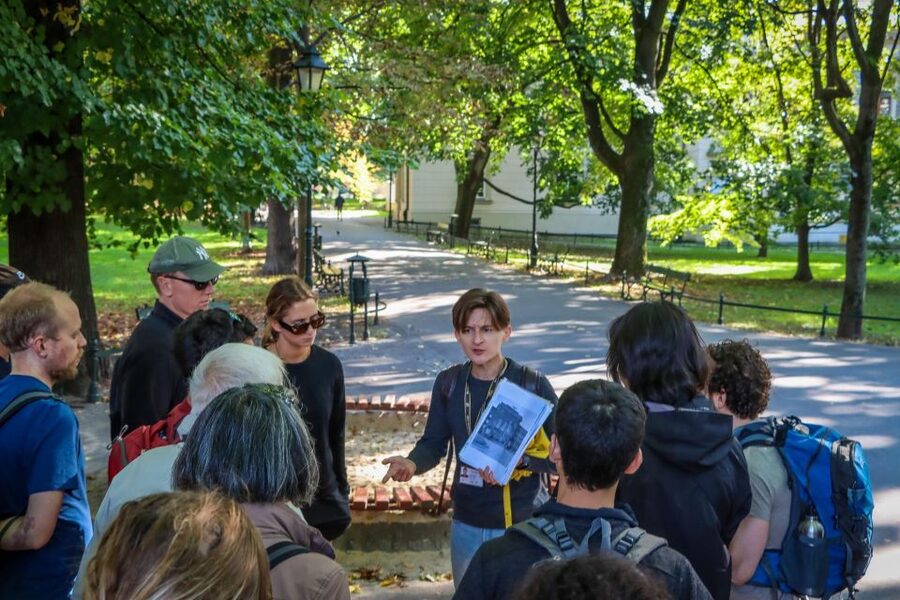
Next comes the Gestapo headquarters. This is where the tour typically shifts from the physical reality of imprisonment to the broader system that made it possible. Hearing about the brutal officers of the Nazi machine, and the methods used to repress victims, helps you see why terror was not random. It was organised.
This stop helps you answer a question that the tour explicitly brings up: what would you do? That sounds like a moral challenge, and it is. When you understand how close the machinery was to everyday life, you realize how much pressure existed, even on people who wanted to help but did not know how.
In a practical sense, this section also gives you better context for the city itself. If you have only walked Krakow looking at facades, you might have missed how power can shape street-level life. After this, you start noticing details differently, like how institutions occupy space, and how that space connects to intimidation.
Park Krakowski Bomb Shelters: Fear, Survival, and Daily Life
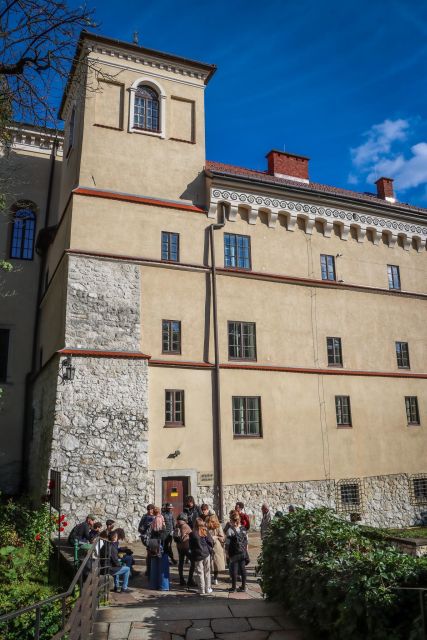
The tour also includes bomb shelters in Park Krakowski. This part broadens the WWII story beyond prisons and headquarters. It reminds you that occupation was not only about arrests. It was also about living under constant threat, with everyday survival tied to places designed to protect people during bombardment.
I like how this makes the walk feel more complete. It prevents the tour from becoming a one-note story. Even though you will see and hear about repression, you also learn how civilians tried to endure. The presence of bomb shelters turns the narrative toward the lived reality of fear.
If you like WWII history, but you want it grounded in how people actually passed their days, this stop delivers. It is a reminder that cities are not only scenes of political events. They are homes, workplaces, and places where families had to adapt to danger.
Why the Tour’s Narrative Structure Works
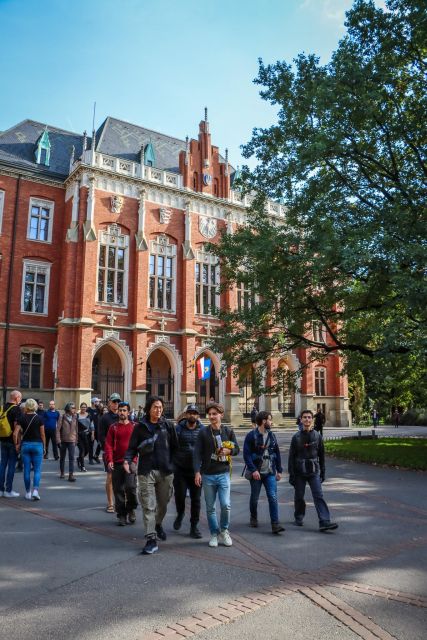
A lot of WWII tours can feel like a straight line of facts. This one is designed as a thoroughly constructed narrative, which changes your experience. The guide is not just telling you where to stand. They are guiding you through cause and effect.
That matters because the tour actively contrasts courage with fear and treason. It also highlights ordinary people who rose up to become silent heroes. When you hear these threads in the right order, your brain starts connecting the dots: occupation traces, repression sites, and resistance actions.
The guide quality is also a big part of value. In particular, the name Big Tomasz comes up in feedback as an example of a guide who brings local knowledge and insight with good humour. Even in a serious tour, that kind of delivery helps you stay present and not shut down.
If you are someone who likes to ask questions, this tour can feel like it gives you material to think about during the walk. The questions it raises are not only about what happened. They are about what people chose when consequences were high.
Price and Value: What $26 Buys You in Krakow
At $26 per person for about 150 minutes, this is one of those options that feels fair for what you get. You are paying for an expert local guide in English plus a constructed narrative, and you are visiting multiple high-impact sites tied to WWII occupation, prisons, and survival.
You are not just buying access to one location. You are buying context, sequencing, and interpretation. That is often what separates a meaningful walking tour from an audio guide you can do alone.
There is also a pay-as-you-wish element described in the tour info. The amount you pay covers a reservation fee and your guide’s payment. In real life, that tends to support guides and helps keep quality consistent, because you are not paying a massive, fixed premium without flexibility.
So if you want a structured and guided experience at a price that does not wreck your budget, this tour checks a lot of boxes.
What You Will Learn, and What You’ll Carry After
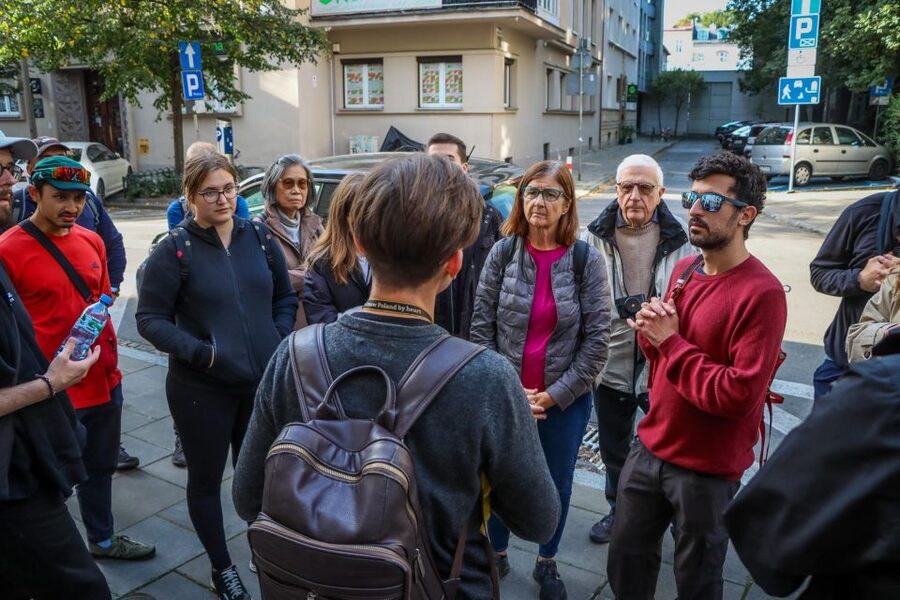
The highlights spell out the core promise: follow the traces of occupation and learn how they transformed Krakow, listen to stories of courage to oppose and fight, and visit Nazi prison cells where victims left inscriptions on walls.
The deeper benefit is the way those promises connect. You start to understand occupation not as an outside force, but as something that rewired daily reality. You see how repression places and intimidation mechanisms worked together. Then you finish with resistance and survival threads, which prevents the story from ending in only despair.
When people say you will never see the city the same way afterward, they are usually talking about empathy and perspective. That is exactly what this tour aims for. You will look at the same streets, but the meaning will shift.
Practical Tips So You Enjoy It More
- Wear comfortable shoes. You will be walking in Krakow streets for 150 minutes.
- Arrive early at triangle square near Wawel Hill (end of Grodzka Street). It keeps the tour flowing.
- Expect heavy topics. If you want upbeat history, pick a different walk.
- Bring water if you know you get thirsty, but do not plan on snacks being provided.
Also, keep an eye on your schedule. One detail that matters: the tour can cut into time if you have a train to catch, so build in buffer if you are on a tight travel day.
Who This WWII Tour Fits Best
This is a strong fit if you:
- Want WWII history in Krakow that connects places to people, not just architecture.
- Prefer an English guided story over reading walls on your own.
- Like walking tours that challenge your thinking, including moral questions about fear and resistance.
- Appreciate local guides who bring both knowledge and human delivery.
It is less ideal if you:
- Want a casual, light atmosphere.
- Struggle with reading or hearing descriptions tied to prisons and victim inscriptions.
- Need a completely relaxed pace.
Should You Book This World War II Walking Tour in Krakow?
I think you should book it if you are drawn to places that explain how occupation worked and how people resisted. The stop mix is strong: Katyń wooden cross for remembrance, St. Michael’s prison cells with victims’ wall inscriptions for emotional impact, Gestapo headquarters for system-level context, and bomb shelters in Park Krakowski for survival reality.
At $26 for 150 minutes with an expert local English guide, it also feels like good value for your time. You will get more than photos. You will get a storyline that helps Krakow make sense in wartime terms.
If you are on the fence, decide based on one question: can you handle a serious subject with honesty? If yes, this walk is likely to stick with you, in the best and most uncomfortable way.
Fresh listings from Krakow
- From Krakow: Zakopane Tatra Mountains & Hot Springs Tour★ 3.0 · 29 reviews
- From Krakow: Hot Springs and Zakopane with Gubałówka★ 4.7 · 25 reviews
- From Krakow: Zakopane and the Tatra Mountains★ 4.7 · 36 reviews
- Zakopane & Tatra Mountains Private Full-Day Tour from Krakow★ 4.5 · 33 reviews
- From Krakow: Zakopane & Tatra Mountains Tour★ 3.8 · 42 reviews
- Zakopane and Chocholow Thermal Baths Tour from Krakow★ 4.7 · 83 reviews
- From Krakow: Private Wieliczka Salt Mine Tour★ 4.0 · 3 reviews
- From Krakow: Wieliczka Salt Mine Tour★ 4.8 · 58 reviews
Walking Tours, compared.
Gdańsk City Sights & History Guided Walking Tour in English
Read our review →
Browse the lists this tour appears in