
Review · JEWISH HERITAGE TOURS
World War Two in Krakow: Jewish Quarter & Ghetto Tour
World War II has a street-level map. This guided walk gives you a fast, guided route through Krakow’s Jewish District, with stop-by-stop context that helps you understand what you are seeing, not just where you are standing. I especially like the way it frames Szeroka Street and Plac Bohaterow Getta with clear, on-the-ground commentary so the story clicks quickly. I also like that you can show up with little or no prep, since the guide does the heavy lifting and keeps the walk focused on what matters.
The main tradeoff is simple: it is outside, it is on foot, and you will be walking for about 2 hours 30 minutes.
In This Review
- Key Things to Know Before You Go
- Getting Your Bearings in Kazimierz, Without Doing Homework
- The Walk Itself: Where You Start, Where You Finish
- Stop 1: Szeroka Street and the Jewish Quarter in One Glance
- The Synagogue Stop: Poland’s Oldest and Most Important Synagogue
- Stop 2: Plac Bohaterow Getta and Krakow’s Holocaust Memorial Meaning
- Stop 3: Plac Wolnica, the Former Second Largest Market in Europe
- Stop 4: Father Bernatek Footbridge for a Scenic Pause
- Stop 5: Okrąglak, Ending in the Right Place for Food and Night
- Price and Value: Why This Walk Is Such a Deal
- Group Size, Language, and the Guide Experience
- What to Wear and Bring for This 2.5-Hour Walking Route
- Who This Tour Suits Best
- Should You Book This WWII Krakow Jewish Quarter and Ghetto Tour?
- FAQ
- How long is the World War Two in Krakow: Jewish Quarter & Ghetto Tour?
- How much does the tour cost?
- Where does the tour start?
- Where does the tour end?
- Is the tour offered in English?
- How big is the group?
- Is this a walking tour, and what fitness level do I need?
- Are admissions included at the stops?
- Is a professional guide included?
- Can I bring a service animal?
- What is the cancellation policy?
Key Things to Know Before You Go
- A tight 2.5-hour route focused on major Jewish Quarter and ghetto-era stops, so you do not waste time figuring out what to see
- Szeroka Street first, often described as the Jewish Quarter’s most picturesque street, tied to the area’s historic Jewish community
- Plac Bohaterow Getta and the Holocaust memorial, with the meaning explained in plain language
- Plac Wolnica as a market square, tied to Kazimierz’s former importance as a major European trading hub
- Okrąglak to end the tour, right where you can keep the evening going with street food and restaurants
Getting Your Bearings in Kazimierz, Without Doing Homework
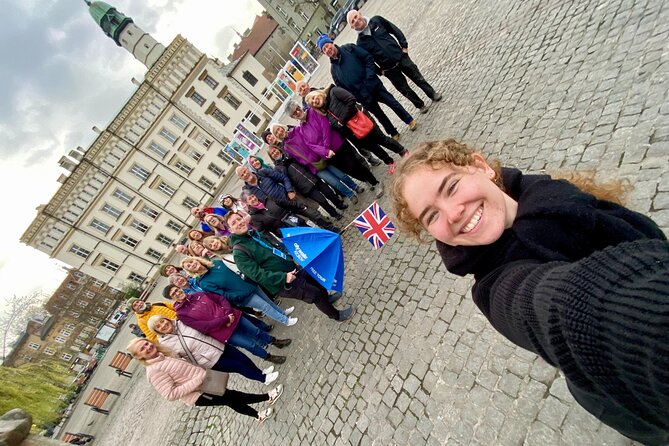
If Krakow’s Jewish Quarter feels a bit confusing on your first day, this tour is built for that exact problem. You get a guided route through Kazimierz and the Krakow Ghetto area, with commentary that turns scattered sights into a connected timeline. Instead of bouncing between buildings and guessing at meaning, you get a structured walk that helps you orient fast.
I also like how the tour is designed as a shortcut. The stops are concentrated, so you are not spending your limited time tracing routes on your own. And because the guide provides the narrative, you can focus on looking closely, not on researching on your phone between corners.
One small plus for planning, it runs as a walking tour with a moderate physical fitness requirement, so it is not trying to be a marathon. You will still want comfortable shoes, but the pace is meant for normal sightseeing stamina.
More Jewish Heritage Tours in Krakow
- Krakow: Schindler’s Factory & Ghetto Guided Tour
★ 4.7 · 1,694 reviews - Krakow: Jewish Quarter and Former Ghetto Tour
★ 4.9 · 1,441 reviews - Krakow: Bike Tour of Old Town, Jewish Quarter and the Ghetto
★ 4.9 · 1,155 reviews
The Walk Itself: Where You Start, Where You Finish
This tour starts at Rynek Główny 4 in Krakow and finishes at plac Nowy. That matters because it keeps the route in the central part of town, not off on some far edge. You end near another lively area, so you can roll into dinner or a drink without having to transit across the city.
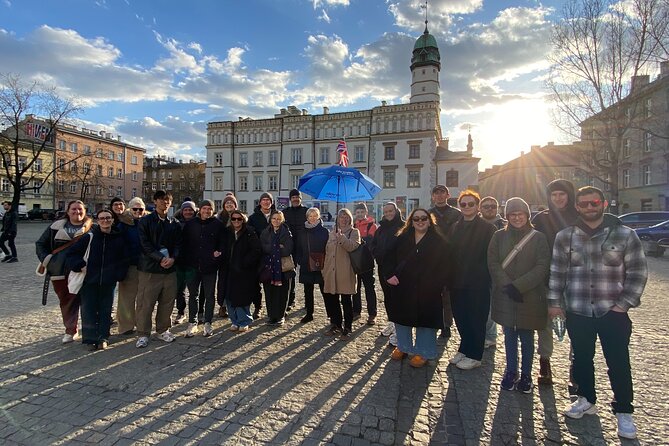
The tour is also capped at up to 25 travelers, which is the sweet spot for group tours. Big enough to have energy, small enough that the guide can usually keep everyone following along. The tour is in English, and you get a mobile ticket, which makes it easier to manage on the go.
You should expect a lot of time outdoors. That is especially important in colder months, since even a well-paced tour will still feel chilly.
Stop 1: Szeroka Street and the Jewish Quarter in One Glance
You begin on Szeroka Street, one of the Jewish Quarter’s most picturesque streets. The stop is about 30 minutes, which signals that the guide will give it real attention instead of treating it like a quick photo moment.
What I like about starting here is the street-level perspective. You are not jumping straight into memorials and solemn plaques without first understanding the neighborhood vibe and scale. Szeroka Street is tied to the area that was once home to one of the largest Jewish communities in Europe, and the guide’s commentary helps you picture what daily life would have felt like in that era.
A practical note: this is a longer stop, so it is a good point in the tour to settle in, ask questions, and get your bearings before the walk moves on.
Possible downside? If you are trying to do this with minimal standing, this first stretch might feel like your longest early moment. But it is the kind of time that pays off, because the story you get here makes later stops land better.
The Synagogue Stop: Poland’s Oldest and Most Important Synagogue
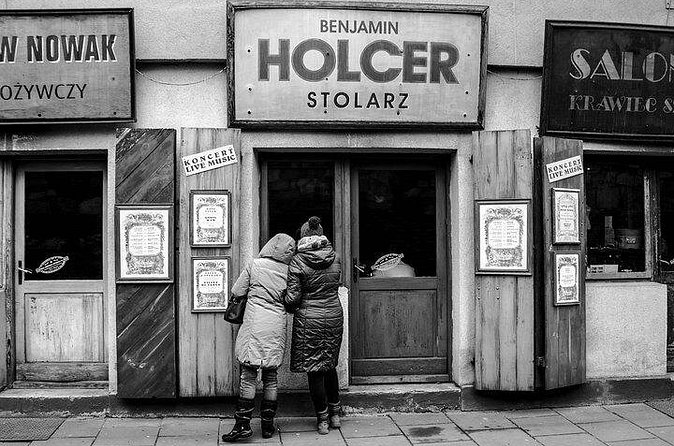
Next, you will learn about Poland’s oldest and most important synagogue. The tour keeps this as a dedicated stop, which is a clue that the guide will explain why this site matters, not just that it exists.
Why this stop is valuable: it shifts your understanding from general neighborhood history to a specific institution. Synagogues were not only places of worship, they were community anchors. Hearing the context while you are on site helps you understand why visitors often slow down here and why guides treat this stop with care.
One thing to keep in mind: the tour information provided does not spell out a specific interior visit time. So plan to treat this as a storytelling stop, with the main focus on commentary and interpretation rather than a long self-guided museum session.
More Jewish heritage walks in Krakow:
- Krakow: Kazimierz Jewish Quarter Walking Tour
★ 4.8 · 571 reviews - Krakow: Kazimierz, Schindler’s Factory & Ghetto Guided Tour
★ 4.8 · 460 reviews - Full Bike Tour – the Old Town, Jewish Qtr & the Ghetto NEW BIKES
★ 5.0 · 437 reviews - Krakow: Jewish Ghetto Walking Tour
★ 4.6 · 349 reviews
Stop 2: Plac Bohaterow Getta and Krakow’s Holocaust Memorial Meaning
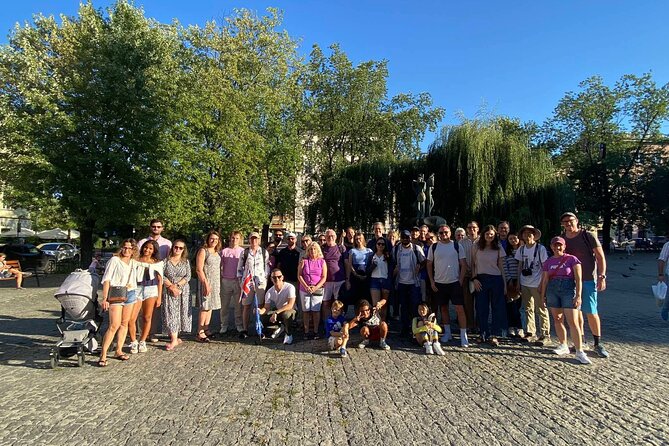
Then comes Plac Bohaterow Getta, a brief stop of about 20 minutes focused on the Krakow Ghetto and a key memorial. This is the tour’s emotional core.
The memorial matters because it is not just a name on a plaque. The guide explains the tragic events of the Holocaust in the Krakow Ghetto and the meaning behind Krakow’s most poignant Holocaust memorial. That interpretation step is crucial. Without it, you can walk past a monument and miss what it is trying to communicate.
I also appreciate that the stop is timed, not rushed. Twenty minutes is enough for a guide-led explanation to stick, especially if you are paying attention instead of doing constant phone-scrolling.
Do not treat this stop like a quick photo stop. You will get more out of it if you take the time to listen, then look around deliberately for details you might otherwise overlook.
Stop 3: Plac Wolnica, the Former Second Largest Market in Europe
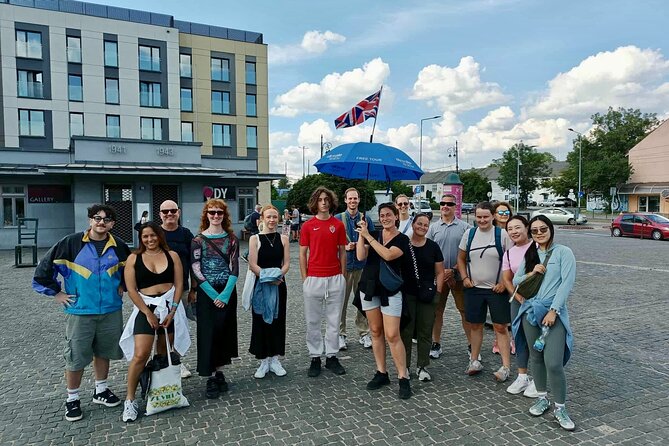
At Plac Wolnica, the tour shifts from tragedy and commemoration to place and community life. This is about 5 minutes, so it is short, but it is not meaningless.
The key idea here is scale and economics. Plac Wolnica was once the second largest market in Europe, and the guide uses that fact to help you understand why Kazimierz mattered. Markets shape how neighborhoods function. They pull people in, create jobs, and make certain areas the center of daily rhythms.
A short stop can work well if you have a guide who can point out what to look for and connect it to the broader story. If you want to linger and do extra exploring after the tour, this is a good point to note where you are, since you will likely want to return on your own.
Stop 4: Father Bernatek Footbridge for a Scenic Pause
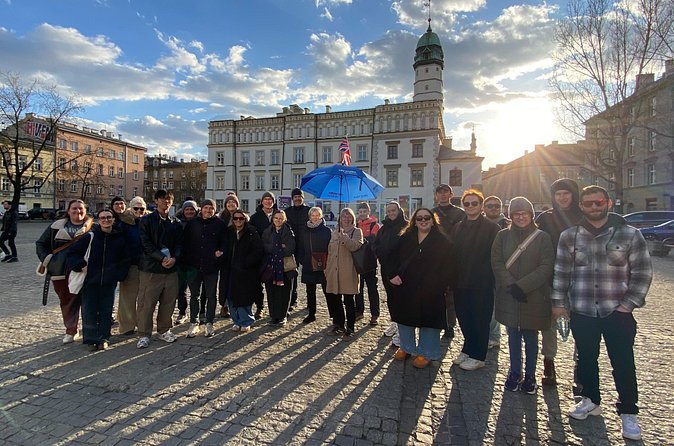
The walk includes Father Bernatek Footbridge next, another 5-minute stop. This one is described as passing Krakow’s most beautiful bridge, and it gives you a needed change of pace after the more intense memorial stop.
Even when a stop is brief, bridges are useful learning points because they give perspective. You get a view, the guide can reset the group mentally, and you see how the city’s layout influences movement and daily life.
Practical tip: have your phone and camera ready, but keep one eye on the guide. If you spend too long lining up shots, you can miss the short context they give you here.
Stop 5: Okrąglak, Ending in the Right Place for Food and Night
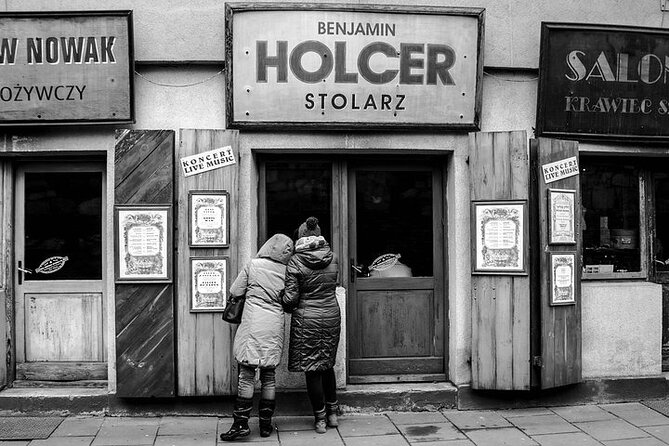
The tour finishes at Okrąglak for about 10 minutes. This is where the tour pivots into the present, with a lively square known for street food, restaurants, and lively nightlife.
I like ending here because it avoids the classic problem of tours that dump you somewhere inconvenient. Starting in a central square and ending at plac Nowy means you can keep your evening going without extra planning. If you want to grab a bite right after, you are already in the right zone.
This last stop is also helpful for memory. After serious sites, it is good to have a normal, human-scale finish where you can process what you heard and keep moving through the city.
Price and Value: Why This Walk Is Such a Deal
At $3.62 per person, the math is almost unfair. You are paying for a professional guide and a structured route, not for a pile of paid admissions. And the tour format keeps most of the stops listed as free admission, which means you are not stacking extra costs just to participate.
The best way to think about the value is this: you are buying clarity. If you tried to recreate this on your own, you would spend time researching sites, figuring out which corners matter, and assembling a coherent route. Even if you know Krakow basics, the guide’s commentary saves you time and helps you avoid the common trap of misunderstanding what you are seeing.
There is also a reassurance signal in the ratings. With a 4.9 rating across 228 reviews and 98% recommendation, it points to consistent guide quality and a tour that people feel is worth their time.
Could you pay more elsewhere for similar tours? Sure. But for this kind of guided, WWII-focused route that also ends in a useful place, the value is genuinely strong.
Group Size, Language, and the Guide Experience
This is offered in English, and the group size is capped at 25 travelers. Those details matter because group pacing and clarity are easier when the group is not huge. You are more likely to hear everything clearly and follow the stop-to-stop logic.
One guide name you might hear associated with this tour is Karolina. She has been specifically praised for staying engaging even with a large group and in freezing weather. That tells you the tour experience is not just about facts, it is also about delivery, which is what keeps you listening instead of drifting off.
Friendly, focused guiding is not a small thing on a topic like this. When the subject is heavy, you want a guide who can keep the tone respectful while still making the information understandable.
What to Wear and Bring for This 2.5-Hour Walking Route
Because this is a walking tour, your comfort affects your enjoyment. Plan for time outdoors and wear layers. If it is cold, bring gloves and something you can actually move in. The tour has multiple short stops, but you still have stretches where you are waiting and listening.
Shoes matter more than you think. Even if each stop is short, the total walking time adds up quickly over 2 hours 30 minutes. Comfortable soles will help you stay present, and staying present is the whole point of a tour like this.
For your gear, pack like you would for urban sightseeing. A charged phone helps because the tour uses a mobile ticket, and you will also want it for maps if you decide to explore after.
Who This Tour Suits Best
This walk is ideal if you want a guided route through Krakow’s Jewish Quarter and ghetto area and you do not want to build the story yourself. It is also a strong choice if you are the kind of traveler who likes learning lesser-known context, not just taking surface photos.
I would especially recommend it to you if:
- You want a practical way to get your bearings in Kazimierz
- You prefer a guide explanation over solo reading
- You are short on time and want a concentrated route
It might not be your best fit if:
- You hate walking in cold weather
- You need a fully unstructured, self-guided pace with lots of independent museum time
Should You Book This WWII Krakow Jewish Quarter and Ghetto Tour?
I think you should book it if you want a clear, guided understanding of what you are seeing in Krakow’s Jewish Quarter area. The stop mix works well, Szeroka Street to set the scene, Plac Bohaterow Getta for the memorial and ghetto events, then market and bridge stops that reconnect the story to the city’s real layout. Add a short, useful ending at Okrąglak and you get a tour that feels like it fits into a day, not something that eats your whole schedule.
Book it sooner rather than later if your dates are fixed. It is typically booked around 18 days in advance, which suggests it can fill up.
Bottom line: for a low price, with free-admission stops and strong guide-focused delivery, this is a smart way to learn the WWII story in Krakow while still enjoying the city around it.
FAQ
How long is the World War Two in Krakow: Jewish Quarter & Ghetto Tour?
It is about 2 hours 30 minutes.
How much does the tour cost?
The price is listed as $3.62 per person.
Where does the tour start?
The meeting point is Rynek Główny 4, 33-332 Kraków, Poland.
Where does the tour end?
The tour ends at plac Nowy, 31-056 Kraków.
Is the tour offered in English?
Yes, it is offered in English.
How big is the group?
The maximum group size is 25 travelers.
Is this a walking tour, and what fitness level do I need?
Yes, it is a walking tour. You should have a moderate physical fitness level.
Are admissions included at the stops?
The stops listed on the tour show admission ticket free.
Is a professional guide included?
Yes, the tour includes a professional guide.
Can I bring a service animal?
Yes, service animals are allowed.
What is the cancellation policy?
You can cancel for a full refund up to 24 hours before the experience start time.
Fresh listings from Krakow
- Zakopane & Gubalowka Funicular – Private Winter Tour from Krakow★ 5.0 · 10 reviews
- ZALIPIE – painted village, unique PRIVATE tour from Krakow★ 5.0 · 20 reviews
- stag dog chase Krakow prank★ 5.0 · 4 reviews
- ZALIPIE – painted village, unique small group tour from Krakow★ 5.0 · 7 reviews
- Full-Day Zalipie Painted Village Guided Tour★ 4.0 · 3 reviews
- Sleigh Ride & Bonfire in Zakopane with Funicular – Private Trip★ 5.0 · 48 reviews
- Zakopane Funicular Hill & Thermal Springs regular tour★ 5.0 · 9 reviews
- Zakopane to Chocholow Thermal Pools 3h Ticket with Hotel Transfer★ 5.0 · 9 reviews
Jewish Heritage Tours, compared.
Bike Tour of Old Town, Jewish Quarter and the Ghetto
Read our review →
Kazimierz, Schindler’s Factory & Ghetto Guided Tour
Read our review →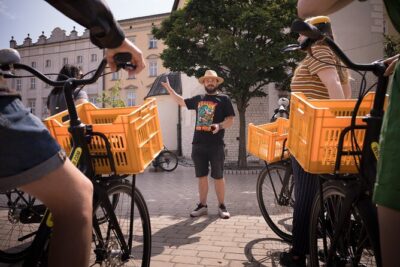
Full Bike Tour – the Old Town, Jewish Qtr & the Ghetto NEW BIKES
Read our review →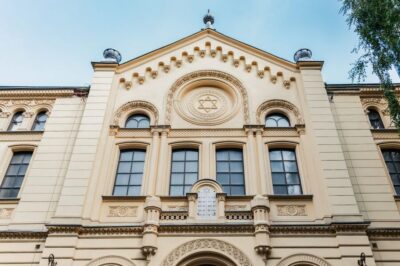
Warsaw Ghetto Private Walking Tour with Hotel Pickup
Read our review →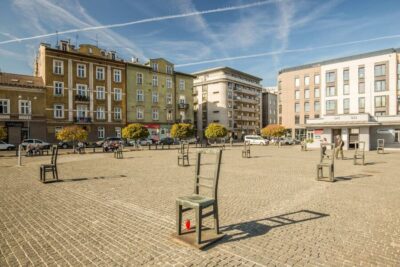
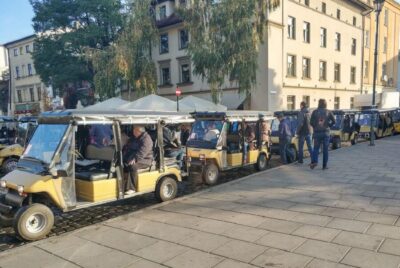
Jewish Quarter and Ghetto Electric Golf Cart Tour
Read our review →Browse the lists this tour appears in