
Review · HISTORICAL TOURS
Wroclaw: Third Reich and World War Two Historical Tour
Wroclaw is one of Europe’s most visual lessons in World War Two. This 2-hour walking tour turns the Old Town into a timeline, from German rule to the siege period that left huge parts damaged or destroyed. I love how it pairs recognizable landmarks with clear context, and how the Holocaust and Jewish heritage threads run through the story instead of getting treated as an afterthought.
The tour also has a practical, human feel. I like that the guide is interactive and ready to answer questions, including suggested follow-up reading, which helps you keep learning after the walk. One thing to plan for, though, is the walking, the route is not a sit-and-stare museum loop, and surfaces can be slick in winter or bad weather.
In This Review
- Key Things You Will Notice on This Wroclaw World War Two Tour
- Meeting at Hotel Monopol, then getting your bearings fast
- February to May 1945 explains why the city looks the way it does
- Former Gestapo building and Wolności Square, where power was made visible
- White Stork Synagogue and Jewish heritage, including the Holocaust story
- Memorials, churches, and islands: seeing memory in the city plan
- Cathedral Island finish, and what to do with the last 30 minutes
- Price and value: what $31 buys you in 2 hours
- Who should book this tour, and who might not love it
- Should you book the Wroclaw Third Reich and World War Two Historical Tour?
- FAQ
- How long is the Wroclaw Third Reich and World War Two Historical Tour?
- What is the price of the tour?
- Where do I meet the guide?
- Where does the tour end?
- Is the tour offered in English?
- Does the tour run in bad weather?
- Is the tour wheelchair accessible?
- What is included in the price?
- Are food and drinks included?
- How many participants are required for the tour to operate?
Key Things You Will Notice on This Wroclaw World War Two Tour
- Hotel Monopol meeting point: quick to find, and the guide holds a sign that says World War Two Tour.
- A city shaped by February to May 1945: the guide explains why so much looks partially rebuilt.
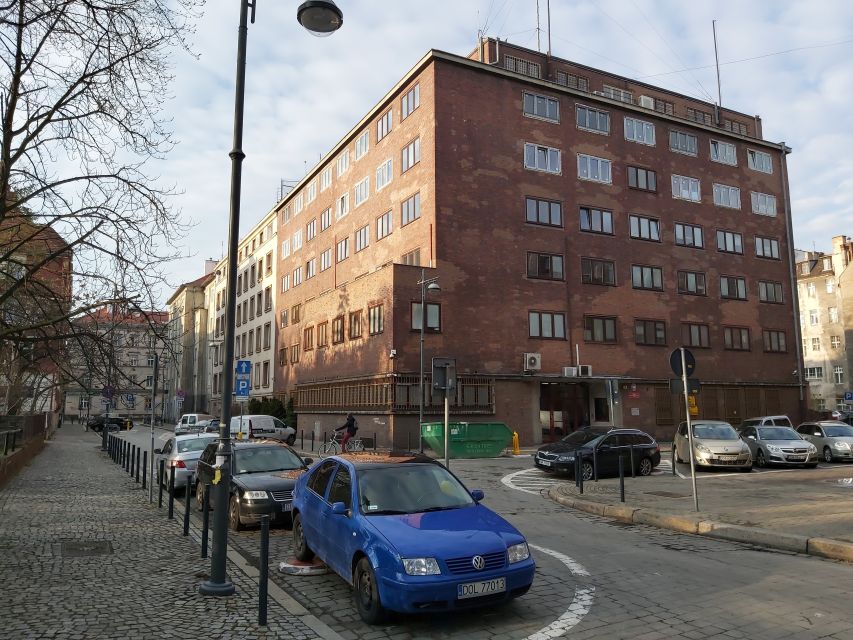
- Former Gestapo building stop: you’ll read the architecture like evidence, not just a photo op.
- White Stork Synagogue: Jewish heritage and wartime realities are treated as part of the main story.
- Dietrich Benchoffer Memorial and church interiors nearby: remembrance mixed with daily-life landmarks.
- Cathedral Island finish: the walk ends on a scenic note, even when the topic is heavy.
Meeting at Hotel Monopol, then getting your bearings fast
You start outside Hotel Monopol in Wroclaw, at the main entrance. Your guide is holding a sign that says World War Two Tour, so you should be able to spot them quickly. The tour is live in English, and it runs rain or shine, so dress for weather, not for comfort.
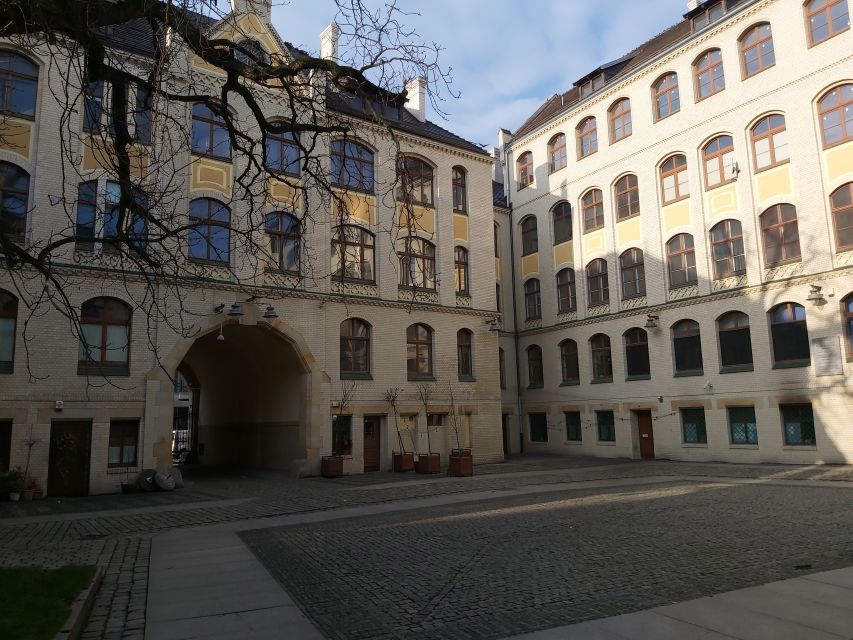
Right away, you’re led into Wroclaw’s Old Town area, with enough pacing that you can keep up without feeling rushed. Still, it is a walking tour. Bring grippy shoes, especially if you hit icy patches. One reviewer noted snow made the day less easy, so I’d treat winter weather as a real factor, not a minor detail.
A nice touch is how the guide’s communication style comes through. If you get a guide like Michal or Michael (names vary in different confirmations), you can expect strong explanations and a willingness to answer questions on the spot. That matters here because this is not just sightseeing, it is sense-making.
More History Tours in Wroclaw
- Best of Wroclaw 3-Hour History and Culture Walking Tour
★ 4.9 · 49 reviews - Wroclaw: Private Tour by smal Historic Tram 1,5h 13-16 seats
★ 4.9 · 24 reviews - UNESCO World Heritage-listed Church of Peace Day Tour from Wroclaw
★ 4.5 · 14 reviews
February to May 1945 explains why the city looks the way it does
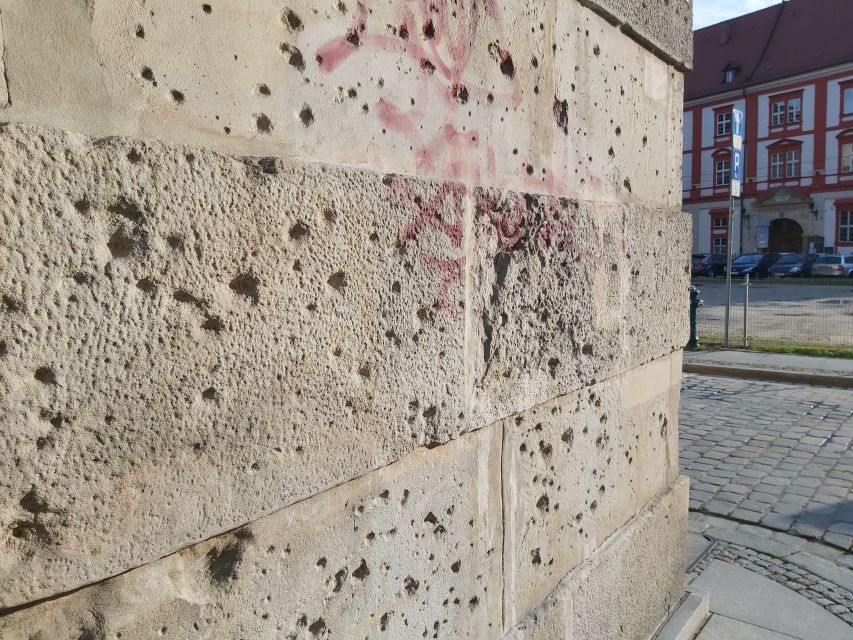
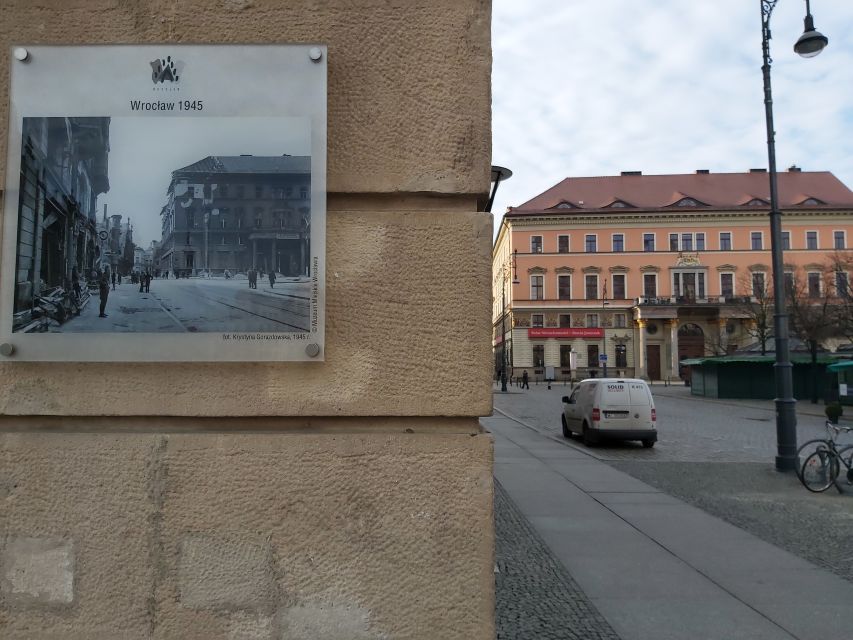
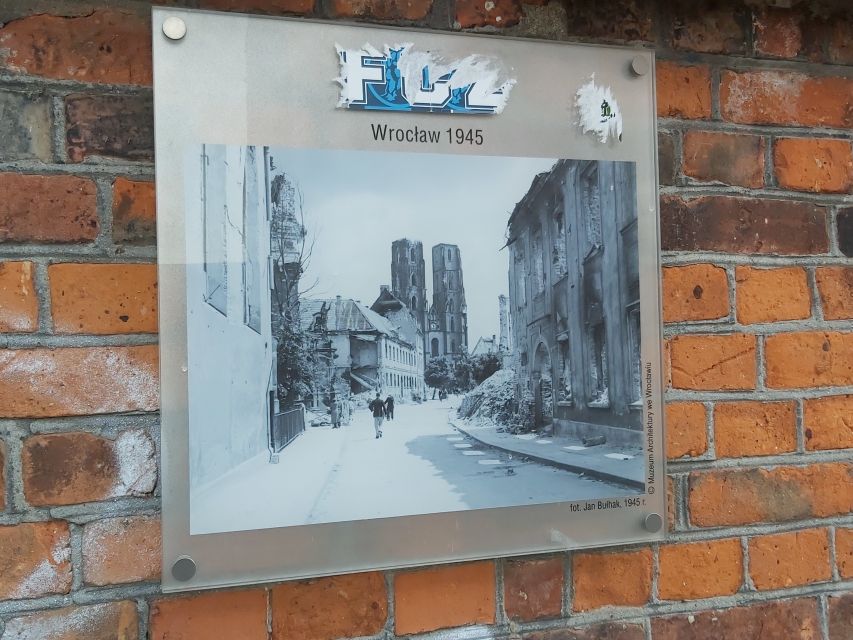
The tour’s backbone is what happened during the siege between February and May 1945. The guide explains that most buildings were damaged or destroyed, leaving a landscape of partially rebuilt infrastructure. That single fact changes how you should read everything else you see.
Instead of trying to imagine a perfectly preserved wartime Wroclaw, you learn to notice what survived, what was rebuilt, and what hints remain. You’ll see how the city’s street-level reality today reflects the destruction and the rebuilding that followed Germany’s defeat.
This is where the tour can feel different from other history walks. You’re not chasing one intact “time capsule.” You’re learning how war reshaped a place, then shaped it again afterward. It’s a more honest kind of history, because the scars show in the streetscape.
Former Gestapo building and Wolności Square, where power was made visible
One of the most memorable stops is the former Gestapo building. Even if you do not know the exact rooms or specific events, the guide helps you understand why this kind of location mattered. You learn to connect coercion, fear, and control to the everyday geography of the city.
From there, you move toward Wolności Square. This is the kind of stop where the guide’s job goes beyond listing facts. The explanation helps you see how public space connects to private life during authoritarian rule. What seems like a normal city square becomes part of a broader system of power when you hear how the era worked.
The contrast keeps building. You start to realize that Nazi-era control was not only expressed through dramatic events. It was also expressed through institutions, buildings, and the way people moved through their city.
White Stork Synagogue and Jewish heritage, including the Holocaust story
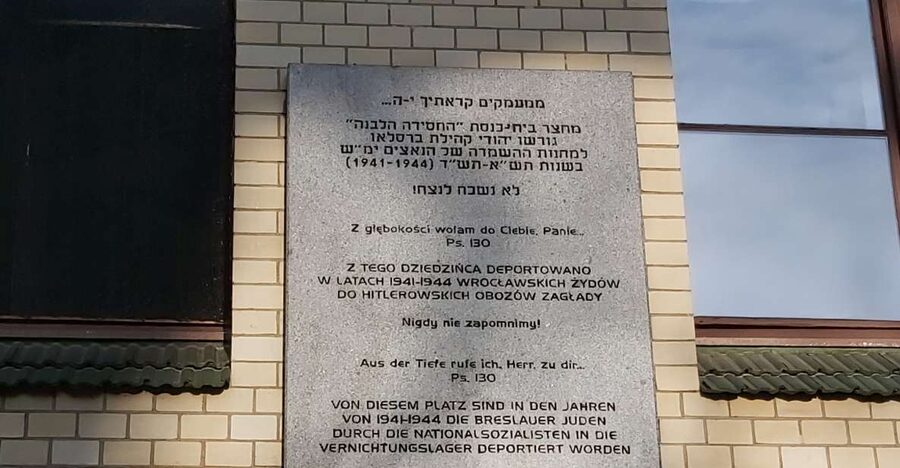
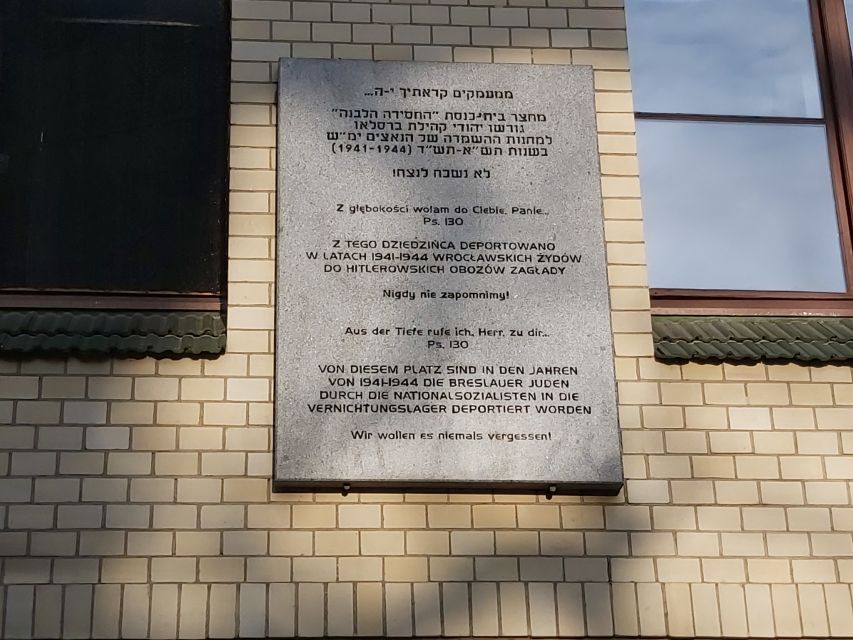
This tour does not treat Jewish history as a side topic. You’ll visit the White Stork Synagogue, and the guide places it in the larger arc of Wroclaw’s Jewish heritage and the Holocaust. Expect clear narration, careful pacing, and context that connects local community life to what came afterward.
That matters because the tragedy is easy to flatten into an abstract concept. Here, you’re asked to keep the local human scale in view: the synagogue is not just a landmark, it is a symbol of community presence, and later, community loss.
You also get a chance to imagine daily life during World War Two, not in a vague way, but through the guide’s storytelling about the city under German rule. If you’re sensitive to heavy historical subjects, this is still handled as a respectful educational experience, not sensational shock value.
A few more Wroclaw outings to weigh up
- Wrocław’s Old Town: A Self-Guided History Tour
★ 4.5 · 10 reviews - Culinary Microcosm – Food, Drinks, & History of Wroclaw
★ 5.0 · 4 reviews - Gdansk: City Cruise on Historical Polish Boat
★ 4.8 · 2,913 reviews - Warsaw: POLIN Museum of the History of Polish Jews Ticket
★ 4.7 · 1,142 reviews
Memorials, churches, and islands: seeing memory in the city plan
After the core wartime stops, the tour expands into remembrance and place-making. You’ll visit the Dietrich Benchoffer Memorial, then continue through other key landmarks such as the University Church and the Ossolineum Garden.
The memorial stop helps turn the story from institutions into individual and collective memory. The church visit adds another layer, because religious buildings often served as anchors even when political control tightened around everyone.
Next comes the shift from Old Town intensity to calmer, greener spaces and water-linked geography. The Ossolineum Garden gives you a breather, and it’s a good place to reflect on how quickly “life between buildings” can change during war. A garden is quiet by design, so it highlights how different the wartime feel must have been.
Then you head toward Sand Island and Cathedral Island. Islands change how a city functions, and the tour uses that. You get to see Wroclaw’s layout as something shaped by both nature and rebuilding. By the time you reach the end point, you understand why the city’s geography still matters when the topic is historical conflict.
It’s worth noting that the monuments’ operating hours can change. The guide can’t control that, so if a particular site is time-sensitive, you’ll do best by arriving with a flexible mindset and trusting the guide’s flow.
Cathedral Island finish, and what to do with the last 30 minutes
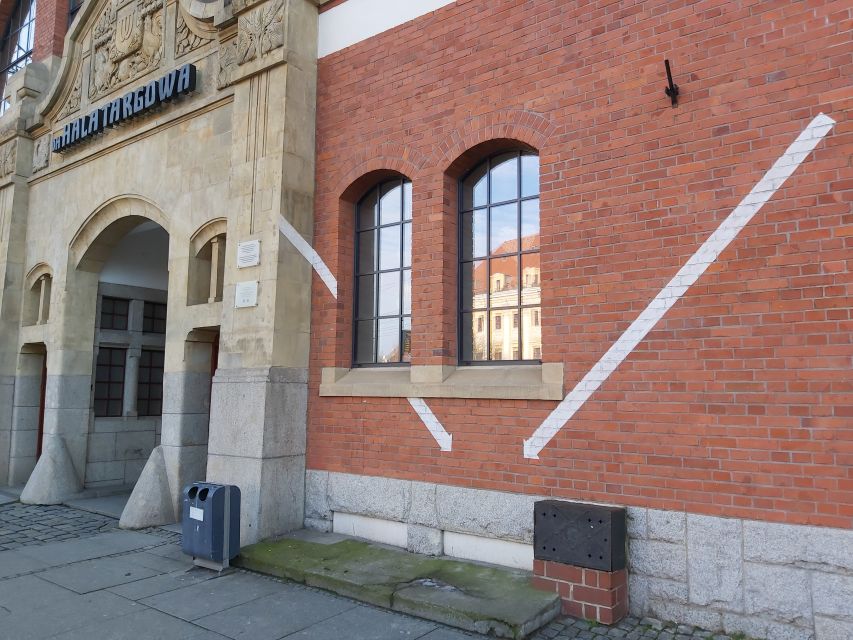
The tour ends at Cathedral Island. Even if your head is full of difficult history, this finish is a practical win. It gives you a recognizable landmark to orient yourself and continue your day without needing a map expedition right afterward.
If you still want more, Cathedral Island is a good place to slow down and re-check what you learned. You’re better at noticing small details once the guide has walked you through the city’s wartime logic.
This is also a smart stop for photo breaks, but keep the focus on observation rather than fast clicking. When you understand why the buildings and areas are there, you’ll take more meaningful shots.
Price and value: what $31 buys you in 2 hours
At $31 per person for a 2-hour guided walk, you’re paying mainly for expert interpretation and the planning of a route that links multiple World War Two themes. It includes a licensed guide and all fees and taxes.
That is a solid value if you care about context. You could walk Wroclaw on your own, but you would not get the guided connections between German rule, the siege period, Jewish heritage, and specific sites like the former Gestapo building and the White Stork Synagogue. The guide’s knowledge, plus their willingness to answer questions and suggest books for more learning, is the real product here.
Food and drinks are not included, so plan a snack or a drink around your schedule. This is a good tour to pair with a meal after, not before, because you’ll be walking and listening.
Who should book this tour, and who might not love it
Book it if you want a structured way to understand Wroclaw’s World War Two and Nazi-era layers, with Jewish heritage and Holocaust context built into the route. It’s also a strong choice if family history connects to the region. The tour’s framing helps you connect personal stories to the broader events that shaped the city.
You might want to think twice if you’re expecting lots of intact wartime scenery. The siege caused massive damage, so the “what you see” side is limited. One practical takeaway from the way this tour is designed is that you’ll learn more than you’ll look at preserved ruins.
And if you have mobility limits, the good news is that it is wheelchair accessible. Still, you should expect walking time and plan for uneven outdoor surfaces, which can matter depending on weather.
Should you book the Wroclaw Third Reich and World War Two Historical Tour?
Yes, if you want a focused, high-impact history walk that uses Wroclaw’s real landmarks to explain real events. The combination of the former Gestapo building, Wolności Square, White Stork Synagogue, memorial stops, and the finishing path on Cathedral Island makes this more than a list of sites. You leave with a clearer mental map of how war changed the city.
If you prefer light, casual sightseeing, this may feel heavy and more lecture-like than you want. But if you’re the type of traveler who wants meaning behind what you see, this is a smart way to spend 2 hours in Wroclaw.
FAQ
How long is the Wroclaw Third Reich and World War Two Historical Tour?
The tour lasts 2 hours.
What is the price of the tour?
The price is $31 per person.
Where do I meet the guide?
Meet your guide outside the main entrance of Hotel Monopol. The guide holds a sign that says World War Two Tour.
Where does the tour end?
The tour finishes at Cathedral Island in Wroclaw.
Is the tour offered in English?
Yes, the live guide language is English.
Does the tour run in bad weather?
Yes, it takes place rain or shine.
Is the tour wheelchair accessible?
Yes, the tour is wheelchair accessible.
What is included in the price?
The price includes a licensed tour guide and all fees and taxes.
Are food and drinks included?
No, food and drinks are not included.
How many participants are required for the tour to operate?
The tour requires at least 4 participants to operate.
Fresh listings from Wroclaw
- Private “Top Attractions Of Wroclaw” Tour★ 5.0 · 11 reviews
- Small Group Boat Tour in Wroclaw★ 5.0 · 5 reviews
- Wroclaw Pub Crawl★ 4.5 · 83 reviews
- The Grand E-Scooter (3 wheeler) Tour of Wroclaw – everyday tour at 9:30 am★ 5.0 · 61 reviews
- Wrocław’s Old Town: A Self-Guided History Tour★ 4.5 · 10 reviews
- CITY QUEST WROCLAW: unlock the mysteries of this city!★ 5.0 · 3 reviews
- The Classic E-Scooter (3 wheeler) Tour of Wroclaw – everyday tour at 6:00 pm★ 5.0 · 24 reviews
- Segway Tour Wroclaw: Old Town & Ostrów Tumski – Full Tour★ 5.0 · 9 reviews
Historical Tours, compared.
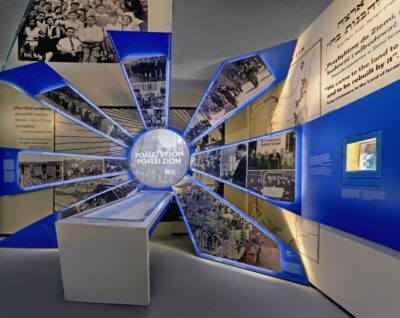
POLIN Museum of the History of Polish Jews Ticket
Read our review →
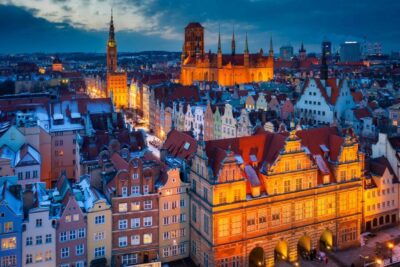
Gdańsk City Sights & History Guided Walking Tour in English
Read our review →


Tipsy Polish Food Tour With History, Pierogi & Shots
Read our review →
Browse the lists this tour appears in