
Review · MUSEUMS
From Gdansk: Stutthof Concentration Camp Museum Day Tour
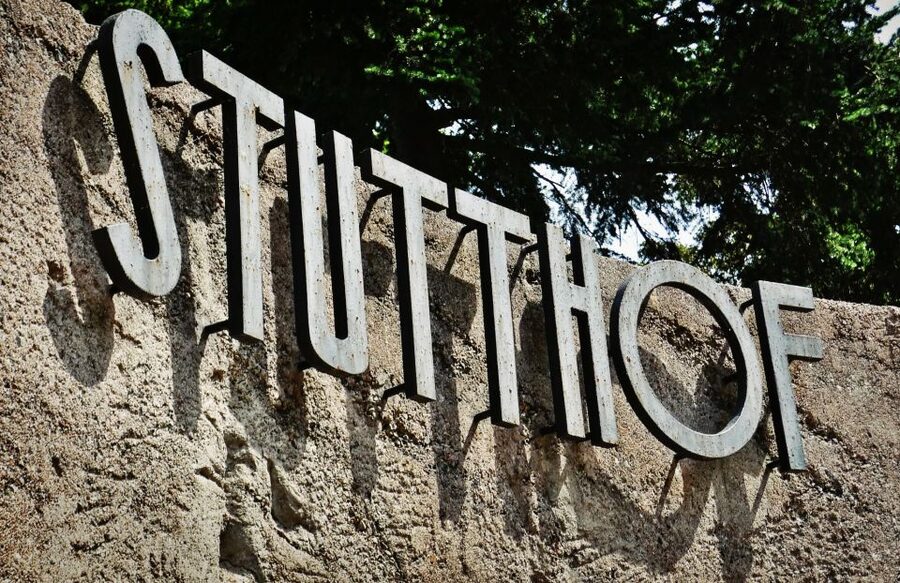
Four hours can feel like a lifetime here. Stutthof, the first Nazi concentration camp in Poland, sits about 40 km west of Gdansk in a wet, wooded corner that makes the past feel close. It ends with liberation by the Soviet Army, so you get both what happened and how the world changed.
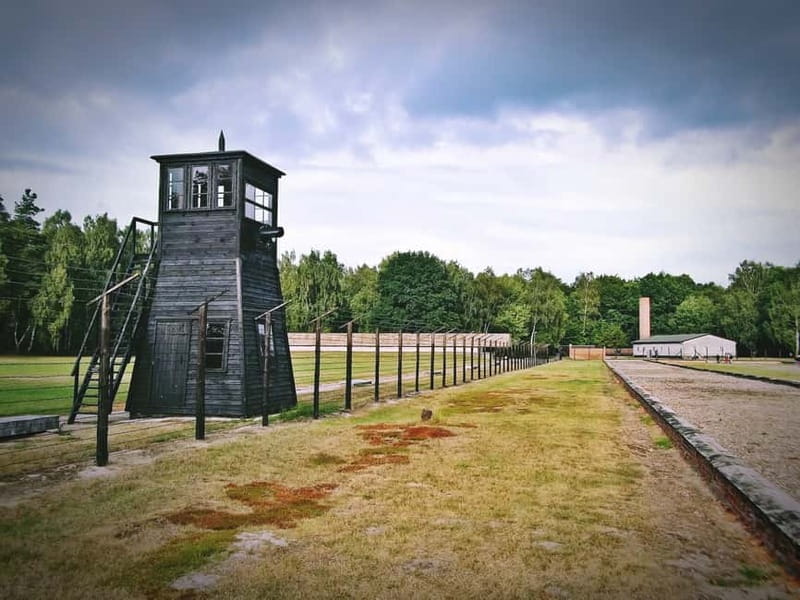
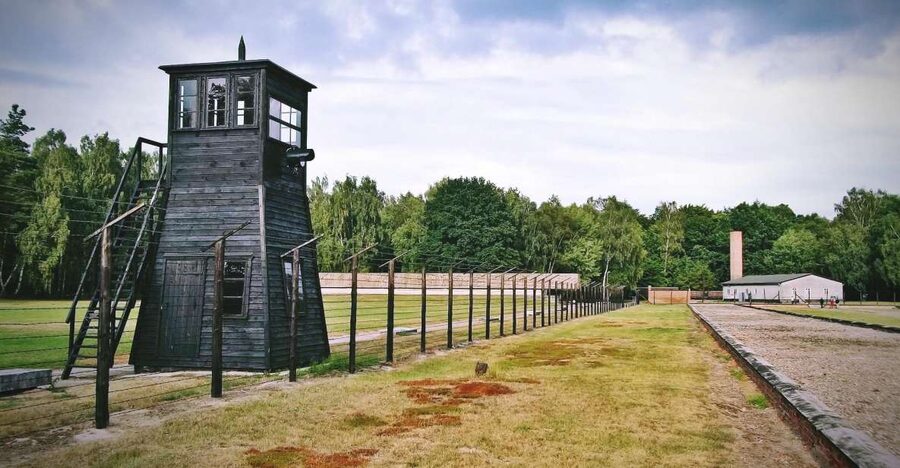
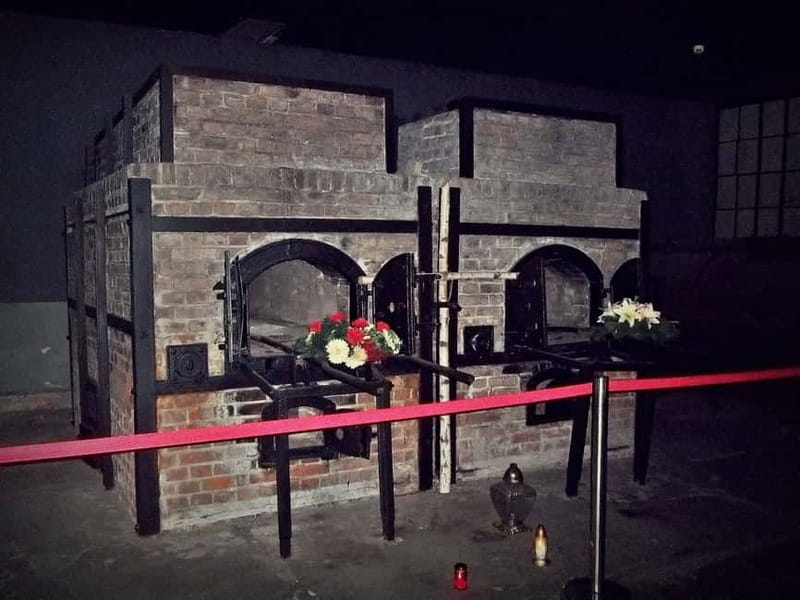
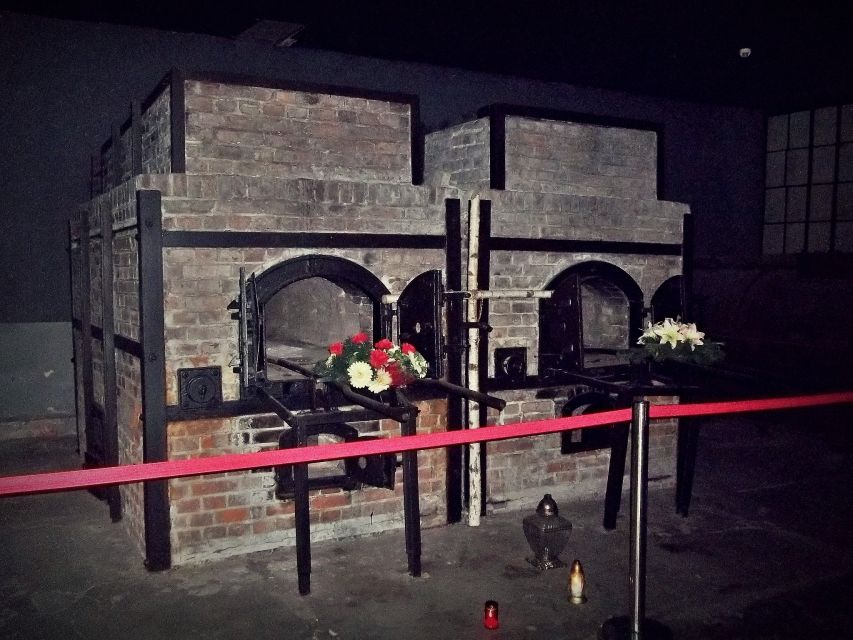
I especially liked the live guiding. Anna was my guide, and she kept the story clear and human, not just dates on a screen. I also liked touring the camp’s preserved spaces, including the gas chamber area, crematorium-related sites, prisoner barracks, and the guard’s tower.
One drawback to consider is language fit. The tour runs in the language you choose when booking, and if that language is not comfortable for you, the details can be harder to follow.
In This Review
- Key points before you go
- Stutthof near Gdansk: why this trip is worth your time
- Getting there with hotel pickup and a tight 4-hour window
- Museum first: how the guide frames what you are about to see
- Touring the camp facilities: gas chamber, crematorium, barracks, guard tower
- Gas chamber and crematorium-related areas
- Prisoner barracks
- Guard’s tower and camp layout
- Liberation by the Soviet Army: the visit’s ending matters
- Language choice, private groups, and how to avoid frustration
- Practical tips for a respectful, doable visit
- Wear weather-smart clothing and good shoes
- Bring a quiet mindset, not a multitasking one
- Consider whether this is right for your group
- Value and price: what $68 includes, and what that means for you
- Should you book the Gdansk to Stutthof tour?
- FAQ
- How long is the Stutthof concentration camp museum day tour from Gdansk?
- What is included in the price?
- Which languages are available for the live tour?
- How far is Stutthof from Gdansk?
- What can I see during the tour?
- Is the tour suitable for children?
- Can I cancel for a refund?
Key points before you go
- Hotel pickup and drop-off from your Gdansk lodging, so you are not solving transport on the fly
- Museum entrance included for a structured introduction before you walk the grounds
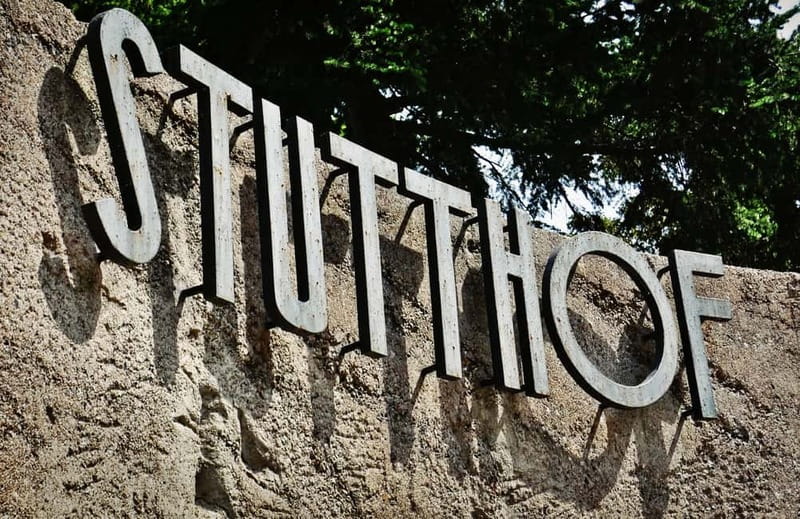
- Built in 1939, freed in 1945 by the Soviet Army, which gives the visit a clear timeline
- You see major sites like the gas chamber, crematorium, barracks, and guard’s tower
- A multilingual live guide (Spanish, English, German, Polish, Russian, French, Italian, Portuguese)
- Private-group format, which often feels calmer when you want to stay focused
Stutthof near Gdansk: why this trip is worth your time
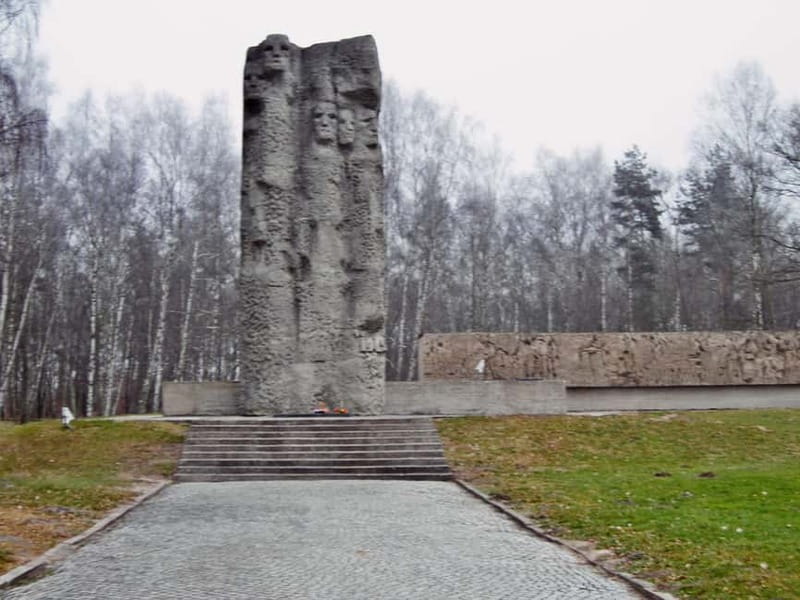
Stutthof is a short ride from Gdansk, but it carries an enormous weight. This camp was created by the Nazis in 1939 and became the first concentration camp in Poland. When you visit, you are not just looking at ruins, you are seeing a place designed for confinement, exploitation, and murder, and you are learning how the Nazi system worked step by step.
What I find important here is the balance of the experience. You get testimony and historical context, and then you see the actual facilities on the ground. That pairing matters, because it connects facts to the physical reality of how people were processed and controlled. With the camp’s liberation in 1945 also covered, the story does not stop at horror. It continues to show how the camp ended and why remembering still matters today.
More memorial site visits:
- Gdansk: Stutthof Concentration Camp Regular Tour
★ 4.7 · 361 reviews - From Warsaw: Guided Tour of Treblinka Camp
★ 4.7 · 85 reviews - Treblinka Death Camp 6 Hour Private Tour from Warsaw
★ 5.0 · 74 reviews
Getting there with hotel pickup and a tight 4-hour window
This is a focused day tour, designed for a 4-hour total duration. That means you should treat it as a “heads-down visit,” not something to pair with lots of other stops in Gdansk afterward. The camp is about 25 miles (40 km) from the city, and the route can take time depending on traffic and the group schedule.
The nice part is the start and finish. Your driver/guide meets you in your hotel lobby with a sign with your name on it, then brings you back after the tour. For many people, that door-to-door setup is the difference between doing the visit and postponing it.
I also suggest you plan your day so you are not rushing to dinner afterward. Stutthof asks for attention, and you will probably want a breather once you return to the city.
Museum first: how the guide frames what you are about to see
The visit includes entrance to the Stutthof Museum, and in practice that museum time helps you get your bearings before you walk among buildings and memorial spaces. You will hear the key background: the camp’s role during the Nazi occupation, how deportations worked, and how many people were imprisoned and killed there.
The figures are staggering. The camp received up to about 110,000 deported people, and around 85,000 were victims of genocide. A good guide will not throw numbers at you and move on. They connect them to what you are about to encounter on-site.
This is also where language choice matters. If you picked Spanish, English, German, Polish, Russian, French, Italian, or Portuguese, the guide can tailor explanations to that language. If you are not confident in the selected language, you might miss the small connections that make the visit clearer.
Touring the camp facilities: gas chamber, crematorium, barracks, guard tower
After the museum framing, you move through the camp with a guided path that hits the most significant remains. The tour is built around seeing the major sites tied to the camp’s function.
A few more Poland outings to weigh up
- Auschwitz-Birkenau Museum and Memorial Guided Tour from Krakow
★ 4.5 · 1,510 reviews - Warsaw: POLIN Museum of the History of Polish Jews Ticket
★ 4.7 · 1,142 reviews - Krakow: Rynek Underground Museum Guided Tour
★ 4.6 · 1,122 reviews - Warsaw: Polish Vodka Museum Tour with Tasting
★ 4.6 · 788 reviews
Gas chamber and crematorium-related areas
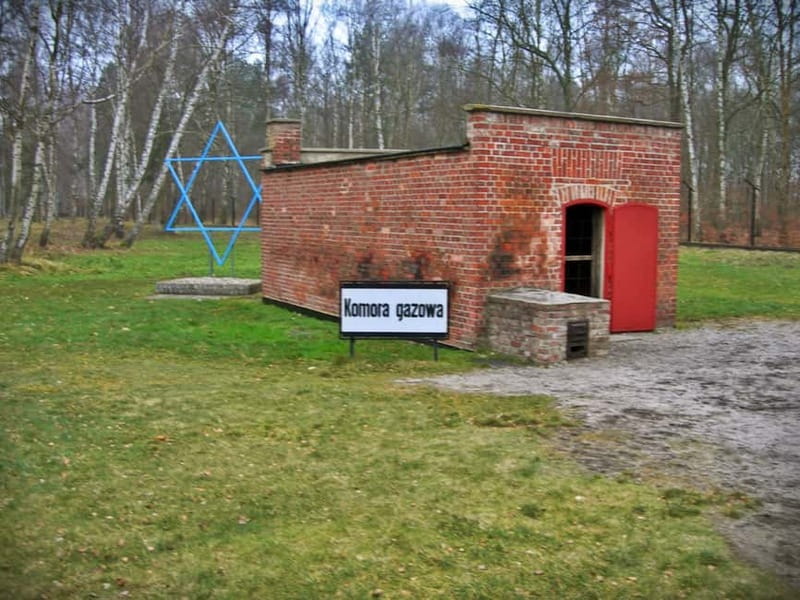
One of the hardest stops is the gas chamber area and the crematorium-related sites. These are not “viewpoints” in the usual sense. They are evidence of a system of mass murder. You will get an explanation of how prisoners were held, processed, and killed, and you will see where those actions were carried out.
I think the guided interpretation is essential here. Even if you know the broad history, the guide’s pacing and phrasing help you understand what you are seeing, without turning the visit into a checklist.
Prisoner barracks
The prisoner barracks are another core part of the tour. This is where the story shifts toward the lived reality of confinement, overcrowding, and daily terror. Barracks can be emotionally challenging because they are so practical in design, which makes the cruelty harder to distance yourself from.
In my experience, the best guides keep it grounded. They point out what the spaces suggest and they explain the purpose of different sections, instead of just describing architecture.
Guard’s tower and camp layout
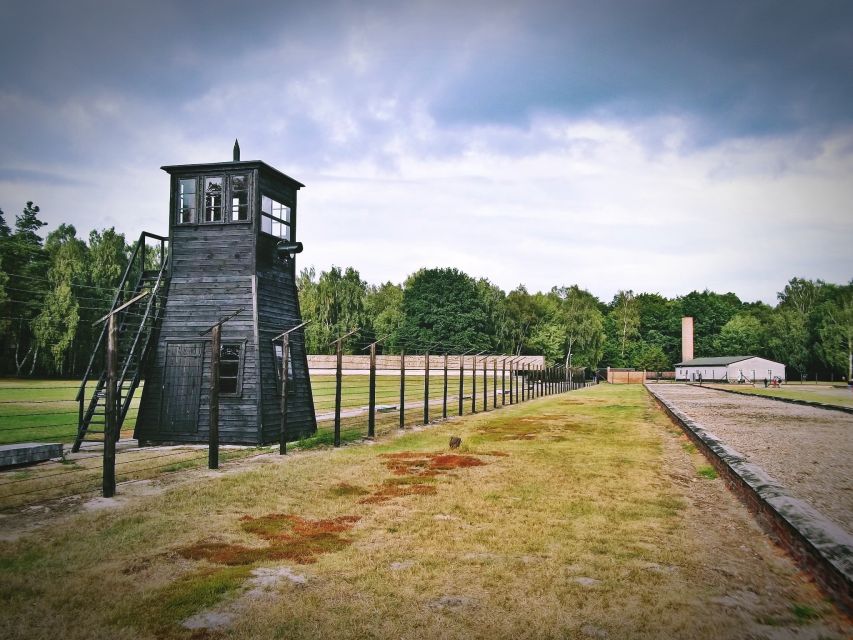
Seeing the guard’s tower adds a different perspective. It makes the power structure visible, literally showing how guards could monitor prisoners. When your guide ties that sightline to what happened inside the camp, the meaning clicks in a way that photos alone never do.
Also, the camp sits in a secluded area described as wet and wooded. That environment affects your senses, even if you do not think about it in advance. You can feel the dampness and the quiet, and that makes it easier to understand why the camp was able to operate largely out of public view.
Liberation by the Soviet Army: the visit’s ending matters
Most history visits can feel like a one-way street: you arrive, you learn, and you leave with heavy feelings. What I appreciate about this tour is that it includes the camp’s liberation by the Soviet Army in 1945 as a defined part of the experience.
That ending adds context. You learn not just what Nazis built and used, but also what happened after the war shifted. It also helps you understand why Stutthof exists as a museum site today, and why survivors and communities needed places of remembrance.
You do not leave only with horror. You leave with a sense of historical sequence, which is important for making sense of the broader Holocaust story.
Language choice, private groups, and how to avoid frustration
This is a live tour with a driver/guide, and you choose your language while booking. The languages listed are Spanish, English, German, Polish, Russian, French, Italian, and Portuguese.
Here is my practical advice: pick the language you can follow when the topic becomes emotionally difficult. A guide can be excellent, but if the translation is not fully matching your comfort level, you can lose key explanations. One personal takeaway from similar tours I have seen: even when the tour is in English, not everyone in the group has the same listening ease, and that can affect how much you absorb.
The good news is that the tour has a reputation for strong guiding. In one case, I had Anna, and the difference a skilled storyteller makes was obvious. She gave clear, organized explanations and handled the hotel pickup and drop-off smoothly.
Also, the tour is described as a private group. Even so, group size can vary by scheduling. If your goal is maximum focus and minimal waiting, you might prefer a smaller group start time.
Practical tips for a respectful, doable visit
Stutthof is not a casual walk. Plan for a serious, guided visit where you will stand, walk, and take in memorial spaces.
Wear weather-smart clothing and good shoes
The camp is in a wet, wooded area. Bring a jacket even if the day looks sunny in Gdansk, and wear shoes with solid traction. This is one of those places where you do not want to worry about slipping or getting soaked while you are trying to listen.
Bring a quiet mindset, not a multitasking one
You will be learning about genocide during WWII. I suggest you treat this like a focus session. Avoid cramming it right before a show or a long restaurant run. If you need a break afterward, that is normal.
Consider whether this is right for your group
The tour is not suitable for children under 12. If you are traveling with kids, you should find an option designed for younger visitors, because Stutthof involves difficult material.
Value and price: what $68 includes, and what that means for you
At $68 per person, the big value points are the package you get. The tour includes multilingual driver/guide service, hotel pickup and drop-off, and museum entrance. For a site this heavy and far enough from the center that you could spend time coordinating transport, that bundled format can save you hassle.
You are also paying for interpretation. In places like this, the “value” is not about ticking off highlights. It is about understanding what you are seeing, in real time, from a guide who can answer questions and pace the group respectfully.
If you are the type of traveler who reads a lot on your own, you might still appreciate the guided structure because it helps you process the grounds and the museum context together. If you prefer minimal guiding and more independent time, you might find the 4-hour format a bit tight, since the visit is designed to stay on a guided path.
Should you book the Gdansk to Stutthof tour?
If you want Holocaust history from a real site close to Gdansk, this is one of the most direct ways to do it. The combination of museum entry, a live multilingual guide, and walking key camp remains is exactly what you need if you want more than general facts.
I would book it if:
- you value a structured introduction before you see the facilities
- you want hotel pickup so the visit stays simple
- you can comfortably follow the tour in your chosen language
I might skip it or rethink if:
- you are likely to struggle with the selected language and you hate missing details
- you are looking for a light, quick outing. This is serious, even with a short duration
FAQ
How long is the Stutthof concentration camp museum day tour from Gdansk?
The tour duration is 4 hours.
What is included in the price?
The package includes a multilingual driver/guide, entrance to the Stutthof Museum, and hotel pickup and drop-off.
Which languages are available for the live tour?
The live tour guide is available in Spanish, English, German, Polish, Russian, French, Italian, and Portuguese.
How far is Stutthof from Gdansk?
Stutthof is located about 25 miles (40 kilometers) from Gdansk.
What can I see during the tour?
You will tour the camp and see sites such as the gas chamber, crematorium, prisoner barracks, the guard’s tower, and learn about the liberation of the camp by the Soviet Army.
Is the tour suitable for children?
No, it is not suitable for children under 12.
Can I cancel for a refund?
Yes, you can cancel up to 24 hours in advance for a full refund.
Fresh listings from Poland
- Private “Top Attractions Of Wroclaw” Tour★ 5.0 · 11 reviews
- Small Group Boat Tour in Wroclaw★ 5.0 · 5 reviews
- Wroclaw Pub Crawl★ 4.5 · 83 reviews
- The Grand E-Scooter (3 wheeler) Tour of Wroclaw – everyday tour at 9:30 am★ 5.0 · 61 reviews
- Wrocław’s Old Town: A Self-Guided History Tour★ 4.5 · 10 reviews
- CITY QUEST WROCLAW: unlock the mysteries of this city!★ 5.0 · 3 reviews
- The Classic E-Scooter (3 wheeler) Tour of Wroclaw – everyday tour at 6:00 pm★ 5.0 · 24 reviews
- Segway Tour Wroclaw: Old Town & Ostrów Tumski – Full Tour★ 5.0 · 9 reviews
Museums, compared.
Auschwitz-Birkenau Museum and Memorial Guided Tour from Krakow
Read our review →
POLIN Museum of the History of Polish Jews Ticket
Read our review →


Krakow Schindler’s Factory Museum Guided Tour in English
Read our review →
Browse the lists this tour appears in