
Review · CONCENTRATION CAMP MEMORIAL TOURS
Gdansk: Small-Group Stutthof Tour
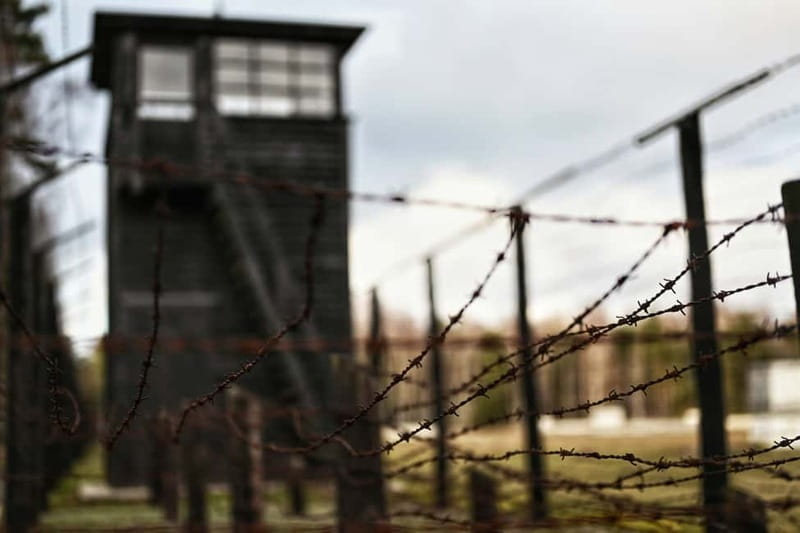
Stutthof is hard to forget. This small-group tour from Gdansk is built for a focused visit, with you going from hotel pickup to the gas chambers and crematorium plus the old and new camp quarters. I like that the day keeps things tight, so you spend your time where it matters, inside the site and in the moments of remembrance.
The one drawback is that it is intense, and there is no food included. You’ll be better off planning for a longer stretch of emotional heaviness and saving your meals for after.
In This Review
- Key things you should know before you go
- From your Gdansk pickup to Stutthof, the day stays simple
- Meeting your guide at Stutthof and setting the tone
- Old and new camp quarters, plus the commander’s villa
- Pomerania occupation context: connecting the camp to local history
- Gas chambers and crematorium: the hardest section of the day
- Paying respects at the victims’ monument
- How long is this, and what the timing does for your experience
- Price and value: is $142 a fair deal?
- Who should book this tour, and who should reconsider
- Should you book the Stutthof small-group tour from Gdansk?
- FAQ
- What is the duration of the Gdansk small-group Stutthof tour?
- Where do you get picked up?
- Is food or drinks included in the tour price?
- Do you get an on-site guide at Stutthof?
- What languages are available for the tour?
- How big is the small group?
- Does the tour include skipping the ticket line?
- What should I bring for the tour?
- What is not allowed during the tour?
- Is the tour suitable for children?
- Is cancellation possible, and can I reserve without paying now?
Key things you should know before you go
- Small group size, max 8 people, which helps the guide keep the pace and answer questions without rushing.
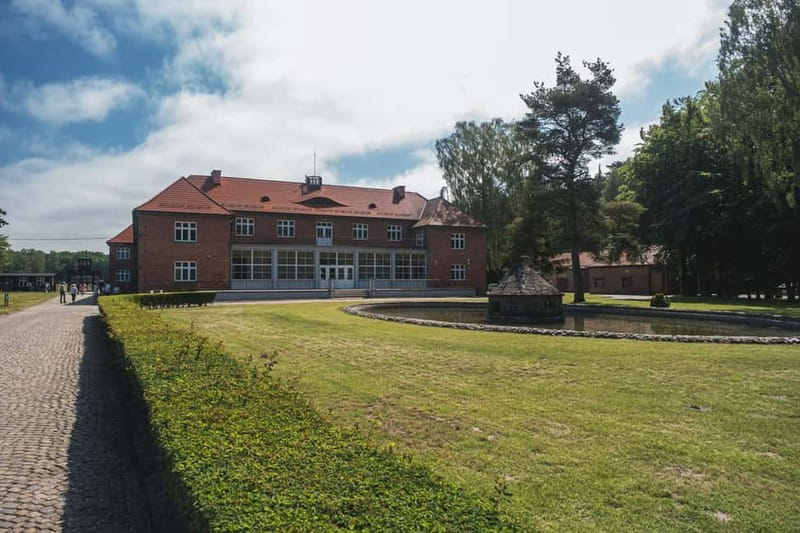
- Old and new camp quarters plus the commander’s villa, so you see how the camp functioned and changed over time.
- Gas chambers and crematorium on the route, where you hear reports about mass murder and the machinery of killing.
- Pomerania persecution and occupation context, so the camp story connects to what happened locally.
- A stop at the victims’ monument, giving you a respectful place to pause before you move on.
From your Gdansk pickup to Stutthof, the day stays simple
I like tours that remove stress, and this one starts that way. You meet an English-speaking driver right in front of your hotel or apartment in Gdansk, Sopot, or Gdynia, then you head to the Stutthof area in air-conditioned transportation. The drive takes about one hour, which is just enough time to get oriented without feeling like you’re stuck on the road all morning.
The small-group setup matters more than you might think. With a max of 8 participants, you are less likely to get boxed in by a huge crowd, and the guide at the site can keep your group moving at a human pace. The tour also includes skip the ticket line, which cuts down on waiting and helps you reach the camp when the visit time is still fresh.
A practical note for comfort: bring comfortable shoes and comfortable clothes. Inside a camp site, you will be on your feet, and cold wind can happen in this region, so an extra jacket is a smart idea if the day looks gray and chilly.
More memorial site visits:
- Gdansk: Stutthof Concentration Camp Regular Tour
★ 4.7 · 361 reviews - Stutthof Concentration Camp English Tour with Gdansk Hotel pickup
★ 4.5 · 73 reviews - Stutthof Concentration Camp Private Tour with Transport
★ 4.8 · 57 reviews
Meeting your guide at Stutthof and setting the tone
Once you arrive at the Stutthof Museum area, your driver steps back and your Stutthof guide takes over for the real learning. The tour is described as a live guided experience in English and German, and that language choice is important here. You want the explanations to land clearly, because you are not visiting a place for casual sightseeing. You are learning how an atrocity system worked, and clarity helps you understand, rather than just witness.
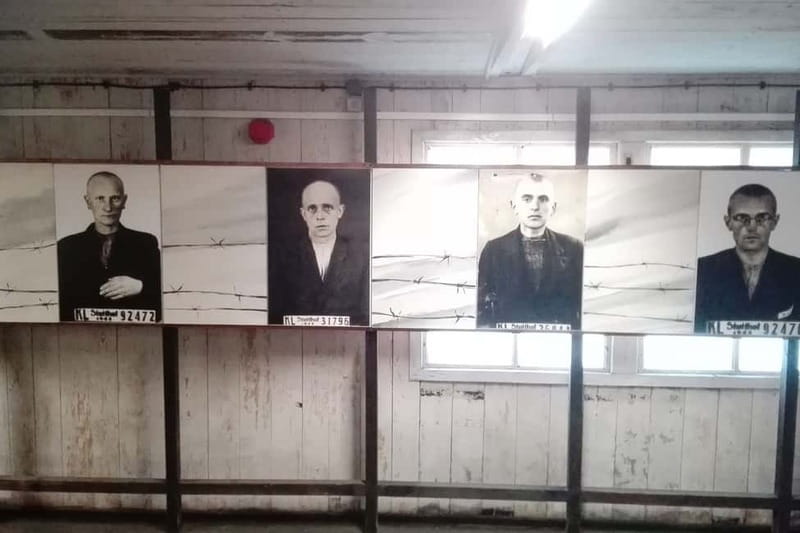
I also appreciate the way the visit is sequenced. You start with the camp quarters and key buildings, then you move toward the sections tied to industrialized killing, and only afterward do you shift into remembrance and the wider story of what happened in Pomerania. That order helps your brain connect spaces and events, instead of feeling like you are bouncing between unrelated exhibits.
Dress rules are straightforward but worth reading closely. Sleeveless shirts are not allowed, and you also cannot bring luggage or large bags. These rules keep the site manageable, but they can surprise you if you pack like it’s a typical day trip. If you’re traveling light, you’ll thank yourself later.
Old and new camp quarters, plus the commander’s villa
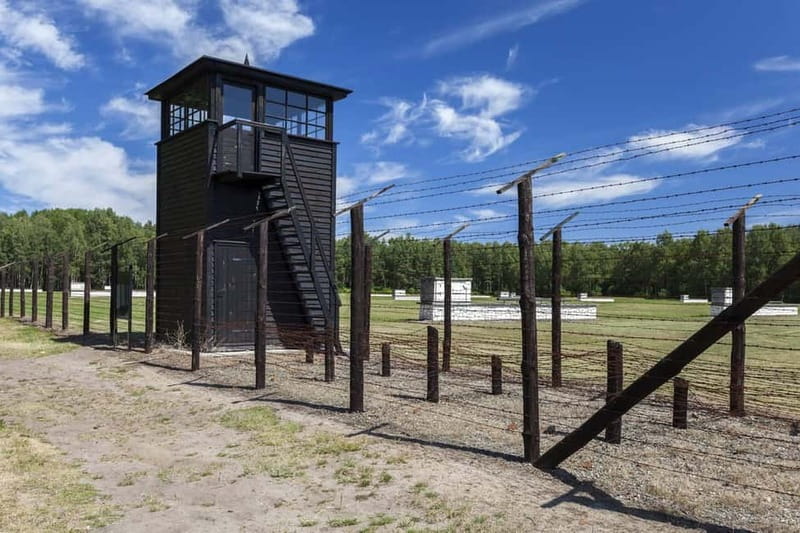
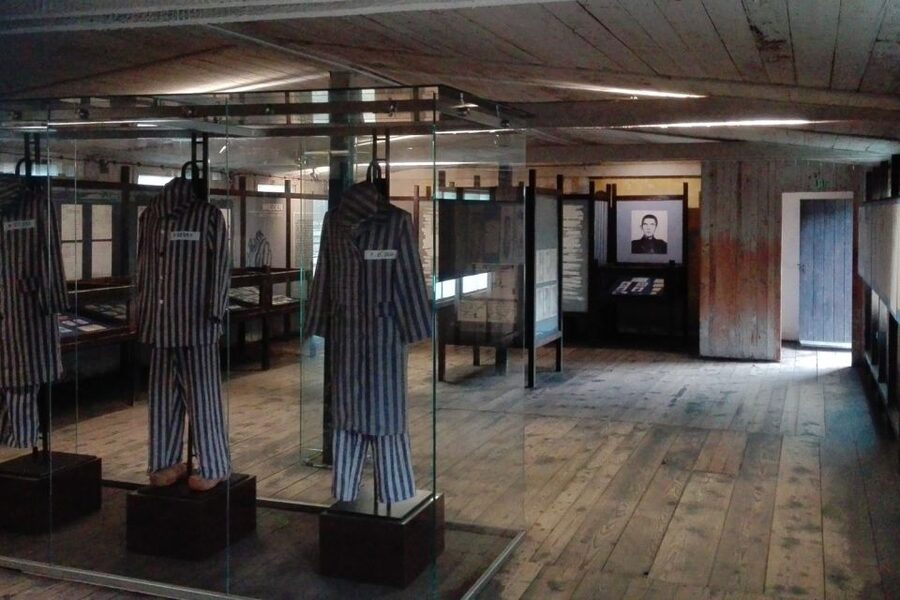
Here is where the tour earns its structure. You do not just see one part of the camp. You visit both the old and new camp quarters, and you also stop at the commander’s villa. That mix is valuable because it shows that this was not a single snapshot. It was an evolving operation, with different zones and functions that changed across time.
The old and new quarters also help you read the camp layout. When you see multiple areas in one tour, you start to understand how prisoners were housed and how the camp was organized. It is easier to follow the guide’s explanations when the site isn’t a blur of buildings.
The commander’s villa adds a different kind of context. You are essentially being asked to look at the contrast between power and captivity, control and suffering. It is not pleasant, but it is informative in a way that makes the rest of the visit hit harder. If you’re trying to understand how occupation and terror were administered, that stop pushes you in the right direction.
Pomerania occupation context: connecting the camp to local history
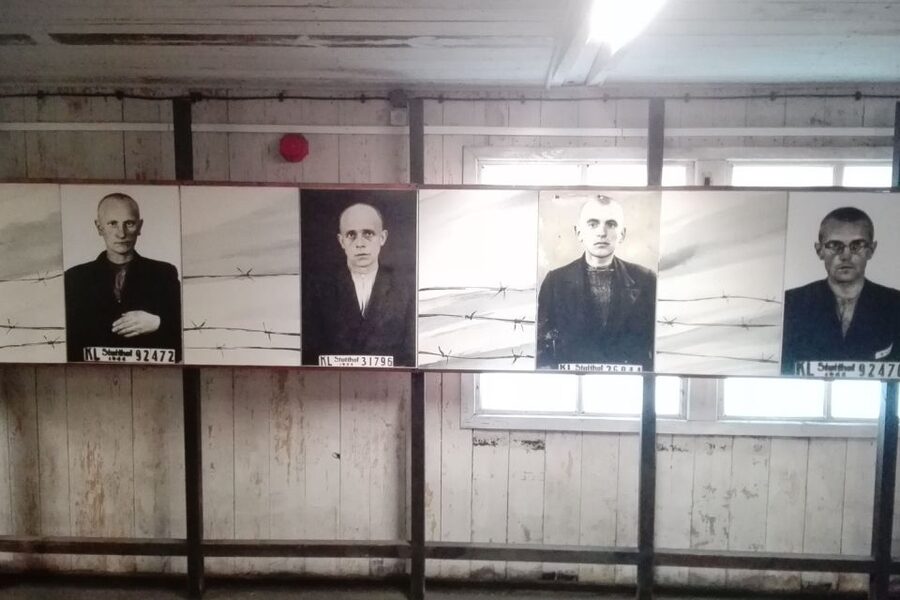
One of the best parts of this tour is that it doesn’t treat Stutthof like an isolated horror. You learn about the persecution and occupation of Pomerania, which is where many visitors end up feeling more grounded. The camp fits into a larger regional story, not just a standalone page of World War II.
I like this approach because it gives you a frame. If you come in already knowing the broad conflict, the added local context helps you understand what the camp meant for nearby communities and why the region mattered. Even if you only catch a few key details, it changes your focus from dates on a timeline to real places and real consequences.
There is also a practical payoff. When the guide connects what you’re seeing to the region, you tend to pay attention in a more meaningful way. You stop thinking only about the buildings and start tracking the human story the camp represented.
A few more Gdansk outings to weigh up
- Gdansk: City Cruise on Historical Polish Boat
★ 4.8 · 2,913 reviews - Gdańsk: Sunset Cruise on a Historic Polish Boat
★ 4.9 · 977 reviews - Gdańsk City Sights & History Guided Walking Tour in English
★ 4.8 · 876 reviews - Gdansk: Firearm Shooting Experience with Instructor
★ 4.8 · 866 reviews
Gas chambers and crematorium: the hardest section of the day
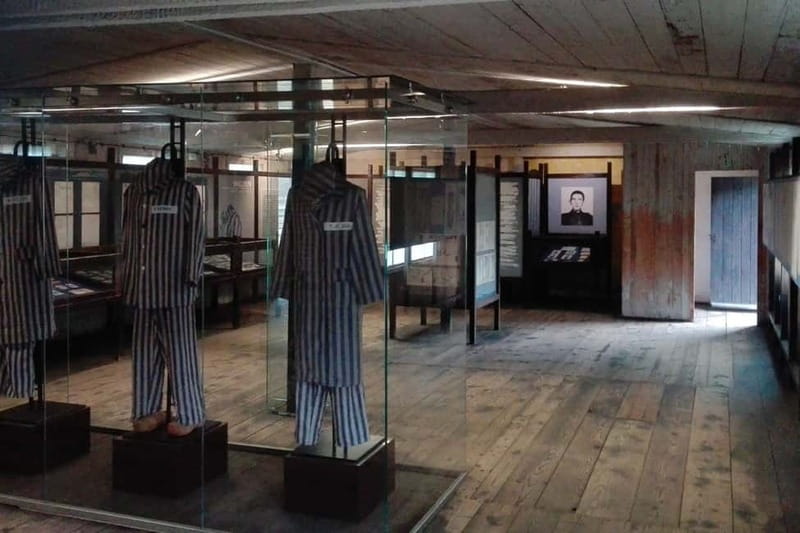
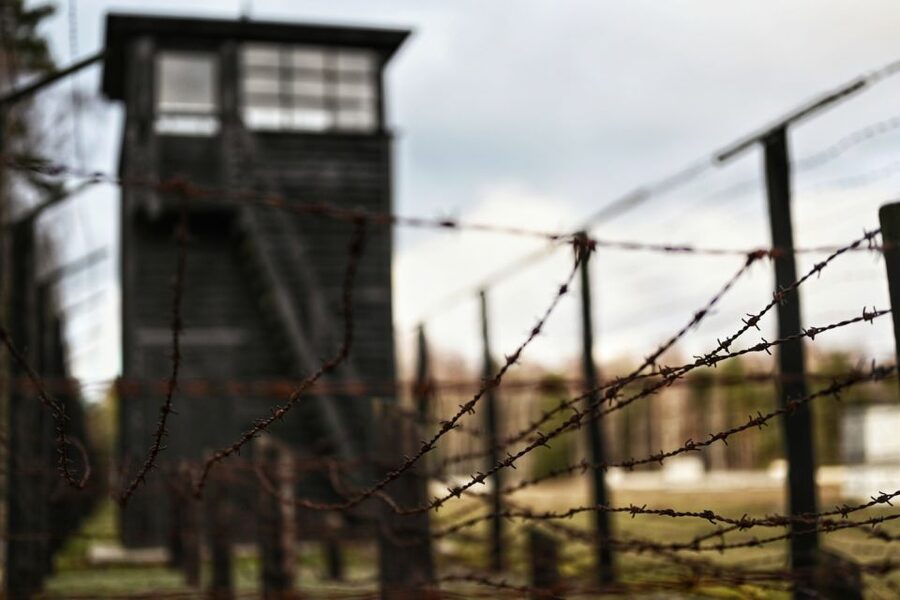
This is the heart of the visit, and it is also the hardest part. You go to the gas chambers and the crematorium, where you hear reports about mass murder. The tour format makes it clear you’re not there to skim. You’ll likely feel your attention tighten as the explanations turn from layout and facilities to what happened there.
I won’t sugarcoat it: this section can be emotionally exhausting. If you are sensitive to heavy topics, plan for that. The tour is not recommended for children under 13, and that guidance makes sense. For many adults, this is more than a history lesson, it is a confrontation with deliberate cruelty.
If you need a simple coping strategy, use your time management. Wear comfortable clothes, pace yourself, and remember you can mentally break the day into chunks: quarters and villa first, then the killing sites, then remembrance. When the guide moves you from one part to the next, you are less likely to feel overwhelmed all at once.
Also, check your comfort needs before you settle into the later parts of the visit. In at least one case, people have found facilities were not open immediately on arrival. So I recommend using restrooms at the earliest opportunity when you get there, not after you already feel stuck in the flow.
Paying respects at the victims’ monument
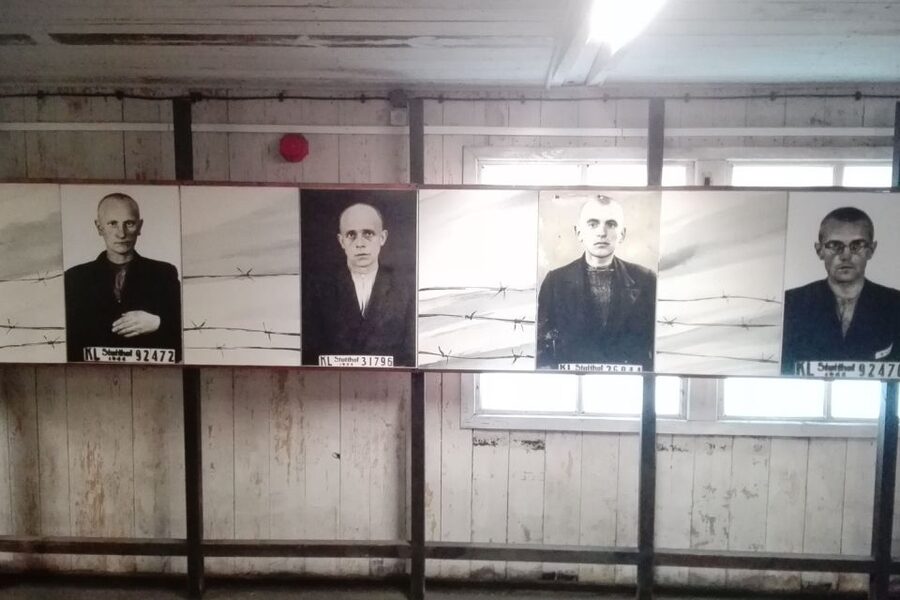
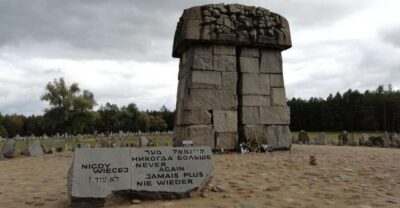
After the camp spaces, the tour makes room for remembrance at the camp victims’ monument. This stop matters because it gives the visit a respectful ending point, rather than leaving you with nothing but the last hard image you saw.
If you’re the type who likes to take a quiet moment without turning it into a photo session, you’ll probably appreciate this part. It also helps to restore balance in your head. You’ve been processing difficult information in multiple locations, and the monument offers a place to shift from learning about facts to honoring the people those facts represent.
The rules around the site support this tone. You cannot smoke, and you should keep your bag situation simple since large bags are not allowed. The combination of rules and atmosphere nudges everyone toward a more thoughtful kind of visit, even if you normally travel fast.
How long is this, and what the timing does for your experience
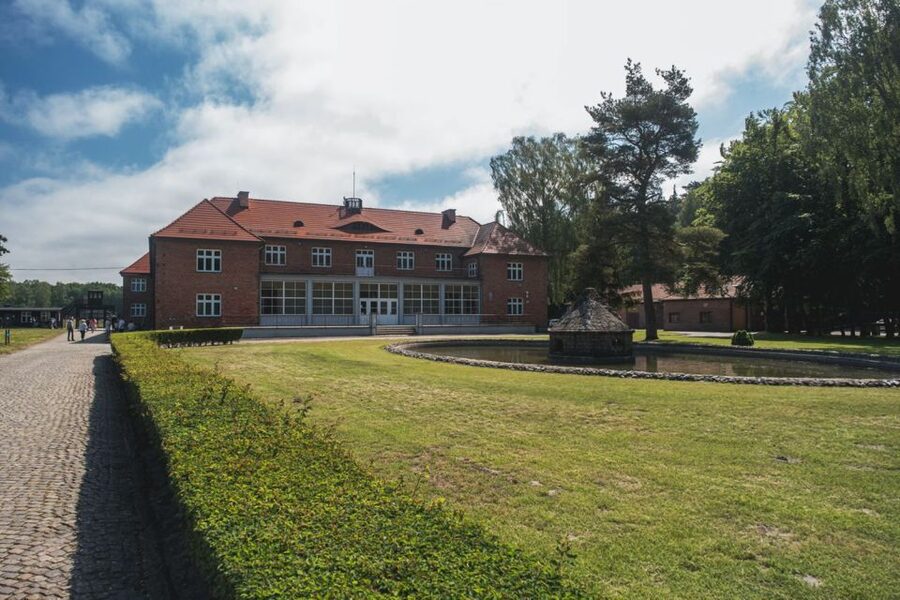
The tour is listed at 4 hours total, and it’s paced with intent. You spend about one hour traveling from Gdansk to the Stutthof Museum area, then you are guided through the camp for around two hours. After that, you’re taken back to your starting point in Gdansk.
That timing is a trade-off, and it’s worth understanding. You do not get an all-day, wander at your own pace experience. Instead, you get a guided route that hits the essentials without turning into a rushed sprint through major sites. For many people, especially those who want to learn without spending hours figuring things out, the half-day format feels about right.
One more practical detail: timing can affect what you feel like doing afterward in Gdansk. Some people end up wishing they had a little more time for independent exploring after the tour. So if you care about a long post-tour walk or a relaxed lunch, plan your afternoon with the expectation that you’ll be emotionally spent, and possibly schedule something calm.
Price and value: is $142 a fair deal?
At $142 per person for a 4-hour, small-group, hotel pickup tour, the value comes from three things you’re not likely to replicate on your own.
First, you get door-to-door transportation from anywhere in Gdansk, Sopot, or Gdynia, plus air-conditioned comfort. That saves effort and removes the problem of how to handle schedules, transfers, and timing.
Second, you get a site guide at Stutthof. A good guide makes a difference in places like this, because context and pacing are everything. You are not just looking at buildings, you’re following an explanation that connects old and new quarters, the commander’s villa, and then the gas chambers and crematorium.
Third, the tour is limited to 8 participants and includes skip the ticket line. Those two details cut down friction. Fewer people also tend to make the tour feel less like a conveyor belt, and the explanations can land more clearly.
Food is not included, and that’s the main “cost” to factor in. Still, with transportation and guiding included, most of your spending goes directly toward the core experience, not the logistics around it. If you budget for a meal after, the pricing starts to look more reasonable.
Who should book this tour, and who should reconsider
This tour fits best if you want a structured, guided visit with no guesswork about where to go or what the key parts mean. If you prefer small groups and clear explanations, the format is a good match.
It is also listed as wheelchair accessible, which can be a big deal when you’re dealing with real-world site conditions. If mobility is part of your planning, this is worth checking further, but the accessibility note is a positive sign.
On the other hand, it is not suitable for children under 13, and I’d treat that as a strong signal. The emotional content is substantial, and the rules about bags and clothing suggest a site visit that expects focus.
Finally, if you know you might struggle with the hardest areas of the route, consider your own limits. This is one of those tours where “I can handle it” can turn into “I wish I had prepared better.” If you’re going, come with realistic expectations, comfortable layers, and time to decompress afterward.
Should you book the Stutthof small-group tour from Gdansk?
If you want a short, guided way to see the most important parts of Stutthof, this is a strong pick. The small group size, hotel pickup, and on-site guide help you spend your time in the right order: camp quarters and villa, then the gas chambers and crematorium, then remembrance at the victims’ monument. At $142 for a half-day with guiding included, it’s priced like a serious historical experience, not a casual excursion.
I’d book if you value structure, clear explanation in English or German, and a respectful route that connects Stutthof to the wider story of Pomerania. I would hesitate only if you are worried about intense subject matter, or if you would rather explore on your own without hearing guided explanations.
FAQ
What is the duration of the Gdansk small-group Stutthof tour?
The tour duration is 4 hours.
Where do you get picked up?
You can be picked up from any location in Gdansk, Sopot, or Gdynia.
Is food or drinks included in the tour price?
No, food and drinks are not included.
Do you get an on-site guide at Stutthof?
Yes, there is a guide at Stutthof.
What languages are available for the tour?
The live guide is available in English and German. The driver is English-speaking.
How big is the small group?
The group is limited to 8 participants.
Does the tour include skipping the ticket line?
Yes, skip the ticket line is included.
What should I bring for the tour?
Bring comfortable shoes and comfortable clothes. If it is cloudy and chilly, bring an extra jacket, and you can leave it in the vehicle if you do not need it.
What is not allowed during the tour?
Smoking is not allowed. You also cannot bring luggage or large bags. Sleeveless shirts are not allowed.
Is the tour suitable for children?
It is not recommended for children under 13.
Is cancellation possible, and can I reserve without paying now?
Yes. You can cancel up to 24 hours in advance for a full refund. You can also reserve now and pay later.
Fresh listings from Gdansk
- Wolf’s Lair and St. Lipka Private Tour from Gdansk★ 4.5 · 5 reviews
- Private WW2 Tour of Westerplatte,Gdansk and Stutthof Including Lunch★ 5.0 · 12 reviews
- 6 Hours Teutonic Castle Tour in Malbork★ 3.5 · 3 reviews
- Westerplatte – 2h private trip by luxury car|★ 5.0 · 4 reviews
- Undercover City Games: Gdynia★ 5.0 · 34 reviews
- Westerplatte private tour led by Expert-Guide (door to door)★ 5.0 · 5 reviews
- Aiport Gdansk Transfer to Malbork Castle or Stutthof★ 5.0 · 3 reviews
- Torun – City of Copernicus Private Tour★ 4.5 · 5 reviews
Concentration Camp Memorial Tours, compared.
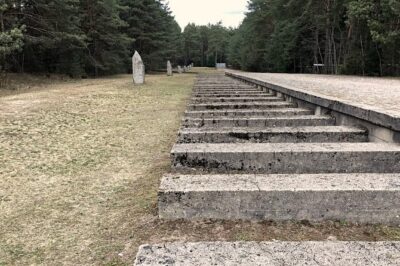
Treblinka Death Camp 6 Hour Private Tour from Warsaw
Read our review →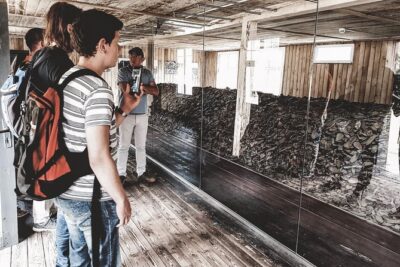
Stutthof Concentration Camp English Tour with Gdansk Hotel pickup
Read our review →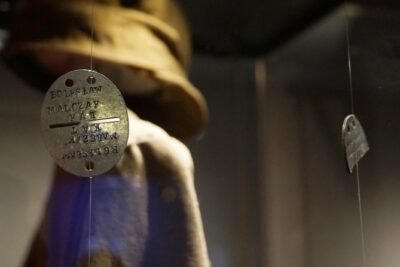
Majdanek Concentration Camp & Lublin Full Day Private Tour from Warsaw
Read our review →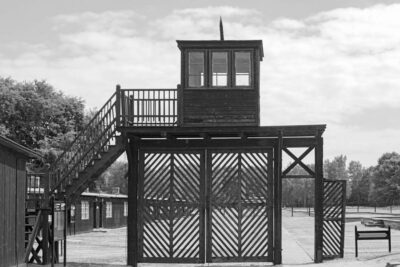
Stutthof Concentration Camp Private Tour with Transport
Read our review →
Half Day Treblinka Death Camp Small Group Tour from Warsaw with Lunch
Read our review →
Browse the lists this tour appears in