
Review · MUSEUMS
Wroclaw: WW2 Tour to Project Riese & Gross-Rosen Museum
Tunnels and camps, stitched into one hard lesson. You start with a smooth hotel pickup in Wroclaw, then head into the mountains for Project Riese and finish at Gross-Rosen, learning WWII history on Lower Silesia without it feeling like a textbook. I like that the day has clear structure: you get to see the sites, then you get context right there on the ground.
I really like the practical side of the trip, the private, air-conditioned minivan door-to-door service. It keeps the focus on the places, not on timing buses or wrestling with connections. I also like that audio guides are included at both Project Riese and Gross-Rosen, so you can follow along at your own pace in several languages.
One consideration: Project Riese is cold and tight underground. Expect around 8 to 10°C, and the tour is not suitable for claustrophobia or wheelchair users, so pick carefully if you’re sensitive to enclosed spaces.
In This Review
- Key Points That Make This Day Worth It
- Getting to Project Riese: Wroclaw Pickup and a Scenic 1.5-Hour Drive
- Project Riese: An Underground City in the Owl Mountains
- Osówka and the Underground City feel
- Time on site and what to watch for
- Cold Tunnels, Claustrophobia, and Practical Safety Rules
- Lunch Timing: Slow Down at Riese or Head Straight to Gross-Rosen
- Gross-Rosen Museum: Film First, Then Indoor and Outdoor Exhibitions
- Up to 2 hours in the exhibition spaces
- Audio Guides: What You Get, and How to Avoid Language Frustration
- Value Check: Is $171 Worth It for This Specific Mix?
- Who This Tour Suits Best, and Who Should Rethink It
- Should You Book This Wroclaw WWII Tour to Project Riese and Gross-Rosen?
- FAQ
- How long is the Wroclaw WW2 tour?
- What is the price per person?
- Do I get hotel pickup and drop-off in Wroclaw?
- Are entrance fees and audio guides included?
- How much time do you spend at the Gross-Rosen museum?
- What languages are available for the audio guides?
- Is the tour wheelchair accessible?
- Is Project Riese suitable for young children?
Key Points That Make This Day Worth It
- Private hotel pickup and round-trip transfer from central Wroclaw, so you can relax and get straight to the sites
- Project Riese underground network with different stages of completion, plus the Osówka Underground City area
- Gross-Rosen museum film followed by up to 2 hours to explore indoor and outdoor exhibitions
- Audio guides in multiple languages at both locations, included with your ticket
- A realistic pace for an 8-hour day, with flexibility to pause for lunch or head directly to the camp
Getting to Project Riese: Wroclaw Pickup and a Scenic 1.5-Hour Drive
This tour is built around one big win: you do not spend your morning figuring out transport. Your English driver meets you at your hotel in Wroclaw and takes you out toward Lower Silesia. The ride to Project Riese takes about 1.5 hours, and it’s described as a very nice journey through mountains and countryside.
That matters more than people think. When you’re heading to WWII sites, the day can get heavy fast. A comfortable drive helps you arrive with your head clear instead of stressed. You also get bottled water included, which is a small but genuinely useful touch on long days.
This is a private tour, so it is calmer than group travel. If you want to ask quick questions, your driver is there, not just waiting for a bus schedule.
More memorial site visits:
- Gdansk: Stutthof Concentration Camp Regular Tour
★ 4.7 · 361 reviews - From Warsaw: Guided Tour of Treblinka Camp
★ 4.7 · 85 reviews - Treblinka Death Camp 6 Hour Private Tour from Warsaw
★ 5.0 · 74 reviews
Project Riese: An Underground City in the Owl Mountains
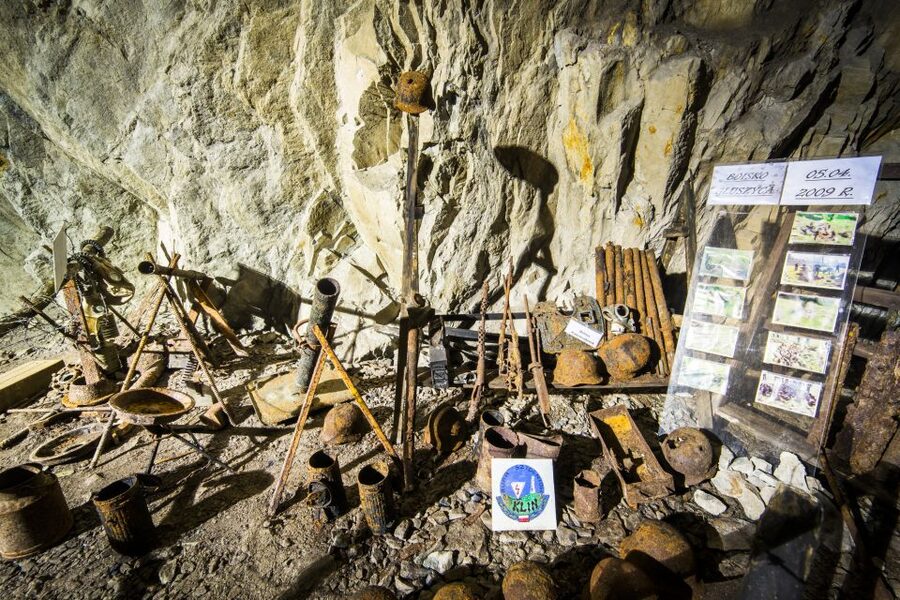
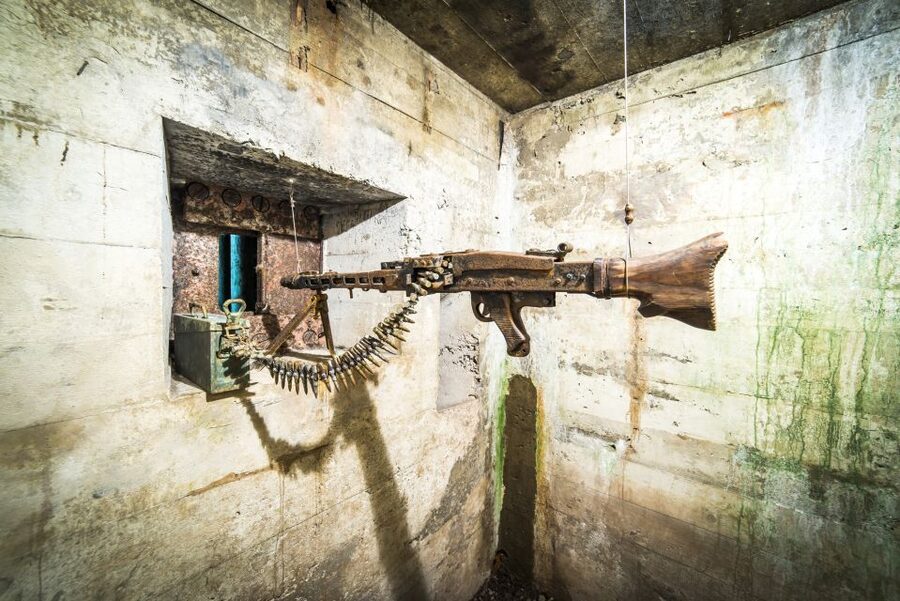
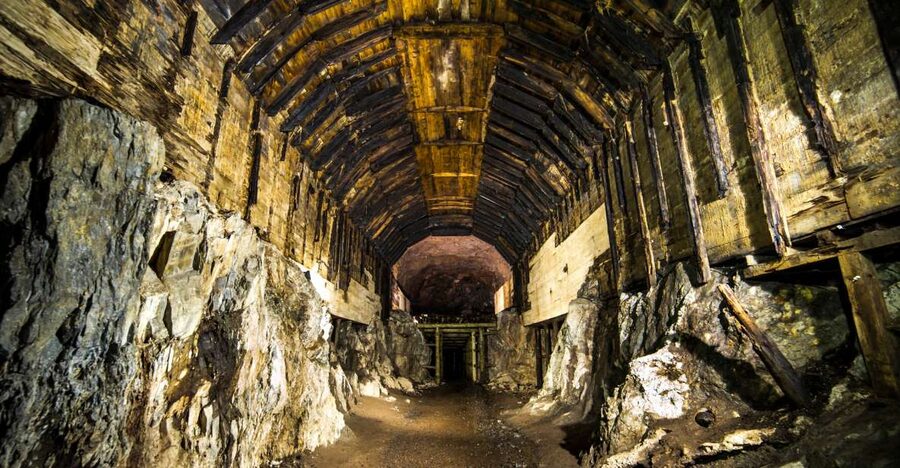
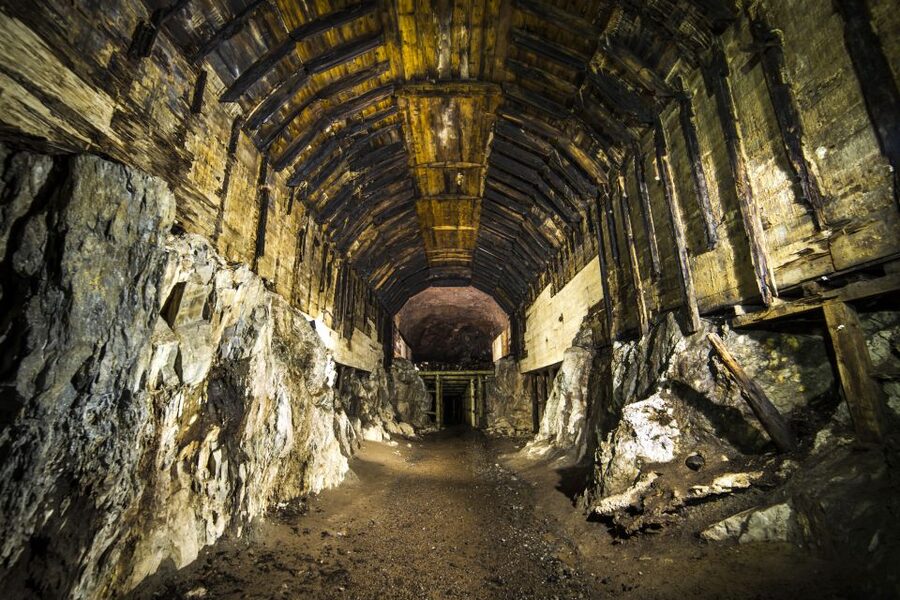
Project Riese is the start of the day’s “how did they build this?” factor. The codename Project Riese refers to Nazi Germany’s large-scale construction initiated between 1943 and 1945. The plan included seven underground structures in the Owl Mountains and the area connected with Książ Castle.
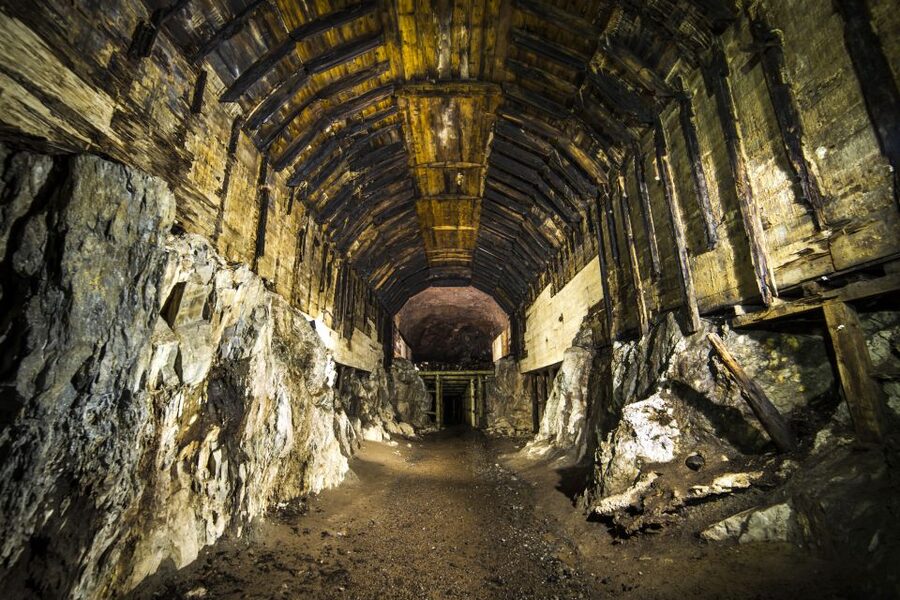
Once you arrive, you’ll explore the site and learn how the underground spaces were designed and built. What I found most useful is that you don’t just see one tunnel. You see a network, and it’s in different states of completion, which gives you a more honest picture of what happened when plans broke down.
Osówka and the Underground City feel
You’ll spend time at Osówka, which is often called the Underground City. Standing inside spaces like this can feel surreal. These are industrial-looking chambers and passageways, but the purpose is tied to wartime secrecy and forced labor conditions in the broader WWII system.
Even if you know the basics, seeing the scale and layout helps the story make sense. The underground structures are not random. They feel planned, engineered, and intentionally hidden.
Time on site and what to watch for
You will explore Project Riese after arrival. The exact time on-site isn’t spelled out in minutes, so plan your expectations around an outdoor walking-and-stair rhythm plus time to view the underground sections.
Wear shoes you trust on uneven ground. You’re going to step, climb, and move more than you’d think, especially if you pause often to read your audio guide.
A few more Poland outings to weigh up
- Auschwitz-Birkenau Museum and Memorial Guided Tour from Krakow
★ 4.5 · 1,510 reviews - Warsaw: POLIN Museum of the History of Polish Jews Ticket
★ 4.7 · 1,142 reviews - Krakow: Rynek Underground Museum Guided Tour
★ 4.6 · 1,122 reviews - Warsaw: Polish Vodka Museum Tour with Tasting
★ 4.6 · 788 reviews
Cold Tunnels, Claustrophobia, and Practical Safety Rules
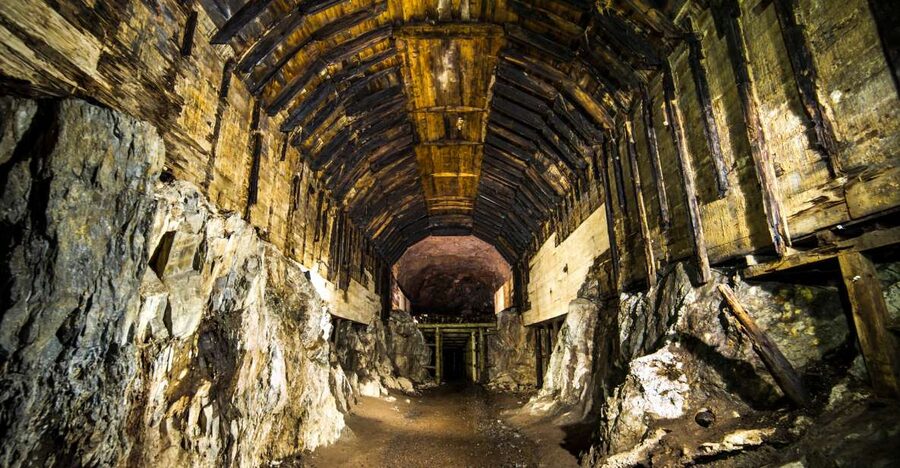
Here’s the real-world truth: Project Riese is not a casual stroll. The underground temperature is about 8 to 10°C, so even in warm weather above ground, you can feel the chill quickly once you enter.
You’ll want a jacket or sweater, and comfortable shoes are non-negotiable. The tour materials also suggest warm clothing, which is exactly what I’d pack for any WWII tunnel complex.
Also note the limits:
- The tour is not wheelchair accessible.
- It is not suitable for people with claustrophobia.
- Children below 5 years are not allowed to enter Project Riese.
If you’re traveling with kids, you’ll need to plan around age rules and supervision, since children must be accompanied by an adult.
This is one of those tours where your comfort affects your ability to learn. If you are even mildly uncomfortable in tight spaces, think hard before booking.
Lunch Timing: Slow Down at Riese or Head Straight to Gross-Rosen
After Project Riese, you have a choice. You can pause for lunch, or your driver can take you directly to the Gross-Rosen concentration camp.
That flexibility is valuable because it lets you match your mood. If the tunnel experience already feels intense, having a break can reset you. If you’d rather keep the storyline continuous, going straight to Gross-Rosen means you carry fewer gaps between sites.
Just remember: food and drinks are not included. So if you need a meal, plan for where you’ll eat based on the driver’s route options that day. Keep cash or a card handy, since the tour package only guarantees bottled water, not meals.
Gross-Rosen Museum: Film First, Then Indoor and Outdoor Exhibitions
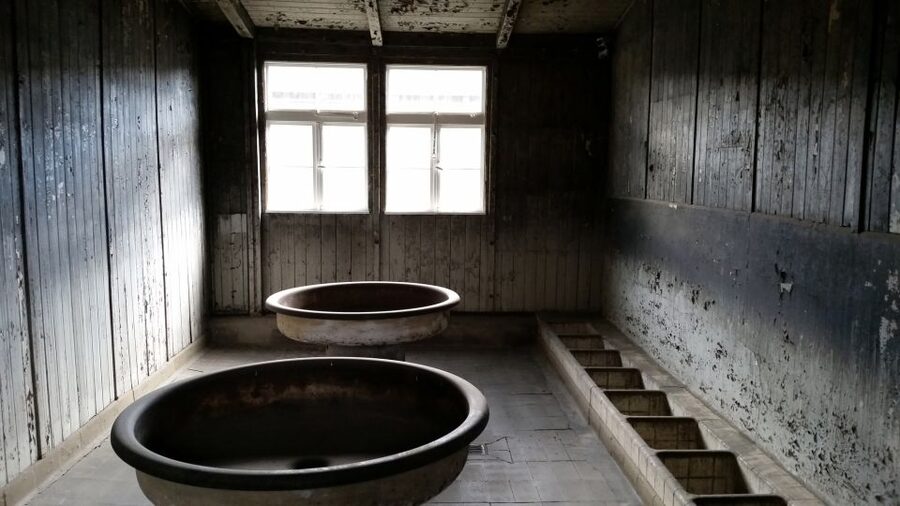
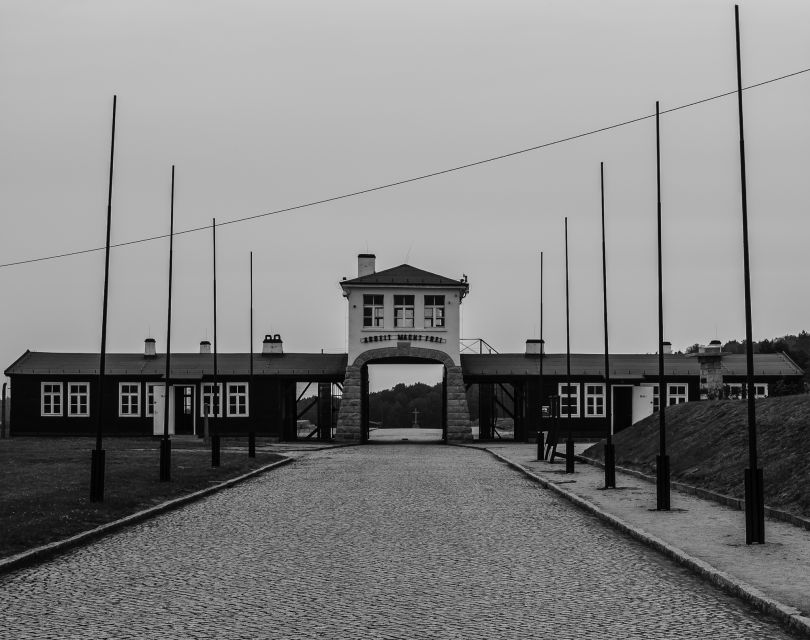
Gross-Rosen is the emotional and educational center of the day. You’ll visit the camp museum, which explains how the Gross-Rosen concentration camp system was built and operated during WWII. The main camp was located in the German village of Gross-Rosen.
To give context without drowning you in numbers, the tour highlights a key point: at its peak in 1944, the Gross-Rosen complex had up to 100 sub-camps across eastern Germany, Czechoslovakia, and occupied Poland. The population of all Gross-Rosen camps accounted for about 11% of the total inmates in the Nazi concentration camp system at that time.
Before you explore the exhibits, you’ll watch a short film about the camp’s history. I like this order because it helps you build a mental timeline before you walk through rooms and outdoor sections. Otherwise, it’s easier to get lost in fragments.
Up to 2 hours in the exhibition spaces
After the film, you’ll have up to 2 hours to see the indoor and outdoor exhibitions. That’s long enough to do this properly without feeling rushed, as long as you pace yourself.
Indoor portions can be emotionally intense and physically slow. Outdoor sections can bring wind, uneven ground, and time spent reading plaques. I’d bring patience and expect to go at your own speed with your audio guide.
Audio Guides: What You Get, and How to Avoid Language Frustration
Audio guides are included at both the Project Riese complex and the Gross-Rosen museum. The tour provides them in English, German, French, Spanish, and Italian.
This is a big deal for value because it means you’re not paying extra for interpretation, and you’re not stuck reading one fixed language on tiny displays. It also helps with flow. You can pause whenever something clicks, without waiting for a group.
One practical tip: when you arrive, confirm the language right away. A small mismatch can happen depending on how audio devices are handed out on the day. I’d rather check in the first minute than realize halfway through that you’re stuck with the wrong language.
Audio guide coverage is also part of why the tour works as a private experience. The driver supports the day, but you’re also able to independently follow what you see.
Value Check: Is $171 Worth It for This Specific Mix?
The price for this tour is $171 per person, and value here comes from the combination, not from any single item.
You’re paying for:
- Hotel pickup and drop-off in Wroclaw
- Round-trip private transfer in an air-conditioned minivan
- Private tour setup (not a shared shuttle)
- Entrance fees to Project Riese and Gross-Rosen
- Audio guides included at both sites
- A driver/guide and bottled water
Food is not included, so you will still plan and pay for lunch yourself. But everything else that tends to add up on day trips is bundled in.
Where this becomes especially good value is the pacing. You’re getting both WWII sites in one day, with a real transport plan and included interpretation. If you tried to build it yourself, you’d likely spend time coordinating transport and ticketing, and you might lose the easy narrative connection between tunnels and the camp museum.
Is it a bargain? For WWII sites, it is fairly priced for a private, guided logistics package. If you want a self-paced experience with no guide or no transfer, you could sometimes do it cheaper. But if you want convenience plus context, this is the sort of day trip that makes sense.
Who This Tour Suits Best, and Who Should Rethink It
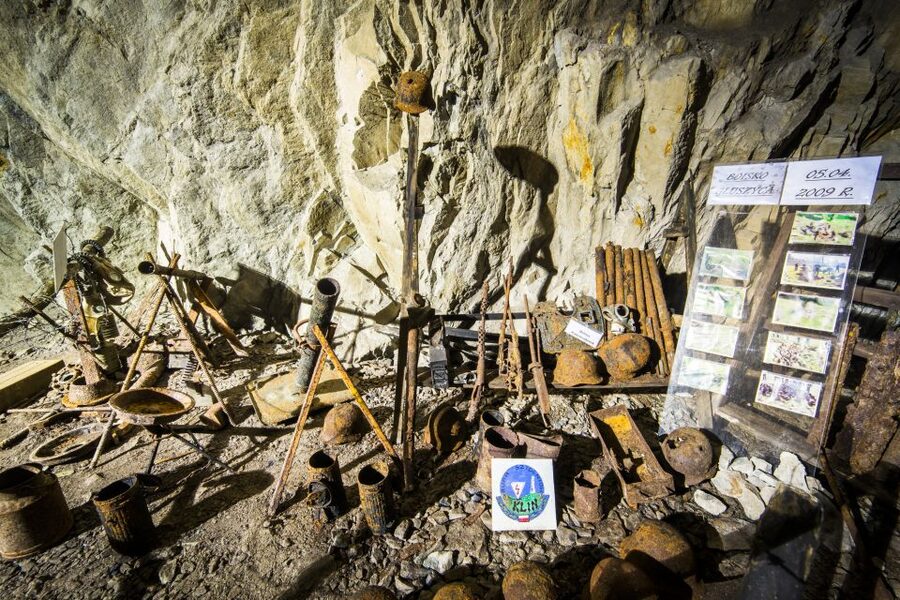
This is best for travelers who want history that stays grounded in place. You’ll learn about Nazi-era construction in Lower Silesia through Project Riese, then you’ll face the broader reality of the concentration camp system at Gross-Rosen.
It suits you if:
- You like a structured day with pickup, driving, and timed museum exploration
- You prefer audio guide support instead of relying only on spoken commentary
- You’re comfortable walking on uneven ground and standing in museums for a while
You should rethink the booking if:
- You have claustrophobia, because the underground sections at Project Riese are central to the experience
- Wheelchair access is required, since the tour is not wheelchair accessible
- You’re traveling with children under 5, since those children are not allowed to enter Project Riese
Also consider the emotional weight. Gross-Rosen is not a light history stop. The film and exhibitions are meant to educate, not entertain, so keep your expectations honest.
Should You Book This Wroclaw WWII Tour to Project Riese and Gross-Rosen?
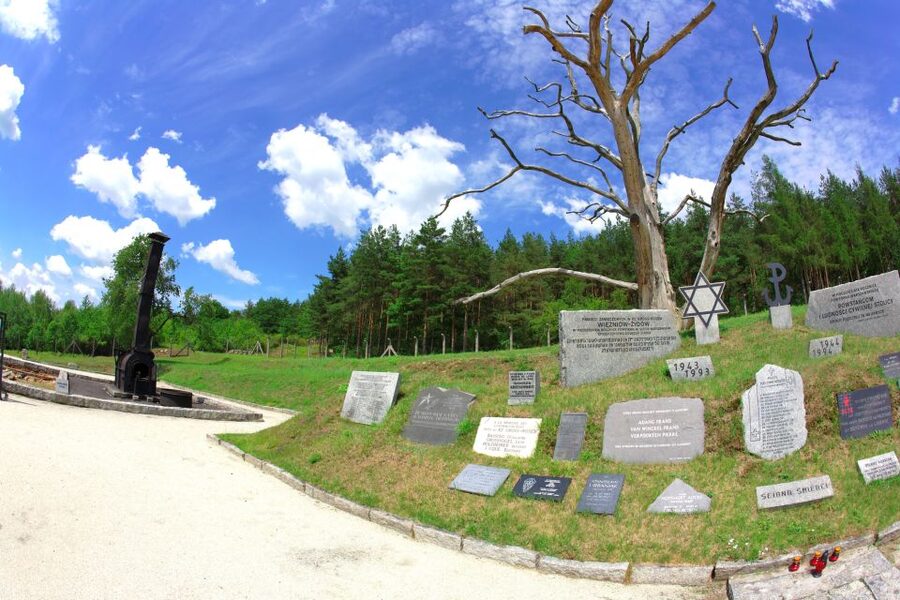
I’d book it if you want one efficient day that connects two major WWII sites in Lower Silesia, with private transport, included entrances, and audio guides doing the heavy lifting for interpretation.
Skip or choose another option if you know you struggle with enclosed spaces or if your travel needs do not match the tunnel environment. For the right traveler, though, this trip is exactly the kind of day trip that turns facts into understanding, because you see the spaces where the story happened.
If you do book, pack for the tunnel cold, wear solid shoes, and plan for lunch on your own. Then let the day unfold in the right order, tunnels first, then the camp museum, and you’ll get the full, uncomfortable picture.
FAQ
How long is the Wroclaw WW2 tour?
The tour duration is 8 hours.
What is the price per person?
The price is $171 per person.
Do I get hotel pickup and drop-off in Wroclaw?
Yes. Pickup and drop-off are included, and pickup is within the city of Wrocław.
Are entrance fees and audio guides included?
Yes. Entrance fees and the use of audio guides are included.
How much time do you spend at the Gross-Rosen museum?
You’ll have up to 2 hours to see the indoor and outdoor exhibition after the film.
What languages are available for the audio guides?
Audio guides are available in English, German, French, Spanish, and Italian.
Is the tour wheelchair accessible?
No, it is not wheelchair accessible.
Is Project Riese suitable for young children?
Children must be accompanied by an adult, and children below 5 years are not allowed to enter Project Riese.
Fresh listings from Poland
- From Krakow: Zalipie and Painted Village Guided Tour★ 4.0 · 4 reviews
- From Krakow: Zakopane Full-Day Tour with Lunch Option★ 4.4 · 62 reviews
- Zator: Energylandia Amusement Park Entry Ticket★ 4.6 · 58 reviews
- From Krakow: Zakopane, Quad & Buggy Thermal Baths Tour★ 4.9 · 31 reviews
- Zakopane: Snowmobiles (or Quads), Thermal Pools & Tasting★ 5.0 · 4 reviews
- From Krakow: Zakopane and Gubałówka Cable Car Private Tour★ 4.3 · 12 reviews
- Zakopane: Sightseeing Tour from Krakow★ 4.6 · 23 reviews
- Zakopane: Quad Bike Adventure with Optional Meal★ 4.5 · 48 reviews
Museums, compared.
Auschwitz-Birkenau Museum and Memorial Guided Tour from Krakow
Read our review →
POLIN Museum of the History of Polish Jews Ticket
Read our review →

Krakow Schindler’s Factory Museum Guided Tour in English
Read our review →
Browse the lists this tour appears in