
Review · 2-HOUR EXPERIENCES
2-Hour Guided Tour in Kraków-Płaszów Concentration Camp
A quiet camp tour hits hard. This 2-hour guided walk helps you make sense of Kraków-Płaszów, where so little is standing that the story depends on your guide and your attention. I love the way it begins with Ghetto Heroes Square, then smoothly leads into Plaszów’s former layout.
What I especially like is the focus on licensed, local interpretation, not just a walk past ruins. You’ll get an expert explanation of how the site functioned, and why the remaining points on the ground still matter today.
The main drawback is also part of the place itself: Plaszów is mostly open space, with few preserved buildings to “see.” If you expect lots of structures or photo-stops, you might find it emotionally heavy and visually sparse, and it may feel long for some teenagers.
In This Review
- Key highlights worth your attention
- Why Plaszów, Not Auschwitz, Changes the Way You Understand Camp Life
- Ghetto Heroes Square: The Chairs That Set the Tone
- Entering Plaszów: How the Walk Makes the Layout Click
- Memorial Stops You’ll Remember: Grey House, Roll-Call, and the Torn-Out Hearts
- Schindler’s Story: How Work Permits Became Survival
- Your Guide Makes the Difference More Than You’d Expect
- Practical Tips: Wear Comfort, Respect the Pace, and Plan for Silence
- Should You Book This Plaszów Guided Tour in Kraków?
- FAQ
- Where is the meeting point for the 2-hour guided tour?
- How long is the tour?
- Which languages are available?
- Is the tour only indoors or does it run in bad weather?
- What should I wear or bring?
- What is included besides the guide?
- Is stroller use allowed?
- If I want to cancel, is there a refund?
Key highlights worth your attention
- Ghetto Heroes Square chairs that symbolize forced departures and absence, before you even reach the camp grounds
- Grey House and roll-call area mapping, so you can follow the camp layout even with minimal remains
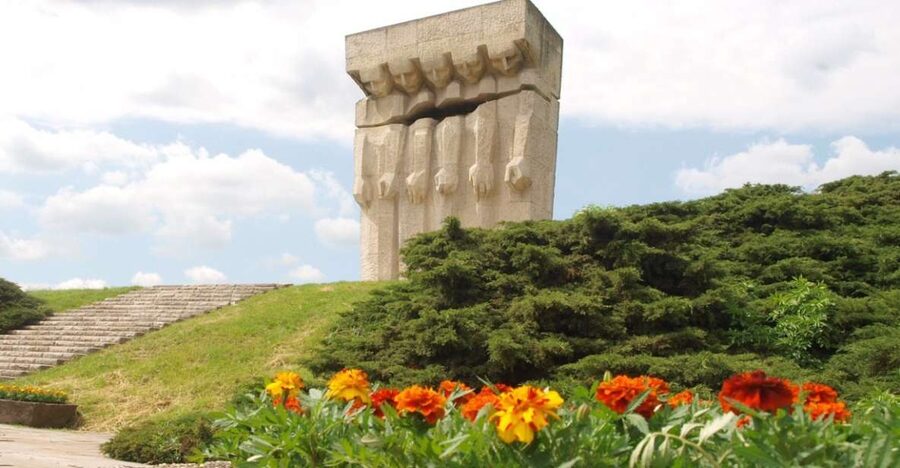
- Monument of Torn-Out Hearts, a memorable point of reflection in an otherwise quiet site
- Oskar Schindler’s work-permit story, tying bureaucracy to real survival outcomes
- Open, silent grounds that slow you down and encourage careful remembrance
Why Plaszów, Not Auschwitz, Changes the Way You Understand Camp Life
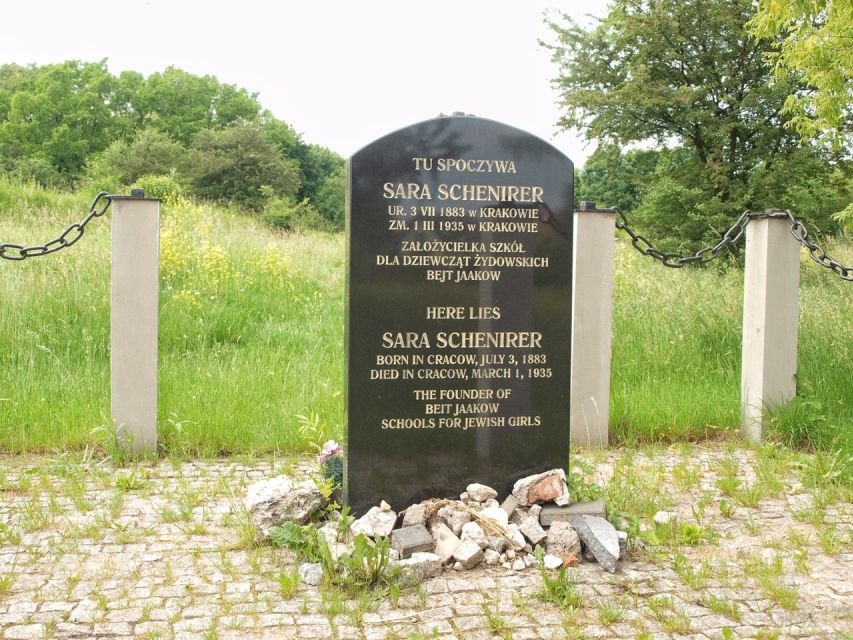
Plaszów can feel different from the bigger, better-known camp sites. Here, the power comes from emptiness and silence. There are fewer obvious buildings to point at, so the guide’s job is crucial: you’re learning to read a place that does not visually “perform” history for you.
I like that the tour treats this as a remembrance walk, not a scavenger hunt. Even though it is only 2 hours, it gives you enough structure to understand how the camp was laid out and how lives were crushed and, in some cases, saved.
This tour is also emotionally direct. It deals with tragedy, survival, and the legacy of Oskar Schindler, and you should go in ready to listen. If you want a light, casual sightseeing stop, you may not enjoy it. But if you want to understand what happened near Kraków, it is a meaningful way to do it.
More memorial site visits:
- Krakow: Plaszow Concentration Camp Guided Walking Tour
★ 4.8 · 50 reviews - Guided Tour in Kraków-Płaszów Former Concentration Camp
★ 5.0 · 19 reviews - Krakow: Plaszow Concentration Camp Guided Walking Tour
★ 5.0 · 8 reviews
Ghetto Heroes Square: The Chairs That Set the Tone
The experience starts in Podgórze at Ghetto Heroes Square, a memorial space that connects directly to the Kraków Ghetto. The square was transformed in 2005, turning an area people once overlooked into something you can’t miss now.
The standout detail is the installation of large metal chairs. They symbolize forced departures and absence, which is a clever but painful idea. You feel the missing people before you even approach Plaszów, and that makes the later camp stops hit harder, in a good way.
This first segment also helps you reset your focus. Instead of jumping straight into camp history, you understand the chain of events: ghetto life, destruction, and then the camp system that swallowed so many people. It is a smart way to begin because it anchors you in context, not shock.
If you’re short on time in Kraków, this is valuable because it gives the tour an emotional and historical “frame” early. You’ll know what you’re looking for when the ground starts telling its own story.
Entering Plaszów: How the Walk Makes the Layout Click
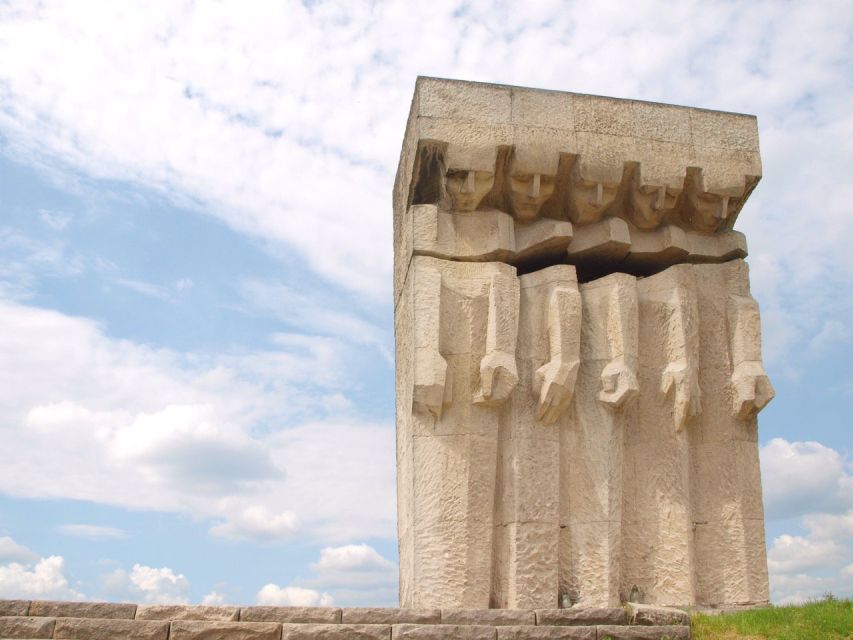
Plaszów was established in 1942 on the grounds of Jewish cemeteries. It began as a forced-labour camp and later became a concentration camp, where more than 35,000 people were imprisoned and thousands lost their lives. That outline matters because it explains why the site evolved and how the purpose of the camp changed over time.
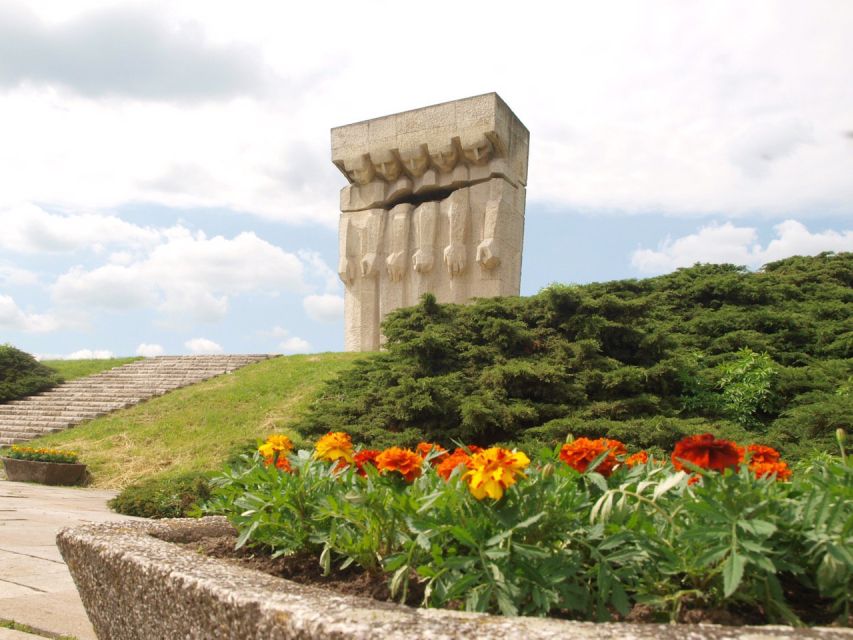
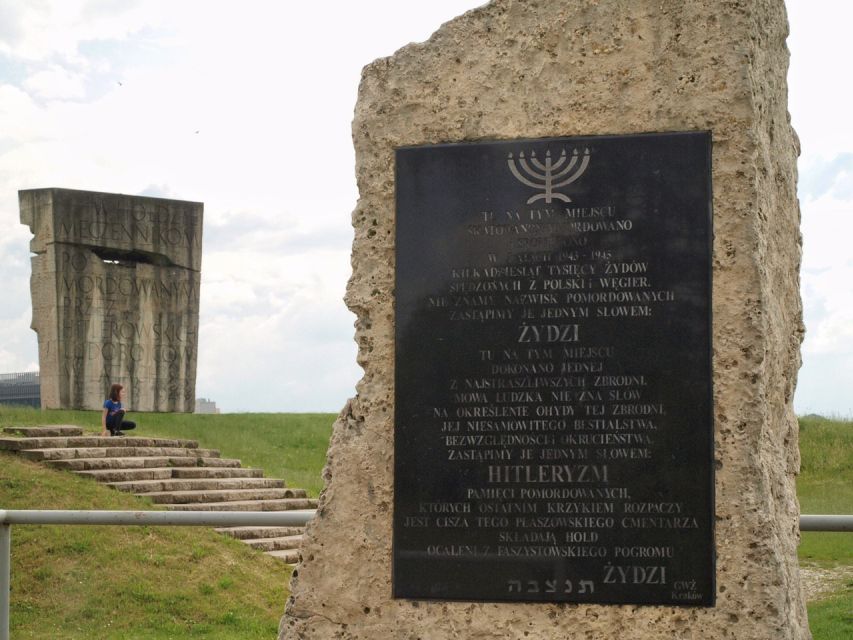
Because few original structures survive, the tour does not rely on “standing in front of the building.” Instead, you trace the camp’s former layout through surviving elements and key memorial features. Expect to hear about spots like the Grey House, the roll-call area, remnants of important buildings, and mass graves.
This approach is practical. It trains your brain to map what you learn onto what you can actually see. When the guide connects the dots, you stop thinking in generalities and start understanding how control, forced labor, and daily terror worked on the ground.
One consideration: since there is not much preserved architecture to visually anchor every moment, you really do need the commentary. If you try to do this site alone without guidance, you might miss why certain points are significant. The guide turns open space into a readable history lesson.
Memorial Stops You’ll Remember: Grey House, Roll-Call, and the Torn-Out Hearts
Some camp sites give you walls and doorways. Plaszów gives you points of remembrance, and your guide helps you treat them like evidence. You’ll likely spend time at the roll-call area, hear how the camp’s daily routine was enforced, and learn what the remaining layout suggests about prisoner control.
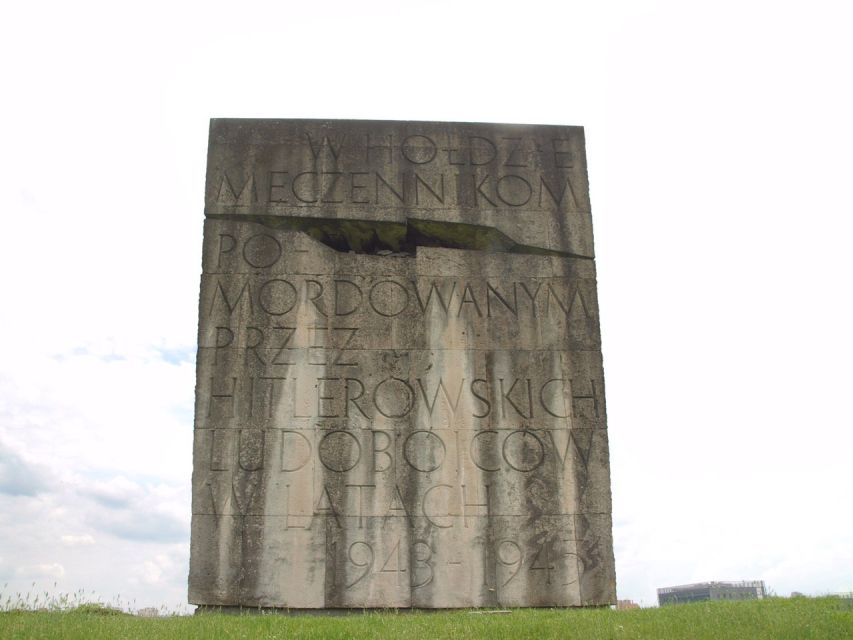
Another stop that carries a strong emotional message is the Monument of Torn-Out Hearts. Even if you already know the broad story of the Holocaust, this kind of memorial language brings it closer. It doesn’t ask you to memorize facts. It asks you to register the human impact.
Then there are mass graves and remnants of key buildings. These stops can feel surreal because you’re standing in a place that once held unimaginable suffering, yet today the area may appear quiet and open. That is exactly why the guide’s pacing matters. You need time to absorb the contrast without rushing past it.
A big takeaway for me is this: the tour is designed to be careful. It gives you learning without turning the site into spectacle. If you want a “quietly powerful” experience rather than a visually dramatic one, this fits that goal well.
A few more Krakow outings to weigh up
- From Krakow: Auschwitz-Birkenau Guided Tour & Hotel Pickup
★ 4.5 · 33,358 reviews - From Krakow: Auschwitz-Birkenau Guided Tour & Hotel Pickup
★ 4.5 · 29,340 reviews - Krakow: Auschwitz Guided Tour with Optional Hotel Pickup
★ 4.5 · 15,280 reviews - Krakow: Wieliczka Salt Mine Tour with Entry Ticket
★ 4.6 · 10,927 reviews
Schindler’s Story: How Work Permits Became Survival
A major highlight is the story of Oskar Schindler and the workers he helped. The tour explains that Schindler arranged work permits for prisoners registered in Plaszów. Those permits mattered because they could lead to transfers out of the camp system and into safer conditions.
The result, as presented during the tour, is that this effort saved more than a thousand lives. That number is staggering, and the tour helps you understand it not as abstract heroism, but as a real chain of actions tied to documented survival opportunities.
I appreciate that the tour includes this because it changes the emotional ending. You still learn about cruelty and loss, but you also hear how resistance and rescue could function in the real world, even under brutal constraints.
If you are familiar with the popular cultural versions of Schindler’s story, you’ll still find value here. The setting of Plaszów gives the story a specific geography and a specific mechanism. It’s one thing to know the name. It’s another to hear how the permits and registrations connected directly to the camp.
Your Guide Makes the Difference More Than You’d Expect
This is one of those tours where the person talking can decide whether the experience lands or passes by. The setup is built around a licensed local expert guide, and the commentary is simple enough to keep you following without losing the emotional weight.
The reviews you can’t ignore point to the same theme: the best tours here feel personal and informed, not scripted. People have described guides who explain in clear language and also share deeply human family connections related to the camp era. That kind of perspective can turn a history lesson into something more vivid and harder to forget.
I also like that the tour is structured so you can ask questions and get help understanding what you’re seeing. When the remains are minimal, questions are not just okay, they are useful.
And yes, it can get hot, especially in warmer months. One review flagged that the walk can be challenging in heat, and it also noted there is no stroller use. If you’re traveling with kids, plan accordingly, and if you’re sensitive to heat, consider going earlier in the day.
The bottom line: if you take one thing seriously, take the guide seriously. In a place like Plaszów, good guidance is not optional.
Practical Tips: Wear Comfort, Respect the Pace, and Plan for Silence
This is a 2-hour walking tour, so dress for weather and for your feet. The tour runs in all weather, rain or shine. That means you should bring weather-appropriate clothing and footwear you can trust on whatever surfaces you’ll be walking over.
The meeting point is in Kraków at the entrance of Apteka Pod Orlem, and you should look for the guide holding the Former Concentration Camp Plaszow Guided Tour sign. You’ll also be given a one-way public tram ticket, which helps connect the morning logistics without forcing you to figure everything out alone.
Arriving about 10 minutes early is important. Once the group leaves, latecomers can’t join, and tickets can’t be refunded. That rule keeps the tour on schedule, but it also means you should treat this like a timed appointment.
Language is another practical point. Tours run in one language at a time, with options including English, French, Italian, and Spanish. If you care about understanding every nuance, pick your language carefully rather than assuming it will be bilingual.
Finally, mentally prepare for tone. This tour is sad by design. It honors victims at memorial sites, and it tells stories of tragedy and survival. Going in with the right expectation will help you absorb it, not just endure it.
Should You Book This Plaszów Guided Tour in Kraków?
If you want a guided experience that focuses on meaning, not photo opportunities, I’d book it. The value is strong for the price because you are paying for a licensed local expert who can connect minimal physical remains to a complete story of the camp’s layout, purpose, and legacy.
You should consider it especially if you like your history grounded in geography. Starting at Ghetto Heroes Square and then moving through Plaszów’s specific memorial points gives you a clear emotional and educational progression.
Skip it only if you strongly prefer preserved ruins and lots of structures to look at. Plaszów’s power is in silence and open space, and a few visitors may find that makes the tour feel visually light. Also, if you’re traveling with very young kids, note that stroller use is a problem based on reported experiences.
FAQ
Where is the meeting point for the 2-hour guided tour?
Meet your guide in front of the entrance of Apteka Pod Orlem. Look for the guide holding the Former Concentration Camp Plaszow Guided Tour sign.
How long is the tour?
The guided walking tour lasts 2 hours.
Which languages are available?
The live tour guide is available in French, Italian, Spanish, and English. The group tour runs in one selected language.
Is the tour only indoors or does it run in bad weather?
The tour goes ahead in all weather, rain or shine.
What should I wear or bring?
Bring weather-appropriate clothing and comfortable footwear suitable for walking.
What is included besides the guide?
The tour includes the licensed local expert guide, the 2-hour guided walking tour, and one-way public tram ticket.
Is stroller use allowed?
Stroller use is not possible, based on a reported note from the experience.
If I want to cancel, is there a refund?
Free cancellation is available up to 24 hours in advance for a full refund.
Fresh listings from Krakow
- Zakopane & Gubalowka Funicular – Private Winter Tour from Krakow★ 5.0 · 10 reviews
- ZALIPIE – painted village, unique PRIVATE tour from Krakow★ 5.0 · 20 reviews
- stag dog chase Krakow prank★ 5.0 · 4 reviews
- ZALIPIE – painted village, unique small group tour from Krakow★ 5.0 · 7 reviews
- Full-Day Zalipie Painted Village Guided Tour★ 4.0 · 3 reviews
- Sleigh Ride & Bonfire in Zakopane with Funicular – Private Trip★ 5.0 · 48 reviews
- Zakopane PRIVATE TOUR from Krakow★ 5.0 · 18 reviews
- Zakopane Funicular Hill & Thermal Springs regular tour★ 5.0 · 9 reviews
2-Hour Experiences, compared.
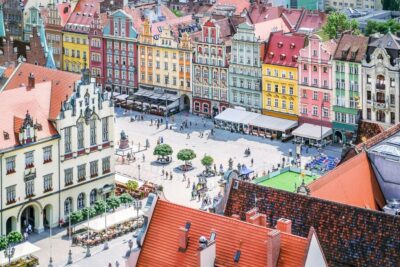
Private Old Town Guided Walking Tour (2 hours)
Read our review →
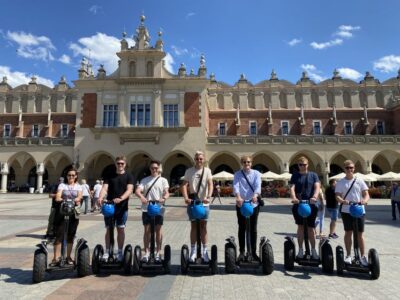
Krakow Old Town Segway Tour — 2H of History, Fun & Discovery
Read our review →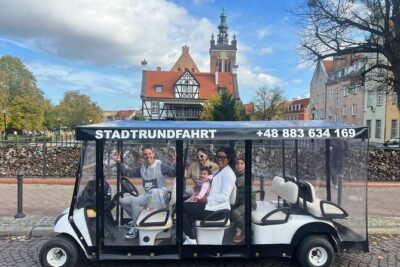
2H City Sightseeing Tour LIVE GUIDED by Buggy/Golf cart
Read our review →
Browse the lists this tour appears in