
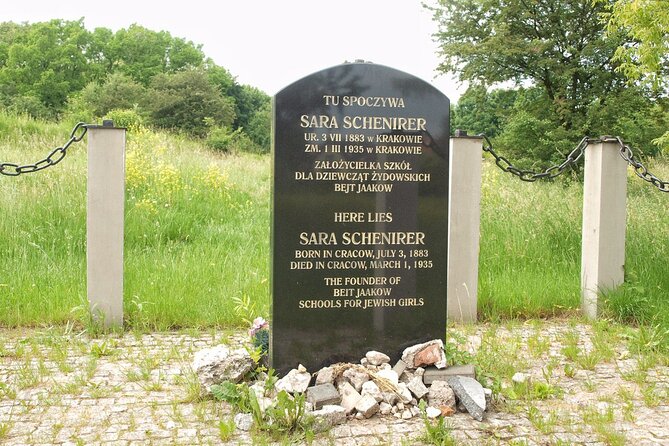
Review · CONCENTRATION CAMP MEMORIAL TOURS
Guided Tour in Kraków-Płaszów Former Concentration Camp
If Holocaust history feels far away, this brings it home. In Kraków, a guided walk through Płaszów and nearby memorial sites turns the city streets into something you can read like a map. You’ll also get to see the Ghetto Heroes Square memorial design and the surviving Ghetto Wall fragment, explained in context instead of listed as dates.
Two things I really liked are how the route connects multiple layers of the story, and how much the guide helps you make sense of what you’re seeing. One review even mentioned Olga, a guide who was prepared and kind, and who helped with tram tickets. Another recurring theme is that the explanations land from start to finish, so you leave with the “why,” not just the “what.”
The main drawback to consider is that this is an outdoor, somber visit. The former camp area is described as a wild, uneven space of land, so you’ll want comfortable shoes and the mental space to handle heavy material.
In This Review
- Key Things to Know Before You Go
- Płaszów in Kraków: Why This Tour Feels Different
- Start at Ghetto Heroes Square Across the River
- The Main Stop: Walking the Grounds of Płaszów
- A consideration on preservation
- Ghetto Wall Fragment: A 12-Metre Piece of Survival
- Why the Route and Time Matter for Your Money
- Getting Oriented: Meeting Points and How You’ll Move
- What to Expect Emotionally, and How to Prepare
- Should You Book the Kraków-Płaszów Guided Tour?
- FAQ
- How long is the Guided Tour in Kraków-Płaszów Former Concentration Camp?
- What language is the tour offered in?
- Is a ticket needed for the Płaszów concentration camp stop?
- Where does the tour start and end?
- How big is the group?
- What is the cancellation policy?
Key Things to Know Before You Go
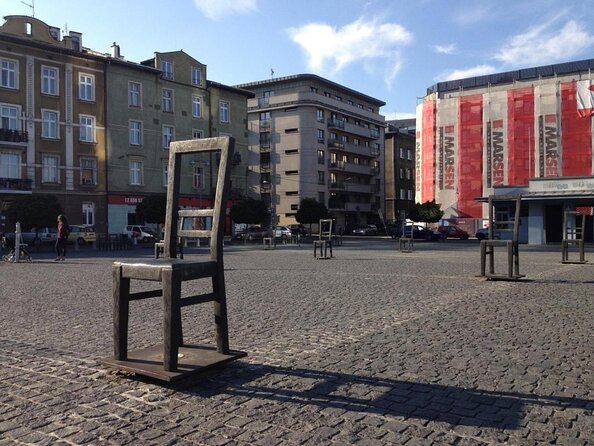
- Płaszów right in Kraków, not a day trip, which changes how you understand the city’s role during the Holocaust
- A 2-hour guided format that mixes memorial stops and the camp grounds for a connected storyline
- Ghetto Heroes Square design details, including the 70 metal chairs meant to symbolize departure and absence
- A real surviving landmark, the 12-metre stretch of the ghetto wall with a commemorative plaque
- Small-group feel (up to 25) and English guidance for clearer, more personal questions
Płaszów in Kraków: Why This Tour Feels Different
Most visitors aim straight for Auschwitz, which makes it easy to miss what happened in Kraków itself. This experience puts you in the city’s “backyard,” on the site of the German Nazi concentration camp in Płaszów, called Konzentrationslager Plaszow bei Krakau. That matters, because it reframes Kraków from a postcard destination into a place with direct, local trauma and memory.
I like that the tour does not treat Płaszów as isolated history. The way the stops link together makes you see how ghettos, forced movement, and extermination plans were part of one system. Even when the landscape looks quiet, the guide’s context gives the grounds weight.
You should also know the setting. The former camp area is described as almost undeveloped and located in an area that today is desirable for shopping and residences, near Wielicka Street and opposite Bonarka. That contrast can hit hard. It’s not meant to “shock for shock’s sake.” It simply shows how time covers scars, and how easy it is to walk past without realizing what the ground represents.
More memorial site visits:
- Krakow: Plaszow Concentration Camp Guided Walking Tour
★ 4.8 · 50 reviews - 2-Hour Guided Tour in Kraków-Płaszów Concentration Camp
★ 4.8 · 15 reviews - Krakow: Plaszow Concentration Camp Guided Walking Tour
★ 5.0 · 8 reviews
Start at Ghetto Heroes Square Across the River
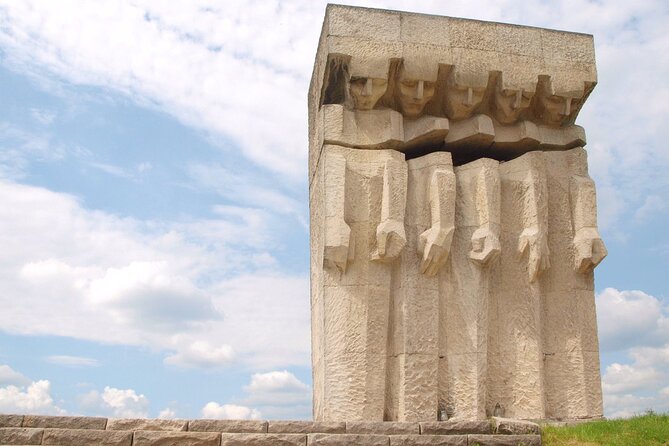
Your walk begins at Plac Bohaterów Getta, at Apteka pod Orłem, Plac Bohaterów Getta 18. It’s just across the river in the Podgorze suburb, and it’s a smart first stop because it sets the tone before you reach the camp grounds.
This square has its own complicated history. After the war, Plac Zgody was changed to Plac Bohaterów Getta, and a small monument was added. But the space did not always feel properly memorialized. The tour route emphasizes that for decades, the area was used in everyday ways like a public toilet or parking lot, even though its historical significance should have been impossible to ignore.
In 2005, the square was renovated, and that’s where the controversy comes in. The design includes 70 large, well-spaced metal chairs intended to symbolize departure and subsequent absence. The result is an odd memorial. That word can sound judgmental, but in practice it helps you understand what you’re looking at: the chairs are meant to make absence visible, but they also sit in a modern public space where life keeps moving.
Practical note: you’re starting outdoors and walking soon after meeting. If you’re prone to cold or rain, dress like you’re walking by a river, not like you’re visiting a museum lobby.
The Main Stop: Walking the Grounds of Płaszów
Next comes the heart of the visit: the Płaszów concentration camp site. Your guided tour starts here, with the guide happy to explain what you need as you move through the area.
One of the most useful parts of this stop is how it challenges assumptions. Many people expect strong, obvious ruins or a big, preserved complex. Here, the tour description points out that the site today can look like a wild, uneven patch of land, and that until recently it didn’t clearly indicate its wartime existence. So the experience relies on interpretation. The guide becomes your map, not just your storyteller.
You’ll learn that the camp was the German Nazi concentration camp in Płaszów. The group focuses on the history of Kraków during the Holocaust, and you’ll hear how this site fit into the broader system in the city. The visit is listed at about one hour on-site, and the “admission ticket free” note matters because you’re paying for guided interpretation rather than fees to access a paid museum.
What to watch for while you’re walking: small details. Even if the ground is rough and uneven, pay attention to how the guide points out relationships between areas, and how the story shifts depending on location. That is where a guided format earns its keep. Without explanations, you might see open land and miss the meaning.
A consideration on preservation
The site is described as almost undeveloped and uneven. That can be emotionally tough and physically slow. It’s not a quick “photo stop.” If you want something that feels heavily structured and indoors, you may find the camp grounds more bare than you expected. If you’re okay with that, you’ll probably find the guidance even more important, because your understanding will be built from what the guide helps you notice.
A few more Krakow outings to weigh up
- From Krakow: Auschwitz-Birkenau Guided Tour & Hotel Pickup
★ 4.5 · 33,358 reviews - From Krakow: Auschwitz-Birkenau Guided Tour & Hotel Pickup
★ 4.5 · 29,340 reviews - Krakow: Auschwitz Guided Tour with Optional Hotel Pickup
★ 4.5 · 15,280 reviews - Krakow: Wieliczka Salt Mine Tour with Entry Ticket
★ 4.6 · 10,927 reviews
Ghetto Wall Fragment: A 12-Metre Piece of Survival
After the camp area, you’ll pass by Kraków’s most prominent remaining evidence of its ghetto: the Fragment of Ghetto Wall, a 12-metre stretch of the original wall. This stop is short but powerful because it gives you something physical and specific to anchor the story.
In 1983, a commemorative plaque was raised here, written in Hebrew and Polish. The text commemorates the lives lost and the final journey from this point to the death camps. The message is direct: it states that people lived, suffered, and died at the hands of German torturers, and that from here they began their final journey to the death camps.
I like this stop for one practical reason. When history gets explained in different places, it can blend together in your head. Seeing a surviving fragment and reading the plaque helps you connect the narrative to a single location you can picture later.
Why the Route and Time Matter for Your Money
At $30.01 per person for about two hours, you’re not paying for a long bus ride or a multi-day package. You’re paying for focused interpretation at the places that matter most on this theme.
The value part here is the pacing. You get a “starter” stop (Ghetto Heroes Square), then the main site (about one hour at Płaszów), then a memorial anchor (the ghetto wall fragment). That structure helps you avoid the common problem of Holocaust-related tours turning into either a rushed checklist or an overwhelming history lecture. Here, you can absorb each location and then move to the next with less mental overload.
There’s also group size. The experience lists a maximum of 25 travelers. That matters because a smaller group usually means the guide can answer questions without turning every stop into a timed performance. One review specifically said the group was only three people, and that made the visit feel especially nice. While you can’t count on that exact number, the structure supports a more conversational feel.
Language is another value factor. This tour is offered in English, and you’ll have a guide who is actively explaining and contextualizing events, not just reading a script.
Getting Oriented: Meeting Points and How You’ll Move
You’ll start at Apteka pod Orłem at Plac Bohaterów Getta 18, 33-332 Kraków. The end point is Henryka Kamieńskiego 57, 30-644 Kraków, with a note that it connects near the bus stop at 57 on Kamienskiego street.
This is the kind of tour that works best if you plan your day around it. Since it ends at a different street from where you begin, you’ll save time by leaving yourself room to walk a bit or grab public transportation after the tour.
One more practical detail I appreciate: this experience offers a mobile ticket. That’s one less thing to worry about, especially if you’re switching between tram and walking routes.
What to Expect Emotionally, and How to Prepare
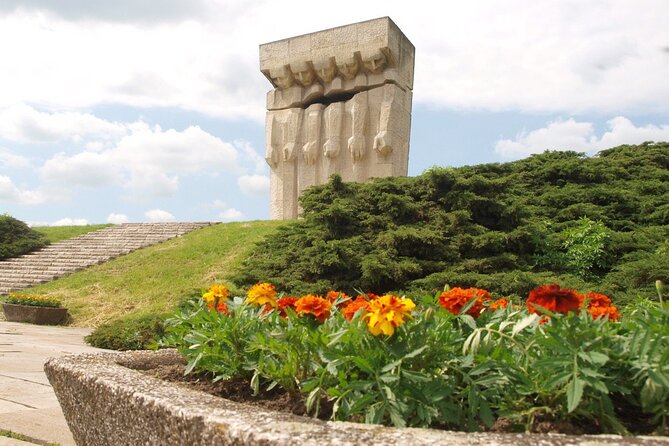
This isn’t “light sightseeing.” It’s a guided walk through Holocaust-related sites, including a former concentration camp area and memorials tied to Kraków’s ghetto history. Your guide will contextualize tragic events, and the route makes the city’s memory visible in different forms, from memorial chairs to a surviving wall segment.
To make the visit smoother, I suggest you:
- Wear comfortable shoes for uneven ground at the Płaszów site.
- Bring a layer for outdoor weather, since you’ll be outside before and after the camp portion.
- Keep your phone settings ready, but use photos only if you truly can do it respectfully. If you want quiet reflection, you can.
The tone matters. Even when the landscape looks ordinary today, the explanations give it meaning. If you enter ready for that contrast, you’ll get far more out of the guide’s effort.
Should You Book the Kraków-Płaszów Guided Tour?
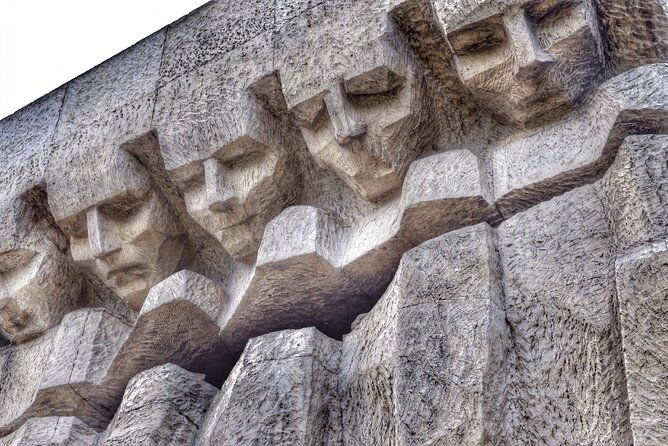
Book it if you want Holocaust history that is tied to Kraków itself, not only to faraway day trips. The combination of Ghetto Heroes Square, the Płaszów camp site, and the Fragment of Ghetto Wall gives you a story arc you can actually follow in real space. I also think it’s a strong choice if you like guided context, because the camp area is described as uneven and not always visually obvious as a historical site.
Skip it or consider another format if you are expecting a highly preserved museum complex. This visit leans on explanation and interpretation, because much of what you’re walking on is land rather than dramatic, enclosed structures.
If you book, treat it like an educational appointment, not just a tour. With the English guidance, the small-group limit, and the way the route connects memorial design to the camp grounds and the ghetto wall, it’s one of those Kraków experiences that stays with you after the tram ride back to your hotel.
FAQ
How long is the Guided Tour in Kraków-Płaszów Former Concentration Camp?
The tour is listed at about 2 hours.
What language is the tour offered in?
The tour is offered in English.
Is a ticket needed for the Płaszów concentration camp stop?
The Płaszów concentration camp stop lists admission ticket free.
Where does the tour start and end?
It starts at Apteka pod Orłem, Plac Bohaterów Getta 18, and ends at Henryka Kamieńskiego 57, near the bus stop on Kamienskiego street.
How big is the group?
The tour has a maximum of 25 travelers.
What is the cancellation policy?
You can cancel for a full refund up to 24 hours before the experience starts. If you cancel less than 24 hours before, the amount paid is not refunded. Confirmation is received at booking.
Fresh listings from Krakow
- Zakopane & Gubalowka Funicular – Private Winter Tour from Krakow★ 5.0 · 10 reviews
- ZALIPIE – painted village, unique PRIVATE tour from Krakow★ 5.0 · 20 reviews
- stag dog chase Krakow prank★ 5.0 · 4 reviews
- ZALIPIE – painted village, unique small group tour from Krakow★ 5.0 · 7 reviews
- Full-Day Zalipie Painted Village Guided Tour★ 4.0 · 3 reviews
- Sleigh Ride & Bonfire in Zakopane with Funicular – Private Trip★ 5.0 · 48 reviews
- Zakopane PRIVATE TOUR from Krakow★ 5.0 · 18 reviews
- Zakopane Funicular Hill & Thermal Springs regular tour★ 5.0 · 9 reviews
Concentration Camp Memorial Tours, compared.
Treblinka Death Camp 6 Hour Private Tour from Warsaw
Read our review →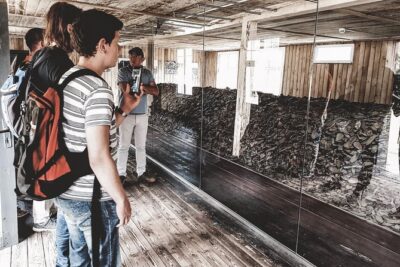
Stutthof Concentration Camp English Tour with Gdansk Hotel pickup
Read our review →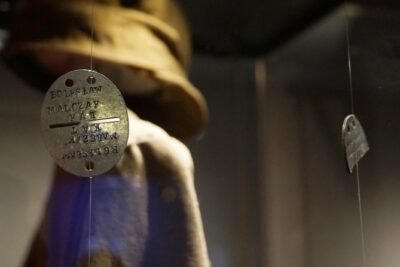
Majdanek Concentration Camp & Lublin Full Day Private Tour from Warsaw
Read our review →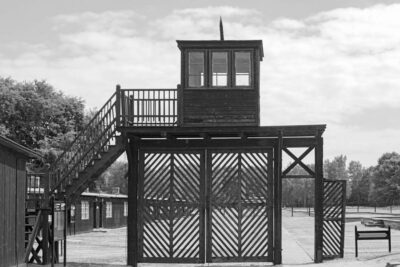
Stutthof Concentration Camp Private Tour with Transport
Read our review →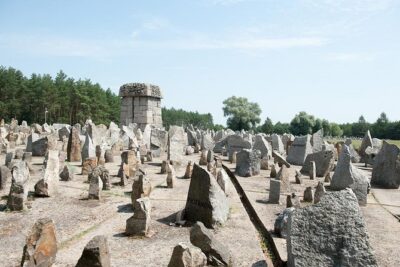
Half Day Treblinka Death Camp Small Group Tour from Warsaw with Lunch
Read our review →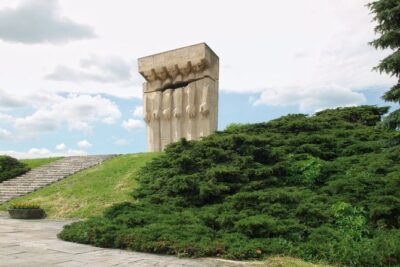
Browse the lists this tour appears in