
Review · AUSCHWITZ-BIRKENAU TOURS
Auschwitz-Birkenau: Skip-the-Line Entry and Guided Tour
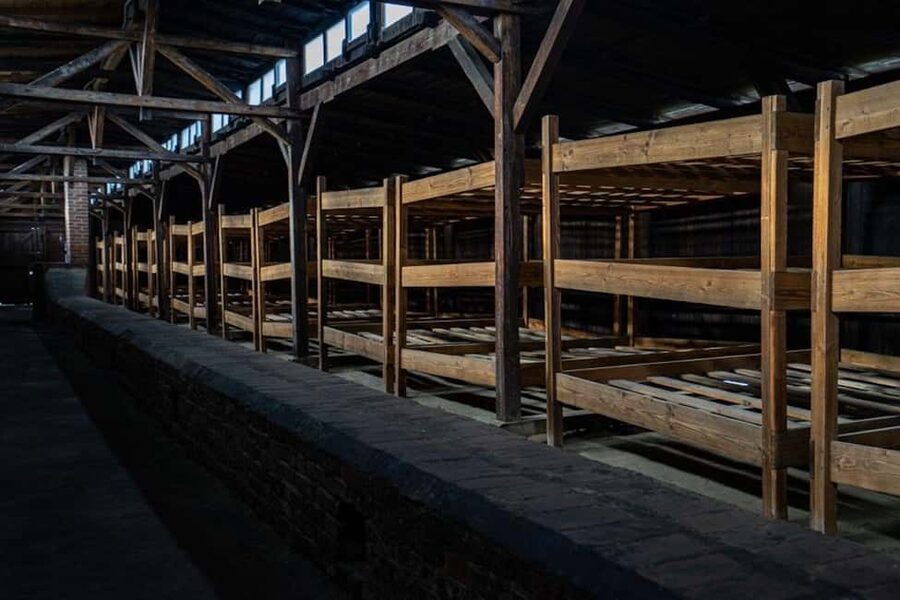
History hits hardest when the schedule makes sense. This skip-the-line Auschwitz-Birkenau guided tour is built for a smoother start, with an authorized guide leading you through Auschwitz I and Auschwitz II-Birkenau without wasting hours in lines. I also like the calm, structured pacing, with a group kept to up to 30 people and clear time blocks. The one drawback to consider is that the site is emotionally heavy, and the tour is not suitable for children under 10.
You’ll spend about 3.5 hours total, with roughly 1.5 to 2 hours at Auschwitz and 60 to 75 minutes at Birkenau, plus a short break. Tours run in German, English, and French, and you’ll meet a local host at the Birkenau bus area. Plan to move at a memorial pace, not a sightseeing pace.
In This Review
- Key things to know before you go
- Entering Auschwitz with skip-the-line focus
- The local host and why that first step helps
- Auschwitz I: your guided time, about 2 hours
- Moving by coach: the short bus ride between sites
- Birkenau: where the 60 to 75 minutes feel real
- Guided context plus time to process
- Languages, group size, and how to get the most
- What to bring and what rules to follow
- Planning your day: timing blocks that actually work
- Price and what you’re really paying for at $56
- Who should book this tour, and who might not
- A small reality check before you go
- Should you book this tour? My decision checklist
- FAQ
- How long is the Auschwitz-Birkenau skip-the-line guided tour?
- How much time do we spend at Auschwitz I?
- How much time do we spend at Auschwitz II-Birkenau?
- Where do we meet for the tour?
- Where does the tour start and end?
- Is skip-the-line entry included?
- Is there a guided tour?
- What languages are available for the guide?
- Is the tour wheelchair accessible?
- What should I bring, and what is not allowed?
Key things to know before you go
- Skip-the-line entry helps you avoid dead time at the start.
- A local host meets you first, then you’re walked into the official guided portion.
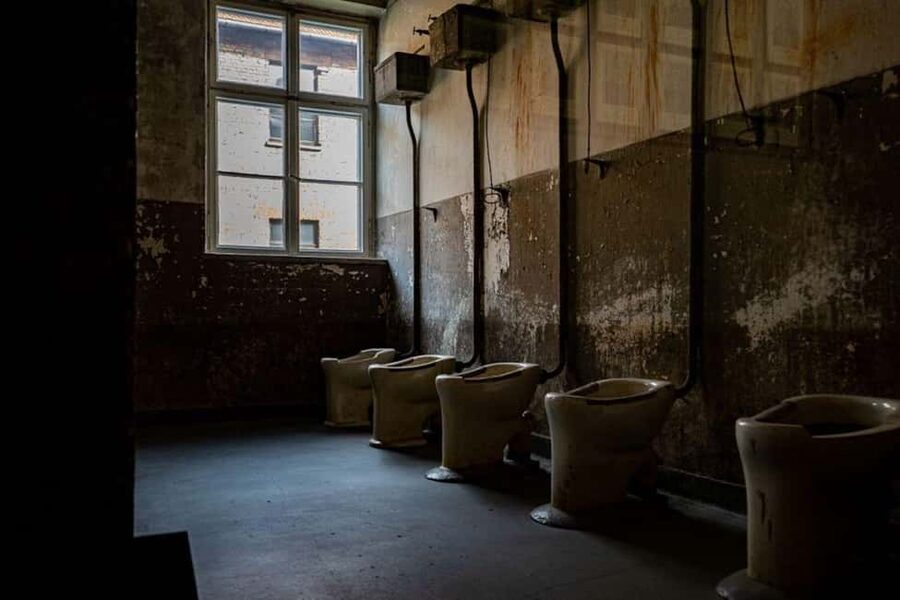
- Time at Auschwitz I and Birkenau is deliberate, not just rushed walking.
- Transport is included, so you move between sites without figuring out transit.
- Group size stays under 30, which helps the guide keep control and context.
- Bring ID and keep it simple, no weapons, sharp objects, alcohol, or drugs.
Entering Auschwitz with skip-the-line focus
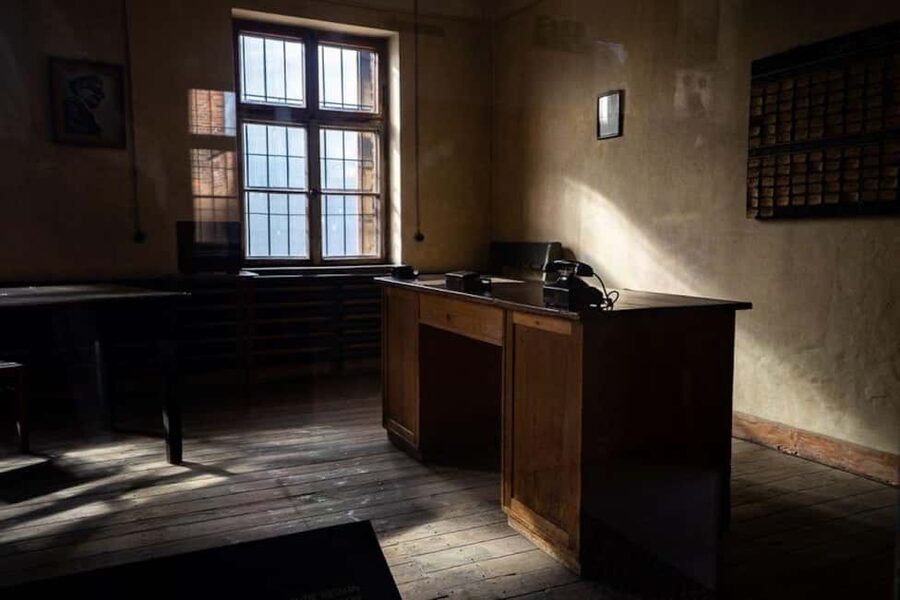
Even before you see the buildings, you can feel how different this visit is from a normal museum day. The biggest practical win here is the skip-the-line entry, which means your first moments go to orientation and learning, not waiting outside with your thoughts getting louder.
You’ll meet at the Birkenau bus parking in front of the restaurant called Bazylia. The tour begins and ends at Męczeństwa Narodów 14, so you can think of this as a loop that takes you to both parts of the camp system, with transport handled.
This format matters. When a place like this has a long queue, people start to drift, arrive tired, and lose the mental thread the guide is trying to connect. By cutting the wait, you can follow the story more cleanly from Auschwitz I to Birkenau.
More Auschwitz-Birkenau visits:
- Auschwitz-Birkenau Skip-the-Line Guided Tour
★ 4.3 · 4,815 reviews - Auschwitz-Birkenau: Skip-the-Line Entry Ticket & Guided Tour
★ 4.4 · 3,052 reviews - Auschwitz-Birkenau Skip-the-Line Ticket and Guided Tour
★ 4.4 · 1,241 reviews
The local host and why that first step helps
The tour doesn’t drop you off and hope for the best. A local host meets you at the meeting point and accompanies you to the museum area, along with planning tips to help you get the most out of your time.
That first handoff is underrated. On a visit where you’ll be making multiple decisions, even small guidance helps, like how to pace your attention and when to slow down for what you’re looking at. It also reduces stress, which you want, because the subject is somber and not the kind of day you want to freestyle.
The tour also notes that the start time may change based on Auschwitz guides availability. That’s worth respecting. If you’re tight on other plans that day, keep some buffer, so a small timing shift does not turn into a rushed exit.
Auschwitz I: your guided time, about 2 hours
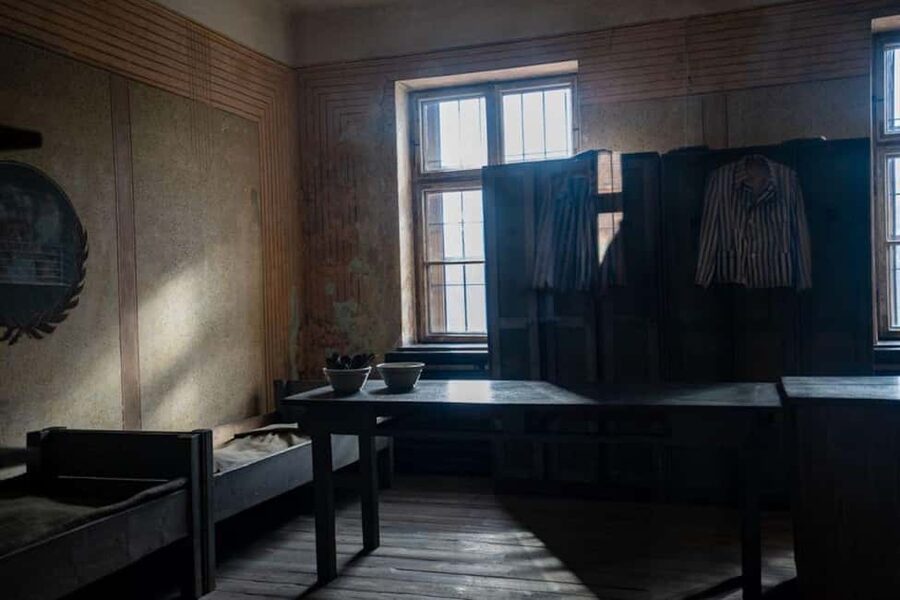
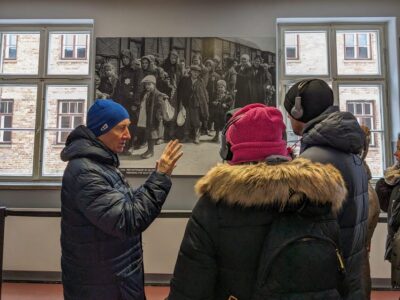
Auschwitz I is where you get the clearest baseline for understanding what the camp system was and how it operated. Your guided portion there lasts around 2 hours, and it’s built to help you connect the information as you move through the site.
In a normal museum, you can read at your own pace without a lot of structure. Here, the guide’s job is to keep context front and center, while you see the evidence in front of you. That matters because some visitors think they can do it on vibes. You can’t. The place is too complex, and the details are too specific.
A group tour with up to 30 people can feel restrictive at times, but it’s also a safety net. Your guide can keep the pacing respectful and organized, which helps you avoid the common problem of people clustering, spacing out, or missing key explanations while trying to photograph everything at once.
Moving by coach: the short bus ride between sites
After Auschwitz I, you’ll take a bus or coach ride for about 10 minutes to reach Auschwitz II-Birkenau. This is a small chunk of time, but it does something important: it resets your head.
It’s also the moment to prep yourself for a different kind of scale. Auschwitz II is not just another building. It’s a larger site, with more open space and more walking, so your energy management matters. A short transfer lets the guide set expectations so you’re not surprised by how big the area feels once you arrive.
And yes, you should expect a little rhythm change. Even if you’re itching to see everything, the day’s structure keeps you from burning out early.
A few more Oswiecim outings to weigh up
- Auschwitz-Birkenau: Skip-the-Line Entry Ticket & Guided Tour
★ 4.4 · 1,038 reviews - Auschwitz-Birkenau: Guided Tour and Skip-The-Line Ticket
★ 4.4 · 215 reviews - Oswiecim: Auschwitz-Birkenau Skip-the-Line Entry Tickets
★ 4.0 · 63 reviews - From Krakow: Wieliczka Salt Mine Tour & Skip the Line Ticket
★ 4.4 · 3,925 reviews
Birkenau: where the 60 to 75 minutes feel real
Your Birkenau time is about 60 to 75 minutes, and there’s also a 15-minute break. That break is not a throwaway detail. In emotionally demanding spaces, a short pause can stop your brain from shutting down.
Birkenau tends to read differently than Auschwitz I. Auschwitz I is more about grasping the system and its mechanisms. Birkenau often hits with scale, layout, and the way spaces were used. A guide helps you connect what you’re seeing to what you’re learning, so you’re not just looking at empty structures and fence lines with no framework.
Because Birkenau is open and you’ll be standing and walking, it’s also where practical preparation pays off. If you arrive tired or unprepared for the weather, this is the part of the day that becomes harder. If you’re comfortable and steady on your feet, the guided pacing works much better.
Guided context plus time to process
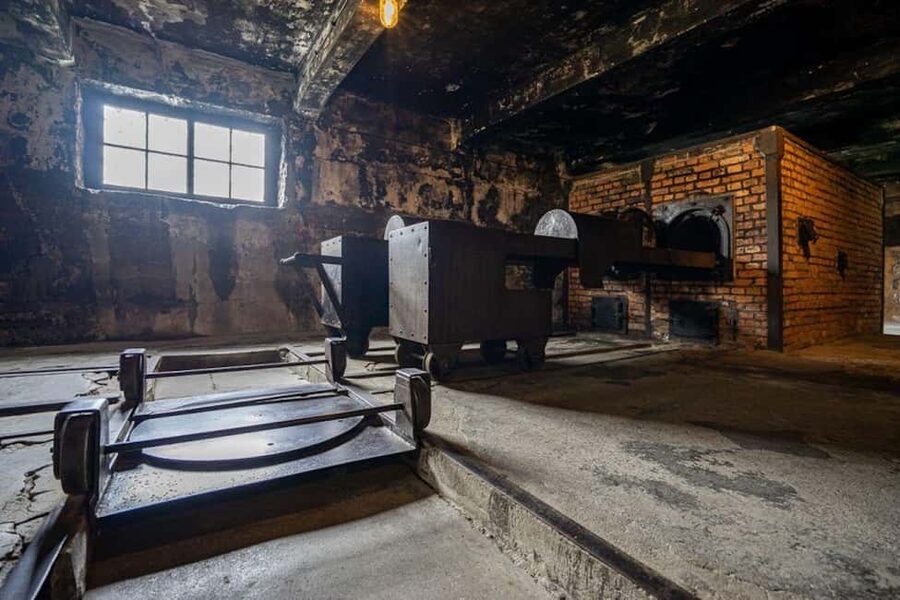
This tour is guided through Auschwitz I and Birkenau, in a group of up to 30 people. You’re not left completely on your own, and that’s a good thing. The official guide is there to explain what you’re seeing, which helps you avoid guessing.
At the same time, the day’s structure still gives you small openings to absorb. Even if you’re following a group, you’ll have moments to stop and take in what the guide just covered. That balance helps you move beyond quick facts and start understanding why this place is preserved the way it is.
I’d treat this visit like a lesson, not a checklist. You’ll get more out of it if you slow down for the specific points the guide highlights, then use your own time to read the space around those explanations.
Languages, group size, and how to get the most
The tour guide is live, and the languages offered are German, English, and French. Group size is capped at up to 30 people, so you should expect a guided flow that keeps the group together while still allowing the guide to explain clearly.
If you’re sensitive to long group logistics, this size is a reasonable compromise. Too small and you can lose the momentum and context. Too big and you end up trying to keep your own thread while the guide struggles to be heard.
If you want to make your experience sharper, come with one or two questions you can ask at a natural pause in the tour. For example, you can ask what you should focus on at Auschwitz II, or what themes connect the two locations. The host and guide are there to help you interpret what you’re seeing, and you’ll get more value if you steer the attention toward your needs.
What to bring and what rules to follow
The tour is straightforward on requirements, but it’s still easy to forget the basics when you’re traveling.
Bring a passport or ID card. The info explicitly notes the same requirement for children, so if you’re traveling with a family member, don’t assume a photo on your phone is enough.
You should also keep it simple on what you carry. Weapons or sharp objects are not allowed, and alcohol and drugs are also prohibited. This is not the kind of place where you want to argue with rules on the spot.
Footwear matters here. The tour is about 3.5 hours total and includes two major site walks plus a break. Even if the route is organized, you’ll be on your feet for real time, so comfortable shoes make a difference.
Planning your day: timing blocks that actually work
This experience is about 210 minutes total, roughly 3.5 hours. You’ll spend around 1.5 to 2 hours at Auschwitz I, plus transport time between sites, and then around 60 to 75 minutes at Birkenau, with that 15-minute break.
Why that matters for you: people often overbook the day with museums, meals, and tours that require energy. When you have a structured visit with a heavy topic, you need mental recovery time afterward, even if you don’t feel tired physically.
I’d schedule your next activity with care. After this, you may want a quiet meal, a slower walk, or time to process. If you stack more tours right behind it, you’re more likely to miss details or feel rushed while the day still weighs on you.
Price and what you’re really paying for at $56
The price is $56 per person. On the surface, that’s a clear number. The value is in what the price covers: skip-the-line entry, a guided tour of both Auschwitz I and Birkenau, a local host at the meeting point, and transport between the two sites.
What you avoid is the most expensive type of time loss: waiting. When you pay for skip-the-line access on a site with heavy demand, you’re buying back hours and reducing stress. That stress reduction is not fluffy. It changes how you experience the information.
Also, your transport is included, so you are not spending your day solving transit routes or timing buses while carrying bags and trying to stay on schedule. Food and drinks are not included, so budget for a basic meal after, but you can keep the day focused on the sites.
The cost makes sense most for people who want structure. If you’re the type who enjoys planning every step, self-guiding might work in theory. But this is one of those places where a guide helps you understand the specifics, and the structured timing keeps the visit from turning into chaos.
Who should book this tour, and who might not
This tour is for people who want an organized, guided visit that covers both Auschwitz I and Auschwitz II-Birkenau in one day. If you appreciate context, and you want to spend your energy on learning instead of logistics, you’ll likely feel satisfied with the experience.
It’s not suitable for children under 10. That’s not about comfort or manners. It’s because the topic and setting are emotionally demanding, and the tour pace plus subject matter are not set up for younger kids.
If you’re traveling with limited mobility, the tour is wheelchair accessible. You’ll still need to bring your own comfort and energy management, but it’s designed to be usable for wheelchair guests.
A small reality check before you go
This visit is emotionally heavy. The tour notes that clearly, and it’s true in practice. You should go in ready to feel affected, not ready to treat it like a normal history stop.
Also, your guide-led time means you may not have unlimited wandering freedom. The tradeoff is you get expert context and a paced route across both key areas. For many people, that tradeoff is exactly what makes the visit feel meaningful.
If you prefer totally independent exploration, you might find a group tour less flexible. But if you want your time to be organized and your questions answered, this format is well matched to the job of understanding Auschwitz-Birkenau.
Should you book this tour? My decision checklist
Book it if you want:
- Skip-the-line entry and a guided route through Auschwitz I and Auschwitz II-Birkenau
- A local host to help with the first steps and planning tips
- Transport between sites so you’re not juggling schedules
- A structured 3.5-hour visit with time allocated at both locations
Consider skipping or choosing something else if:
- You need a fully independent, no-guides pace
- You’re traveling with a child under 10
- You are likely to book back-to-back activities right after, without time to process
If you’re deciding between keeping plans flexible and locking in time, this option offers reserve now, pay later and free cancellation up to 24 hours in advance for a full refund. That flexibility can make it easier to match your day to your energy level, and to any timing changes tied to guide availability.
Bottom line: this is a practical, organized way to cover both Auschwitz sites with official guidance, without losing your morning to lines or transit stress.
FAQ
How long is the Auschwitz-Birkenau skip-the-line guided tour?
The duration is about 210 minutes, or roughly 3.5 hours.
How much time do we spend at Auschwitz I?
You spend around 1.5 to 2 hours at Auschwitz I.
How much time do we spend at Auschwitz II-Birkenau?
You spend about 60 to 75 minutes at Auschwitz II-Birkenau, plus a 15-minute break.
Where do we meet for the tour?
The meeting point is located at the Birkenau bus parking in front of the Bazylia restaurant.
Where does the tour start and end?
The tour starts at Męczeństwa Narodów 14 and returns to Męczeństwa Narodów 14.
Is skip-the-line entry included?
Yes. Skip-the-line entry to Auschwitz-Birkenau is included.
Is there a guided tour?
Yes. You get a guided tour of Auschwitz I and Birkenau with an authorized official guide, plus a local host at the meeting point.
What languages are available for the guide?
The tour is available in German, English, and French.
Is the tour wheelchair accessible?
Yes, the tour is wheelchair accessible.
What should I bring, and what is not allowed?
Bring a passport or ID card. Weapons or sharp objects, and alcohol and drugs are not allowed. Food and drinks are not included.
Fresh listings from Oswiecim
- Auschwitz-Birkenau Guided Tour with Private Transport from Krakow★ 5.0 · 36 reviews
- Oswiecim: Auschwitz-Birkenau Skip-the-Line Entry Tickets★ 4.0 · 63 reviews
- From Krakow: Wieliczka Salt Mine & Auschwitz Guided Trip★ 4.5 · 5 reviews
- Krakow: Auschwitz-Birkenau Memorial Tour with Optional Lunch★ 3.0 · 58 reviews
- Auschwitz-Birkenau Museum Tour from Krakow★ 4.6 · 25 reviews
- Auschwitz-Birkenau: Memorial Entry Ticket and Guided Tour★ 3.9 · 54 reviews
- Auschwitz-Birkenau: Guided Tour – Ticket + Transportation★ 4.5 · 31 reviews
- Auschwitz & Birkenau Live Guide Tour Entrance Ticket★ 4.0 · 110 reviews
Auschwitz-Birkenau Tours, compared.
Auschwitz-Birkenau Guided Tour & Hotel Pickup
Read our review →Auschwitz-Birkenau Guided Tour & Hotel Pickup
Read our review →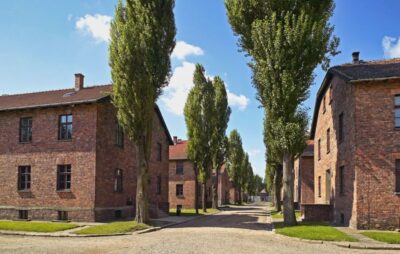
Auschwitz Guided Tour with Optional Hotel Pickup
Read our review →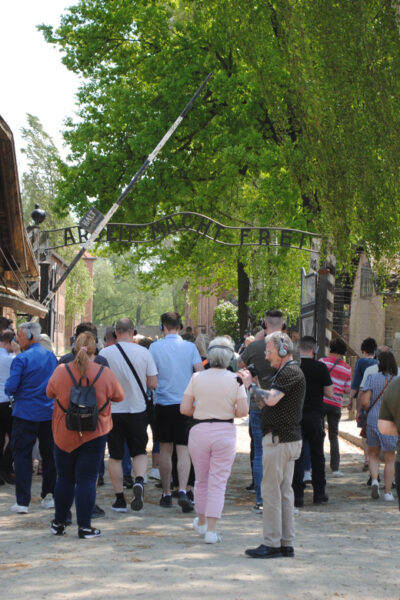
Auschwitz-Birkenau Guided Tour with Pickup & Lunch
Read our review →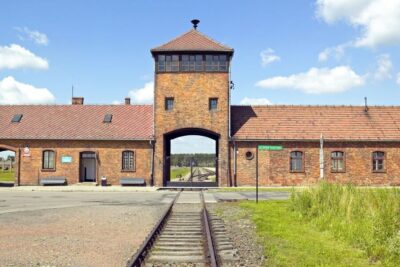
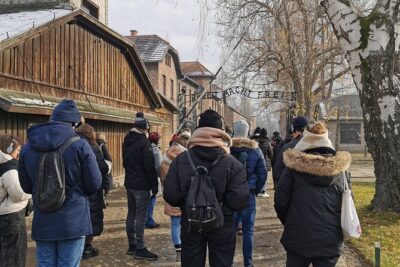
Krakow to Auschwitz Birkenau Guided Tour with Transfer and Ticket
Read our review →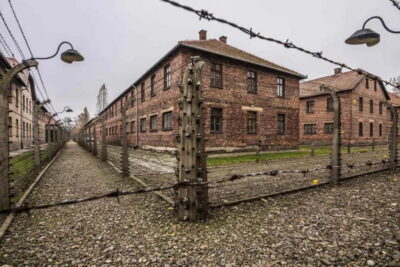
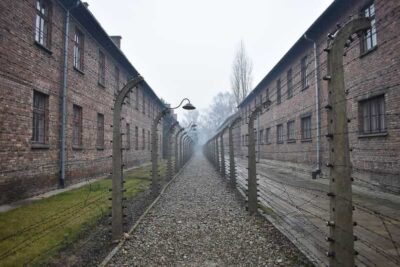
Auschwitz-Birkenau Guided Tour or Self-Guided Tour
Read our review →Browse the lists this tour appears in