
Review · AUSCHWITZ-BIRKENAU TOURS
From Krakow: Wieliczka Salt Mine & Auschwitz Guided Trip
Two sites, one long day, big feelings. This Krakow trip strings together Auschwitz-Birkenau and the Wieliczka Salt Mine with hotel pickup, transport, tickets, and English live guides all handled for you. The headset system is a big deal too, because it helps you follow the guide clearly even when you are spread out.
I like that the day is built around logistics that usually eat time. You get skip-the-line tickets, a set meeting point, and a driver who gets you between places without you playing map detective.
My one main consideration is that this is a long, walking-heavy day. Auschwitz involves lots of moving around, and the salt mine route includes about 800 steps down, plus time in a cool underground space.
In This Review
- Key things to know before you go
- From Krakow hotel pickup to smooth skip-the-line entry
- Auschwitz-Birkenau: Auschwitz I first, then the railway to Birkenau
- Auschwitz exhibits and site features you will actually notice
- Wieliczka Salt Mine: 800 steps down to sculptures carved in salt
- Headsets, licensed guides, and why hearing the details matters
- Group sizes, timing pressure, and how to avoid feeling rushed
- Price and value for doing Auschwitz plus Wieliczka in one go
- What to bring, what not to bring, and how to dress underground
- Who this Auschwitz and Salt Mine day trip fits best
- Should you book this tour?
- FAQ
- How long is the tour from Krakow?
- How much does it cost?
- What group sizes are available?
- Do we get skip-the-line tickets?
- Which comes first, Auschwitz-Birkenau or the Salt Mine?
- Are the guides licensed and do they speak English?
- How do I hear the guide during the tour?
- What should I expect at the Salt Mine?
- What are the rules for bags and clothing?
- Is the tour refundable if I cancel?
Key things to know before you go
- Door-to-door hotel pickup means you start with less stress and fewer logistics questions.
- Headsets help you hear the licensed guide clearly across a group.
- Skip-the-line entry saves time at both Auschwitz-Birkenau Memorial and Wieliczka Salt Mine.
- Auschwitz includes Auschwitz I and II-Birkenau, including the railway and ruins tied to the gas chambers.
- Wieliczka is cool underground work: plan for 14 to 15 degrees Celsius and about 2 to 2.5 hours there.
- Group sizes run from 20 to 40, so you’ll want comfortable shoes and patience for a crowd-paced day.
From Krakow hotel pickup to smooth skip-the-line entry
This is the kind of day trip that feels calmer than most “two big sites in one day” plans. You wait for your driver at your hotel or close by, then get whisked to the first stop, with transport and tickets included.
The order can vary based on your chosen day and time. Sometimes you go to Auschwitz-Birkenau first, then the Salt Mine. Other days it flips. Either way, you meet an authorized, live guide on site and follow them into the main areas.
One practical plus: the service uses skip-the-line entrance tickets for both Auschwitz-Birkenau and the salt mine. When you are trying to cover a lot of ground, this matters. It keeps you from spending your limited day in queues.
And yes, there is still a long day. At 12 hours total, you should treat it like a full commitment, not a relaxed sightseeing stroll.
More Wieliczka Salt Mine bookings:
- Krakow: Wieliczka Salt Mine Tour with Entry Ticket
★ 4.6 · 10,927 reviews - From Krakow: Wieliczka Salt Mine Tour
★ 4.6 · 9,393 reviews - Krakow: Auschwitz-Birkenau and Salt Mine Guided Tour
★ 4.7 · 9,020 reviews
Auschwitz-Birkenau: Auschwitz I first, then the railway to Birkenau
If you pick this tour, you are signing up for Auschwitz-Birkenau, including Auschwitz I and II-Birkenau. That is not subtle. It is intense, and it is also very structured.
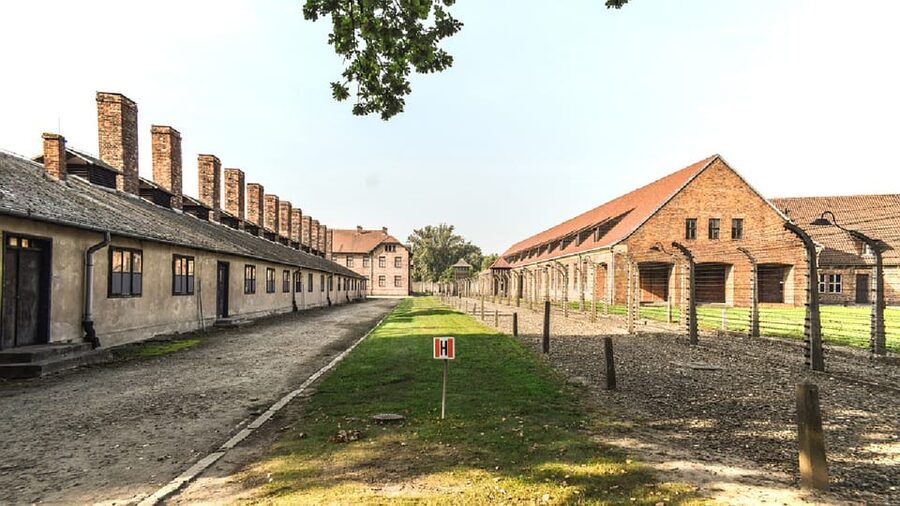
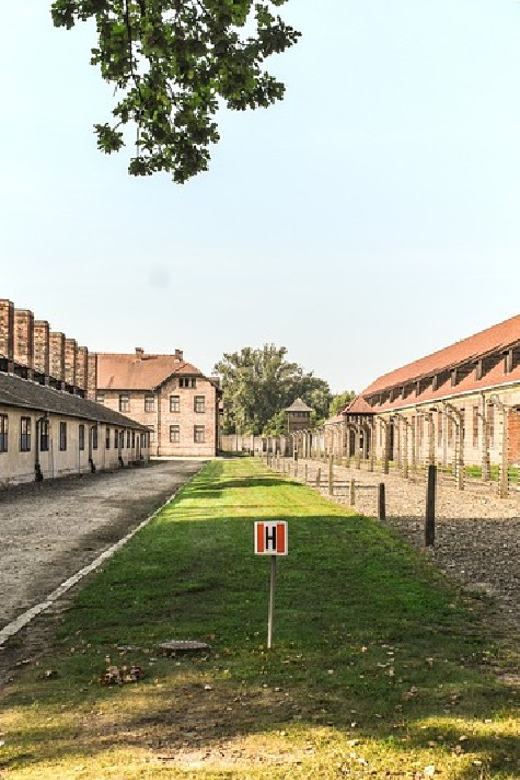
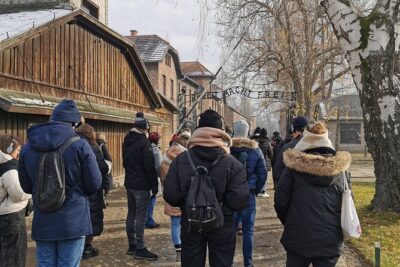
In Auschwitz I, you walk on the ground of the former camp, built in 1940. You also see the kinds of built-in reminders that make the place hit harder than just reading about it later. The tour includes exhibitions showing everyday items and personal effects, including shoes and pots, plus other objects tied to people who were kept there.
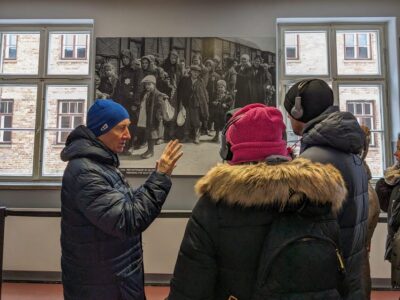
One detail I really appreciate is how the tour is set up for listening. You get headsets, so when the guide explains a point, you are not straining to hear over the crowd. That is especially helpful in Auschwitz, where the group can naturally spread out during walking and looking.
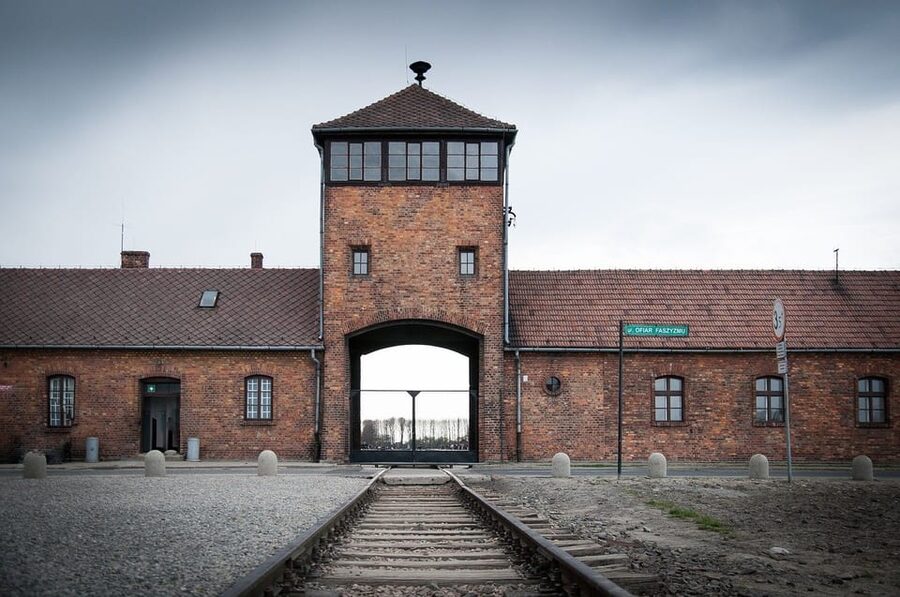
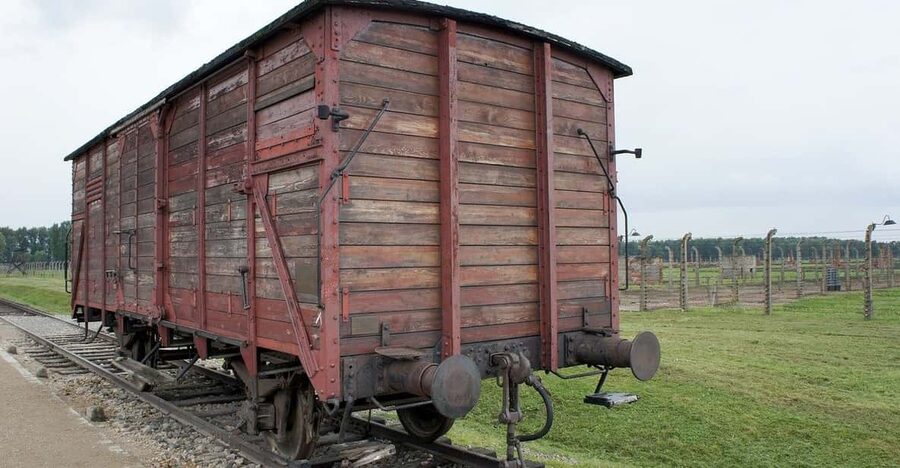
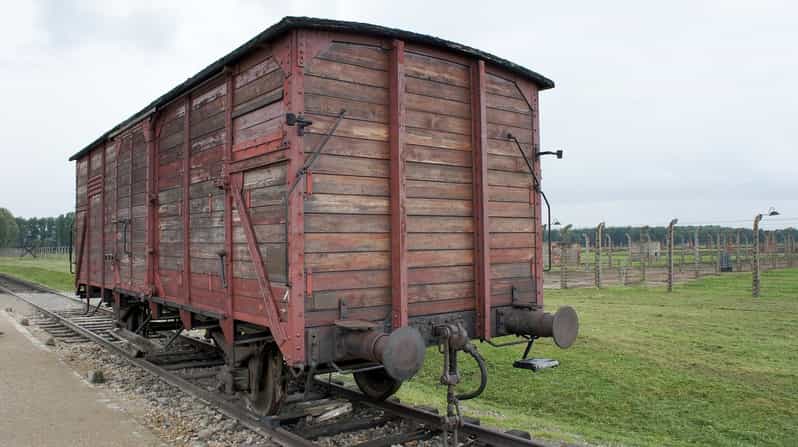
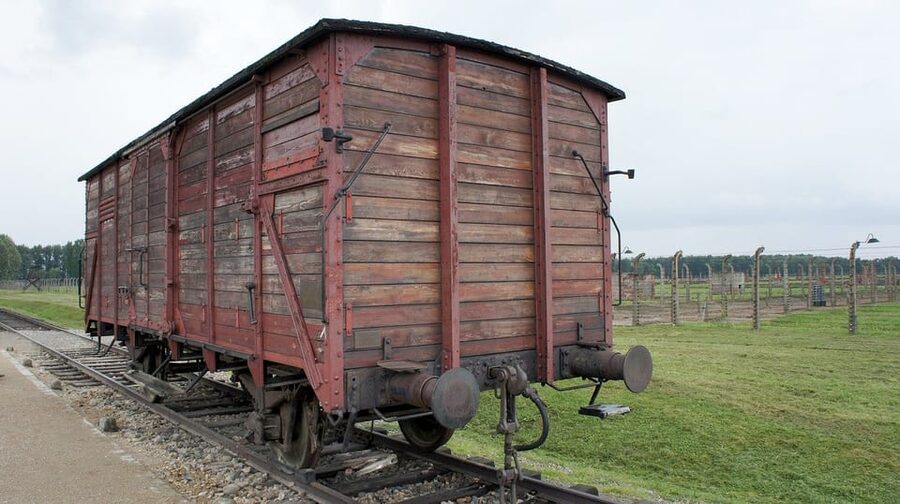
Then you move to II-Birkenau. Here you travel along the railway that helped transport people to the other part of the camp. The guide takes you through the layout, including ruins connected to the gas chambers, where people were killed on a mass scale. You will also see major camp features like the barracks and the infamous entrance gate area as part of the experience.
There is a lot to take in, so pacing is everything. The pace and timing of breaks are determined by the memorial’s visitor service, not your guide, so you should go in with flexible expectations.
Auschwitz exhibits and site features you will actually notice
Auschwitz can feel overwhelming because it is built to be. Still, the tour helps you notice key things instead of just feeling swept along.
In Auschwitz I, the exhibitions you encounter, including displays of shoes and personal items, are meant to ground the story in what was lost. These are not abstract numbers. They are physical objects that help you understand scale and daily life in the camp context.
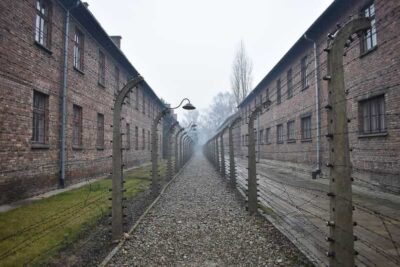
You also see the built spaces and the layout that changed over time. Even if you already know the basics, walking the grounds makes the geometry of the place more real. It is one thing to read about barracks or the entrance. It is another to see how the pathways and structures shaped movement and control.
At Birkenau, the railway is one of the clearest “this is how it worked” elements. It connects the story directly to the logistics of transport. And the ruins related to the gas chambers are another heavy checkpoint, because they force you to think about what happened in those spaces, even after everything has been left behind in fragments.
If you get easily emotional, build in a strategy. I like to pick one or two points I want to focus on while walking, then let the rest wash over me. You do not need to memorize everything. You just need to be present.
Wieliczka Salt Mine: 800 steps down to sculptures carved in salt
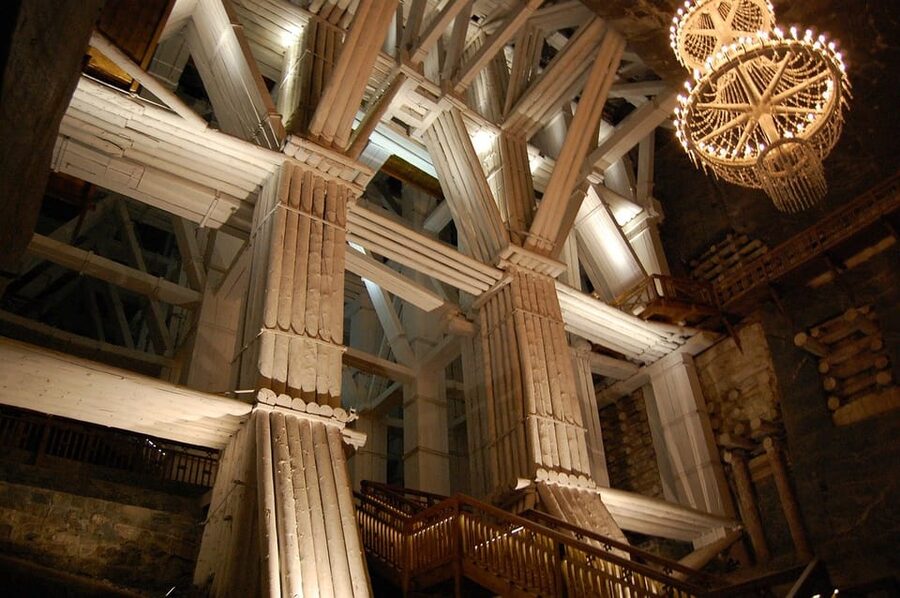
After Auschwitz, you shift to something very different: the Wieliczka Salt Mine. The tone changes, but the tour stays guided and structured.
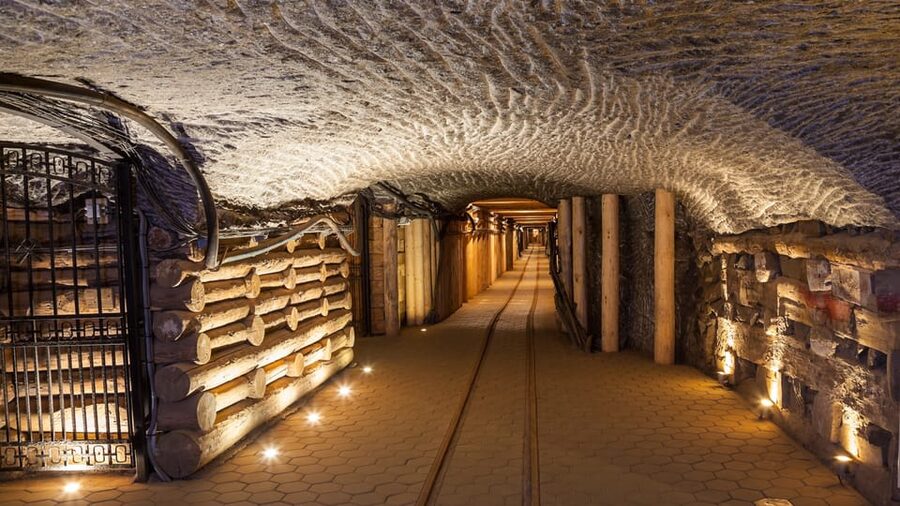
Plan for the physical reality. The tourist experience goes down around 800 steps to reach the route levels. Once you are underground, you stop at particular floors on the route and see what miners left behind over time.
This is not a plain underground walk. You encounter dozens of salt sculptures and bas-reliefs that were cut into the salt and left by the miners. They are part art, part history, and part evidence of how people worked and lived inside a place that runs on salt.
The salt mine visit is also time-bound in a useful way. You spend around 2 to 2.5 hours underground, then take a lift back up when the tour ends. That lift matters, because you do not want to start climbing stairs at the end of a long day.
Temperature is part of the planning. It sits around 14 to 15 degrees Celsius down there, so you will feel it even if Krakow is warm. Dress like you are going into a cool building, not like you are staying outside all day.
More Auschwitz-Birkenau visits:
- Auschwitz-Birkenau Skip-the-Line Guided Tour
★ 4.3 · 4,815 reviews - Auschwitz-Birkenau: Skip-the-Line Entry Ticket & Guided Tour
★ 4.4 · 3,052 reviews - Auschwitz-Birkenau Skip-the-Line Ticket and Guided Tour
★ 4.4 · 1,241 reviews - Auschwitz-Birkenau: Skip-the-Line Entry Ticket & Guided Tour
★ 4.4 · 1,038 reviews
Headsets, licensed guides, and why hearing the details matters
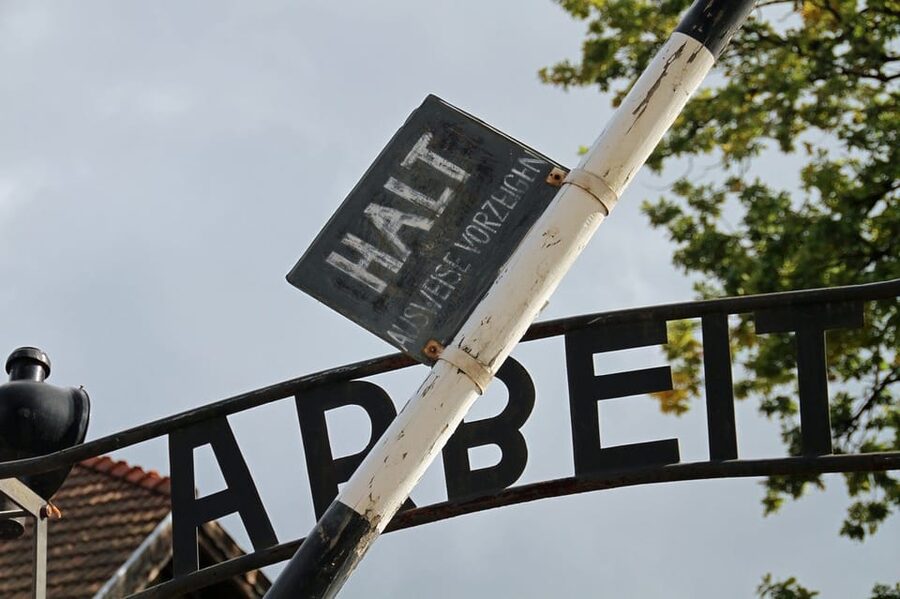
Auschwitz-Birkenau and the salt mine are both places where a guide changes the whole experience. The information is layered, and without someone guiding you, you can end up just scanning signs.
This tour uses English live guides and provides headsets to help you hear clearly no matter the group size. That system is a big plus on days when people are quiet and you are trying to follow specific explanations. It also helps you keep pace without constantly turning around to find the guide.
I also like that the service emphasizes licensed guidance. In this kind of site, “who is telling you” really matters. You want a guide who can explain what you are seeing, not just recite general facts.
One small human detail from a past experience I heard about: a driver named Wojtek was praised for making sure people safely entered each place and knew where to meet afterward. He also built in time for coffee and snacks on the way, and even helped arrange a lunch stop for others when they did not have cash. That kind of calm attention makes a heavy day feel more manageable.
Group sizes, timing pressure, and how to avoid feeling rushed

You can choose group size between 20, 25, 30, 35, or 40. On paper, that seems like a detail. In real life, it affects how crowded things feel and how much you can linger while still moving with the group.
Your day is also driven by fixed realities at each site. The memorial sets the pace and timing for breaks, so your guide cannot magically extend coffee time or slow down longer stops whenever you want. You should expect the day to follow the visit flow.
Also, departure time is approximate. It can change by up to 3 hours. That means you should not plan anything tight right after your pickup. Leave buffer time on both ends.
Still, 12 hours total is doable if you treat it like one scheduled block. Eat before you start, drink water when you can, and wear shoes you can stand in for hours.
Price and value for doing Auschwitz plus Wieliczka in one go
At $167 per person for a 12-hour day, this is not the cheapest way to do Krakow. But it is also not trying to be bargain-basement sightseeing.
The value comes from what is bundled: hotel pickup, transport, skip-the-line entrance tickets, English guided group tours, and headset use. If you were to stitch this together yourself, you would spend time booking tickets, coordinating transport, and figuring out meeting points across two separate major sites.
The other part of the value is coverage. You get Auschwitz-Birkenau and the Wieliczka Salt Mine in one structured day, so you do not need to decide which one to sacrifice. That is often the real tradeoff for visitors: either you spend a full day on one site, or you try to do both and risk wasting time. This tour tries to remove that risk with pre-arranged entry.
Is it perfect value for every style of travel? Not necessarily. If you prefer slow, private wandering, you might find group pacing limiting. But if you want the biggest guided experiences with the least day-planning stress, this offers strong convenience.
What to bring, what not to bring, and how to dress underground
This is a practical tour, and you’ll enjoy it more if you prepare for site rules.
Bring:
- Passport or ID card
- Comfortable shoes
Dress smart:
- The salt mine is about 14 to 15 degrees Celsius, and you spend around 2 to 2.5 hours there. Bring a layer, even if Krakow is warm.
Don’t bring:
- Shorts
- Sleeveless shirts
- Weapons or sharp objects
- Luggage or large bags
- Intoxication, and alcoholic drinks in the vehicle
Luggage size matters. Your maximum luggage or bag or purse or backpack size is 30 x 20 x 10 cm, about A4 sheet size. If you show up with something bigger, you can run into problems.
Also, your full name and contact details are required as part of booking. Entrance on a side might be refused if the names do not match IDs or passports, so double-check how your name appears.
If you’re traveling with kids, note that a child seat can be arranged if your child is less than 150 cm tall. But this tour is not suitable for children under 14.
Who this Auschwitz and Salt Mine day trip fits best
This tour fits best if you:
- Want licensed English guidance at both sites
- Prefer skip-the-line entry and included transport over DIY planning
- Can handle a full day of walking and standing
- Want a guided explanation using headsets
It is not suitable if you:
- Have mobility impairments. The tour is specifically listed as not suitable for people with mobility impairments.
- Are traveling with kids under 14.
It is also a good match if you like structured sightseeing. You will not have total freedom to linger in every corner, but you will get a guided flow that covers the major elements, including Auschwitz I and II, plus the key mine floors with sculptures.
Should you book this tour?
I think you should book this if you want the two biggest “must-do” sites near Krakow in one organized day, with skip-the-line entry and a guided experience that makes the sites easier to follow. The headsets and licensed English guides help you get meaning, not just photos. And the bundled logistics are a real time saver when you only have so many hours in Krakow.
Skip it or reconsider if you know you struggle with long walking days, or if mobility is an issue. Also, if you hate the idea of a scheduled flow, remember that the pace and break timing at Auschwitz are controlled by the memorial, not your guide.
If you can do the walking and you want clear, guided coverage of both Auschwitz-Birkenau and Wieliczka Salt Mine, this is a strong way to spend a single day in southern Poland.
FAQ
How long is the tour from Krakow?
The tour lasts 12 hours.
How much does it cost?
It is priced at $167 per person.
What group sizes are available?
Group sizes are offered in options of 20, 25, 30, 35, or 40 people.
Do we get skip-the-line tickets?
Yes. Skip-the-line entrance tickets are included for both Auschwitz-Birkenau Memorial and Museum and Wieliczka Salt Mine.
Which comes first, Auschwitz-Birkenau or the Salt Mine?
The order can vary depending on the day and time you choose.
Are the guides licensed and do they speak English?
Yes. The tour includes professional, licensed English guided group tours with live guides.
How do I hear the guide during the tour?
Headsets are provided so you can hear the guide clearly, even in larger groups.
What should I expect at the Salt Mine?
You go about 800 steps down to reach the tourist route, and you will spend about 2 to 2.5 hours there. The mine temperature is around 14 to 15 degrees Celsius.
What are the rules for bags and clothing?
Max bag size is 30 x 20 x 10 cm (A4 sheet size). Shorts and sleeveless shirts are not allowed, and weapons or sharp objects are not allowed.
Is the tour refundable if I cancel?
No. This activity is non-refundable.
If you tell me your travel dates and whether you prefer Auschwitz first or the Salt Mine first, I can suggest which starting option tends to feel easier on an emotionally heavy day.
Fresh listings from Oswiecim
- Auschwitz-Birkenau Guided Tour with Private Transport from Krakow★ 5.0 · 36 reviews
- Oswiecim: Auschwitz-Birkenau Skip-the-Line Entry Tickets★ 4.0 · 63 reviews
- Krakow: Auschwitz-Birkenau Memorial Tour with Optional Lunch★ 3.0 · 58 reviews
- Auschwitz-Birkenau Museum Tour from Krakow★ 4.6 · 25 reviews
- Auschwitz-Birkenau: Memorial Entry Ticket and Guided Tour★ 3.9 · 54 reviews
- Auschwitz-Birkenau: Guided Tour – Ticket + Transportation★ 4.5 · 31 reviews
- Auschwitz-Birkenau: Skip-the-Line Entry and Guided Tour★ 4.7 · 93 reviews
- Auschwitz & Birkenau Live Guide Tour Entrance Ticket★ 4.0 · 110 reviews
Auschwitz-Birkenau Tours, compared.
Auschwitz-Birkenau Guided Tour & Hotel Pickup
Read our review →Auschwitz-Birkenau Guided Tour & Hotel Pickup
Read our review →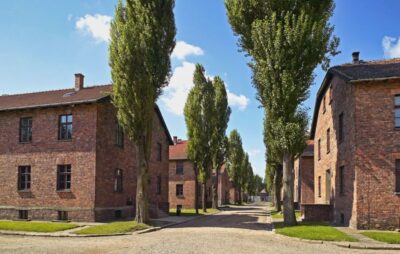
Auschwitz Guided Tour with Optional Hotel Pickup
Read our review →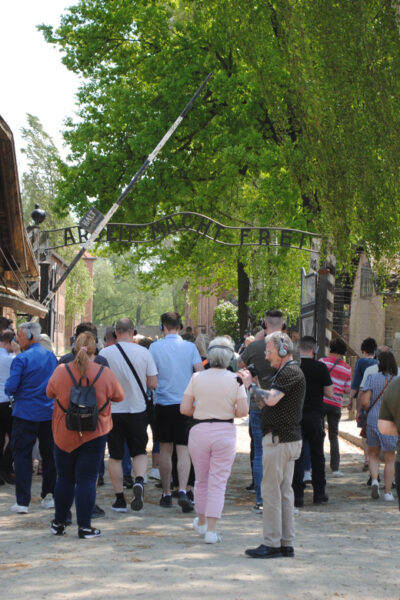
Auschwitz-Birkenau Guided Tour with Pickup & Lunch
Read our review →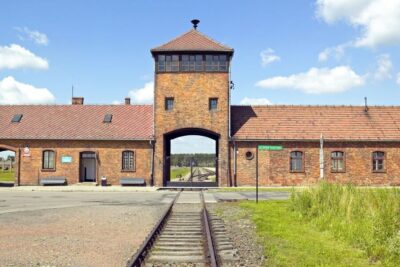
Krakow to Auschwitz Birkenau Guided Tour with Transfer and Ticket
Read our review →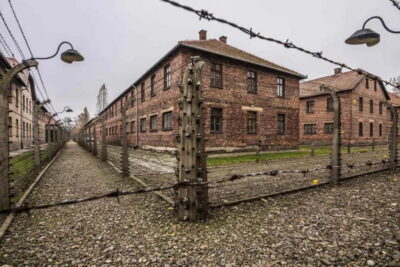
Auschwitz-Birkenau Guided Tour or Self-Guided Tour
Read our review →Browse the lists this tour appears in