
Review · AUSCHWITZ-BIRKENAU TOURS
Auschwitz-Birkenau: Skip-the-Line Entry Ticket & Guided Tour
Auschwitz-Birkenau hits differently when you walk the grounds with context. This skip-the-line tour gets you into Auschwitz with headsets and a WWII educator who can explain what you are seeing, without turning it into a lecture. I also like that it covers both Auschwitz I and Auschwitz II, so you leave with a clearer picture of how the Nazi system worked.
Two things I really like: you get fast-track entry, so you spend less time stuck at security lines, and you get professional, on-the-ground interpretation as you move from preserved barracks to Birkenau. I also appreciate that guides are praised for clear explanations and steady pacing. One drawback to plan around is the emotional weight, plus the reality that the day involves outdoor walking in cold or bad weather, so you need to dress and pace yourself.
The tour runs about 210 minutes and is not for kids under 12 or wheelchair users. If you’re prone to getting overwhelmed, give yourself permission to take breaks, look slowly, and ask questions rather than rushing for the next stop.
In This Review
- Key Things That Make This Tour Worth Your Time
- Skip-The-Line Auschwitz Entry: What It Really Changes
- Meeting Point Reality Check: How to Avoid the Start-Day Stress
- What to Bring (and Leave Home): Your Packing List for Auschwitz
- Walking Auschwitz I With a WWII Educator
- The Auschwitz I to Birkenau Transfer: The 15-Minute Break Matters
- Birkenau (Auschwitz II): Seeing the Scale of the System
- Guide Quality, Headsets, and Pacing: How the Tour Stays Usable
- Price and Value: Is $21 a Good Deal for This Kind of Tour?
- Who This 210-Minute Auschwitz-Birkenau Tour Fits Best
- Should You Book This Auschwitz-Birkenau Tour?
- FAQ
- What is the duration of the Auschwitz-Birkenau guided tour?
- What time can I start the tour?
- Is hotel pickup or drop-off included?
- Is transportation between Auschwitz and Birkenau included?
- What is the bag size limit?
- What languages are offered for the live tour guide?
Key Things That Make This Tour Worth Your Time
- Skip-the-line access with a smooth security process so you can focus on the site, not queues
- WWII expert interpretation that helps you understand what the buildings and documents actually meant
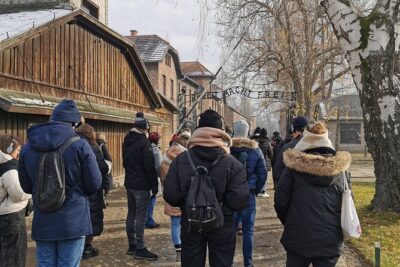
- The famous Arbeit macht frei gate as you enter Auschwitz I
- A structured visit that includes Auschwitz I plus Birkenau, so it is not one-site only
- Headsets to keep audio clear, especially in busy or echoing museum spaces
- A required gap and transfer moment near Brzezinka after Auschwitz I, so timing matters
Skip-The-Line Auschwitz Entry: What It Really Changes
Skip-the-line sounds like a “nice extra,” but here it matters. Auschwitz-Birkenau has strict security and timed flow, and waiting around is the kind of delay that makes a heavy visit feel even harder. With this tour, you get a fast-track entry ticket and move through the formal entry steps as part of a group.
You are also not left figuring it out alone. The tour includes a live guide and headsets, so when you step into Auschwitz I, you can actually hear the explanation rather than straining over background noise. Guides are repeatedly praised for strong organization and clear communication, including before the tour starts, which helps when meeting points are busy.
The key value of skipping the line is simple: you lose less time at the gate and more time where it counts, with guidance that helps you connect the physical place to the historical story.
More Auschwitz-Birkenau visits:
- Auschwitz-Birkenau Skip-the-Line Guided Tour
★ 4.3 · 4,815 reviews - Auschwitz-Birkenau: Skip-the-Line Entry Ticket & Guided Tour
★ 4.4 · 3,052 reviews - Auschwitz-Birkenau Skip-the-Line Ticket and Guided Tour
★ 4.4 · 1,241 reviews
Meeting Point Reality Check: How to Avoid the Start-Day Stress
This tour uses a meeting point that can vary by option booked, and exact details are sent the day before. That means you should do two things: confirm your assigned meeting location, and arrive a few minutes early so you are not hunting around in a crowd.
From the practical side, there are frequent reports of people having trouble spotting the representative at first. The fix is straightforward: keep your phone handy, follow the meeting instructions carefully, and if you cannot locate your group quickly, contact the operator for clarification rather than wandering around.
Group size shows up in feedback too. Some groups have been around 20 people, which is large enough to feel lively but not so huge that you cannot hear or ask questions. Either way, if you want a calmer experience, plan to listen first, ask questions second, and step back when you need a moment.
What to Bring (and Leave Home): Your Packing List for Auschwitz
A day like this is about rules and comfort. The tour asks you to bring:
- Passport or ID card
- Drinks
- Packed lunch
And you need to respect what is not allowed:
- No pets
- No luggage or large bags
- The maximum allowed bag size is 20 x 30 cm
You also cannot enter with short skirts or sleeveless shirts. Alcohol and drugs are not allowed. Smoking is restricted.
Two practical notes I strongly recommend, based on what people consistently experience at this site:
- Bring tissues if you tend to get emotional. People explicitly mention tears, even when they think they are prepared.
- Dress for long standing and slow walking. In winter, it can be cold and windy, and Birkenau is especially exposed because it is largely outdoors.
If you drive yourself or arrive independently, remember: the tour does not include hotel pickup or transportation between Auschwitz and Birkenau. You need a simple plan for how you will reach the second camp during the scheduled break.
Walking Auschwitz I With a WWII Educator
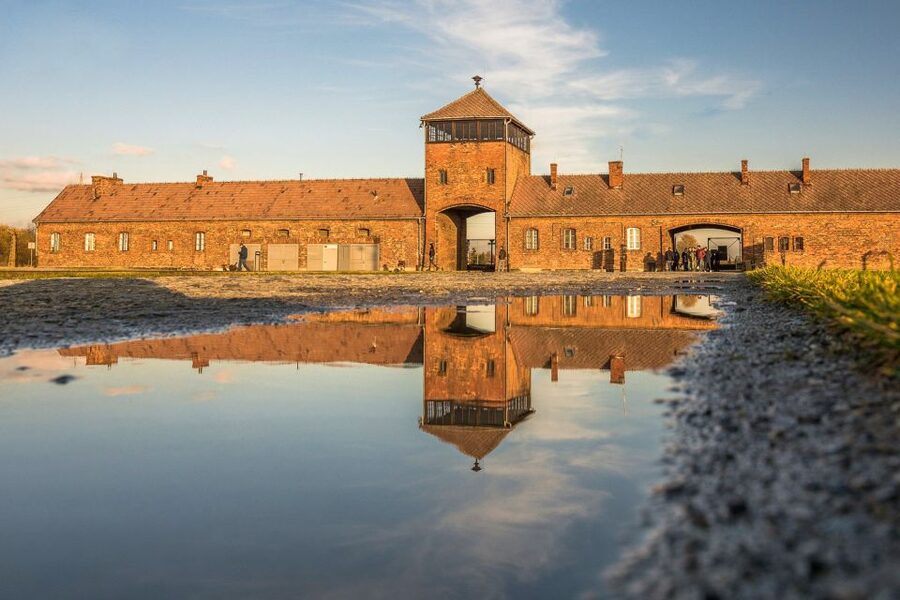
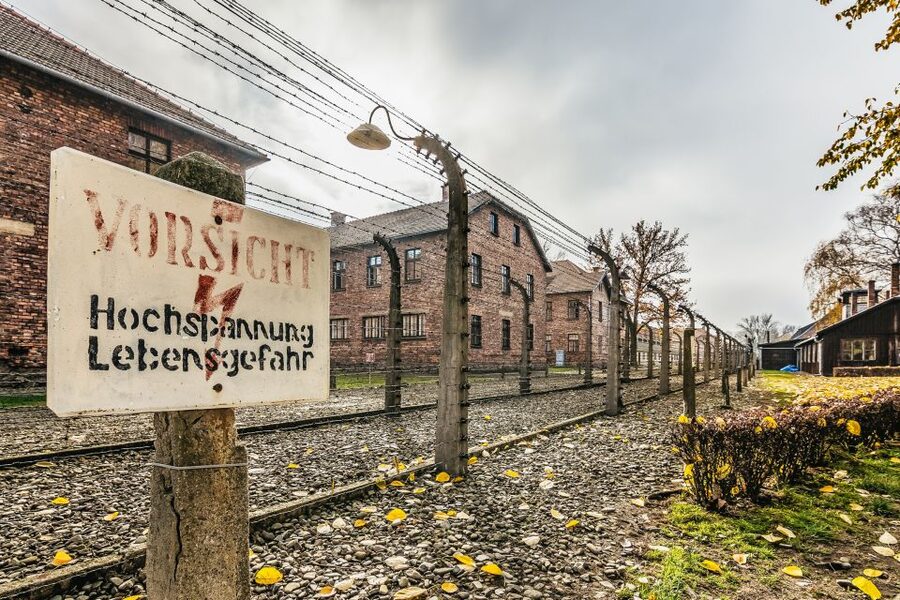
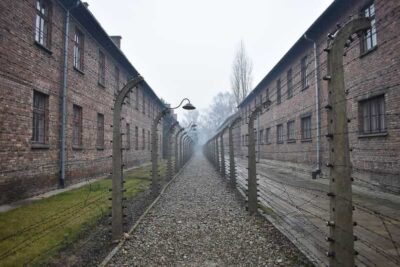
Auschwitz I is where the preserved core of the camp is closest to what people often picture from history books. You start by entering the site through the Arbeit macht frei gate, then your guide takes you through Auschwitz I with commentary on how the camp operated and what prisoners endured.
What makes this part valuable is that the tour is not only about seeing objects. You also get help interpreting them. Expect a mix of museum areas and preserved spaces, including barracks that show the cramped reality of prisoner life. The guide’s job is to connect the layout, the materials, and the written record to the human consequences.
Guides are also praised for using careful, intentional language at a site like this. That matters more than you might think. When the explanations are sensitive and specific, you can focus on learning rather than reacting to how the information is delivered.
One small but important practical detail: there is a break after Auschwitz I. In some cases, you may also be guided on where photography is or is not appropriate. Treat photo rules seriously, since silence and respect are part of the experience.
A few more Oswiecim outings to weigh up
- Auschwitz-Birkenau: Guided Tour and Skip-The-Line Ticket
★ 4.4 · 215 reviews - Auschwitz-Birkenau: Skip-the-Line Entry and Guided Tour
★ 4.7 · 93 reviews - Oswiecim: Auschwitz-Birkenau Skip-the-Line Entry Tickets
★ 4.0 · 63 reviews - From Krakow: Wieliczka Salt Mine Tour & Skip the Line Ticket
★ 4.4 · 3,925 reviews
The Auschwitz I to Birkenau Transfer: The 15-Minute Break Matters
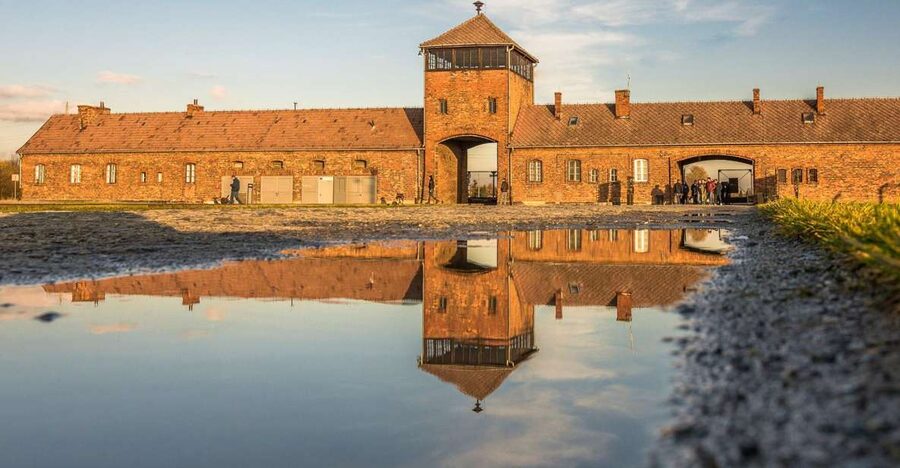
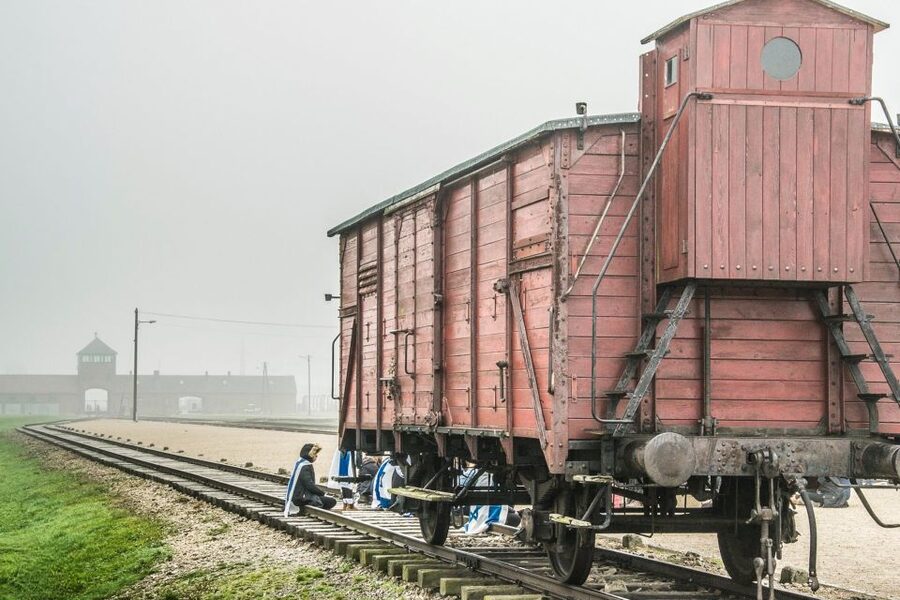
After Auschwitz I, you get a 15-minute break. During that time, you are expected to go to the car parking area in Brzezinka by your own transport. The distance is listed as about 2 km.
This is the moment where the tour can feel smooth or stressful, depending on how you prepared. If you came by public transport, the guidance suggests you inform your tour leader before the tour begins, so you can figure out how to reach Birkenau on time.
Also keep one reality in mind: transportation between the Auschwitz and Birkenau camps is not included in the ticket. That means you should expect to handle the short hop yourself, even if there are local options available.
A helpful tip from practical experience shared by visitors: there is often a free shuttle service between the sites that runs frequently. If the weather is rough or walking feels like too much, using that shuttle can save your energy for the second half of the visit. Just make sure you do not lose track of your group timing during the break.
Birkenau (Auschwitz II): Seeing the Scale of the System
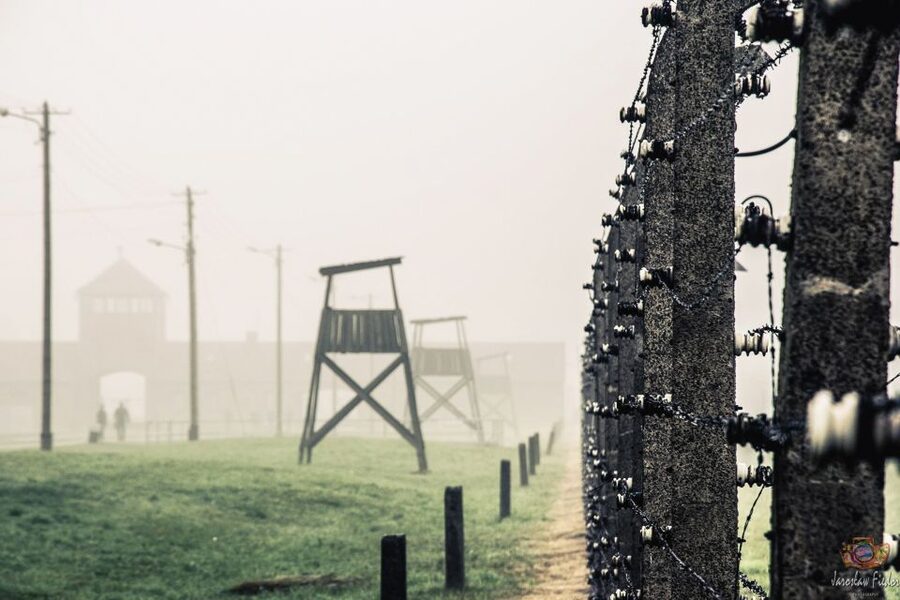
Birkenau is the larger, more open site, and that is exactly why it is so hard to process. This is where the Nazi plan carried out mass murders as part of what is referred to as the Final Solution.
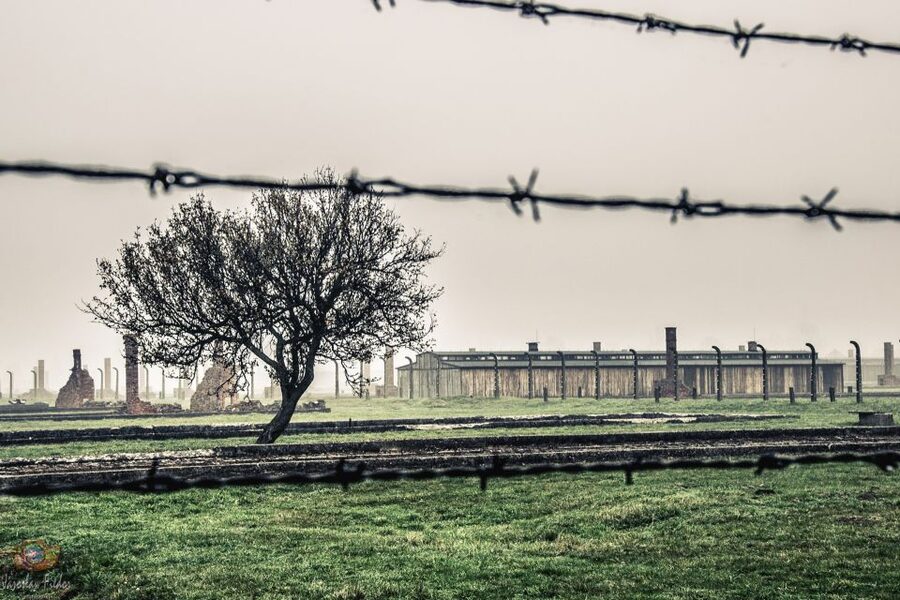
On this tour, you visit Birkenau after the Auschwitz I portion and break. You will see the camp layout and the areas tied to the prisoners’ experience, and the sheer scale is a major part of the impact. People often describe it as mind-boggling because you can sense how a system built on dehumanization could run at that industrial level.
Expect more outdoor walking here, so it is smart to wear layers and shoes you trust. Birkenau in December or cold months can feel long and exposed, and you will likely spend time standing while you absorb what the guide is explaining.
The guide’s role becomes even more important in Birkenau. The site is large, easy to feel lost in, and full of details you might not know how to interpret. When the guide keeps a respectful pace and answers questions, it helps you connect what you see to how the camp was designed to function.
Guide Quality, Headsets, and Pacing: How the Tour Stays Usable
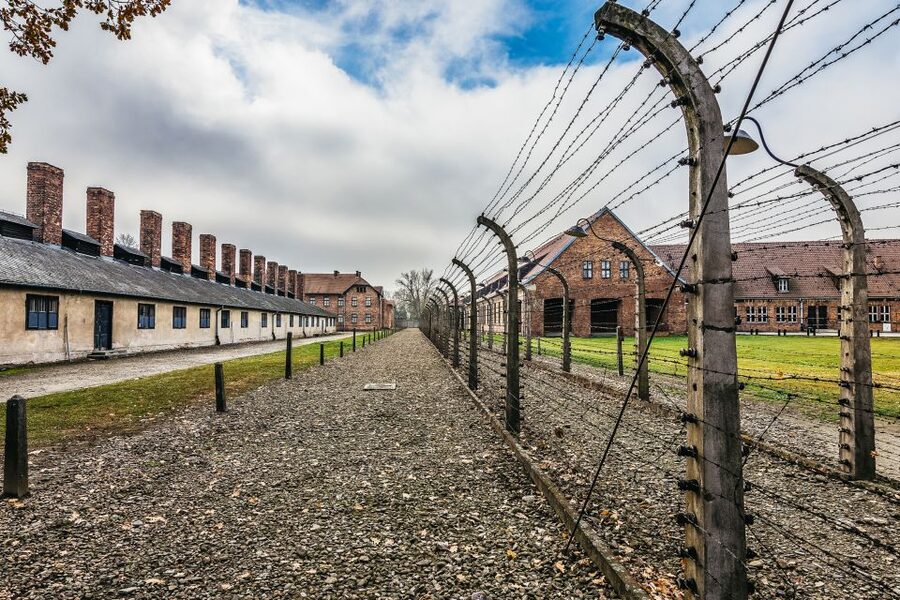
Auschwitz-Birkenau is not the kind of place where you want to suffer through bad audio. That is why headsets are a big deal. In a museum and outdoors, sound can be tricky, and headsets make the guide’s explanation more reliable.
The guides have repeatedly been praised for communication and organization. Names that come up in feedback include Margherita, Marta, Jacob, Oscar Crespo, Magda, and also Conrad and Margaret as guides for some groups. The common thread is not celebrity names, it is behavior: clear speaking, a steady pace, and answers to questions without making the mood feel rushed.
The tour also includes built-in breaks and moments where you can move at your own pace at times. That flexibility helps you do the most human part of the visit: stop, read carefully, and take in what a specific building or display means.
Still, here is the balanced note. Some people report feeling rushed or wanting more time inside certain buildings. Another note shows up when someone has difficulty keeping pace with the group. If you prefer slower movement, you should plan to take short internal pauses, and if you have any mobility concerns, you may want to choose a different type of visit that matches your needs.
Price and Value: Is $21 a Good Deal for This Kind of Tour?
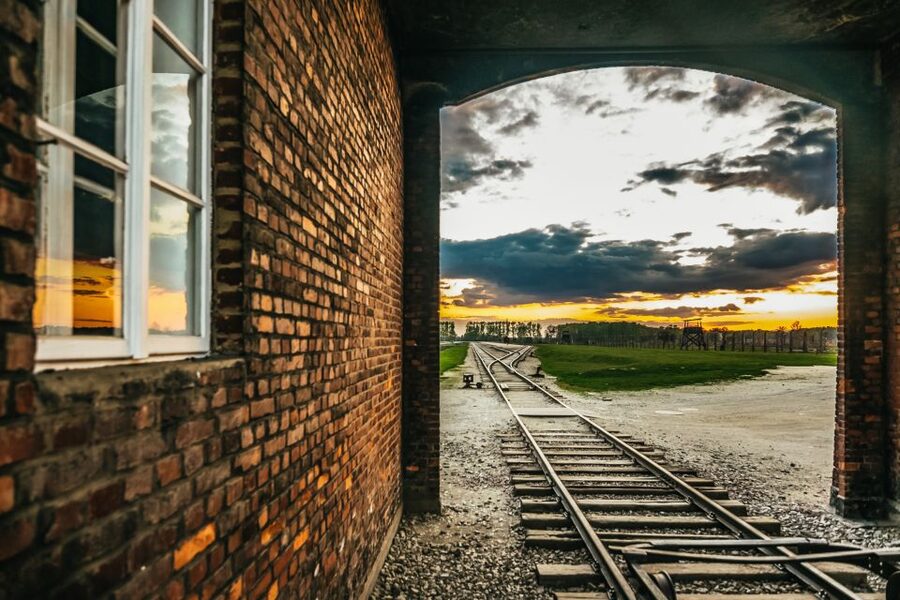
At $21 per person, this is one of those tours that looks too cheap until you think about what is included. You are getting:
- Fast-track entry ticket
- A museum guide and live WWII educator
- Headsets
And you are spending about 210 minutes in a guided format across both Auschwitz I and Birkenau. For many travelers, the biggest value is the guide. There is only so much you can learn from signs alone once you’re standing inside preserved spaces and exposed areas where the history feels immediate.
Now, the parts not included can affect your total day cost and planning:
- No hotel pickup or drop-off
- No parking fees included
- No transportation between Auschwitz and Birkenau camps included
So, you should think of the $21 as the guided admission value, not a full “everything covered day trip.” If you are already set on getting to the meeting point and handling the short transfer at the break, it is a strong price for the structure and interpretation you get.
Also, free cancellation and reserve-and-pay-later options help if your plans are changing. Just do not treat the flexibility as permission to show up late. The site is timed and rules-based, so show up early enough to meet the group smoothly.
Who This 210-Minute Auschwitz-Birkenau Tour Fits Best
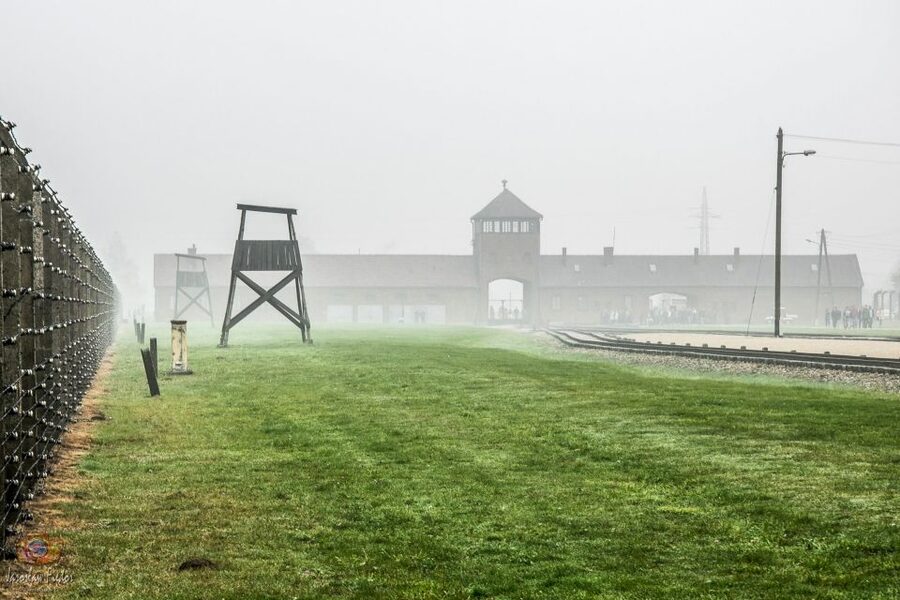
This tour is a good match if you want:
- Skip-the-line entry and a guided framework
- WWII education that helps you interpret barracks and camp design
- A structured visit across both Auschwitz I and Birkenau
It is less suitable if:
- You have a child under 12. The tour is listed as not suitable for children under 12.
- You need wheelchair access. The tour is listed as not suitable for wheelchair users.
- You want a super slow, self-paced museum day. The structure and pacing are helpful for most people, but some folks want more time inside buildings.
If you are the type who likes to ask questions, this format works well. Many guides leave room for questions at the end, and the pacing tends to be steady rather than frantic.
And if you are worried you might not be emotionally ready, go in with the right mindset. This is a respectful, educational visit, but it is also heartbreaking. You should expect a quiet, reflective ride back afterward. People often describe needing time after the tour to process what they saw.
Should You Book This Auschwitz-Birkenau Tour?
Book it if you want the most practical version of a guided visit: fast-track entry, headsets, and a structured route through Auschwitz I and Birkenau with a WWII educator. At $21 per person, the value is strong, especially if you do not want to gamble on figuring out what you are looking at on your own.
Skip it if you need a fully self-paced experience, have mobility needs that do not fit the listed suitability, or you prefer a longer time inside specific areas. In those cases, you might want a different format that better matches your pace.
My rule of thumb: if you can handle the emotional weight and you are willing to follow the timing, this tour is a smart, cost-effective way to get real context while you stand where history happened.
FAQ
What is the duration of the Auschwitz-Birkenau guided tour?
The duration is listed as 210 minutes.
What time can I start the tour?
The tour can take place between 7:30 AM and 3:00 PM. You choose a start time, but the exact starting time is sent to you the day before the tour.
Is hotel pickup or drop-off included?
No. Hotel pickup and drop-off are not included.
Is transportation between Auschwitz and Birkenau included?
No. Transportation between the Auschwitz and Birkenau camps is not included. After the visit to Auschwitz I, there is a 15-minute break and you must go to the car parking area in Brzezinka on your own (about 2 km).
What is the bag size limit?
Large bags are not allowed. The maximum size permitted is 20 x 30 cm.
What languages are offered for the live tour guide?
The live tour guide is available in English, German, French, Spanish, and Italian.
Fresh listings from Oswiecim
- Auschwitz-Birkenau Guided Tour with Private Transport from Krakow★ 5.0 · 36 reviews
- Oswiecim: Auschwitz-Birkenau Skip-the-Line Entry Tickets★ 4.0 · 63 reviews
- From Krakow: Wieliczka Salt Mine & Auschwitz Guided Trip★ 4.5 · 5 reviews
- Krakow: Auschwitz-Birkenau Memorial Tour with Optional Lunch★ 3.0 · 58 reviews
- Auschwitz-Birkenau Museum Tour from Krakow★ 4.6 · 25 reviews
- Auschwitz-Birkenau: Memorial Entry Ticket and Guided Tour★ 3.9 · 54 reviews
- Auschwitz-Birkenau: Guided Tour – Ticket + Transportation★ 4.5 · 31 reviews
- Auschwitz-Birkenau: Skip-the-Line Entry and Guided Tour★ 4.7 · 93 reviews
Auschwitz-Birkenau Tours, compared.
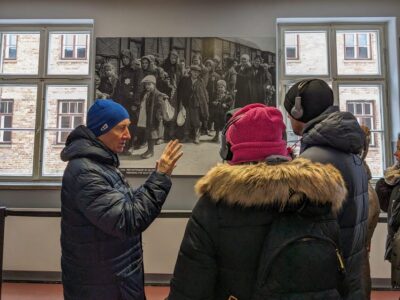
Auschwitz-Birkenau Guided Tour & Hotel Pickup
Read our review →Auschwitz-Birkenau Guided Tour & Hotel Pickup
Read our review →
Auschwitz Guided Tour with Optional Hotel Pickup
Read our review →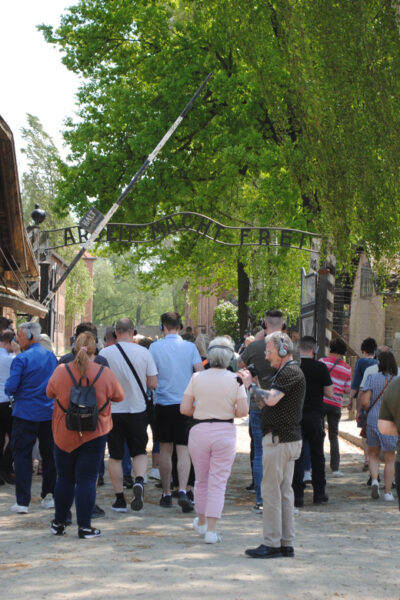
Auschwitz-Birkenau Guided Tour with Pickup & Lunch
Read our review →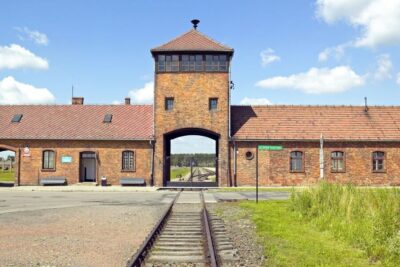
Krakow to Auschwitz Birkenau Guided Tour with Transfer and Ticket
Read our review →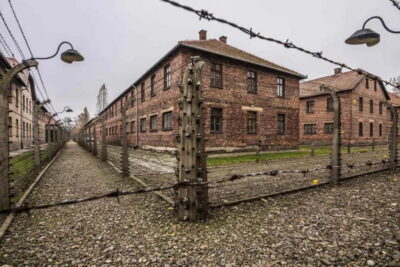
Auschwitz-Birkenau Guided Tour or Self-Guided Tour
Read our review →Browse the lists this tour appears in