
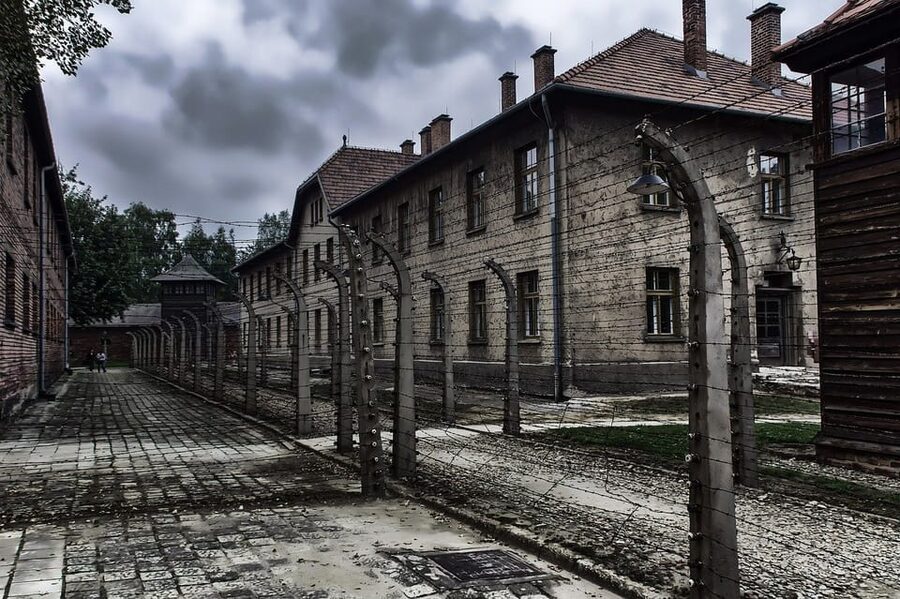
Review · AUSCHWITZ-BIRKENAU TOURS
Auschwitz-Birkenau: Memorial Entry Ticket and Guided Tour
You feel history tighten your grip here. This guided visit covers both Auschwitz I and Auschwitz II-Birkenau with a live English guide, plus headsets so you can hear clearly. I like that you start with skip-the-line tickets already in hand, and I like the way the route takes you from the camp entrance and buildings to the transport railway and gas chamber ruins. One thing to consider, though, is that the scheduled start time is approximate and can shift, so build in extra time buffers around your day.
You also get a structure that helps your brain stay focused. The guide leads you through the former camp grounds, points out what each area was used for, and connects it to the scale of what happened here, estimated at over 1.5 million deaths across 28 nationalities, nearly 90 percent of them Jews. The big drawback is that if your group is delayed early on, the pacing can affect how much time you have for the second part.
This is not a casual outing, but it can still be a well-run one. When everything clicks, the headset plus the guided route makes the experience clearer and less chaotic. If you prefer total flexibility or you cannot meet the rules on clothing and bag size, you may find this format frustrating.
In This Review
- Key things to know before you go
- Getting to the meeting point at Auschwitz I, right by the gate
- What skip-the-line really buys you, and how the headsets help
- Auschwitz I on foot: the entrance view, barracks, and museum exhibitions
- Exhibitions inside former spaces: why guided context matters
- The on-site bus transfer: moving from Auschwitz I to Auschwitz II-Birkenau
- Birkenau highlights: the railway, barracks, and the gas chamber ruins
- Price and value: is $55 worth it?
- Timing realities: approximate start times and pacing pressures
- Who this tour suits, and who should choose something else
- Should you book this Auschwitz-Birkenau guided entry?
- FAQ
- How long is the Auschwitz-Birkenau guided tour?
- Is transportation to Auschwitz included?
- What’s included in the price?
- Where do I meet the guide?
- What items are not allowed, and are there bag limits?
- Is this tour suitable for children or mobility needs?
Key things to know before you go
- Skip-the-line tickets save you waiting time before you even start walking.
- Headsets included so you can hear the guide over distance and group size.
- A live English guide leads the route through both camps, not just the entrance areas.
- Two-part visit with a short on-site bus transfer from Auschwitz I to Auschwitz II-Birkenau.
- Time is approximate and can change, up to two hours, so plan with slack.
- Strict entry rules for clothing and bag size, including a 30x20x10 cm limit.
Getting to the meeting point at Auschwitz I, right by the gate
You’re responsible for your own transport to and from Auschwitz. There’s no hotel pickup or drop-off, so I recommend treating this as a “go early, get there calm” day. The meeting point is at the Memorial and Museum Auschwitz I, right by the gate leading to the parking. You should look for the information boards and meet your guide there.
This matters more than you might think. One of the recurring frustrations from past bookings is last-minute schedule changes and confusion about where to stand, including situations where the guide was not at the initial stated spot. Your best defense is simple: arrive early enough that you can find the correct area even if your exact time changes.
Bring a passport or ID card, and make sure the name you used for your ticket matches the name on your ID exactly. If there’s a mismatch, entrance can be refused. Yes, it feels strict. But this is also the kind of place where the museum has to control access tightly.
Finally, plan your wardrobe like it’s a museum with rules, not like it’s a sightseeing day. Shorts are not allowed. Sleeveless shirts are not allowed. You should also avoid anything that looks like a weapon or sharp object. Large bags and luggage are not allowed, and your bag or purse must fit within 30x20x10 cm.
More Auschwitz-Birkenau visits:
- Auschwitz-Birkenau Skip-the-Line Guided Tour
★ 4.3 · 4,815 reviews - Auschwitz-Birkenau: Skip-the-Line Entry Ticket & Guided Tour
★ 4.4 · 3,052 reviews - Auschwitz-Birkenau Skip-the-Line Ticket and Guided Tour
★ 4.4 · 1,241 reviews
What skip-the-line really buys you, and how the headsets help
You’re paying for speed and clarity, not for comfort. The skip-the-line ticket means you can get into the memorial areas without standing in the main ticket queue. That’s valuable here because the day already feels long once you factor in entry checks and walking.
The headsets included are a major quality-of-life upgrade. The route covers a lot of ground and your group can spread out, especially between buildings or when you move along the railway area. With the headset, you’re not stuck trying to guess what your guide is saying from far away.
The tour length is listed as 210 minutes, but the memorial’s own visitor service controls pace and duration. That means you should expect a guided tempo rather than a “exactly to the minute” plan. The start time is approximate and can shift by up to two hours, so don’t stack your next activity right after the tour ends. Build in buffer time for the walk back to transit and the emotional gravity of leaving.
Auschwitz I on foot: the entrance view, barracks, and museum exhibitions
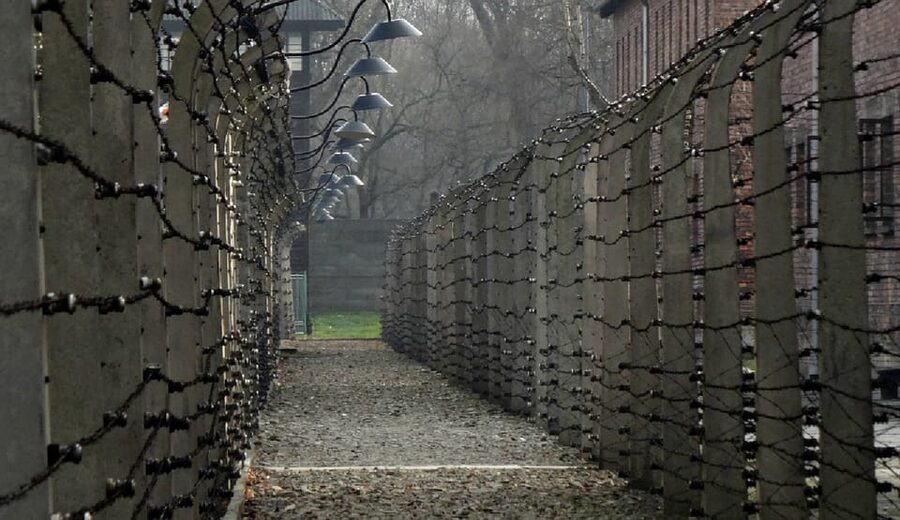
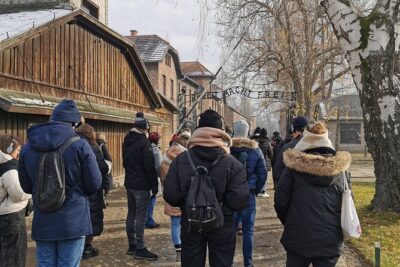
Once you meet your authorized live guide, you follow the route into Auschwitz I, the original camp area built in 1940 in the suburbs of Oswiecim. This is where the visit starts to feel concrete. You’re not just looking at photos or reading plaques. You’re walking on the ground where people were kept.
Expect the tour to hit several core elements:
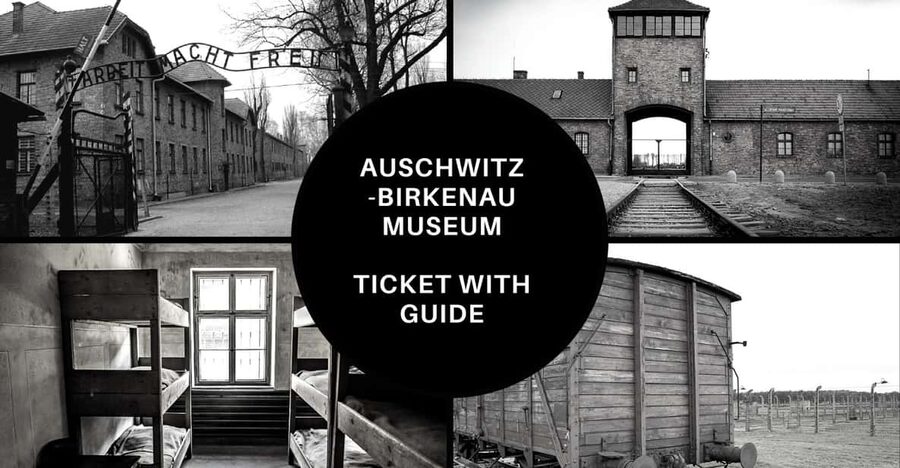
- The infamous entrance gate
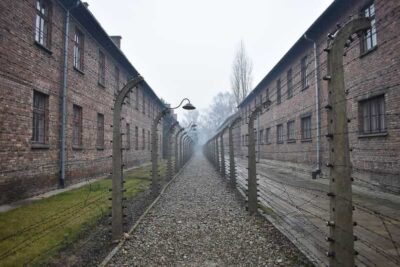
- Camp barracks and built structures
- Areas tied to daily confinement and the museum’s exhibitions inside former living spaces
In this first part, the guide’s job is to connect location to meaning. When you see buildings used for living, you can understand the system as something planned and organized, not random or chaotic. The headset helps a lot here because the guide usually explains what you’re looking at while you’re standing in the exact spot where history happened.
The scale is also part of the guided context. The estimated deaths are given as over 1.5 million people, representing 28 nationalities, with nearly 90 percent being Jews. That information can feel heavy in your head, but a good guide keeps it anchored to what you can actually see in front of you.
This is also the part that tends to set your tone for the rest of the visit. If you come in rushing, you might miss the chance to slow down and absorb what you’re seeing.
Exhibitions inside former spaces: why guided context matters
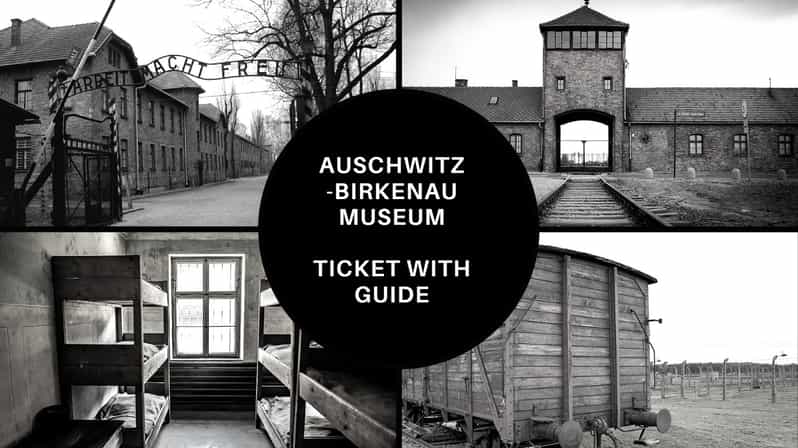
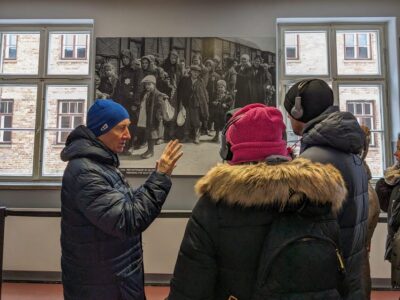
Auschwitz is one of those places where the details matter. Seeing barracks and exhibition areas without a guide can turn into a blur of signs and rooms. With a live guide, the explanations give you a framework: what you’re seeing, who was affected, and why certain areas are preserved.
You’ll also notice how the tour uses a mix of outdoor walking and indoor interpretation. That’s practical, because it breaks the day into segments. It also helps you process the information, especially when the emotional weight builds.
One thing I would stress: this is not a “speed-run museum.” Even when you feel you understand what you’re seeing, let your guide finish the point. If you try to mentally multitask, you’ll miss the connections that make the experience clearer and more respectful.
A few more Oswiecim outings to weigh up
- Auschwitz-Birkenau: Skip-the-Line Entry Ticket & Guided Tour
★ 4.4 · 1,038 reviews - Auschwitz-Birkenau: Guided Tour with Fast Track Ticket
★ 3.9 · 433 reviews - Auschwitz-Birkenau: Guided Tour and Skip-The-Line Ticket
★ 4.4 · 215 reviews - Krakow: Auschwitz-Birkenau Private Guided Tour
★ 4.1 · 172 reviews
The on-site bus transfer: moving from Auschwitz I to Auschwitz II-Birkenau
After the first part, you take a bus available on-site for a short ride to Auschwitz II-Birkenau. It’s a brief transition, but it’s also a mental one. Auschwitz I can feel like a dense “core.” Birkenau often feels like scale and dispersion, the kind of space where forced transport and mass imprisonment become harder to grasp without seeing it.
This transfer also affects timing. Since the pace is determined by the memorial’s visitor service, you should assume the schedule is working off a flow that keeps groups moving together. That’s why early delays can ripple into later time, including how much time you have for the second part.
There’s another practical reason to stay patient: if you’re carrying a small bag within the size limits, you’ll want it handled efficiently at each stop. Don’t show up with anything bulky. Your hands and shoulders will thank you later.
Birkenau highlights: the railway, barracks, and the gas chamber ruins
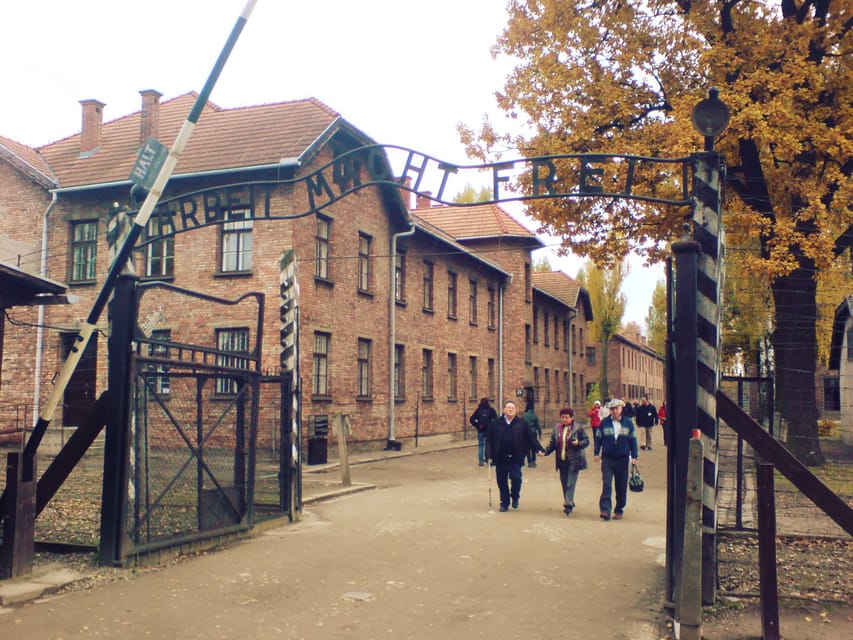
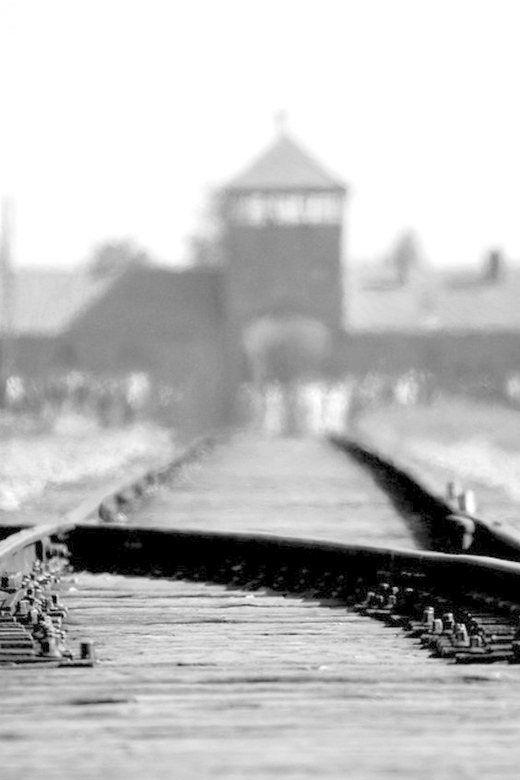
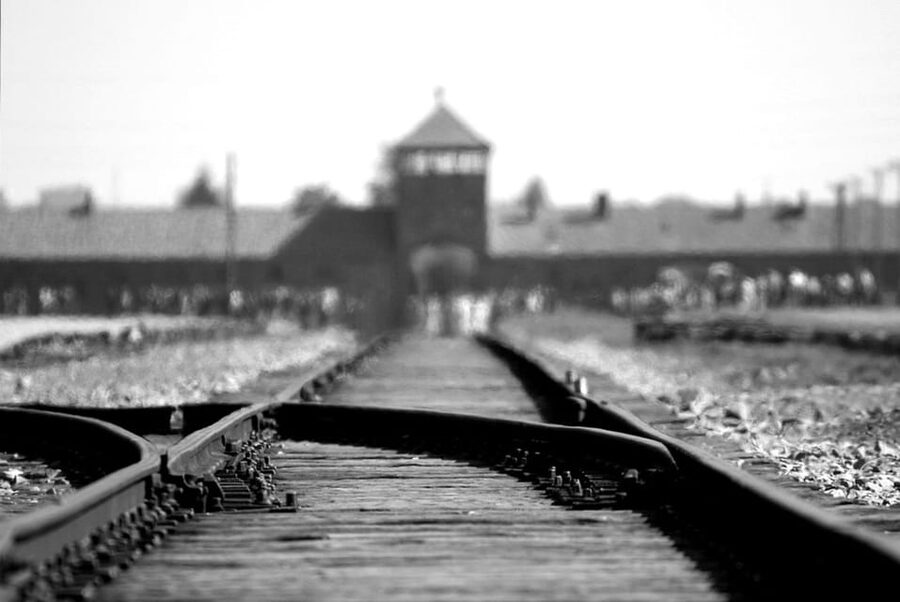
In Auschwitz II-Birkenau, the guide continues the story with some of the most important visible remains. The tour includes a walk along the railway that facilitated transports to the other part of the camp. That railway is a key visual for understanding how deportations were integrated into the system.
From there, you’ll see ruins of gas chambers where people were killed on a mass scale. The wording you’ll hear from the guide is serious and direct. It’s not designed for comfort, and it’s not meant to be turned into an after-dinner story. If you’re the type who needs a lot of time to emotionally recover, plan for that after the tour too.
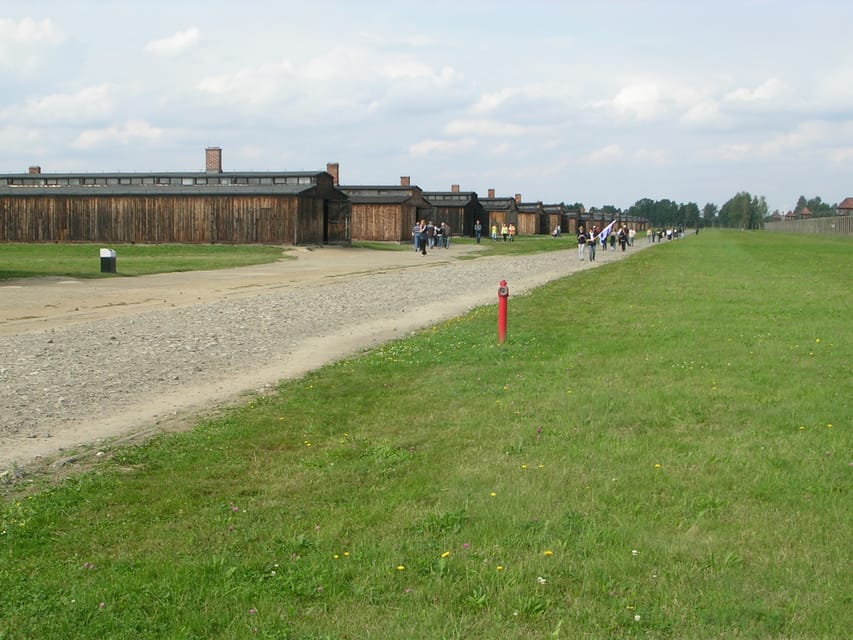
You’ll also visit barracks and other areas that help explain how imprisonment was organized. The point of this second part is not just to show ruins. It’s to show how the camp functioned as a larger mechanism of persecution, with Auschwitz I and Birkenau forming different parts of the overall machinery.
Price and value: is $55 worth it?
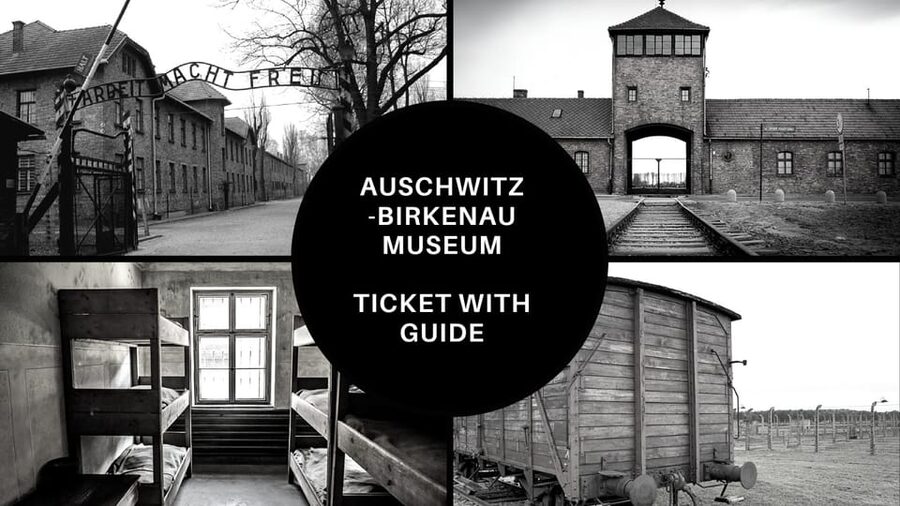
At $55 per person, you’re buying three specific things:
- Skip-the-line entrance tickets to the memorial
- A live guided group tour
- Headsets so you can follow along clearly
For Auschwitz, that combination is where the value lies. Entry tickets alone can turn into a self-guided shuffle if you arrive without context. A guided route helps you translate what you’re seeing into meaning, and the headsets keep you from losing information when your group moves at human speed.
Is it “cheap”? No. But in a place where timing and rules are strict, $55 can be a fair trade for less waiting, better listening, and a route that keeps you from wandering or missing major areas.
The real question is not the price tag. It’s whether you need a structured narrative. If you want explanations and you’re comfortable participating in a group walk, this format tends to deliver what it promises. If you want total independence, you might prefer another approach, but you would likely trade away some of the clarity that a guide provides.
Timing realities: approximate start times and pacing pressures
The tour duration is listed as 210 minutes, and the start time depends on availability. But the important detail is that the given time is approximate and can change up to two hours. That’s not a minor footnote. It can affect your entire day plan.
Add in the memorial’s own rule that the pace and duration are determined by the visitor service, and you get a simple truth: you’re not fully in control.
Also, you might have seen this pattern in other tours for big sights, where delays early on can cut into later sections. In past experiences tied to this type of guided format, some groups reported that the guide arrived later and they then had less time for the second part. If your schedule is tight, this is where you should be extra careful about booking something else immediately afterward.
If you can, plan your day around Auschwitz, not around a train connection.
Who this tour suits, and who should choose something else
This experience is generally best for adults and older teens who can handle a serious topic and follow museum rules.
It is not suitable for children under 14 and it is also not suitable for people with mobility impairments, based on the information provided. If you have mobility concerns, the walking and transfers between areas can be a deal-breaker.
You should also think about your tolerance for group pace. The tour is guided and headset-assisted, but it is still a group experience, and the memorial controls pacing. If you need private, slow, or personalized time, this may feel too structured.
If you’re the kind of traveler who wants to understand what you see, without trying to become a historian by yourself first, a guided format works well.
Should you book this Auschwitz-Birkenau guided entry?
If you want a practical, structured way to see both Auschwitz I and Auschwitz II-Birkenau, this tour is a strong match. The key reasons are straightforward: skip-the-line entry, an English live guide, and headsets that keep you from missing explanations.
I’d consider booking if:
- You want context while you stand in the actual places
- You prefer a planned route over figuring out museum flow alone
- You appreciate hearing the guide clearly, even when the group spreads out
I would hesitate if:
- Your day has strict timing, since the start time can shift up to two hours
- You’re very sensitive to any delay that could affect the second part of the visit
- You cannot meet the entry rules for clothing and bag size
Book this like you’re planning a solemn, full-focus appointment. Not like you’re squeezing in a highlight between meals.
FAQ
How long is the Auschwitz-Birkenau guided tour?
The tour duration is listed as 210 minutes, and you should check availability for starting times.
Is transportation to Auschwitz included?
No. Hotel pickup and drop-off are not included, so you need your own transport to get to Auschwitz and back.
What’s included in the price?
Included are skip-the-line entrance tickets to Auschwitz-Birkenau Memorial and Museum, a guided group tour with a live guide, and headsets to hear the guide clearly.
Where do I meet the guide?
Meet your guide at the Memorial and Museum Auschwitz I, right by the gate leading to the parking. Look for the information boards.
What items are not allowed, and are there bag limits?
Shorts are not allowed, as are weapons or sharp objects. Luggage or large bags are not allowed, and the maximum allowed bag size is 30x20x10 cm. Sleeveless shirts are also not allowed.
Is this tour suitable for children or mobility needs?
It is not suitable for children under 14 and is not suitable for people with mobility impairments.
Fresh listings from Oswiecim
- Auschwitz-Birkenau Guided Tour with Private Transport from Krakow★ 5.0 · 36 reviews
- Oswiecim: Auschwitz-Birkenau Skip-the-Line Entry Tickets★ 4.0 · 63 reviews
- From Krakow: Wieliczka Salt Mine & Auschwitz Guided Trip★ 4.5 · 5 reviews
- Krakow: Auschwitz-Birkenau Memorial Tour with Optional Lunch★ 3.0 · 58 reviews
- Auschwitz-Birkenau Museum Tour from Krakow★ 4.6 · 25 reviews
- Auschwitz-Birkenau: Guided Tour – Ticket + Transportation★ 4.5 · 31 reviews
- Auschwitz-Birkenau: Skip-the-Line Entry and Guided Tour★ 4.7 · 93 reviews
- Auschwitz & Birkenau Live Guide Tour Entrance Ticket★ 4.0 · 110 reviews
Auschwitz-Birkenau Tours, compared.
Auschwitz-Birkenau Guided Tour & Hotel Pickup
Read our review →Auschwitz-Birkenau Guided Tour & Hotel Pickup
Read our review →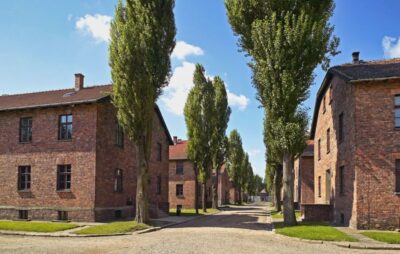
Auschwitz Guided Tour with Optional Hotel Pickup
Read our review →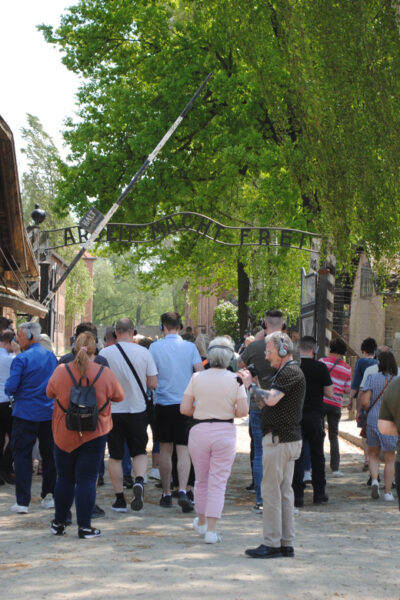
Auschwitz-Birkenau Guided Tour with Pickup & Lunch
Read our review →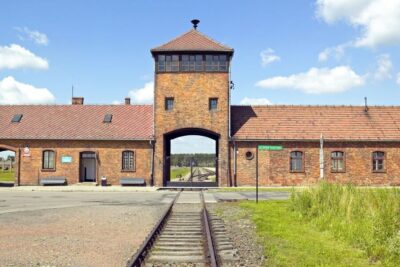
Krakow to Auschwitz Birkenau Guided Tour with Transfer and Ticket
Read our review →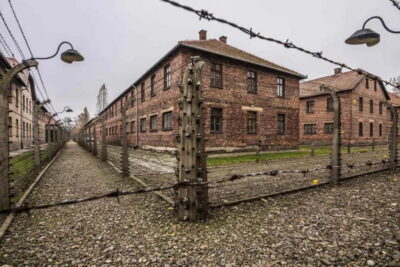
Auschwitz-Birkenau Guided Tour or Self-Guided Tour
Read our review →Browse the lists this tour appears in