
Review · NOWA HUTA & COMMUNISM TOURS
Gdansk: Private Communism Tour with Solidarity Center Museum
Trade union history walks right beside you.
This private 4-hour tour turns Gdansk into a living classroom, with skip-the-line entry to the European Solidarity Centre and a guided route through the places tied to Solidarity’s rise. I love how the museum uses primary documents like the demands known as the Tables of 21 Postulates, and I love that you then step out into the city to connect those ideas to real locations. One thing to consider: this is heavy labor and political history, and the Gdansk Shipyard is closed on Saturdays and Sundays, so your itinerary may be adjusted.
The best part is the human scale. You’re not just reading captions. You’re hearing the story of Lech Wałęsa, Anna Walentynowicz, and the people who pushed for change, explained in context by a licensed history expert. And on the 4-hour option, you even get a traditional shot of Polish vodka in the spirit of PRL.
In This Review
- Key highlights worth your time
- Walking the Solidarity story in Gdansk, with a private guide
- European Solidarity Centre skip-the-line: what you actually see
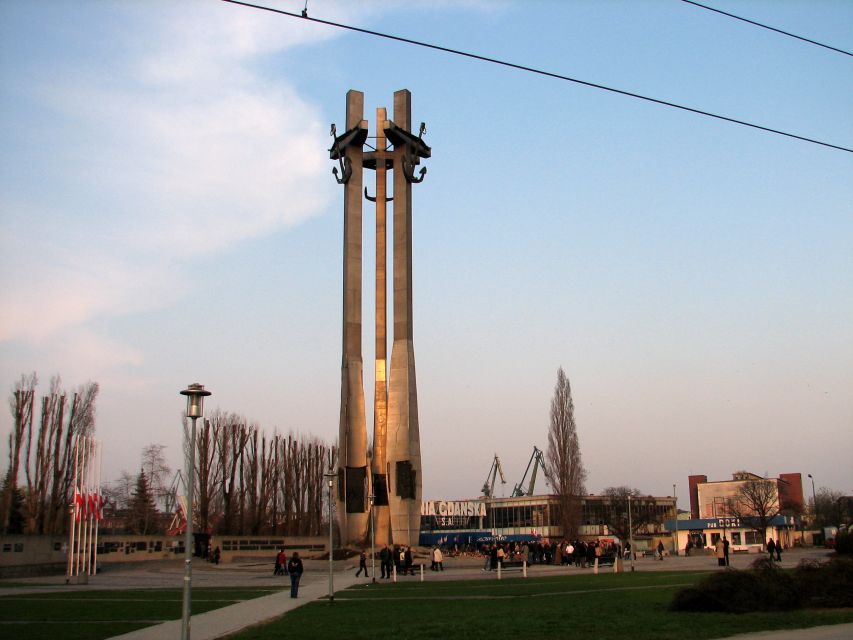
- Solidarity Square and the Monument to the Fallen Shipyard Workers of 1970
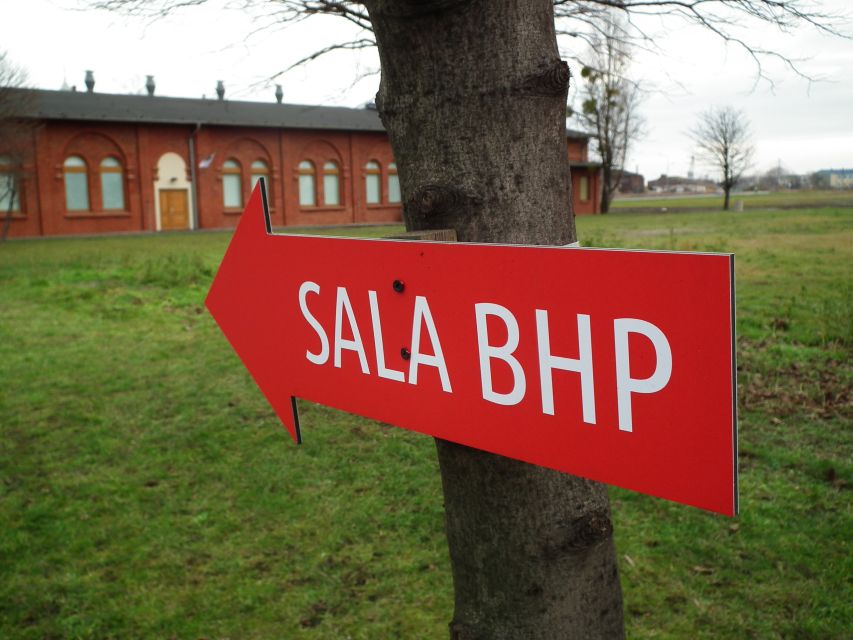
- Sala BHP and the Gdańsk Agreement of 31 August 1980
- Gdansk Shipyard stop: civil resistance in 1980
- Price and logistics of a 4-hour private tour in Gdansk Old Town
- Who this tour suits best, and who might want a different plan
- Final decision: should you book this private communism tour?
- FAQ
- What is the duration of the tour?
- What is included with the 4-hour option?
- Where do I meet the guide?
- Does the tour offer skip-the-line tickets?
- What languages are available for the guide?
- Is pickup available from anywhere in Gdansk?
- Is the Gdansk Shipyard open every day?
Key highlights worth your time
- Skip-the-line access to the European Solidarity Centre so you spend your time inside, not waiting outside
- Solidarity’s origins on the museum timeline, including the demands behind the 1980 strikes and later turning points like the 1989 round table talks
- Solidarity Square and the Monument to the Fallen Shipyard Workers of 1970, with the tragedy placed in the bigger story
- Sala BHP and the Gdańsk Agreement (31 August 1980), the key moment when negotiations shaped Poland’s path
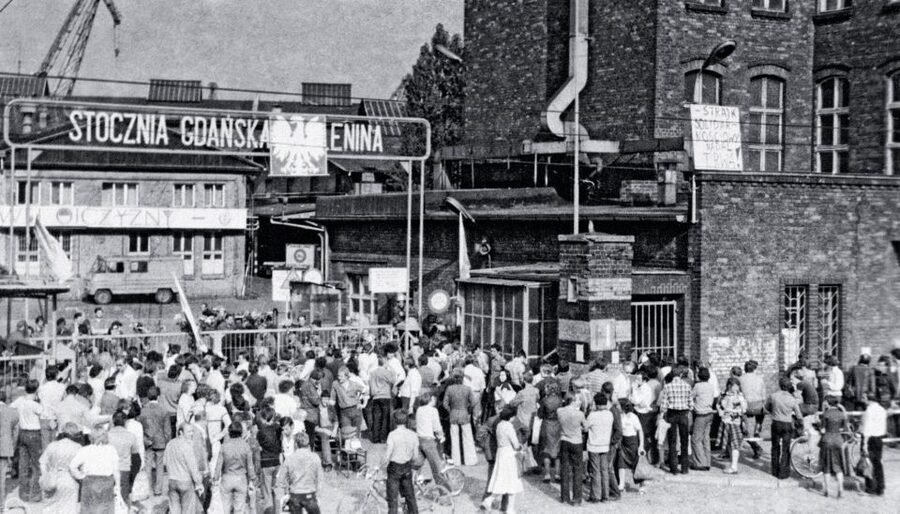
- Gdansk Shipyard for the 4-hour option, where thousands of workers began organized resistance
Walking the Solidarity story in Gdansk, with a private guide
Gdansk has a way of doing history in the open air. This tour leans into that. It’s a private, communist-themed walkthrough that connects the fall of the Communist Bloc to real streets, monuments, and the shipyard world that powered the movement.
You’ll travel with a licensed history expert guide, and you’re not stuck with a one-size-fits-all audio script. That matters here because Solidarity is not just one event. It’s strikes, negotiations, and political pressure that built over time. A good guide helps you spot cause and effect, like how the 1970 tragedy echoes into 1980, or how demands made by workers became part of a national shift.
If you want a visit that feels tight and focused, the private format helps. The route is planned, the entrances are handled, and you’re guided through the emotional parts with context. In a past group of 18, the guidance stayed strong in both delivery and pacing, including handling the shipyard area which can feel like a maze if you’re on your own.
Practical note: pickup works only for accommodations in the Gdansk Old Town area within 1.5 km of the meeting point. If you’re farther out, you’ll meet under the Monument to the Fallen Shipyard Workers of 1970 at Plac Solidarności, 80-001 Gdańsk. Either way, you’ll start right where the story begins.
More Nowa Huta and communism tours:
- Krakow: Nowa Huta Guided Tour in Vintage Car
★ 4.9 · 277 reviews - Legendary Private Nowa Huta Communism Tour with Crazy Guides
★ 5.0 · 262 reviews - Nowa Huta: Steelworks Administration Buildings/Shelters Tour
★ 4.8 · 260 reviews
European Solidarity Centre skip-the-line: what you actually see
The heart of this experience is the European Solidarity Centre, and the skip-the-line ticket is a real value in practice. The museum is popular for a reason, but ticket lines can chew up your time. With reserved entry, you keep the day moving and spend more time absorbing the exhibits.
Inside, you follow Solidarity step by step through a modern museum format. The point is not just to learn that Solidarity existed. It’s to understand what people asked for, what they risked, and how the political system responded. The guide helps you connect the dots between the workers’ demands and the broader shift toward democracy in the Eastern Bloc.
One of the most compelling parts is how the museum presents the written demands tied to the 1980 strikes at the Lenin Shipyard, now known as Gdansk Shipyard. You’ll see the original Tables of 21 Postulates, the document that laid out what the strikers pushed for against the authorities. That kind of primary source changes your perspective. It’s harder to reduce Solidarity to slogans when you can see the actual language of the demands.
The museum also covers the turning points that followed, including the 1989 round table talks and the first pluralistic election in Poland since 1947. You’ll meet key figures by name and by role in the movement, including Lech Wałęsa and Anna Walentynowicz, rather than treating them like distant chapter titles.
Here’s the balanced reality check: the museum can feel emotionally direct. If you prefer politics told through distance and numbers only, you might find parts intense. But that intensity is also why it works. This is about lived pressure, not just theory.
Solidarity Square and the Monument to the Fallen Shipyard Workers of 1970

Once you leave the museum, you shift from indoor storytelling to outdoor memory. Solidarity Square is where the movement’s public identity takes physical form. You’ll hear the tragic story behind the Monument to the Fallen Shipyard Workers of 1970, and the guide uses that moment to explain how worker unrest became a defining thread in Poland’s late-20th-century history.
This stop does two useful things. First, it grounds the later events in 1980. Solidarity didn’t appear from nowhere. The 1970 events show what was at stake when authorities met labor conflict with violence. Second, it turns the square into more than a photo spot. You start reading the space like a historical document.
If you’re the type of traveler who likes meaning behind monuments, this is a great segment. If you’re short on stamina, keep expectations realistic. You’ll be walking and standing for explanation, and the route is tied to the shipyard district and its memorials. Plan for comfort shoes.
Also, don’t rush this part. The monument story hits hardest when you slow down and let the timeline settle in your head. A guide helps, but you still need those few minutes of quiet attention to make it land.
Sala BHP and the Gdańsk Agreement of 31 August 1980
For many people, the tour becomes unforgettable at Sala BHP. On the 4-hour option, you visit the historic site where the Gdańsk Agreement was signed on 31 August 1980.
This is one of those moments where understanding improves dramatically when you’re in the right place. The Gdańsk Agreement is the kind of event that gets summarized in a sentence in classrooms. Here, you see it as a turning point tied to negotiation, pressure, and the effort to protect workers and keep the situation from spiraling further.
The guide helps translate why Sala BHP matters. The site is linked to worker protection within the shipyard system, and it becomes a symbol of how the movement moved from protest into structured demands that authorities could not ignore.
If you like when history becomes concrete, Sala BHP does that. You’re not just hearing the date. You’re hearing what the agreement represented in terms of legitimacy and future direction.
And yes, the tour ties it back to the earlier museum content. The demands you saw on exhibit connect to the agreement you experience in person. That makes the tour feel like a single storyline, not disconnected stops.
A few more Gdansk outings to weigh up
- Tower of Secrets (Wax Figure Museum, Horror House and much More)
★ 4.0 · 30 reviews - Museum of the Second World War Gdansk Private Tour & Tickets
★ 5.0 · 24 reviews - Gdansk Private WWII Tour with Museum of the Second World War
★ 4.9 · 22 reviews - Gdansk: Museum of World War II – True Story of a Living Hell
★ 4.5 · 6 reviews
Gdansk Shipyard stop: civil resistance in 1980
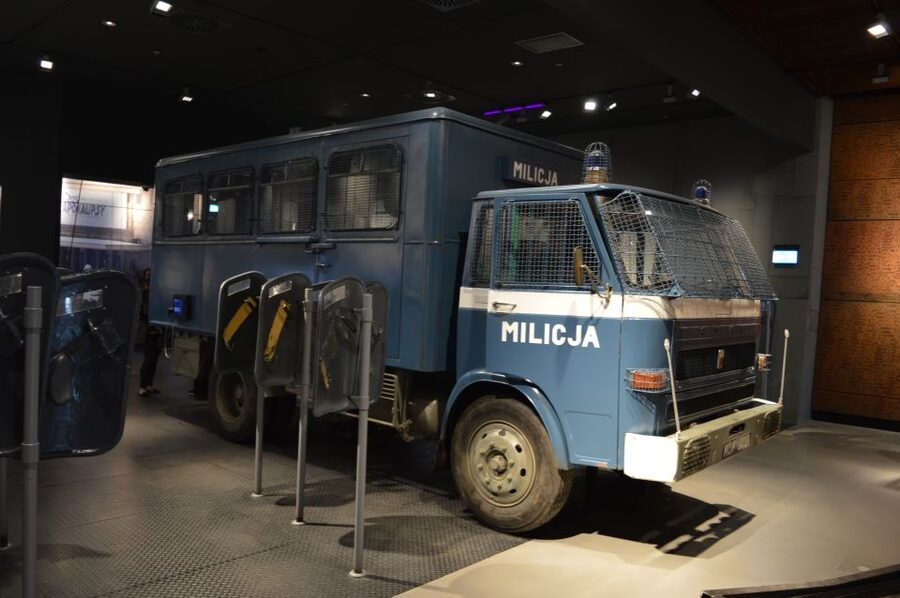
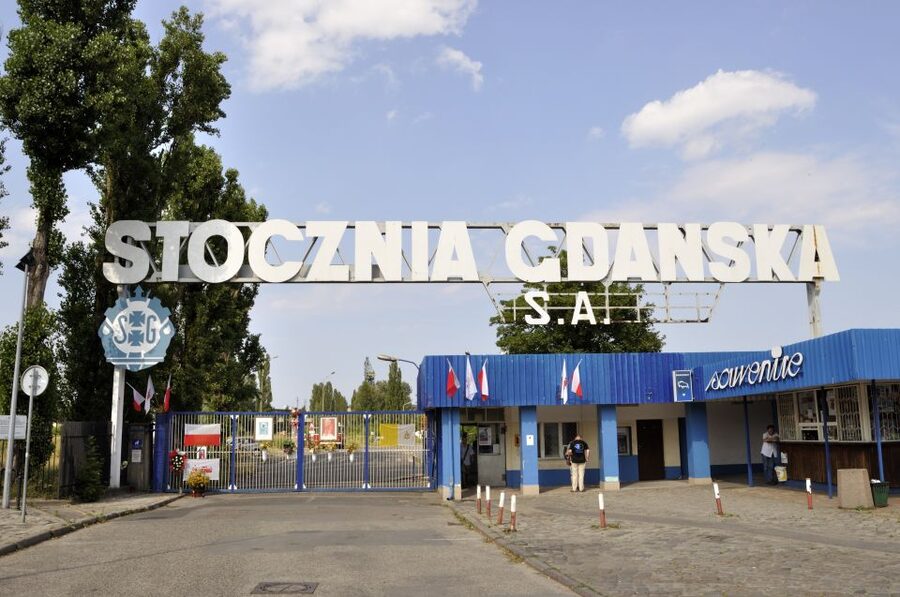
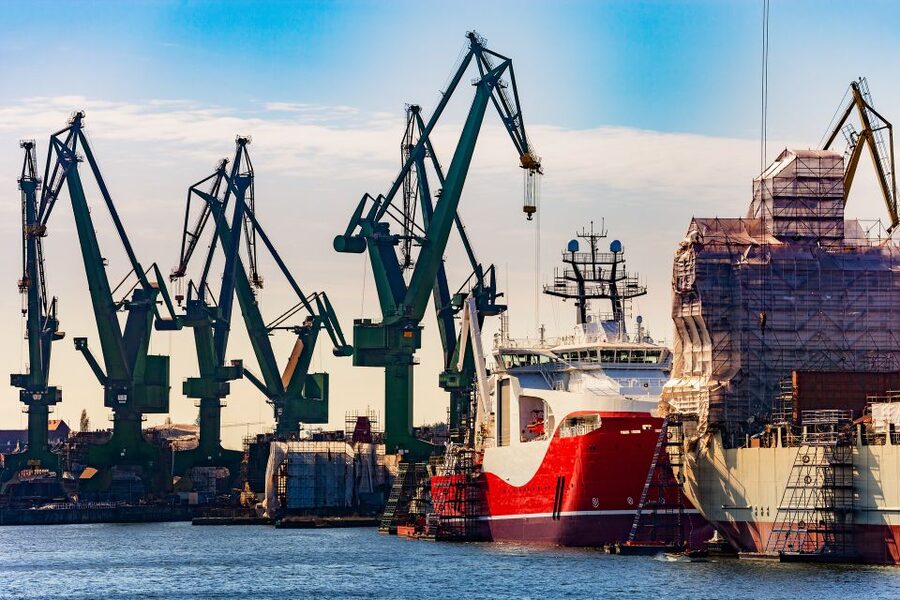
The final big stop on the 4-hour option is the Gdansk Shipyard, also known as Stocznia Gdańsk. This is where 17,000 ship builders began civil resistance against the communist regime in 1980.
This stop is powerful for a simple reason. You can look around and imagine the scale. Even if you don’t picture every detail, the physical space helps your brain grasp why organization and mass labor mattered so much. The movement wasn’t a small protest. It was tied to an industrial engine and a city built around shipbuilding.
One important logistics point: the shipyard is closed on Saturdays and Sundays. If you’re planning a weekend visit, you should assume the schedule may be changed accordingly, and you might not get the same final stop.
The shipyard area can also feel like a working district rather than a tidy museum campus. That’s why a private guide helps. In one group experience, the guide was praised for knowing the history of each corner of the shipyard area, which makes a huge difference when you are navigating a place that has changed over time.
If you’re a photography person, you’ll have plenty of angles. Just remember the photos are best after the explanation, not before. Let the story guide what you notice.
And as a fun cultural touch on the 4-hour option, the tour invites you for a shot of traditional Polish vodka, in the spirit of PRL. It’s brief, but it’s a memorable moment that adds local flavor to the heavier historical content.
Price and logistics of a 4-hour private tour in Gdansk Old Town
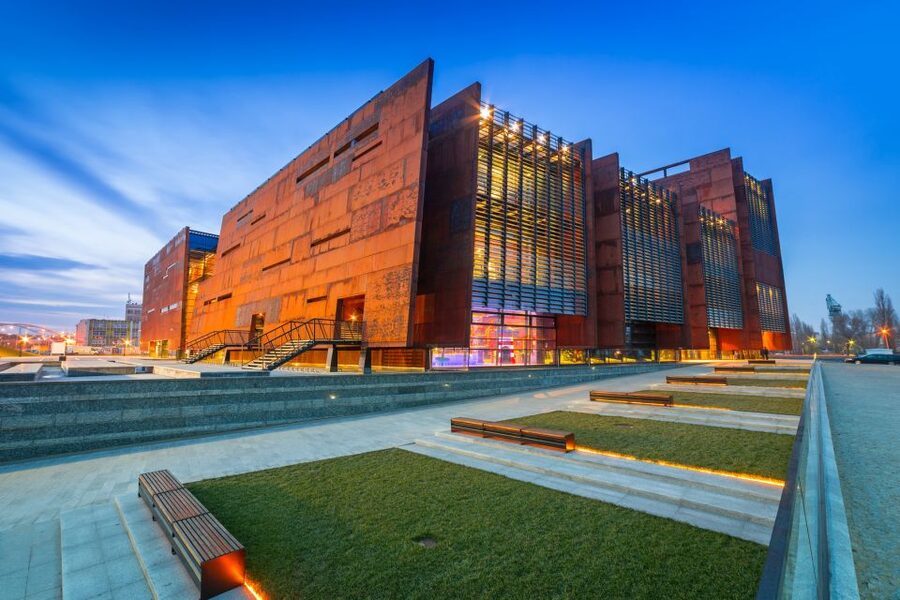
At $184 per person for the 4-hour option, you’re paying for a specific mix: private guiding, museum skip-the-line entry, admission to Sala BHP and the shipyard (for 4-hour guests), car transport, and hotel pickup and drop-off within the Old Town radius. On the surface, it’s not a budget price. In context, it can be a strong value if you want time-efficient access plus real interpretation.
Here’s how I’d judge the value for you. If you would otherwise spend your visit bouncing between entrances, waiting in lines, and trying to assemble the story yourself from a guidebook, you’ll probably feel this price makes sense. The skip-the-line part alone saves time. The private interpretation saves confusion. And the admission pieces remove the stress of planning around the right sites.
Pickup is available only in the Gdansk Old Town area, within 1.5 km of the meeting point. If your hotel is close, great. If not, you’ll meet under the Monument to the Fallen Shipyard Workers of 1970 at Plac Solidarności. Either way, you start in the right spot.
Timing is also important. This is a 4-hour experience if you choose that option, and it includes more sites than the shorter format. If you have limited time in Gdansk, you might consider the 2-hour version which centers on the European Solidarity Centre with a deep look at the Solidarity timeline. But if you want the agreement location and the shipyard, the 4-hour choice is the one that ties the narrative to its physical endpoints.
Who this tour suits best, and who might want a different plan
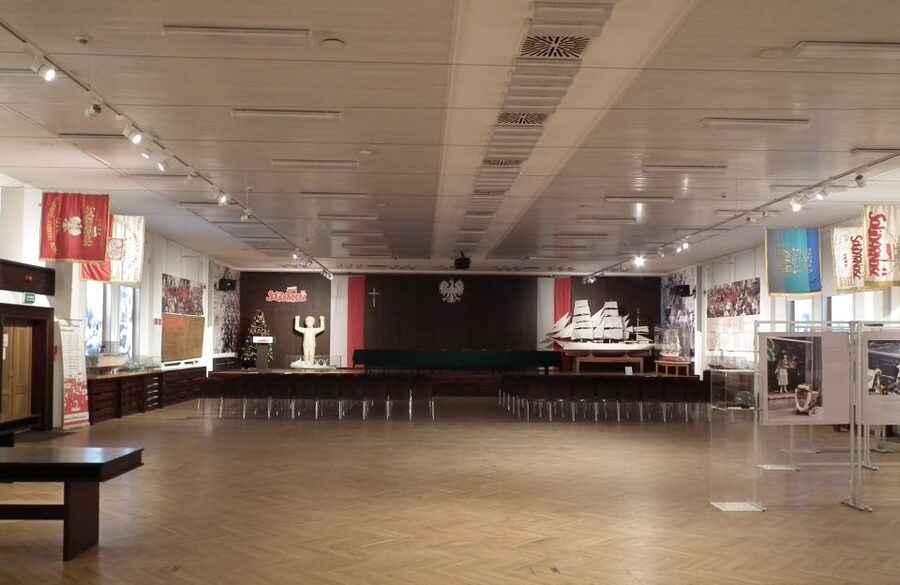
This works especially well if you:
- Want a guided story instead of just museum browsing
- Appreciate when politics is explained through documents and real places
- Like connecting museum exhibits to the streets and buildings nearby
- Are in Gdansk mainly for history and want a concentrated route
You might want to choose something else if you:
- Prefer history that stays light and fast paced
- Don’t handle emotionally direct memorial sites well
- Are visiting on a weekend and your trip depends on the shipyard stop happening (since it’s closed Saturdays and Sundays)
Language options also help. The tour offers English, German, Polish, and Russian. In at least one past group, the guide Małgorzata was praised for guiding in French too, which suggests the guides can be flexible, but don’t treat that as guaranteed for every date.
Final decision: should you book this private communism tour?
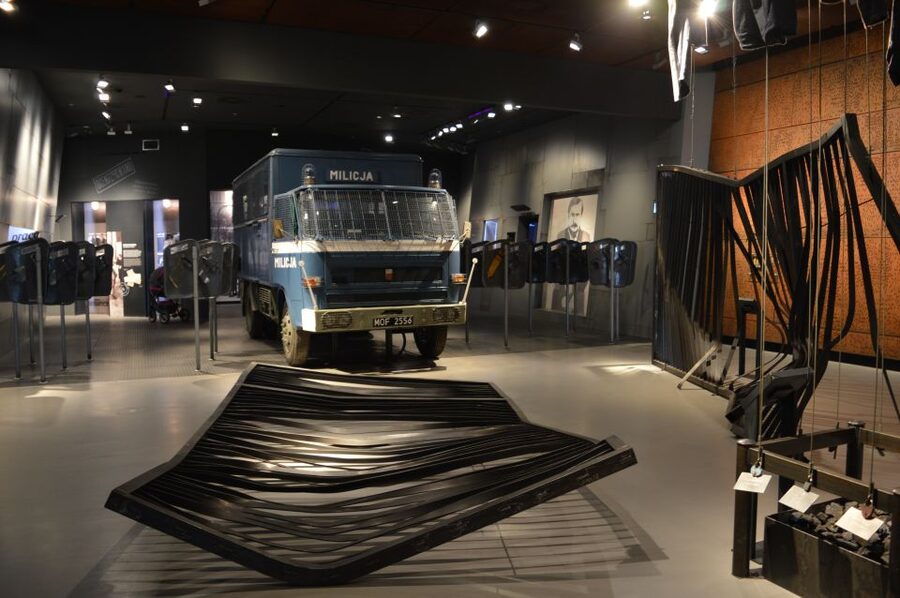
Book it if you want a time-efficient, interpretation-led way to understand Solidarity in Gdansk, from the European Solidarity Centre to Sala BHP and the shipyard. The $184 price is easier to justify when you factor in skip-the-line entry, private guiding, and the included admissions for the 4-hour route.
Skip or rethink it if you’re visiting on a Saturday or Sunday and the shipyard visit is your must-see. In that case, ask yourself whether the European Solidarity Centre alone would still satisfy your goal. If your answer is yes, this tour can still be worth it. If your answer is no, you may want a different date or a different tour format.
Either way, if you care about how ordinary people changed the course of modern history, this one gives you both the documents and the place names you’ll remember.
FAQ
What is the duration of the tour?
The tour is offered in a 4-hour option. (A shorter option also exists, but the details above are for the 4-hour experience.)
What is included with the 4-hour option?
The 4-hour option includes hotel pickup and drop-off in the Gdansk Old Town area within 1.5 km of the meeting point, a private communist-themed tour, European Solidarity Centre skip-the-line entry, entry to Sala BHP and Gdansk Shipyard, and a shot of traditional Polish vodka.
Where do I meet the guide?
Meet your guide under the Monument to the Fallen Shipyard Workers of 1970, Plac Solidarności, 80-001 Gdańsk.
Does the tour offer skip-the-line tickets?
Yes. You get skip-the-line tickets for the European Solidarity Centre.
What languages are available for the guide?
The tour offers live guiding in English, German, Polish, and Russian.
Is pickup available from anywhere in Gdansk?
Pickup is available only in the area of Gdansk Old Town, and only if your accommodation is within 1.5 km from the meeting point. If it is outside that area, the meeting arrangements may change.
Is the Gdansk Shipyard open every day?
No. Gdansk Shipyard is closed on Saturdays and Sundays.
Fresh listings from Gdansk
- Wolf’s Lair and St. Lipka Private Tour from Gdansk★ 4.5 · 5 reviews
- Private WW2 Tour of Westerplatte,Gdansk and Stutthof Including Lunch★ 5.0 · 12 reviews
- 6 Hours Teutonic Castle Tour in Malbork★ 3.5 · 3 reviews
- Westerplatte – 2h private trip by luxury car|★ 5.0 · 4 reviews
- Undercover City Games: Gdynia★ 5.0 · 34 reviews
- Westerplatte private tour led by Expert-Guide (door to door)★ 5.0 · 5 reviews
- Aiport Gdansk Transfer to Malbork Castle or Stutthof★ 5.0 · 3 reviews
- Torun – City of Copernicus Private Tour★ 4.5 · 5 reviews
Nowa Huta & Communism Tours, compared.

Legendary Private Nowa Huta Communism Tour with Crazy Guides
Read our review →
Nowa Huta: Steelworks Administration Buildings/Shelters Tour
Read our review →
Private Tour: Warsaw’s Communist History by Retro Fiat
Read our review →
Private Nowa Huta Adventure Tour in Communist Cars
Read our review →


Browse the lists this tour appears in