
Review · JEWISH HERITAGE TOURS
Warsaw: 2-Hour Tour of Daily Life in the Ghetto Warsaw
Some places hit you fast. This one moves at street level, with real sites tied to ghetto daily life and the story of the Pianist.
I love how the guide turns history into practical daily problems like hunger, illness, and survival choices, not just big dates. I also like the focus on specific, physical remains you can stand in front of, including the last preserved street and the ghetto wall leftovers. The tradeoff is that it is intense, and it is not a light visit, with no special suitability for kids under 12.
In just two hours, you will walk through the parts of Warsaw that still carry the shape of what happened, then you will usually end at the Jewish Museum area. If you want the museum too, plan extra time, because the tour typically runs right up to the start of a deeper, standalone visit.
In This Review
- Key points I’d prioritize
- Walking Warsaw’s Ghetto, at the speed of daily life
- Meeting the tour and settling in fast
- The “last preserved street” and ghetto wall remnants
- The only synagogue that survived, and what that signals
- Mila 18: the bunker and the meaning of a name
- The Footbridge over Chłodna Street, and the Pianist connection
- Umschlagplatz: where the ghetto story changes
- Oneg Shabbat and the Underground Archive, why secret records matter
- The Monument to the Ghetto Heroes and the language of memory
- Jewish Museum area, and planning enough time
- Price, and whether $76 fits the value
- Who this tour suits best
- A few considerations before you go
- Should you book Warsaw’s 2-hour Ghetto Daily Life tour?
- FAQ
- How long is the tour?
- Where do I meet the guide?
- Is the tour walking only?
- What languages are available?
- Is the Jewish Museum included?
- What is included in the price?
- What is not included?
- Is it suitable for children?
- Can I cancel and get a refund?
Key points I’d prioritize
- Only-one-surviving synagogue stop that helps you picture what religious life looked like when everything else was collapsing
- Mila 18 + Footbridge over Chłodna Street locations tied to the main hero’s journey in the Pianist
- Umschlagplatz as the key shift point between confinement and deportation
- Oneg Shabbat and the Underground Archive brought to life through stories of secret documentation
- Monument to the Ghetto Heroes symbolism that explains why memory matters in this neighborhood
- Headsets for groups up to 20 so the story stays clear during walking and transfers
Walking Warsaw’s Ghetto, at the speed of daily life
This tour is short on paper, but it covers a lot of ground. You’re moving through Warsaw by foot and in combination with public transport, which matters because it mirrors how the ghetto was both physically enclosed and socially connected to the rest of the city through movement and control.
What I appreciate is the way the guide frames the ghetto not as a single event, but as a daily system. You get the size of it, the overcrowding pressure, and then the human scale of what that meant: hunger, exhaustion, disease, and the constant threat of being swept up. In other words, you come away with a clearer mental map of how people managed day to day when normal life was gone.
And yes, it is heavy. The guide discusses destruction, indifference, blackmail, and resistance. If you’re sensitive to difficult historical subject matter, I would treat this tour like a serious appointment, not a casual stroll.
More Jewish Heritage Tours in Warsaw
- Warsaw: Warsaw Ghetto Private Walking Tour with Hotel Pickup
★ 4.9 · 369 reviews - Warsaw: Jewish History Guided Walking Tour in English
★ 4.7 · 324 reviews - Private Tour: Warsaw’s Jewish Heritage by Retro Fiat
★ 5.0 · 208 reviews
Meeting the tour and settling in fast
You meet the guide with a sign that says PolinTours. That detail sounds small, but it helps you get oriented quickly once you arrive in Warsaw proper.
Because the tour uses headsets for groups up to 20, you can usually hear the guide clearly while walking between key stops. That’s a real quality-of-life feature, especially on days when streets are noisy or when you end up with a slightly spread-out group.
The guide works in English and German, so you can expect the explanation to be consistent and structured. In the feedback I saw, guides like Marzena are praised for detailed answers and a warm, attentive manner. The common thread there is not just facts, but how they handle questions.
The “last preserved street” and ghetto wall remnants
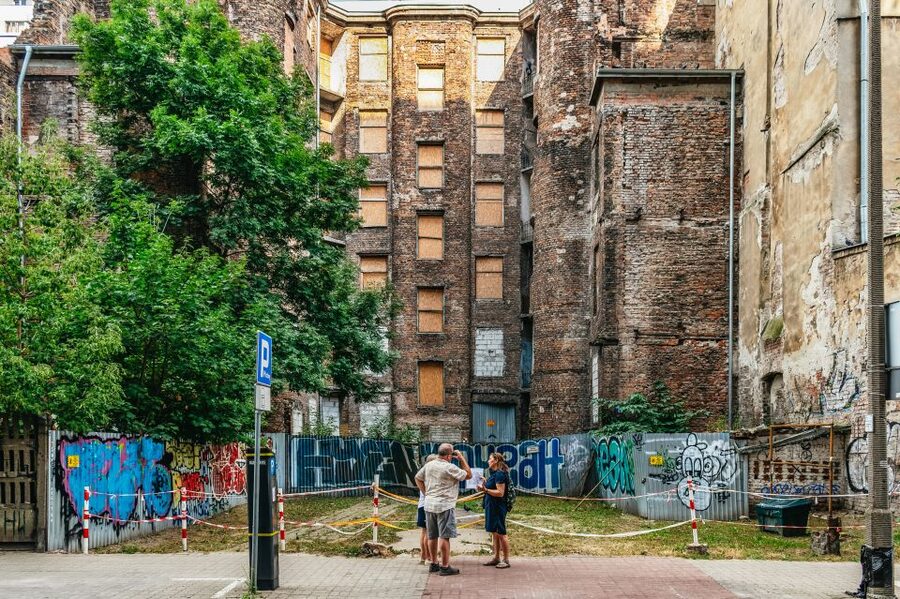
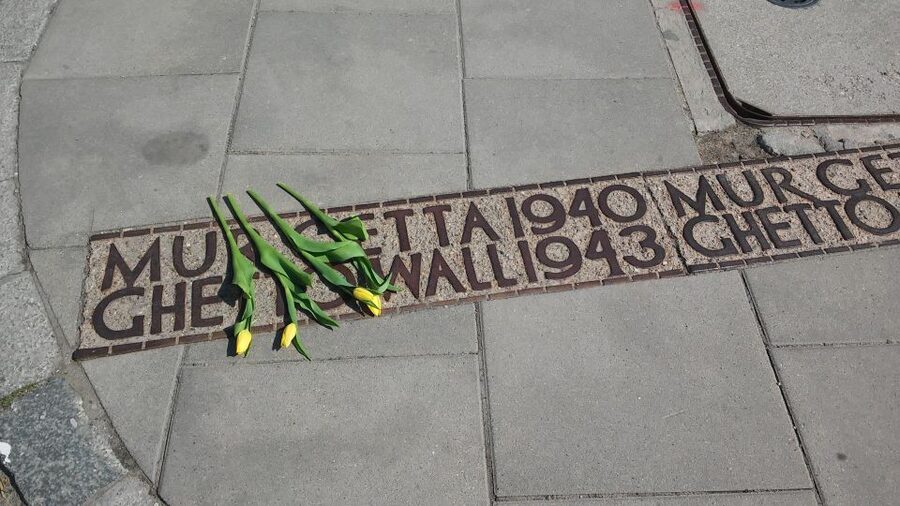
One of the best parts of this tour is that it doesn’t rely only on photos. You explore the remains of the last preserved street of the ghetto and the ghetto walls. Standing near what is left changes the way the story lands in your body.
Why it matters for your understanding: walls and street traces are not just setting. They show you the ghetto’s logic, a tightly managed geography meant to control where people could live and move. When you see leftover outlines, it becomes easier to grasp why confinement was so suffocating, even before the worst phases hit.
Practical note: because the tour is outdoors, wear shoes you can trust. Even a “short” tour can feel longer when you stop often, look carefully, and move between points at a walking pace.
The only synagogue that survived, and what that signals
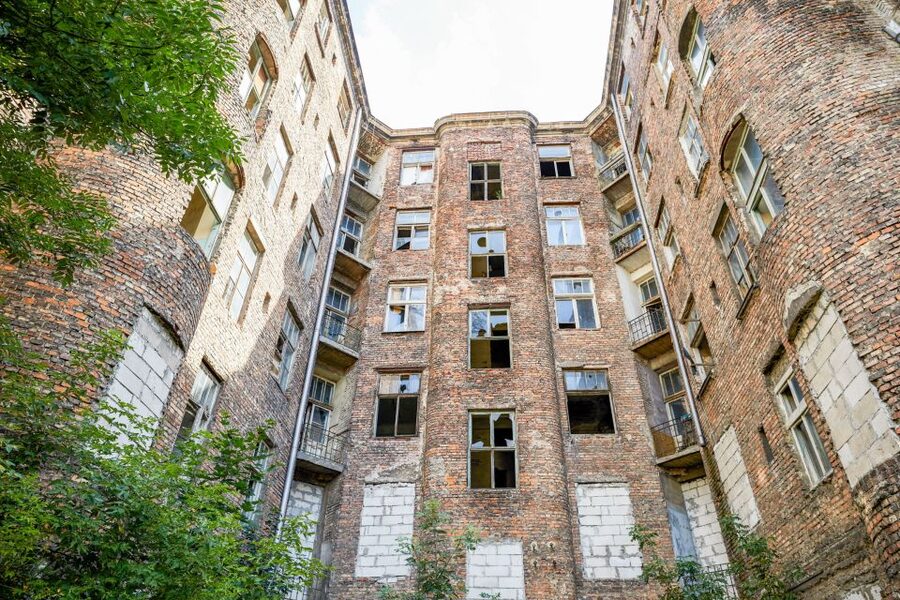
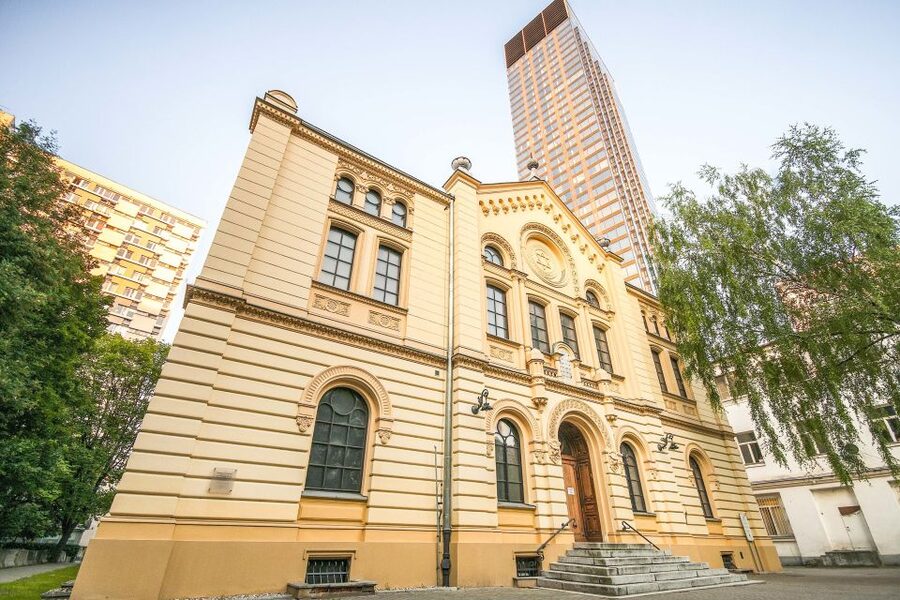
You also visit the only synagogue that survived. That stop gives you something the rest of the tour does not: a reminder that Jewish life was not only about suffering and survival. There was still faith, community routine, and identity, even under crushing circumstances.
I like the way this kind of stop expands the story beyond confinement. It gives you a fuller sense of how people tried to keep meaning alive. You don’t have to agree with every historical interpretation to feel the contrast between what was preserved and what was destroyed.
If you care about architecture or how religious spaces function in everyday life, you’ll likely appreciate this moment more than you expect.
More Jewish heritage walks in Warsaw:
- Warsaw: Ghetto, Jewish Cemetery & POLIN Museum Private Tour
★ 4.8 · 132 reviews - Warsaw: Jewish Heritage & Holocaust Walking Tour
★ 4.7 · 119 reviews - Tour of the Warsaw Ghetto
★ 5.0 · 119 reviews - Jewish Warsaw Walking Tour
★ 5.0 · 95 reviews
Mila 18: the bunker and the meaning of a name
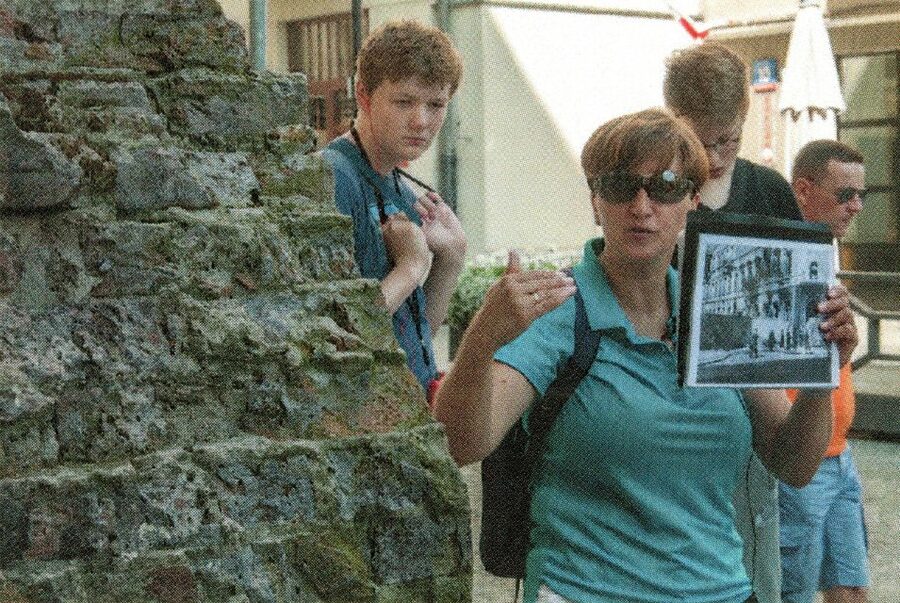
A major stop is the location at 18 Miła Street, known through the stories associated with Mila 18 and the bunker there. This part of the tour gets into why specific addresses became shorthand for courage, desperation, and resistance.
For your takeaway, it’s helpful to understand that the ghetto uprising did not come out of nowhere. The guide explains why the uprising broke out, tying it to Nazi attempts to totally liquidate the ghetto in 1943. When you stand at places connected to hiding and resistance, the uprising stops feeling abstract.
One caution: this section can get emotionally intense. If you want to keep your energy steady, keep water with you if you’re allowed to carry it, and pace your breathing when the guide is describing the hardest parts.
The Footbridge over Chłodna Street, and the Pianist connection
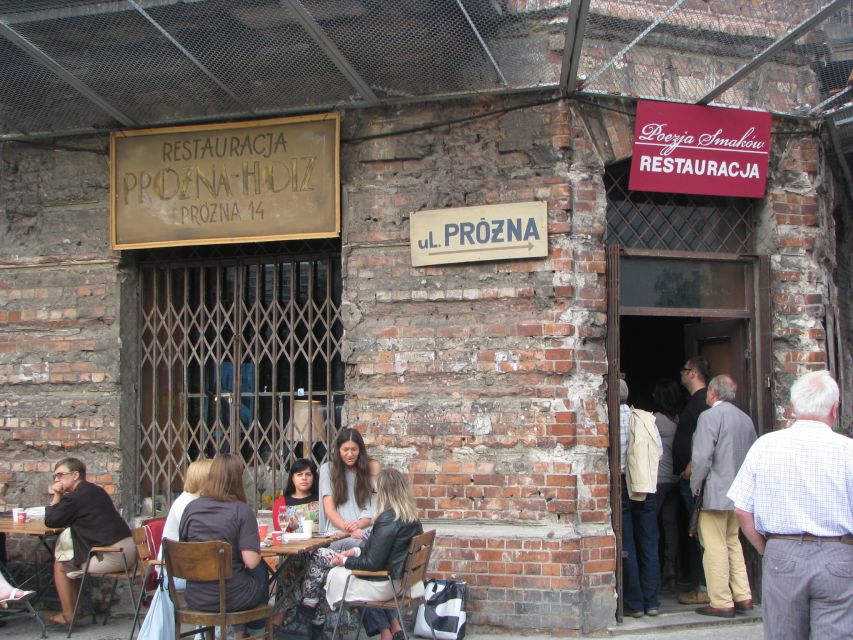
The tour includes a stop at the former location of the Footbridge over Chłodna Street. This is where the tour’s connection to the Pianist becomes tangible.
You’ll see real places related to the main hero of the Pianist by Roman Polanski. Even if you watched the film years ago, standing near the location helps you translate scenes into geography. It’s one thing to remember a story, and another to understand the layout that made escape, movement, and fear possible.
If you’re a film fan, you’ll likely find this section especially satisfying. If you’re not, it still works as a history lesson because it shows how infrastructure and escape routes mattered.
Umschlagplatz: where the ghetto story changes
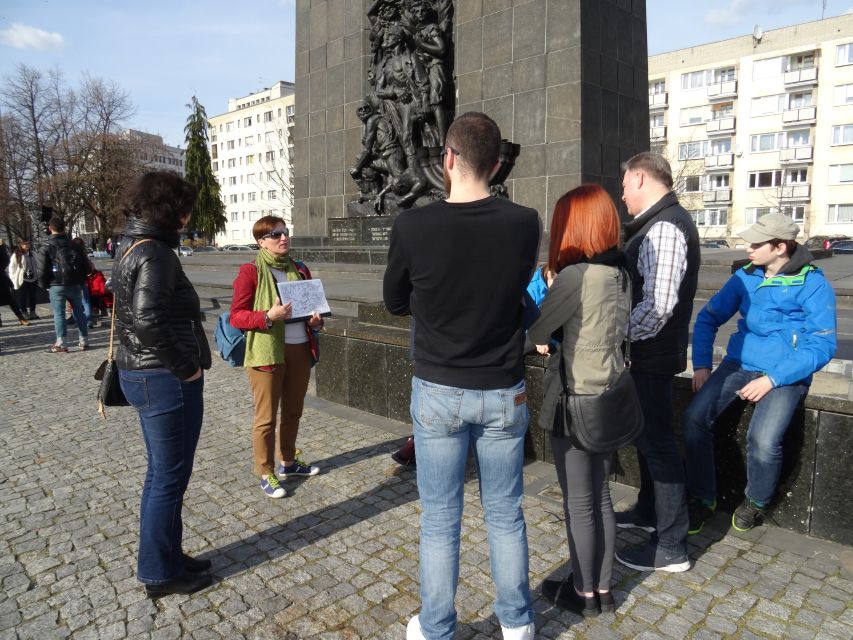
Then comes Umschlagplatz, a name that carries immense weight. This is the point where the tour shifts from everyday life and internal struggle to the machinery of deportation.
The guide explains the scale of what happened here, including the fact that over 300,000 people were sent away to the Treblinka extermination camp. When you hear numbers in a lecture, they can feel distant. When you connect them to a specific location, the story becomes more concrete.
I also like that the tour frames indifference in a way that doesn’t just blame one actor. It talks about the broader system, including how cruelty was normalized and administered. That context matters if you want to avoid only seeing ghetto life as tragedy without structure.
Oneg Shabbat and the Underground Archive, why secret records matter
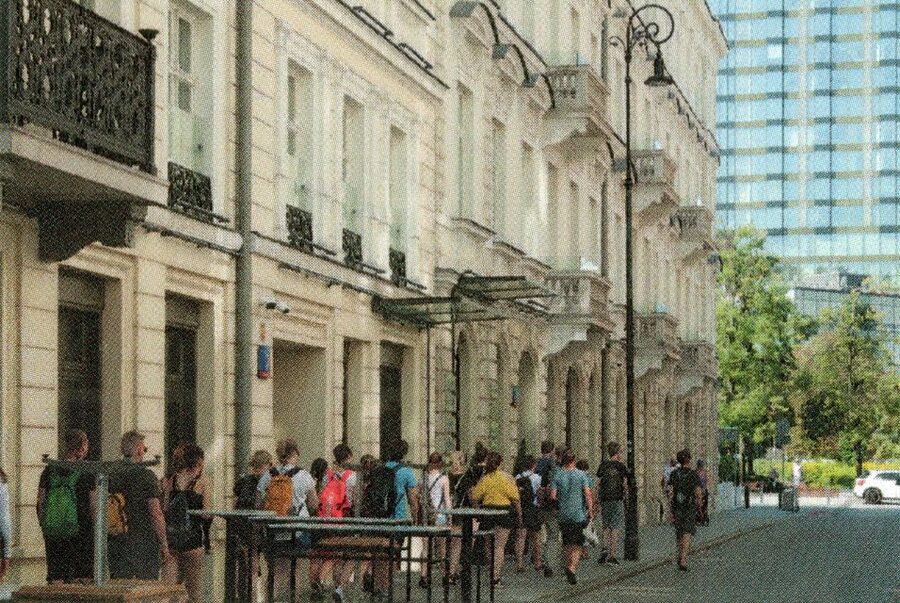
A standout part of the tour is the discussion of the Underground Archive of the Warsaw Ghetto and the secret organization Oneg Shabbat. You learn how documentation of daily life was carried out in secret, and how the archive survived the war in metal cases and milk cans.
That detail is not trivia. It’s a window into priorities under terror. When people risk their lives to record what is happening, they are saying history cannot be erased.
This archive also entered the UNESCO Memory of the World register, which the guide mentions. For you, the practical value is this: you’re not only being told what happened. You’re being shown that someone worked to make sure the record would outlast the destruction.
If you like learning through primary evidence, this stop may become the one you remember most clearly.
The Monument to the Ghetto Heroes and the language of memory
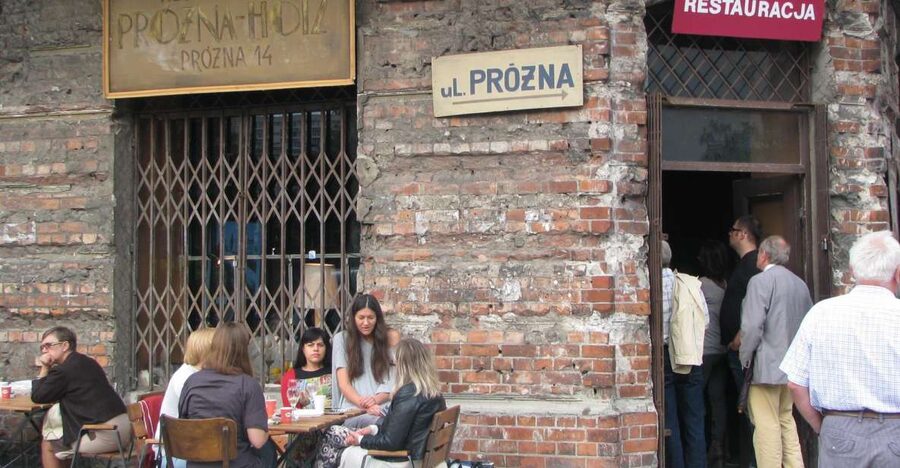
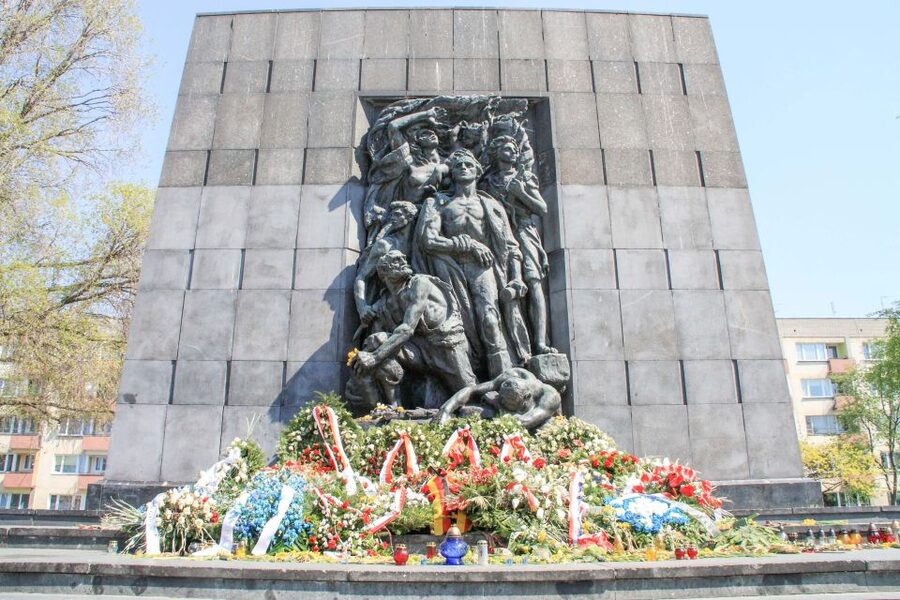
You also learn about the symbolism of the Monument to the Ghetto Heroes. Monuments can turn into background noise, especially in places where you see many memorials. Here, the guide helps you read it.
Why that helps: a monument is never just an object. It’s a message about what a community wants future generations to understand. When you connect symbolism to the uprising, to resistance, and to the goal of preserving memory, the monument stops being static and becomes part of the storytelling.
Jewish Museum area, and planning enough time
The tour usually ends at the Museum of the History of Polish Jews. If you want to go in, the best advice is simple: plan extra time.
You’ll likely be offered entrance options during the tour, and it makes sense to use that momentum. The core exhibition can take at least 2.5 hours, and audio guides are available in English and other languages. The museum hours listed are:
- Monday, Wednesday, Thursday, Friday, Sunday: 10:00 am to 6:00 pm (last entrance 4:00 pm)
- Tuesday: closed
- Saturday: 10:00 am to 8:00 pm (last entrance 6:00 pm)
Even if you feel museum fatigue, consider doing just a focused portion. With this tour fresh in your head, the museum hits harder and lands with more meaning.
Price, and whether $76 fits the value
At $76 per person for a 2-hour tour, the price is not cheap, but it also isn’t random. You’re paying for a licensed guide, plus headsets for groups up to 20. You’re also paying for a tightly focused route through high-signal stops, not generic sightseeing.
What affects value on the ground: entrance fees are not included, and public transport tickets are not included. Lunch is also not included. If you plan to enter the Jewish Museum, that’s a separate cost you should budget for.
Still, if you want context and interpretation, a guided format is usually worth it in a place like this. You get the sequencing, the connections between locations, and the meaning of terms like Oneg Shabbat and the Underground Archive.
If you prefer to travel in silence and read on your own, you might question the cost. If you want a guide who can explain how the pieces fit, you’ll likely feel the money goes toward clarity.
Who this tour suits best
This is a history-focused walk that works best if you want a guided understanding of daily life in the Warsaw Ghetto. It is not tailored for young kids, since it is not suitable for children under 12.
It also makes sense for:
- Adults who want a compact, structured route through major sites
- Film fans of the Pianist who want the geography behind the story
- People who care about how secret documentation preserved memory
If you are short on time but still want the big anchor points, the 2-hour format is a useful entry ticket. If you’re planning a full Jewish quarter day, you can pair this with extra time at the museum.
A few considerations before you go
Because the tour involves walking and public transport, it can be tiring if you dislike transfers or long standing periods. The good news is that the tour is only two hours, so it stays bounded.
Also, there are rules. Pets are not allowed. Oversize luggage and large bags are not allowed. Smoking is not allowed, and alcohol and drugs are not allowed. If you travel with a bigger backpack, plan to travel light.
Finally, remember what you are doing: you will hear stories about exhaustion, hunger, disease, and the violence that followed. You might be physically fine and still emotionally affected. That’s normal. Give yourself a gentle buffer after the tour.
Should you book Warsaw’s 2-hour Ghetto Daily Life tour?
I’d book this tour if you want a guided path through the ghetto’s physical remnants, plus clear context about daily life and the uprising. The combination of street traces, wall leftovers, the surviving synagogue, Mila 18, the Footbridge over Chłodna Street, Umschlagplatz, and the documentation story behind Oneg Shabbat makes the route feel purposeful.
I would skip or postpone it if you want a casual, upbeat activity or if you need something kid-friendly. Also, if you cannot handle heavy historical topics, this one may not be the right fit.
If you do book, bring good walking shoes and plan museum time if you can. The real win here is that the guide helps you connect locations into a coherent story, so you don’t just see the past, you understand it.
FAQ
How long is the tour?
The tour lasts 2 hours.
Where do I meet the guide?
Meet the guide at the meeting point with a PolinTours sign.
Is the tour walking only?
No. The tour is conducted by foot in combination with public transport.
What languages are available?
The live tour guide is available in English and German.
Is the Jewish Museum included?
Entrance fees are not included. The tour usually ends at the Jewish Museum, and entrances to the sites or a guided Jewish Museum visit may be offered.
What is included in the price?
The price includes a licensed tour guide and head sets for groups up to 20 PAX.
What is not included?
Entrance fees, public transport tickets, and lunch are not included.
Is it suitable for children?
It is not suitable for children under 12.
Can I cancel and get a refund?
Yes. Free cancellation is available up to 24 hours in advance for a full refund.
Fresh listings from Warsaw
- World War II Warsaw Old Town, Military Cemetery Walking Tour★ 4.7 · 3 reviews
- 3-hour: Palace of King Jan Sobieski in Wilanow/inc. Pick-up/★ 4.7 · 27 reviews
- Wilanów Palace: 2-Hour Guided Tour with Entrance Tickets★ 4.8 · 8 reviews
- Warsaw: Wolf’s Lair & Swieta Lipka Small-Group Tour + Lunch★ 5.0 · 3 reviews
- Warsaw Zoo Skip-the-Line Entry Ticket with Private Transport★ 4.8 · 3 reviews
- Warsaw Private Wilanow Palace & Garden Tour★ 4.6 · 30 reviews
- 4 hour: Warsaw Uprising Museum and POLIN Museum/inc.Pick up/★ 4.9 · 4 reviews
- Warsaw Wolf’s Lair with St. Lipka and Mamerki Private Guided★ 4.2 · 3 reviews
Jewish Heritage Tours, compared.
Bike Tour of Old Town, Jewish Quarter and the Ghetto
Read our review →
Kazimierz, Schindler’s Factory & Ghetto Guided Tour
Read our review →
Full Bike Tour – the Old Town, Jewish Qtr & the Ghetto NEW BIKES
Read our review →
Warsaw Ghetto Private Walking Tour with Hotel Pickup
Read our review →
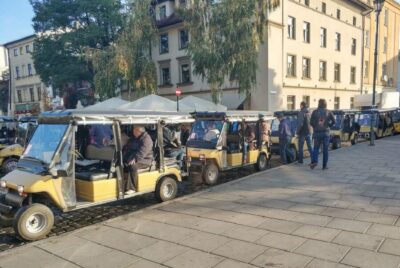
Jewish Quarter and Ghetto Electric Golf Cart Tour
Read our review →Browse the lists this tour appears in