
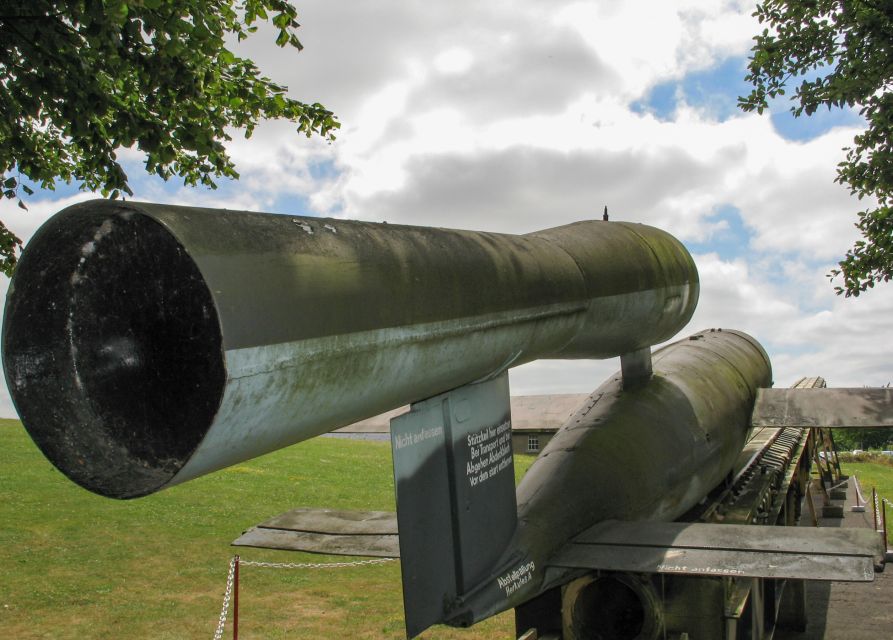
Review · CONCENTRATION CAMP MEMORIAL TOURS
Wroclaw: Day of WW2: Riese, Gross-Rosen, Ksiaz Castle
A hidden WWII world waits outside Wrocław. This day trip strings together the Riese underground works at Osówka, the Gross-Rosen concentration camp complex, and Ksiaż Castle, so you see how one landscape held multiple layers of Nazi power. I love the small group size of up to 8, and I also like that you get both a live English guide and audio in English, German, and Russian.
One possible drawback is the Riese stop. The English audio can be a bit hard to follow, and the flow may feel uneven compared with the other two sites.
This is a 10 hour outing with hotel pickup and drop-off in Wrocław, using private vehicle transport and a driver who can help keep the day running smoothly.
In This Review
- Key highlights that make this tour worth your time
- Riese, Gross-Rosen, and Ksiaż in one tight 10 hour loop
- Osówka Complex and the Riese underground city: where secrets are still only partly explained
- Gross-Rosen concentration camp at Rogoźnica: understanding the system behind the quarries
- Ksiaż Castle and Hitler’s headquarters beginnings: the cliff, the forest, and the politics
- The guide, the small group, and the audio mix that can make or break the day
- Timing and logistics from Wrocław: how to plan your day like a pro
- Price and value: is $279 per person a fair deal?
- Should you book the Riese, Gross-Rosen, and Ksiaż tour?
- FAQ
- How long is the tour?
- Where do you meet the guide?
- Do I get hotel pickup and drop-off?
- What languages are available during the tour?
- How large is the group?
- What is included in the price?
- Can I cancel for a refund?
Key highlights that make this tour worth your time
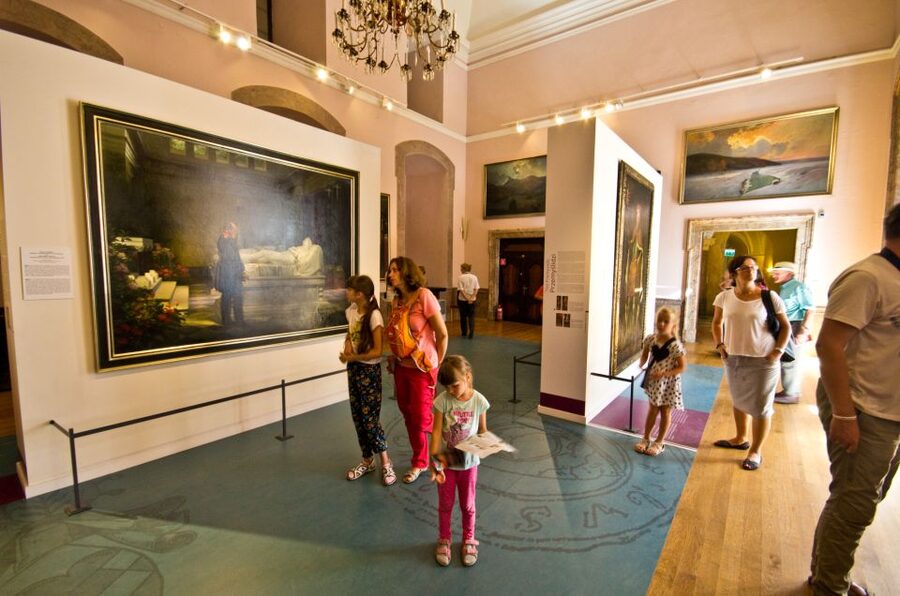
- Osówka Complex under the Riese code name, linked to major Nazi building plans from 1943 to 1945
- The underground city mystery, where not all secrets have been revealed
- Gross-Rosen in Rogoźnica, the largest Nazi-German concentration camp in Lower Silesia
- Hard-labor quarry conditions, tied to the motto Vermichtung durch Arbeit
- Ksiaż Castle on a rock cliff above the Pelcznica River, called the Pearl of Lower Silesia
Riese, Gross-Rosen, and Ksiaż in one tight 10 hour loop
If you want a “big picture” day without wasting time on planning, this route is built for you. You leave Wrocław with pickup at your hotel or apartment, then spend the day working through three major WWII-related locations in Lower Silesia: Osówka for the Riese project, Gross-Rosen for the camp, and Ksiaż Castle for the Nazi headquarters start point.
The small group format matters more than it sounds. With a group limited to 8, you get better chances to ask questions and keep up when the guide is explaining tricky connections between sites and dates. It also helps when you switch between different kinds of spaces, from outdoor quarries and memorial areas to castle grounds and the peculiar geometry of underground structures.
The emotional tone of these stops is serious, so I recommend you go in with a calm pace and realistic expectations. This is not a casual sightseeing crawl. You’re looking at places where the Nazi system left deep scars, and the value here is in the context you get, not in quick photos.
More memorial site visits:
- Wroclaw to Project Riese and Gross Rosen Museum – WW2 Tour including tickets
★ 5.0 · 13 reviews - Gdansk: Stutthof Concentration Camp Regular Tour
★ 4.7 · 361 reviews - From Warsaw: Guided Tour of Treblinka Camp
★ 4.7 · 85 reviews
Osówka Complex and the Riese underground city: where secrets are still only partly explained
Osówka is part of the Nazi building project code named Riese, active between 1943 and 1945. The centerpiece is the mysterious underground city, a set of works tied to Nazi ambitions, where not all secrets have been uncovered yet. That “not fully revealed” detail is important because it sets expectations: you’re seeing a complex that still resists a neat, complete story.
What I like about this stop is how it connects place to purpose. The Riese project wasn’t random digging, and the tour frames it as a planned operation. You’re also shown the place where a secret movement against the Nazis was born, which adds a layer of resistance history to the same region that Nazi engineers were trying to control.
Practical note: underground spaces can be visually tricky. Even with audio, some people find that the information pacing at the Riese site can be tough to track, especially if you’re relying mostly on English audio. My advice is simple: don’t multitask. Keep your attention on what the live guide is pointing out in front of you, then use the audio for reinforcement rather than as your main source.
Gross-Rosen concentration camp at Rogoźnica: understanding the system behind the quarries
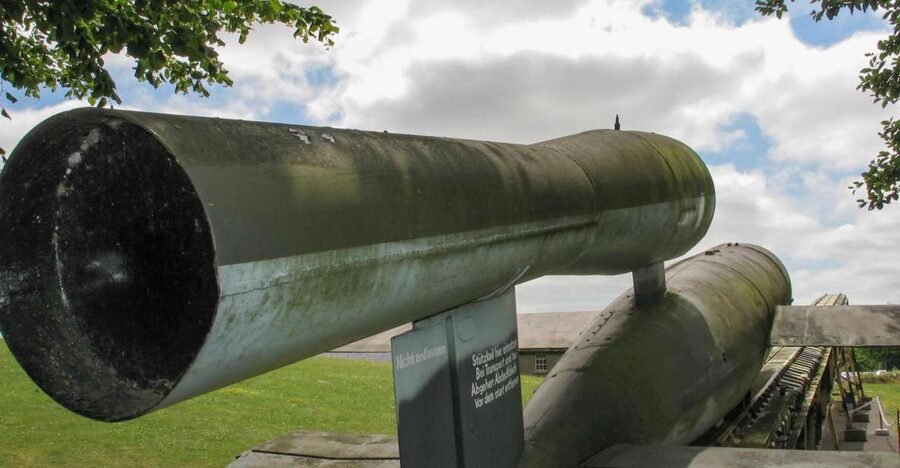
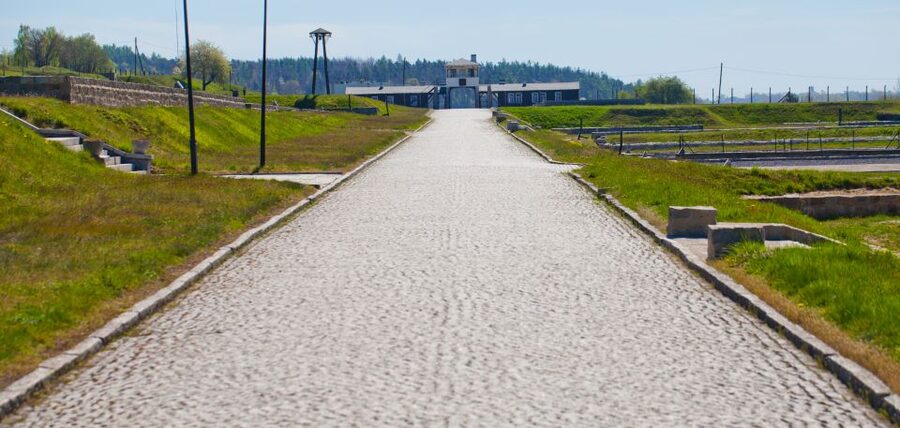
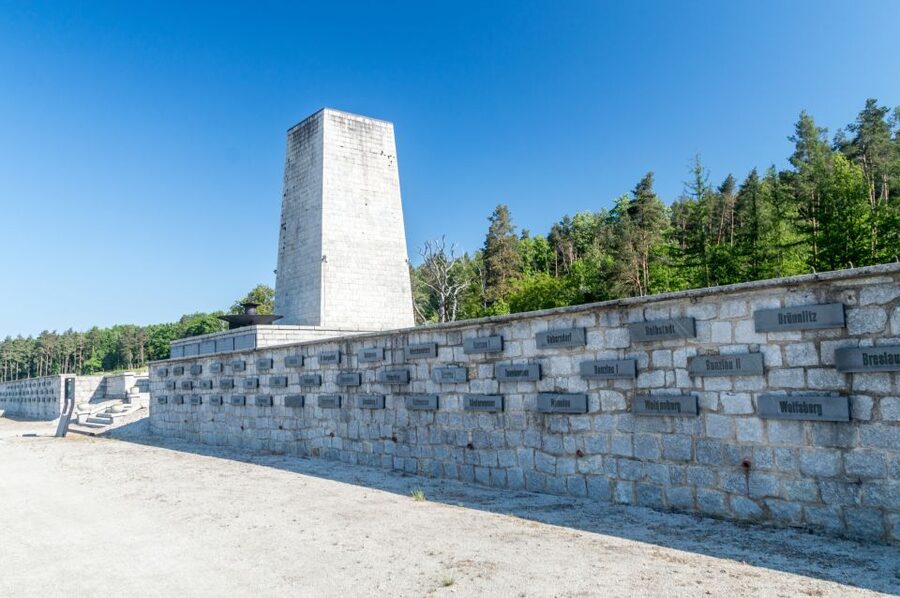
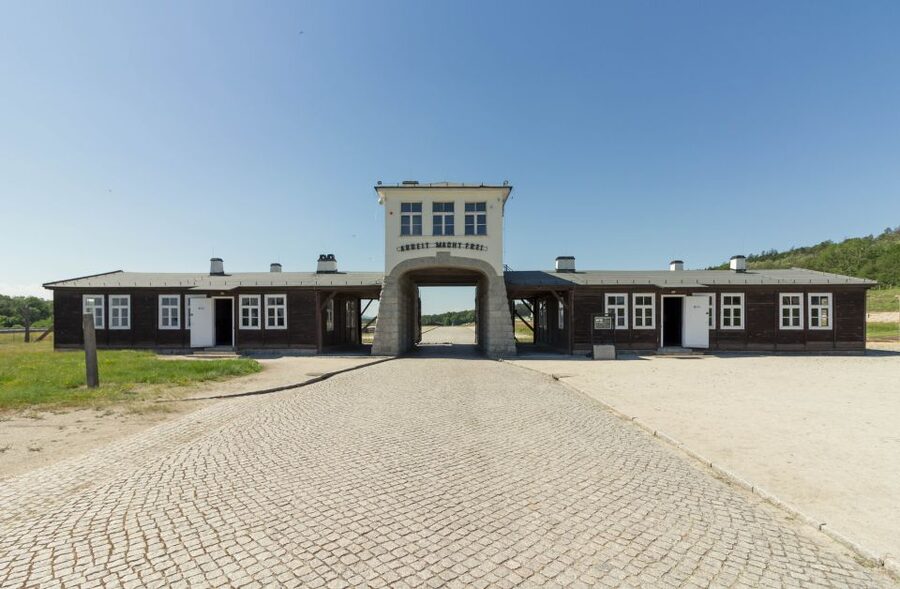
Gross-Rosen in Rogoźnica is the largest Nazi-German concentration camp in Lower Silesia. It’s known for harsh conditions and penal labor in quarries, which means the industrial landscape is part of the story, not just the background.
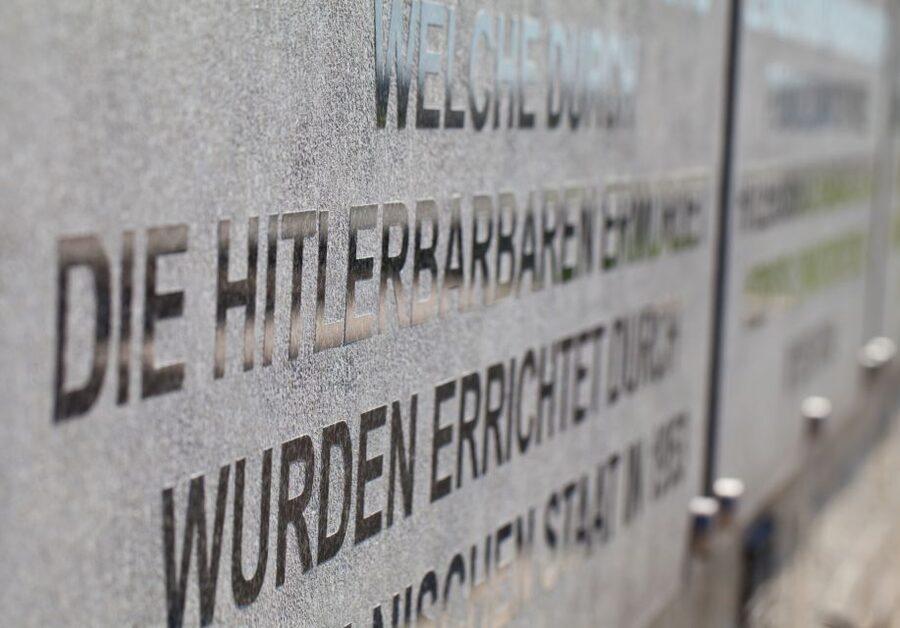
The tour gives you the camp’s motto, Vermichtung durch Arbeit (annihilation through work). That phrase is not just wording. It captures the twisted logic of a system designed to exhaust prisoners through forced labor, under brutal conditions, while the Nazi state treated that suffering as an operational goal. The camp’s scale also matters: around 40,000 prisoners died here, including Poles, Jews, Russians, French, and Hungarians.
This is one of those stops where good guiding changes everything. The value of a guided day trip is that you’re not left alone to interpret symbols, layouts, and memorial areas. When you visit a place like Gross-Rosen, it helps to have a guide connect the physical spaces to the history, especially if you want to understand how this camp fit into the broader Nazi machine.
From a comfort standpoint, expect uneven terrain and a lot of standing. Quarry-related areas and memorial spaces tend to be exposed, so wear comfortable shoes and plan for a slower pace than you’d use at a castle museum.
Ksiaż Castle and Hitler’s headquarters beginnings: the cliff, the forest, and the politics
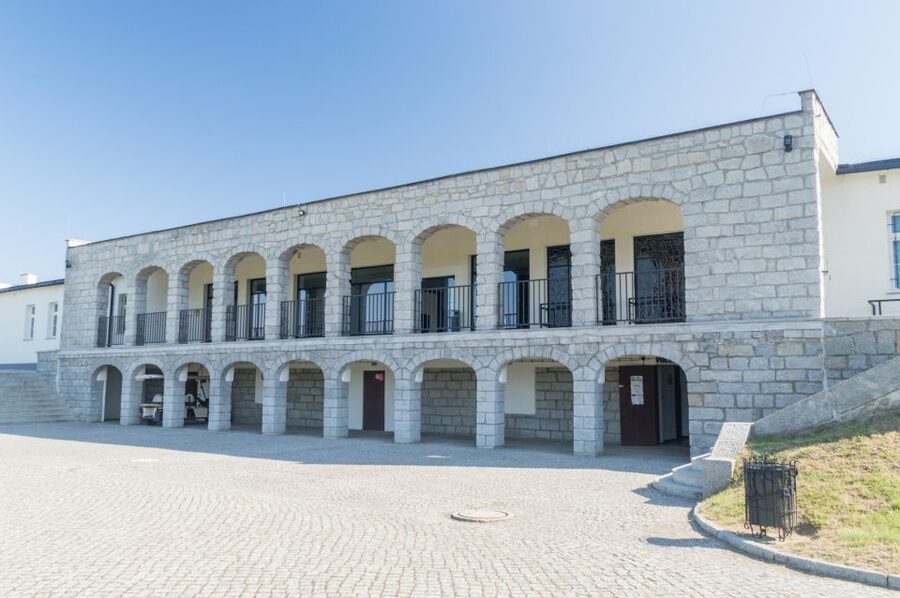
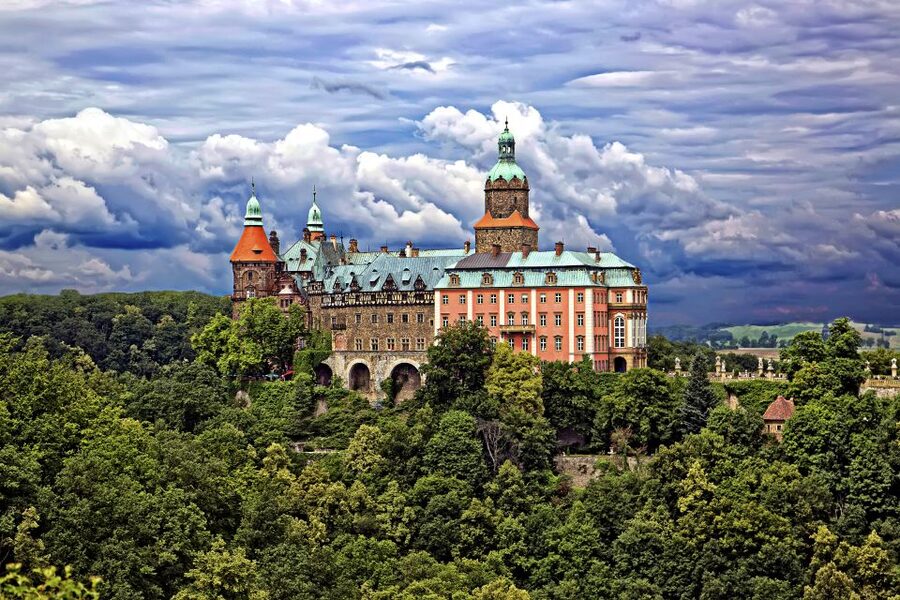
Ksiaż Castle sits on a dramatic rock cliff by the Pelcznica River. It’s listed as the third-biggest castle in Poland, at about 395 meters above sea level, and it’s surrounded by forest. The tour also calls it the Pearl of Lower Silesia, and once you see the setting, you understand why people remember the silhouette even if the story is uncomfortable.
Here’s the key historical angle: in 1943 Hitler’s paramilitary organization began building one of his main quarters. The tour connects this castle area to other Riese complex objects near Osowka and Wlodarz, describing how these planned structures played a crucial role. In other words, Ksiaż isn’t just a pretty cliffside castle stop. It’s framed as an operational center in the wider Nazi blueprint.
What to watch for at the castle is the contrast between the architecture and the intent behind it. A big stone fortress on a cliff can feel like pure spectacle, but the tour steers you toward how the Nazi project used existing power and prestige locations to build something more sinister.
Also, the castle is a good checkpoint after the camp stop. Gross-Rosen is hard in both content and atmosphere. Ksiaż gives you a different type of historical reading, more about planning and power structures than immediate physical evidence of camp life.
A few more Wroclaw outings to weigh up
- Wroclaw: E-Car Tour and Audio Guide
★ 4.6 · 1,738 reviews - Wroclaw: 2-Hour Private Guided Tour by Electric Car
★ 4.8 · 805 reviews - Wroclaw: Ticket for Old Town Boat Cruise
★ 3.9 · 361 reviews - Wrocław: Old Town and Ostrów Tumski Walking Tour in English
★ 4.8 · 311 reviews
The guide, the small group, and the audio mix that can make or break the day
This tour runs with a live English guide, and it includes audio guides in English, German, and Russian. That combination can be a strong advantage because it lets you check your understanding if a detail doesn’t land the first time. It also gives flexibility if you want to follow along during driving, not only at each stop.
Small-group size is one of the most praised parts of this experience, and it shows in how the day is paced. With fewer people, the guide can slow down when something needs translation into plain language. You’re also less likely to get stuck behind a crowd when moving between viewpoints, memorial spaces, and castle grounds.
One more detail worth knowing: the guide is often paired with a smooth driver experience. In the material I reviewed, a driver named Jakub was good at fielding questions and even sharing restaurant recommendations for after the tour. You can borrow that strategy even if your day is different, ask your driver where locals eat nearby, and you’ll make your evening plans easier.
If you’re the kind of person who listens closely to audio tracks, keep your expectations realistic at Osówka. The Riese underground section may not feel equally clear in English audio compared with Gross-Rosen and Ksiaż. Use the live guide as your anchor, then let audio fill gaps.
Timing and logistics from Wrocław: how to plan your day like a pro
This is a 10 hour experience, with pickup and drop-off from your Wrocław hotel or apartment. That makes it easier for you to avoid transport headaches, especially if you’re not driving. It also means your time inside the car is part of the learning curve, because the guide and audio help connect the dots between sites.
Because the day is long, I recommend you treat it like a full-day visit rather than a quick excursion. Bring a layer, especially if the weather shifts between river areas, forest edges, and quarry-adjacent spaces. And plan your pace, you’ll be walking and standing more than you might expect from a “three stops only” description.
One small strategy: if you care about maximizing understanding, arrive with at least basic WWII context in your head. You don’t need a textbook, but having the timeline mentally organized helps the Riese project, the camp system, and the castle HQ building make sense as parts of one era.
Price and value: is $279 per person a fair deal?
At $279 per person, you’re paying for a full day that includes private vehicle transport, hotel pickup and drop-off in Wrocław, live English guiding, audio guides in multiple languages, and trip insurance. That’s not just “admission tickets.” It’s time, specialized interpretation, and driving between three separate sites across Lower Silesia.
The value gets clearer if you compare the effort. Doing this kind of route on your own means coordinating transport and paying for whatever guide help you can find at each stop. Here, you get one through-line: a guided narrative that connects Riese, Gross-Rosen, and Ksiaż instead of leaving you to piece things together in fragments.
Is it expensive? In a simple “cost only” sense, sure. But for people who want a single-day plan that feels organized and informative, the price starts making sense. The small group cap also reduces the chance you get stuck with a large crowd experience.
Should you book the Riese, Gross-Rosen, and Ksiaż tour?
I’d book this if you want a structured WWII day with three major Lower Silesia sites and a live English guide who helps connect the dots. This is especially a good fit if you like history explanations you can follow without needing to constantly research on your phone between stops.
I’d think twice if you know you struggle with audio guidance and you need every detail to be crystal clear in English. The Riese underground city section can be uneven in English audio, so you’ll want to lean on the live guide and accept that some mysteries stay unresolved.
If you’re the kind of traveler who likes a smooth run, this tour is built to do that. With pickup from your place in Wrocław, private transport, and a small group, it’s designed for people who want real context, not just a checklist.
FAQ
How long is the tour?
The tour lasts 10 hours.
Where do you meet the guide?
The meeting point is your hotel or apartment in Wrocław.
Do I get hotel pickup and drop-off?
Yes. The tour includes hotel pick-up and drop-off from Wrocław.
What languages are available during the tour?
The live tour guide is available in English. Audio guides are included in English, German, and Russian.
How large is the group?
The group is small, limited to 8 participants.
What is included in the price?
The price includes all taxes, fees and handling charges, a fuel surcharge, a driver or pilot, hotel pickup and drop-off from Wrocław, transport by private vehicle, and trip insurance.
Can I cancel for a refund?
Yes. You can cancel up to 24 hours in advance for a full refund.
Fresh listings from Wroclaw
- Wrocław: World War II and the non-existent city of Breslau★ 3.6 · 3 reviews
- Wrocław University: Tour with Audio Guide & Admission★ 4.8 · 45 reviews
- Wroclaw : Walking Custom Tour with a Local Guide★ 4.8 · 3 reviews
- Wroclaw To Church of Peace and Project Riese Tour★ 4.8 · 4 reviews
- Wroclaw: Spy-Themed Walk & Game with Host★ 4.6 · 14 reviews
- Wroclaw: 3-Hour Bike Tour in English or Polish★ 4.8 · 66 reviews
- Wroclaw: Solar Catamaran Cruise on the Odra River★ 4.8 · 9 reviews
- Wroclaw: Secrets of Wroclaw Walking Tour (2 hours)★ 5.0 · 14 reviews
Concentration Camp Memorial Tours, compared.
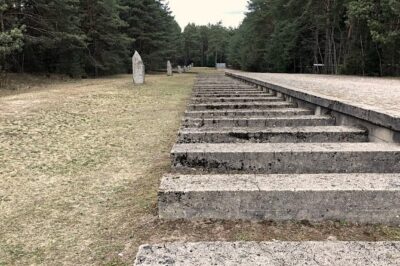
Treblinka Death Camp 6 Hour Private Tour from Warsaw
Read our review →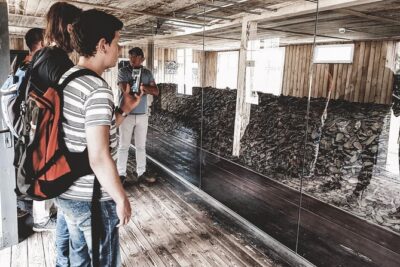
Stutthof Concentration Camp English Tour with Gdansk Hotel pickup
Read our review →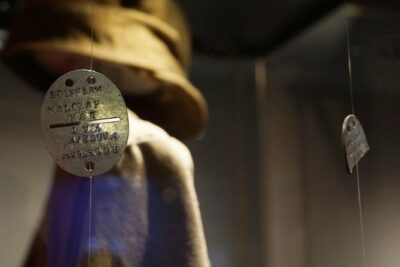
Majdanek Concentration Camp & Lublin Full Day Private Tour from Warsaw
Read our review →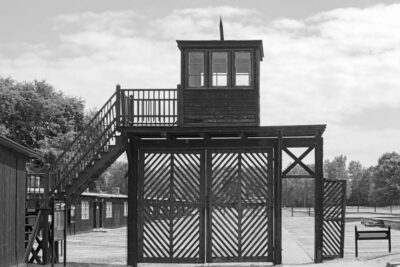
Stutthof Concentration Camp Private Tour with Transport
Read our review →
Half Day Treblinka Death Camp Small Group Tour from Warsaw with Lunch
Read our review →
Browse the lists this tour appears in