
Review · AUSCHWITZ-BIRKENAU TOURS
Auschwitz-Birkenau: Guided Tour with Fast Track Ticket
Auschwitz and Birkenau are not easy. They are also one of the most important guided visits you can make, with fast-track entry and a small group format. You get clear, structured context for the Holocaust and the Nazi concentration camp system as you move between Auschwitz I and Auschwitz II-Birkenau.
I like how the experience is built around two camp sites, so you do not just tick off one memorial. I also like the hands-on guidance from certified staff, including time with a local guide at each camp in your chosen language.
One thing to think about: you should expect a memorial-paced visit, and even with fast-track tickets there can still be waiting, sometimes up to 15 minutes. Add in the strict rules on bags and clothing, and you will want to be ready before you arrive.
In This Review
- Key things to know before you go
- Fast-track tickets: what they really buy you
- Where the tour starts and how you get your tickets
- The small-group advantage at Auschwitz and Birkenau
- Auschwitz I: the beginning of the system you must understand
- Auschwitz II-Birkenau: scale, arrival, and the railway ramp
- UNESCO World Heritage and why the guide matters
- Language options and what happens if your group language is too small
- Getting the most out of a 3 to 7 hour day
- Practical rules that can trip you up: bags, IDs, and clothing
- Price and value: is $69 a good deal?
- Should you book this Auschwitz-Birkenau guided tour?
- FAQ
- How long is the Auschwitz-Birkenau guided tour?
- Does the tour include fast-track entrance?
- Will I be able to choose the tour language?
- Where do I meet the host and get the tickets?
- Is transport from Krakow included?
- What should I bring to enter the memorial?
- Are bags allowed inside the museum?
- Is the tour refundable if I cancel?
Key things to know before you go
- Fast-track entry helps, but it does not mean zero waiting (plan for up to about 15 minutes).
- You visit both Auschwitz I and Auschwitz II-Birkenau, so the story connects across sites.
- Small-group format keeps the tour more manageable than the big crowds.
- Certified guidance in multiple languages, with English available if your language group is too small.
- A short 10-minute break keeps the schedule human, even on heavy subject matter.
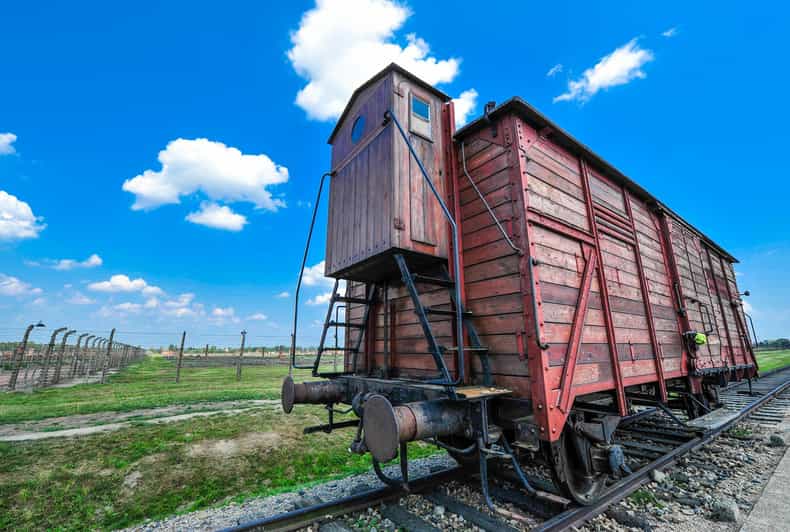
- Birkenau’s railway ramp remains give you a stark sense of how prisoners arrived.
Fast-track tickets: what they really buy you
Let’s talk about the one thing most people care about at Auschwitz: time. This tour gives you fast-track entrance with pre-booked tickets, and that means you skip the main ticket line. In practice, you are usually moving sooner than if you bought tickets on arrival, which matters because the site can get crowded.
Still, fast-track is not a magic wand. You can still hit waiting times of up to 15 minutes once you enter the visitor flow. That is not a failure of the operator, it is how the memorial manages access. Your best move is simple, show up on time, and treat the schedule like it is real. When you do that, you get the payoff: more of your limited hours go to the tour itself.
The other timing reality is that the memorial sets the pace. You are not in full control of how long you spend in each area, even if you have booked a set-duration tour. The operator guides you through what is available, then the site’s visitor service determines how the visit moves.
More Auschwitz-Birkenau visits:
- Auschwitz-Birkenau Skip-the-Line Guided Tour
★ 4.3 · 4,815 reviews - Auschwitz-Birkenau: Skip-the-Line Entry Ticket & Guided Tour
★ 4.4 · 3,052 reviews - Auschwitz-Birkenau Skip-the-Line Ticket and Guided Tour
★ 4.4 · 1,241 reviews
Where the tour starts and how you get your tickets
Your tour starts at a meeting point that can vary depending on what option you book. Once you arrive, an English-speaking host gives you your tickets. This is one of those small details that makes a big difference. It reduces the first-stress moment of the day when you are dealing with crowds, signage, and last-minute questions.
If you choose the option with transport from Krakow, you also get a driver to handle the trip. That is a practical win, because getting to Auschwitz and Birkenau on your own can turn into a time sink. You spend less mental energy on logistics and more on being present when you arrive.
Do not assume the meeting spot will feel obvious. Some people find it tricky to locate their guide because the area can be busy and the markings may not be dramatic. My practical advice: arrive a few minutes early, double-check your ticket details, and keep your phone charged. If you are running late, try to correct it fast, because the tour must keep moving once the group is formed.
The small-group advantage at Auschwitz and Birkenau
This is set up as a visit with a small group, and you will feel it. A smaller group can mean less time lost to crowd-control shuffles. It also helps the guide manage pace while still answering real questions.
At the same time, you should expect a guided structure, not free roaming. The guide is there to connect details into a timeline, explain what you are seeing, and help you understand why certain locations mattered. The tour includes a guide at each camp, and the guide language is based on what you pick during booking, with English used if the specific language group does not meet minimum numbers.
A useful detail from past guides’ styles: clear, confident interpretation helps a lot when the subject is so heavy. If your guide is someone like Martin, for example, the experience can feel both organized and emotionally honest, without turning it into a cold script. Even with a more human delivery, you still get the serious facts, just presented with clarity.
Auschwitz I: the beginning of the system you must understand
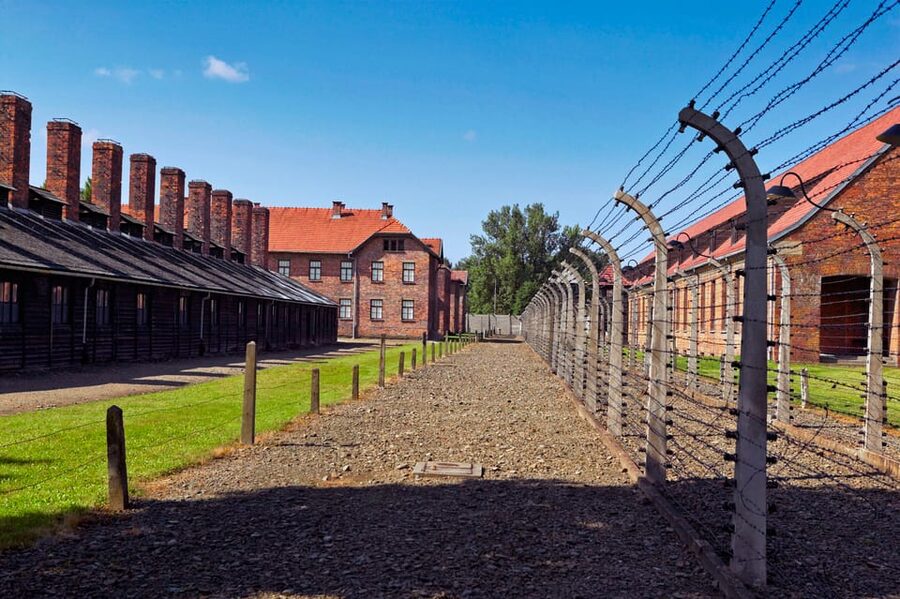
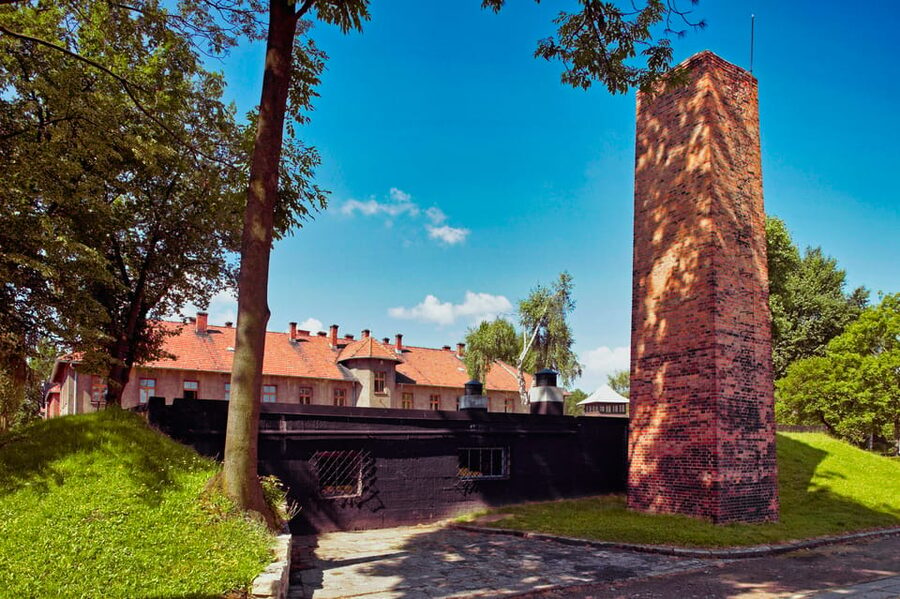
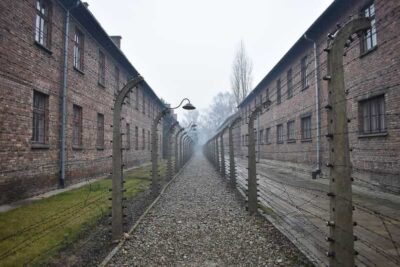
Auschwitz I is where the site shows you the origins and early structure of what became a vast machine of terror. This is not a place built for casual wandering. You will move through museum areas and memorial buildings while your guide connects the physical layout to the historical reality.
What I like about Auschwitz I in a guided format is the way the guide helps you orient yourself. Even if you have read something before, seeing the prison blocks and learning how the camp operated can make the system click into place. You also start to understand the difference between propaganda, rumor, and documentation, and why the memorial focuses on evidence.
From the tour description, you will also see remnants and preserved features linked to the Nazi concentration camp system, with a focus on major sites of incarceration and killing. Auschwitz I helps frame why later developments at Birkenau were so deadly and so industrial. Think of it as the explanatory half of the journey, the part that helps you understand how Auschwitz became what it became.
A good guide makes the difference here. A strong interpretation keeps you from getting lost in individual buildings and instead helps you grasp the overall system, including how different groups were targeted, including Poles, Romas, and others.
A few more Oswiecim outings to weigh up
- Auschwitz-Birkenau: Skip-the-Line Entry Ticket & Guided Tour
★ 4.4 · 1,038 reviews - Auschwitz-Birkenau: Guided Tour and Skip-The-Line Ticket
★ 4.4 · 215 reviews - Krakow: Auschwitz-Birkenau Private Guided Tour
★ 4.1 · 172 reviews - Auschwitz-Birkenau: Museum Entry Ticket with Guided Tour
★ 4.2 · 146 reviews
Auschwitz II-Birkenau: scale, arrival, and the railway ramp
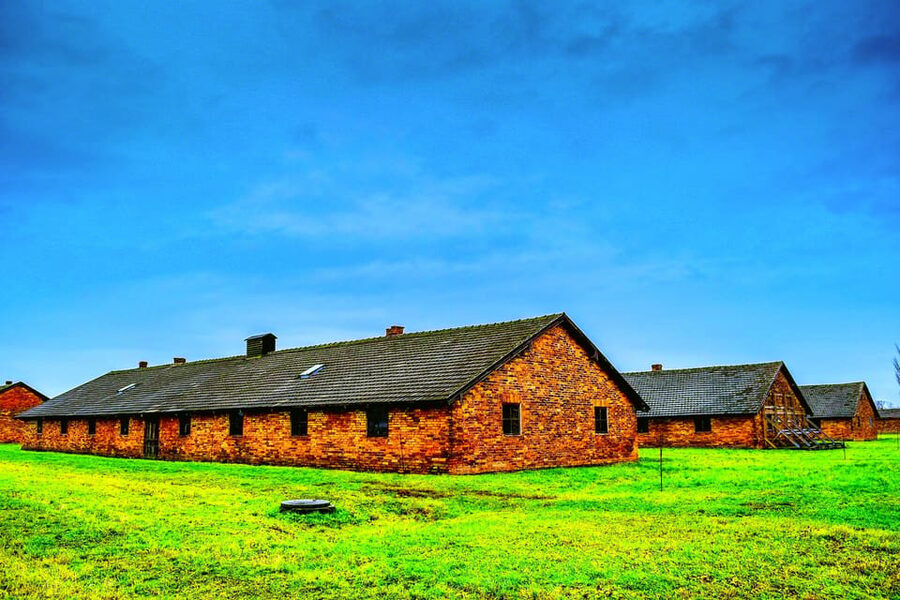
Then you move to Auschwitz II-Birkenau, and the mood shifts immediately. Birkenau is the place where the scale hits you. Even if you are emotionally ready, your brain still has to process the open space and what happened there.
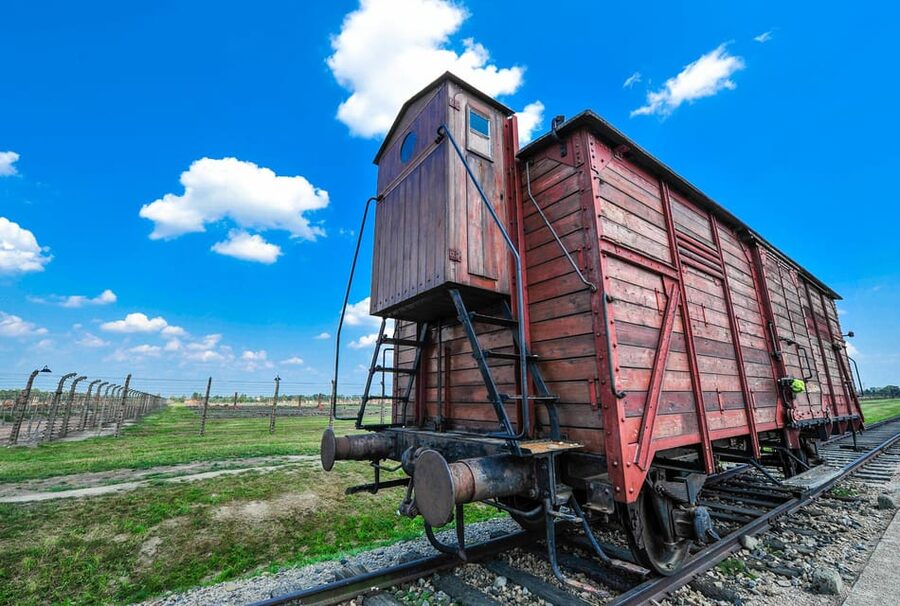
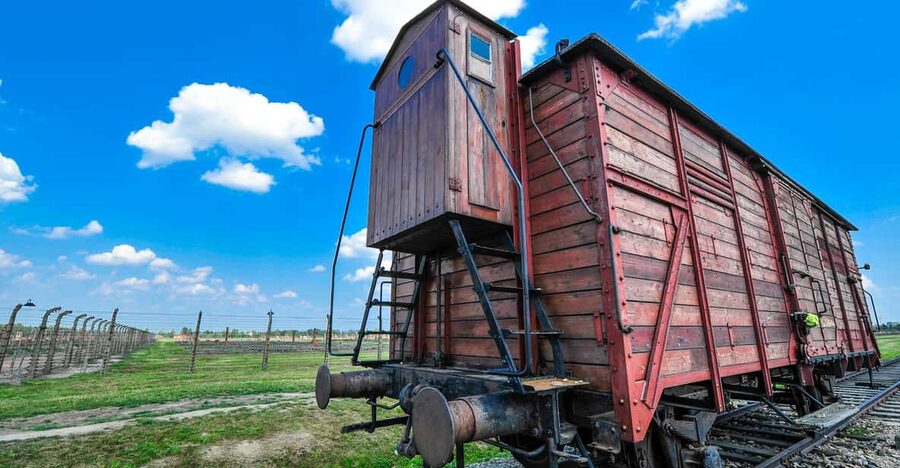
One specific detail that stands out from the tour experience is the remains of the railway ramp. Seeing that space helps you understand prisoner arrivals in a way that photos rarely capture. The guide’s job is to explain what the ramp represents, how deportations worked, and why the camp design mattered.
Birkenau is also where you will encounter the memorial’s preserved structures tied to the camp’s killing infrastructure, including gas chambers and crematoria buildings, plus other remnants you can see as part of the UNESCO World Heritage Site. The guide helps you connect what you are looking at to the historical purpose, so it does not turn into just a list of grim stops.
This is where you will likely feel the weight of the visit most strongly. Even with a short 10-minute break during the tour, you should plan to stay focused. Birkenau moves fast enough that you cannot afford to zone out. If your brain starts to shut down, lean on the guide. Ask questions while you can, and let the guide’s explanation bring you back to the facts.
UNESCO World Heritage and why the guide matters
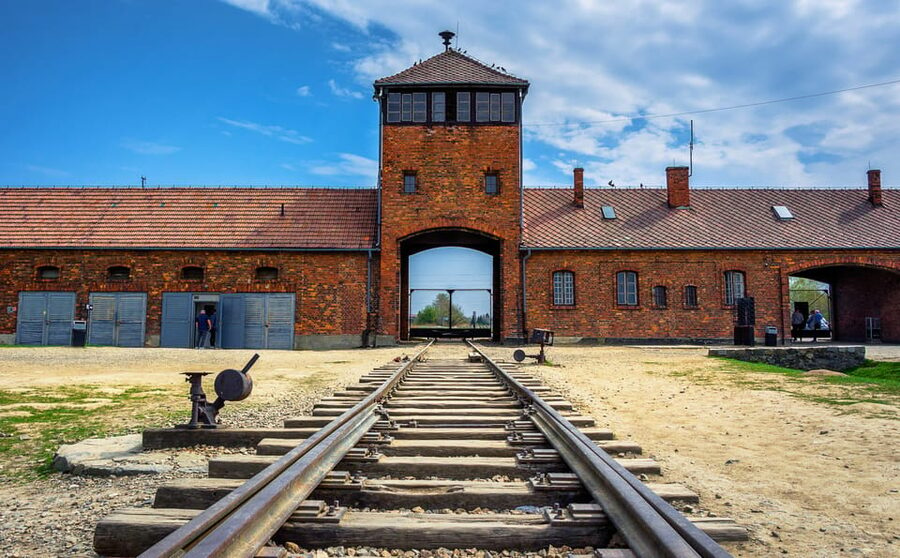
Auschwitz-Birkenau is a UNESCO World Heritage Site, and the designation is not just a stamp. It reflects why the memorial exists: to preserve evidence, educate visitors, and honor those who were murdered.
Here is where guided interpretation adds real value. A tour that only points and translates will not help you much. You want a guide who can connect the physical remains to the Holocaust as a historical event, not a vague tragedy. The certified guide model matters for this reason.
You also get structured access: you enter the museum area, then you get a local guide based on your language preference. That way, you spend less time trying to figure out what you are looking at and more time understanding why it matters.
In practice, what you get is a guided path through key prison blocks and associated structures, plus the sense of how prisoners were transported, especially at Birkenau. You end with a stronger mental map of the camp system as a whole.
Language options and what happens if your group language is too small
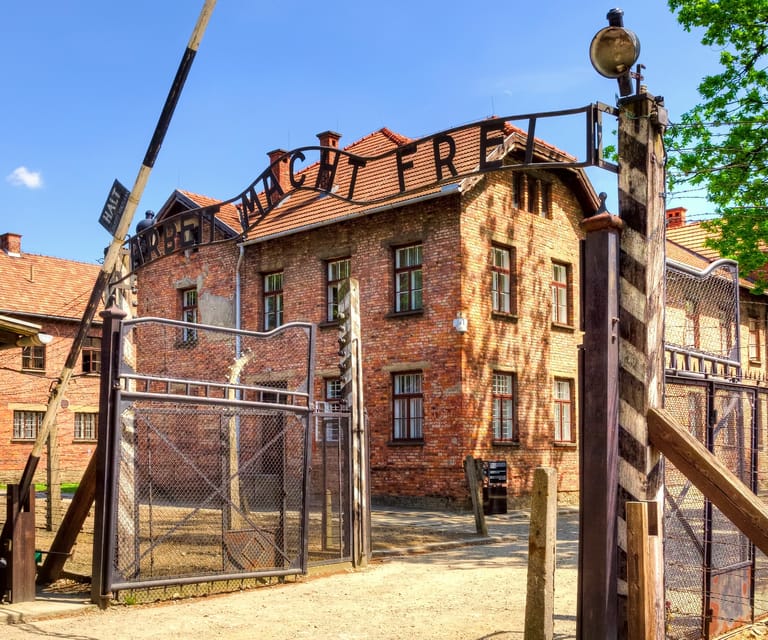
This tour offers live guide languages including German, Spanish, French, Polish, Italian, and English. That matters because the details at Auschwitz and Birkenau are not superficial. The difference between a basic overview and a careful explanation can depend on whether you can follow the nuance in your own language.
If your desired language group does not meet minimum numbers, the provider will provide the tour in English. That is not a consolation prize, it is a backup plan that keeps the experience functioning. English is widely spoken, and it is usually enough to keep the narrative coherent, especially on a guided route.
A practical tip: if you are confident in English but prefer another language, choose the one you will actually enjoy listening to for hours. You are absorbing heavy history, so comfort matters. The tour time includes walking and waiting, and you want the spoken parts to land well.
Getting the most out of a 3 to 7 hour day
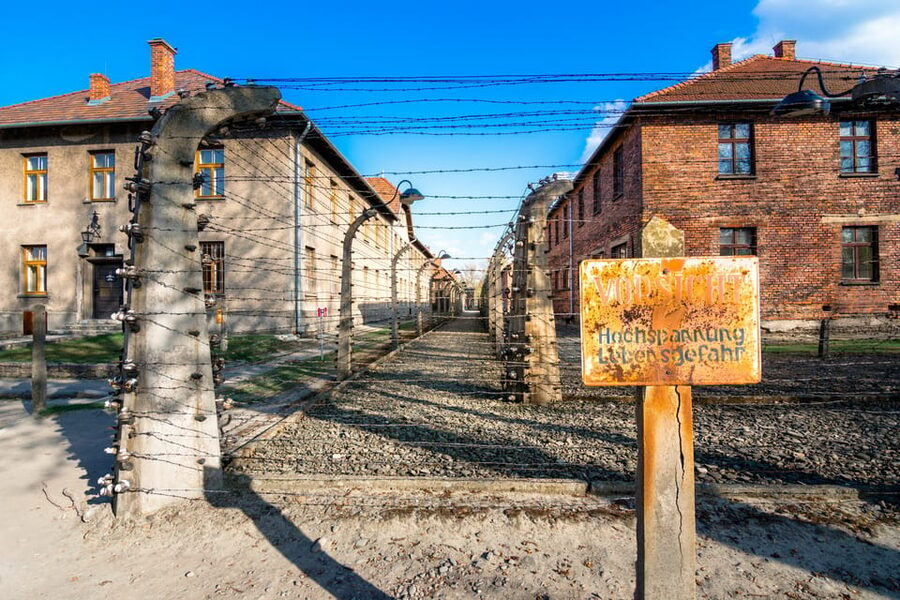
The duration is listed as 3 to 7 hours depending on availability and starting times, so you should plan your day around it rather than squeezing it between other activities. The visit includes a short break of 10 minutes. That helps, but it is not a long lunch situation.
Because the memorial controls timing, you should expect the tour length to be as much about site flow as it is about the operator’s plan. You will cover Auschwitz I and Auschwitz II-Birkenau, plus the key memorial stops described, which can be emotionally and physically demanding.
What I recommend for your own schedule:
- Keep travel days light. Do not schedule a long dinner reservation right after unless you have buffer time.
- Wear shoes you can stand in for extended periods, because you will be moving between sections.
- Treat the break like a chance to reset, not a time to rush.
Also note that even with fast-track entrance, the waiting can still happen. If you go in already annoyed, you will lose momentum. If you go in prepared, the time turns into part of the experience rather than an obstacle.
Practical rules that can trip you up: bags, IDs, and clothing
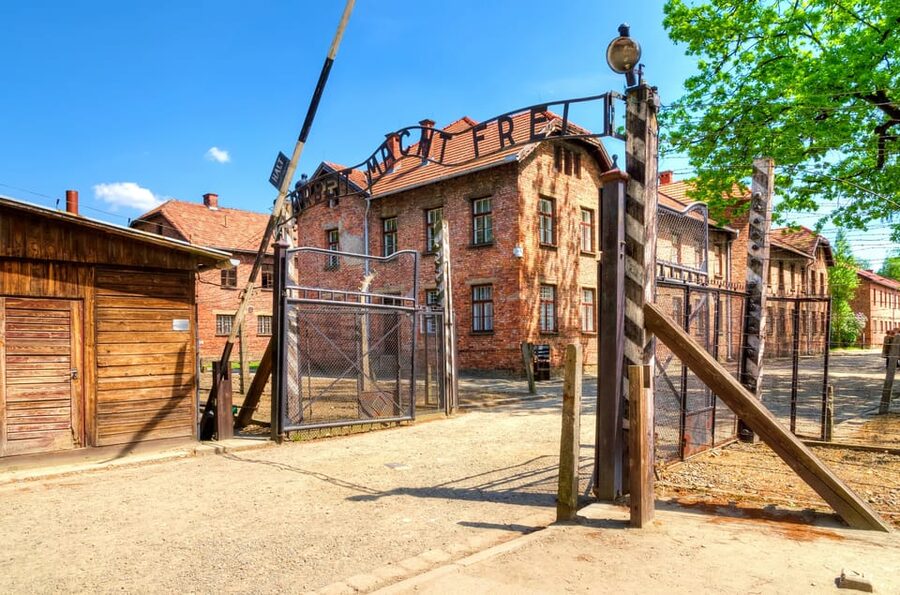
This tour has clear rules, and they are not optional.
Bring:
- Your passport or ID card
- Student card, if you have one and want to use it where applicable
Not allowed:
- Luggage or large bags
- Anything bigger than 30 x 20 x 10 cm is not permitted inside the museum
Clothing:
- Wear weather-appropriate clothes for Poland
- Wear appropriate clothing for visiting the memorial
One detail that matters more than people think: entrance may be refused if the name used in your booking does not match the name on your ID. Before you show up, double-check spelling. This is the kind of bureaucratic problem that can derail a trip when you are already under stress.
You should also expect that the tour is not for everyone. It is not suitable for children under 13. It is also not suitable for people with mobility impairments or for wheelchair users. If that applies to you, this is a moment to look for a different format that fits your needs.
Price and value: is $69 a good deal?
At $69 per person, this tour sits in the mid-range for Auschwitz-Birkenau guided experiences. The value comes from the combination of three things that individually cost time and effort on your own:
1) Fast-track entrance that skips the ticket line
2) A guide at each camp, in your selected language
3) A small-group format that helps you stay oriented and not waste your limited hours
Transport from Krakow is included only if you select that option. If you do not, you will not get that convenience, and you may need to handle some travel between the two areas yourself. So the best value depends on how you plan to get there.
Still, even without transport, the guide service and fast-track ticketing can be the difference between a rushed day and a structured one. Auschwitz and Birkenau are intense. Paying for organization is not just about comfort, it is about spending your energy on understanding what you see.
Should you book this Auschwitz-Birkenau guided tour?
Book it if you want a structured, small-group visit with fast-track entry and guides at both Auschwitz I and Auschwitz II-Birkenau. It is especially worth it if you value interpretation, clear timing, and a route that helps you connect the story across locations.
I would hesitate if:
- You need maximum flexibility on timing, because the memorial controls pace and waiting can still happen.
- Your group language is not available and English would feel like a dealbreaker.
- You are traveling with luggage that exceeds the strict size limits, because you will be turned back.
- You or someone in your party needs wheelchair access or has mobility limitations, since the tour is not suitable for that.
If you do book, set yourself up for success: show up early enough to find the meeting point, travel light within the bag rule, and treat the day as a single priority. You are not just going to see buildings. You are going to learn how a system worked, and the guidance is what turns the visit from shocking into truly understood.
FAQ
How long is the Auschwitz-Birkenau guided tour?
The duration is listed as 3 to 7 hours, and starting times depend on availability.
Does the tour include fast-track entrance?
Yes. You get fast-track entrance with pre-booked tickets, which lets you skip the ticket line. Waiting times can still be up to about 15 minutes.
Will I be able to choose the tour language?
Yes. Live guide languages include German, Spanish, French, Polish, Italian, and English. If the minimum number for your language is not met, the provider will run the tour in English.
Where do I meet the host and get the tickets?
The meeting point may vary depending on the option you book. At the meeting point, an English-speaking host provides your tickets.
Is transport from Krakow included?
Transport from Krakow is included only if you select that option. Transport between the camps is not included for the option without transport.
What should I bring to enter the memorial?
Bring your passport or ID card. A student card is also listed. Wear weather-appropriate and memorial-appropriate clothing.
Are bags allowed inside the museum?
Large bags are not allowed. Luggage larger than 30 x 20 x 10 cm is not permitted inside the museum.
Is the tour refundable if I cancel?
No. The activity is non-refundable.
Fresh listings from Oswiecim
- Auschwitz-Birkenau Guided Tour with Private Transport from Krakow★ 5.0 · 36 reviews
- Oswiecim: Auschwitz-Birkenau Skip-the-Line Entry Tickets★ 4.0 · 63 reviews
- From Krakow: Wieliczka Salt Mine & Auschwitz Guided Trip★ 4.5 · 5 reviews
- Krakow: Auschwitz-Birkenau Memorial Tour with Optional Lunch★ 3.0 · 58 reviews
- Auschwitz-Birkenau Museum Tour from Krakow★ 4.6 · 25 reviews
- Auschwitz-Birkenau: Memorial Entry Ticket and Guided Tour★ 3.9 · 54 reviews
- Auschwitz-Birkenau: Guided Tour – Ticket + Transportation★ 4.5 · 31 reviews
- Auschwitz-Birkenau: Skip-the-Line Entry and Guided Tour★ 4.7 · 93 reviews
Auschwitz-Birkenau Tours, compared.
Auschwitz-Birkenau Guided Tour & Hotel Pickup
Read our review →Auschwitz-Birkenau Guided Tour & Hotel Pickup
Read our review →
Auschwitz Guided Tour with Optional Hotel Pickup
Read our review →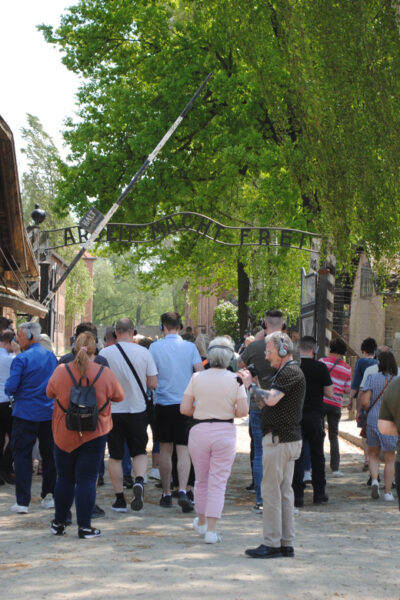
Auschwitz-Birkenau Guided Tour with Pickup & Lunch
Read our review →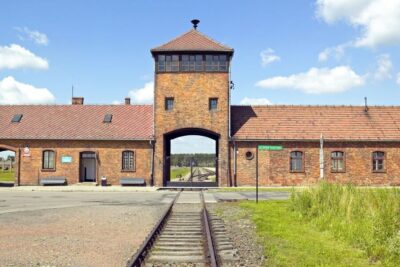
Krakow to Auschwitz Birkenau Guided Tour with Transfer and Ticket
Read our review →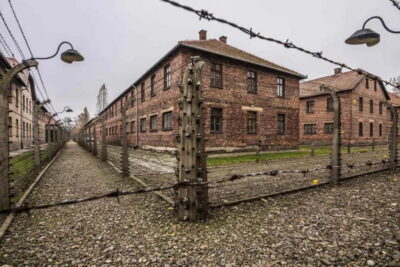
Auschwitz-Birkenau Guided Tour or Self-Guided Tour
Read our review →Browse the lists this tour appears in