
Review · CONCENTRATION CAMP MEMORIAL TOURS
Guided Tour of Plaszow Concentration Camp, Kraków
Plaszow hits hard, and on purpose. I love the reflection-first pace, and I love how the guide ties the site to Schindler’s List filming context and Oskar Schindler’s role. This is a walk where the route helps you understand what you’re seeing, instead of turning suffering into a quick photo stop.
You should also know what you’re signing up for. This tour covers an active memorial experience on open ground, with few preserved buildings, so the emotional tone is heavy and you’ll want to stay focused on the guide’s explanations.
A possible drawback is that, because Plaszow is largely remembered through memorials, paths, and traces, some people wish there were more standing structures to anchor their imagination. If you prefer a site with lots of restored buildings and visual landmarks, this one may feel more abstract than you expect.
In This Review
- Key points before you go
- Plaszow in Krakow: why this camp feels different
- A 2-hour route that moves through the camp’s key traces
- The Grey House and the center of how people were processed
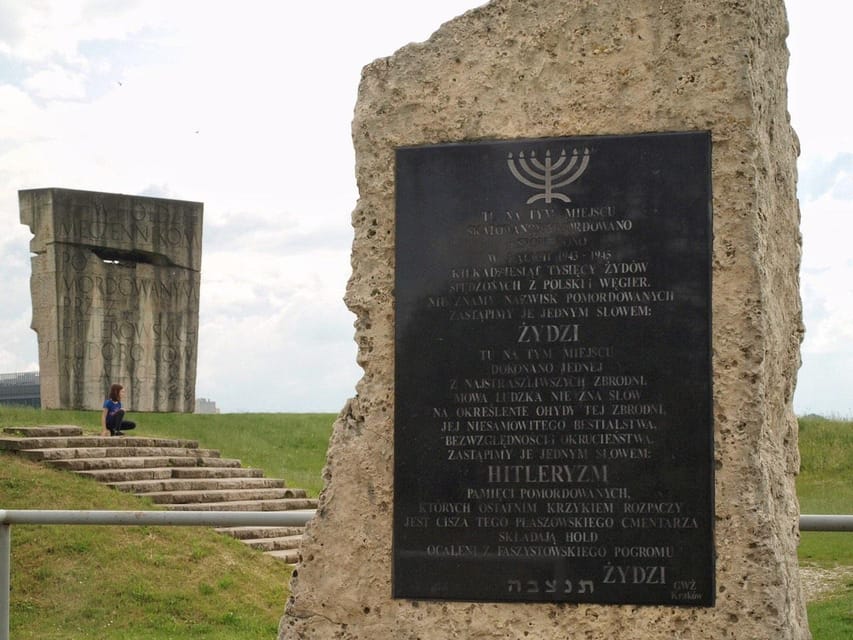
- The pre-burial hall ruins: a place you cannot ignore
- Traces of the Jewish cemeteries: remembering what came before
- The roll-call square: where order ruled daily life
- Paths with gravestone fragments: a detail with weight
- Memorial stops that shape how you remember
- Monument of Torn-Out Hearts: why it’s on the route
- How the memorials connect executions to place
- Plaszow’s structure: living, hospital, admin, and industry
- Schindler’s story and the Schindler’s List filming context
- Price and value: what $29 buys you
- How to get the most out of your visit
- Who this tour suits best
- Should you book this Plaszow Concentration Camp tour?
- FAQ
- How long is the Plaszow Concentration Camp guided tour?
- How much does the tour cost?
- Where do I meet the guide?
- Is the tour in English?
- What is included with the ticket?
- Will I be able to see memorials and key areas of the camp?
- Is the tour wheelchair accessible?
- What should I do if I arrive late?
- What are the cancellation rules?
Key points before you go
- Open-ground memorial walk where space for quiet reflection is part of the design
- Schindler’s List filming context plus Oskar Schindler’s work-permit story through Plaszow
- Stop-by-stop guidance across the Grey House, roll-call square, and memorials
- Names and sections explained including living, hospital, administrative, and industrial areas
- Route paced for thinking, not rushing, with time for questions when possible
Plaszow in Krakow: why this camp feels different
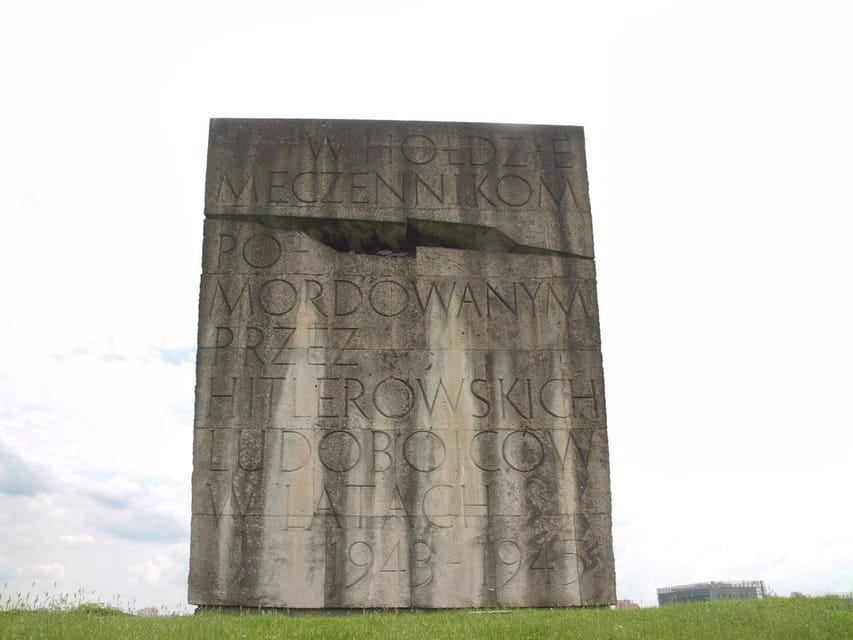
Plaszow Concentration Camp is not the type of place where you can wander and automatically understand everything. It is a memorial built on an unpleasant kind of absence. Plaszow was established in October 1942 on the grounds of two Jewish cemeteries in Kraków, and over time the camp changed function again and again. That layered timeline is exactly what makes a guided route so helpful.
When you do it with a licensed English-speaking guide, you get a clear thread from the forced-labor camp for Jews from the liquidated Kraków Ghetto, to the penal-labor section for Poles from July 1943, to its redesignation as a concentration camp in January 1944, and later its role as a transit camp for Hungarian Jews sent onward to Auschwitz. With that structure in your head, the memorial locations make more sense, even when there is not much left to “see” in the usual way.
I also like that the tour is paced for reflection, not speed. This is the kind of site where rushing does you a disservice. You’ll hear about executions at several sites within the camp and see memorials that mark mass graves today, but the pace keeps it human rather than theatrical.
More memorial site visits:
- Krakow: Plaszow Concentration Camp Guided Walking Tour
★ 4.8 · 50 reviews - Guided Tour in Kraków-Płaszów Former Concentration Camp
★ 5.0 · 19 reviews - 2-Hour Guided Tour in Kraków-Płaszów Concentration Camp
★ 4.8 · 15 reviews
A 2-hour route that moves through the camp’s key traces
This tour runs about two hours. You’ll meet your guide at the start, then walk a route designed to cover the main elements of the camp’s layout and memory sites. The emphasis is on understanding, not checkboxes.
Here’s what the walk generally includes, and what each stop means to you:
The Grey House and the center of how people were processed
One of the first anchors on the route is the Grey House. Even if you do not see a dramatic set of buildings, this is a key starting point for the story the guide is building. In Plaszow, the camp was organized in a way that separated roles and functions. Your guide explains how the camp’s systems worked and how different parts related to each other.
This matters because concentration camps were not just “a place where people were held.” They were administrative and logistical machines. Knowing that up front helps you interpret the rest of what you walk past.
The pre-burial hall ruins: a place you cannot ignore
Next, you’ll encounter the ruins of the pre-burial hall. The term sounds technical, but on the ground it hits differently. It’s where the guide connects the idea of executions and deaths with the camp’s handling of bodies.
If you’re the kind of person who reads details quickly and then moves on, slow down here. This part is meant to stay with you. The guide’s explanations, and the quiet that follows, are what make this stop useful instead of just sad.
A few more Krakow outings to weigh up
- From Krakow: Auschwitz-Birkenau Guided Tour & Hotel Pickup
★ 4.5 · 33,358 reviews - From Krakow: Auschwitz-Birkenau Guided Tour & Hotel Pickup
★ 4.5 · 29,340 reviews - Krakow: Auschwitz Guided Tour with Optional Hotel Pickup
★ 4.5 · 15,280 reviews - Krakow: Wieliczka Salt Mine Tour with Entry Ticket
★ 4.6 · 10,927 reviews
Traces of the Jewish cemeteries: remembering what came before
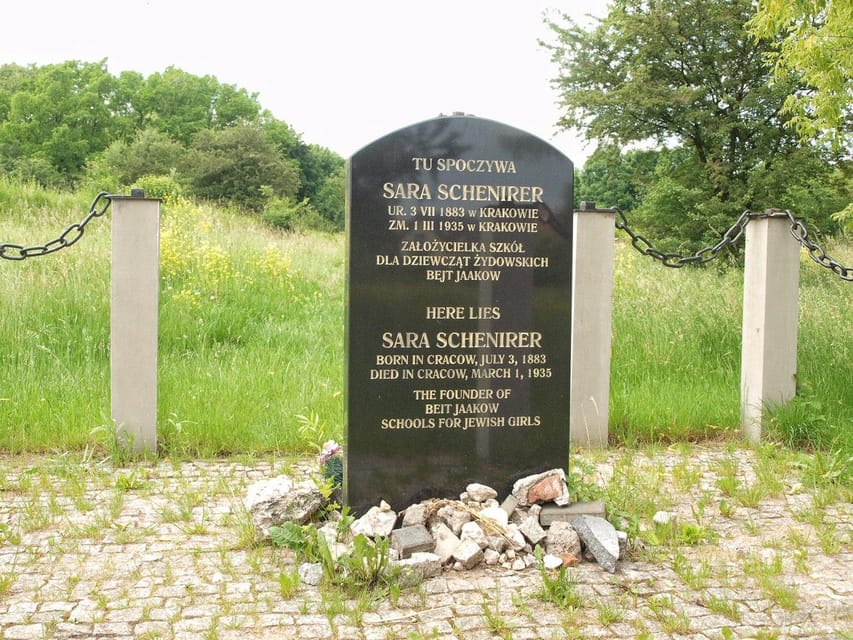
Plaszow was built on cemetery grounds. So as you walk, your guide points out traces that relate back to the two Jewish cemeteries in Kraków. This stop gives the deeper context that many visitors miss, because they arrive already thinking of Plaszow as the whole story.
This cemetery connection changes how you process everything else. It reminds you that the land had meaning before the Nazis transformed it into a forced-labor and concentration site. In a walking tour, those “small traces” can be the most important ones, because they show rupture, not continuity.
The roll-call square: where order ruled daily life
You’ll also visit the roll-call square. This is where you understand camp life as routine control, not random events. Your guide explains what roll call represented inside the system and why the camp’s organization mattered.
The roll-call square is also a mental pivot. Once you understand it, the rest of the route feels less like scattered memorial points and more like one structured place.
Paths with gravestone fragments: a detail with weight
One of the most striking elements on the walk is hearing about paths once paved with fragments of gravestones. The guide helps you understand why this detail exists in the story of Plaszow and what it symbolizes.
I can’t recommend rushing past this section. It’s the kind of ground-level fact that turns abstract history into something you feel in your body. If you want a respectful visit, you need to give it a few extra seconds of attention.
Memorial stops that shape how you remember
A major part of the tour is reflecting at memorials placed across the site. This is not a museum-style route where you read captions quickly and move on. It’s a guided walk that builds moments of pause.
Monument of Torn-Out Hearts: why it’s on the route
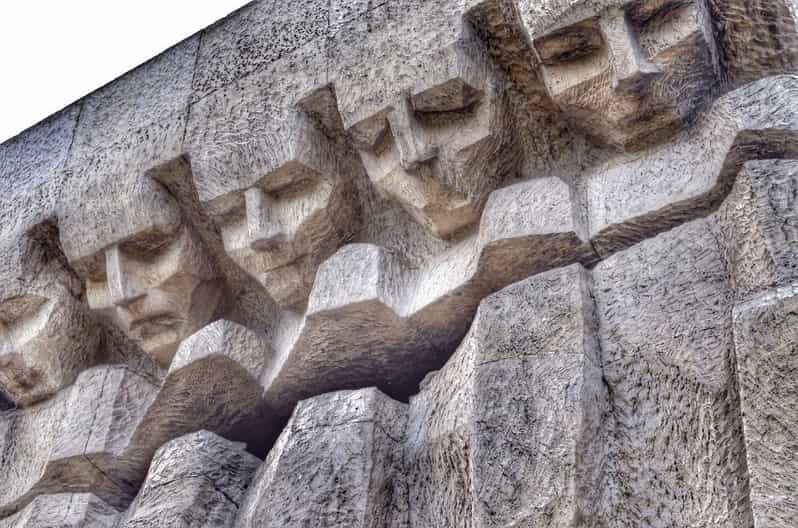
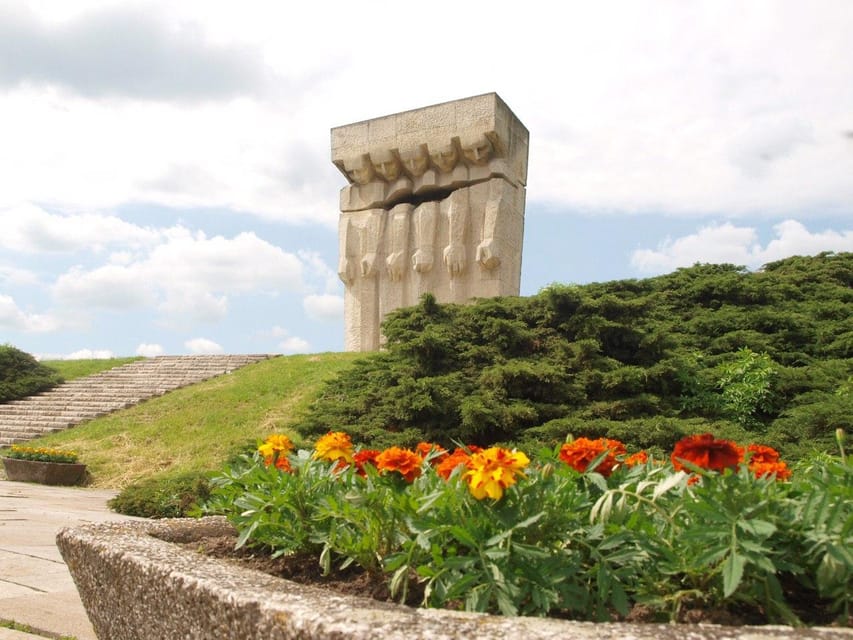
One memorial highlighted on the tour is the Monument of Torn-Out Hearts. Your guide uses this stop to help you connect the emotional and human cost to what you’ve been hearing about in the camp’s timeline.
Even if you do not know the symbolism ahead of time, the guide frames it in a way that makes sense after the earlier context. That sequence is one reason the tour works. It does not dump the hardest symbol first, then leave you with questions. It leads you into it.
How the memorials connect executions to place
Your guide also helps tie the story of executions at several sites within the camp to what you can see today. This is crucial, because Plaszow offers “open ground, silence, and space for reflection,” and few preserved buildings. The memorials do the job of explanation here.
If you prefer a place where the past is preserved in walls and rooms, you may find yourself wondering how the guide knows what happened where. This tour answers that question by giving you an organized route with context at each point.
Plaszow’s structure: living, hospital, admin, and industry
Something I appreciate about this tour is that it does not treat the camp as one undifferentiated horror. Your guide explains how Plaszow was organized into sections, including living areas, a hospital area, administrative areas, and industrial areas.
That breakdown helps you understand how the camp functioned day to day. When a system is divided into living, medical, administrative, and industrial zones, you start to see how people were processed through roles and spaces. It’s still unimaginable, but it becomes understandable in a factual way.
This part is also useful for your own reading later. Once you hear how the camp was laid out, you can connect names, dates, and functions more clearly if you explore further on your own.
Schindler’s story and the Schindler’s List filming context
Oskar Schindler is central to why Plaszow is discussed by many visitors, and this tour handles that connection thoughtfully.
Here’s the key thread your guide covers:
- Schindler obtained work permits for Jewish prisoners registered through Plaszow.
- Those permits helped shield people from further transports.
- Later, Schindler organized their transfer to his wartime plant in Brünnlitz.
- This effort saved over a thousand lives.
Your guide also explains the Schindler’s List filming locations linked to this broader history. The point is not to treat the movie as the story. It’s to help you understand why Plaszow and its setting are tied into the film’s telling of events, and how the real history connects behind the scenes.
I like having this context inside the memorial setting, because it keeps the focus anchored in facts and victims, not Hollywood. It also gives you a different kind of moral contrast to hold onto, one that does not erase suffering but adds complexity.
Price and value: what $29 buys you
At about $29 per person for a two-hour guided tour, the value depends on what you want from Krakow. If you’re here to do one serious camp visit and you want it explained clearly in English, this price is fair for what’s included.
You get:
- a licensed guide,
- a single tram ticket,
- an English live guide,
- and a route designed for reflection rather than a rushed walk.
The “included tram ticket” part matters because it reduces one more thing you have to plan after arriving in Kraków. The bigger value is the guide itself. Plaszow has limited preserved structures, so explanations are not optional here. They are the difference between feeling lost and understanding a coherent story.
How to get the most out of your visit
You’ll get the best experience if you treat this like a focused appointment, not a casual stroll.
A few practical tips:
- Arrive about 10 minutes early. Once the group departs, latecomers can’t join and tickets can’t be refunded.
- Wear shoes that handle uneven outdoor ground. This is an outdoor walk across memorial areas.
- Give yourself permission to slow down at major memorial points. The tour is paced for reflection, and you’ll feel it most when you stop fighting the quiet.
- Come with basic context if you can. Even a quick review of Plaszow’s timeline makes the stops easier to follow.
Also, because the tour runs in one language only, make sure English is truly comfortable for you before booking. The explanations are the point, and you do not want to miss details.
Who this tour suits best
This Plaszow Concentration Camp tour works especially well if you:
- want a structured, guided explanation across multiple key points of the camp,
- appreciate time for reflection instead of speed,
- care about how Schindler’s efforts connect to the story told at Plaszow,
- and prefer a memorial-style experience over a building-filled one.
If you’re traveling with someone who wants only light, quick sightseeing, this is probably not the match. The content is serious and the setting demands respect. But if your goal is to understand, honor, and learn carefully, this is a strong choice.
Should you book this Plaszow Concentration Camp tour?
I’d book it if you want an organized, English guided walk through the most important traces of Plaszow, with clear context about the camp’s purpose and organization. The route’s emphasis on reflection, plus the Schindler and Schindler’s List connections, gives you both historical structure and moral framing.
Skip it only if you strongly need lots of preserved buildings to feel oriented, or if the idea of a quiet, heavy memorial walk is likely to stress you out. Plaszow is not designed for entertainment. It’s designed for memory, and a good guide is what turns the ground into understanding.
FAQ
How long is the Plaszow Concentration Camp guided tour?
The tour lasts about 2 hours.
How much does the tour cost?
The price is $29 per person.
Where do I meet the guide?
Look for the guide holding a sign with excursions.city.
Is the tour in English?
Yes, the live tour guide is English, and tours run in one language only.
What is included with the ticket?
Included are a licensed guide and a single tram ticket.
Will I be able to see memorials and key areas of the camp?
Yes. The tour includes memorial reflections and key parts of the camp’s story, such as the Grey House, roll-call square, and the Monument of Torn-Out Hearts, as well as traces connected to the Jewish cemeteries.
Is the tour wheelchair accessible?
Yes, it is wheelchair accessible.
What should I do if I arrive late?
Please arrive 10 minutes before the tour begins. Once the group departs, latecomers cannot join and tickets cannot be refunded.
What are the cancellation rules?
Free cancellation is available if you cancel up to 24 hours in advance for a full refund.
Fresh listings from Krakow
- Zakopane & Gubalowka Funicular – Private Winter Tour from Krakow★ 5.0 · 10 reviews
- ZALIPIE – painted village, unique PRIVATE tour from Krakow★ 5.0 · 20 reviews
- stag dog chase Krakow prank★ 5.0 · 4 reviews
- Full-Day Zalipie Painted Village Guided Tour★ 4.0 · 3 reviews
- Sleigh Ride & Bonfire in Zakopane with Funicular – Private Trip★ 5.0 · 48 reviews
- ZALIPIE – painted village, unique small group tour from Krakow★ 5.0 · 7 reviews
- Zakopane PRIVATE TOUR from Krakow★ 5.0 · 18 reviews
- Zakopane Funicular Hill & Thermal Springs regular tour★ 5.0 · 9 reviews
Concentration Camp Memorial Tours, compared.
Treblinka Death Camp 6 Hour Private Tour from Warsaw
Read our review →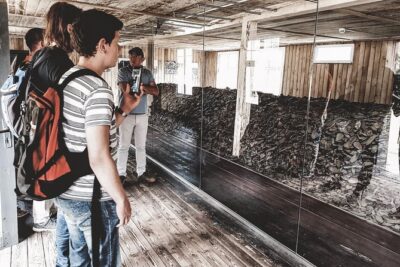
Stutthof Concentration Camp English Tour with Gdansk Hotel pickup
Read our review →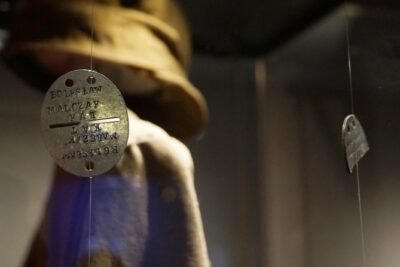
Majdanek Concentration Camp & Lublin Full Day Private Tour from Warsaw
Read our review →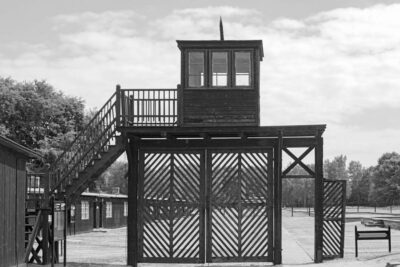
Stutthof Concentration Camp Private Tour with Transport
Read our review →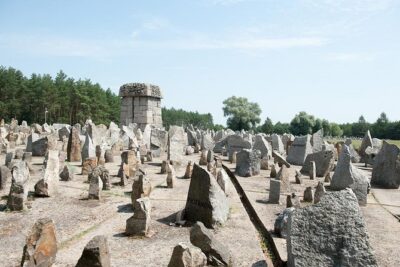
Half Day Treblinka Death Camp Small Group Tour from Warsaw with Lunch
Read our review →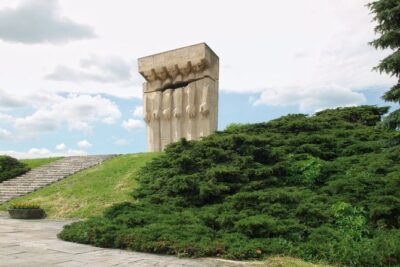
Browse the lists this tour appears in