Review · JEWISH HERITAGE TOURS
Skip-the-Line Polin Museum Warsaw Jewish History Tour
One Warsaw memory hits hard. This tour connects the POLIN Museum with real street-level WWII landmarks. It’s led by a licensed guide in English, so you’re not just looking at exhibits and plaques, you’re getting the story stitched together.
I like how the visit is structured to save you time, especially with skip-the-line tickets to the POLIN Museum ticket office. I also like the mix of museum and walking stops, including the cemetery where Janusz Korczak is memorialized. The one drawback to weigh: the shorter 2-hour option may not include the Warsaw Ghetto walking portion, so you may miss some of the outdoor sites.
In This Review
- Key Things You’ll Notice on This Warsaw Jewish History Tour
- Price and Timing: What You Really Get for About $168
- Starting Point: Ludwika Zamenhofa and a Walk That Sets the Tone Fast
- The POLIN Museum Visit: Skip the Line, Then Use the Museum Time Wisely
- From Palace to Persecution: Palace of Culture, Then the Ghetto Memory Markers
- Cemetery Stop: The Janusz Korczak Symbolic Grave and Why It Matters
- Ghetto Wall Fragment: Touching History, Then Standing With Its Consequences
- The Warsaw Ghetto Route: Forced Crowding in a Small Percent of the City
- Nozyk Synagogue: The Surviving Pre-War Landmark, and How Access Works
- Jewish Historical Institute: Records, Photos, and Artifacts From the Occupation
- Prozna Street and Grzybowski Square: City Life, Then the WWII Layer
- Your Licensed Guide: Why the Story Lands Better
- What to Consider Before You Book
- Who This Tour Suits Best
- Should You Book This Skip-the-Line POLIN Museum Tour?
- FAQ
- How long is the Skip-the-Line POLIN Museum Warsaw Jewish History Tour?
- Do I see the Warsaw Ghetto on the 2-hour option?
- What does the skip-the-line ticket cover at the POLIN Museum?
- Is the Jewish cemetery admission included?
- Can I enter Nozyk Synagogue?
- What is the cancellation policy?
Key Things You’ll Notice on This Warsaw Jewish History Tour
- Skip-the-line POLIN Museum ticket office so you spend less time waiting, while still going through entrance and security checks
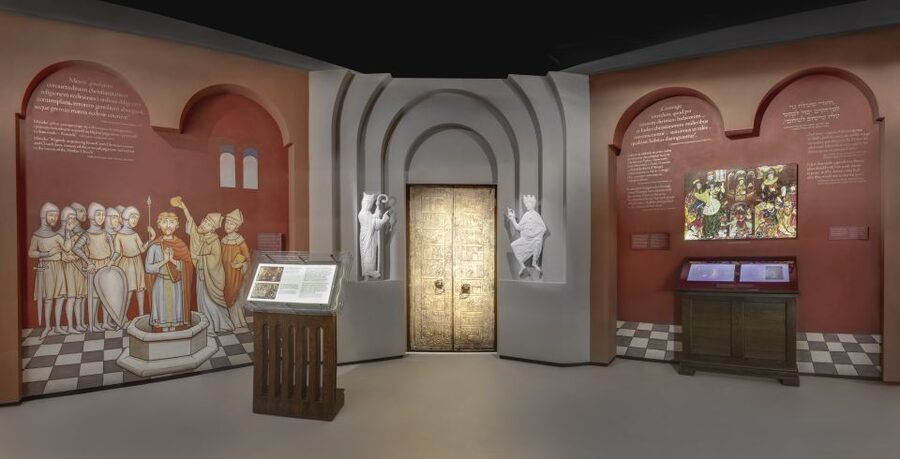
- Chronological museum storytelling that mixes Polish Jewish culture with the tragic arc of the Nazi occupation
- A cemetery stop with Janusz Korczak symbolism at a site established in the early 1800s
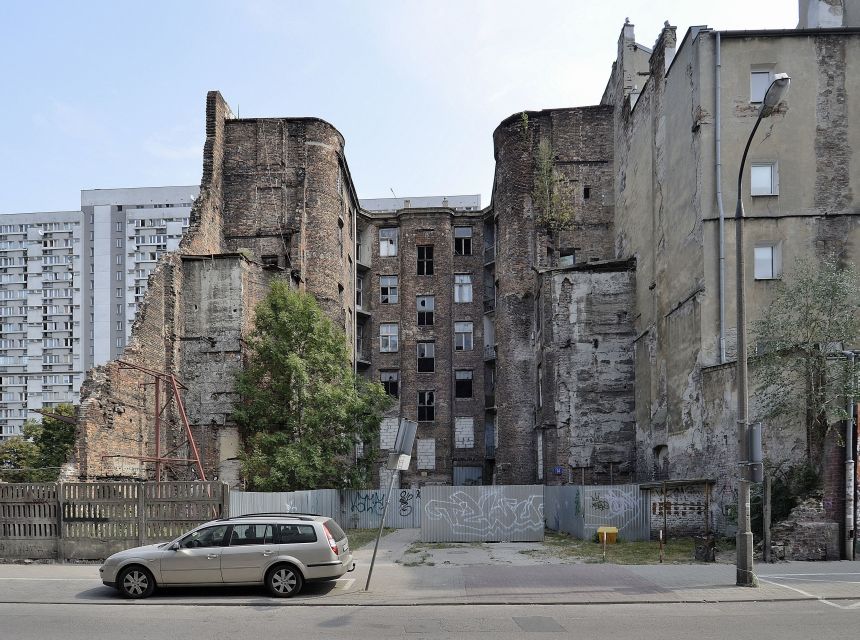
- Concrete ghetto remnants like a fragment of ghetto wall you can physically get close to
- A guided route through key neighborhoods including Prozna Street and Grzybowski Square
Price and Timing: What You Really Get for About $168
At about $167.97 per person, this is not a bargain tour, but it is also not just a casual walk. You’re paying for a licensed, English-speaking guide, skip-the-line museum tickets, and a focused route through major Jewish history sites in Warsaw. That combination matters, because you are dealing with sensitive history where context is everything.
The tour length is flexible, roughly 2 to 4 hours, and what you see depends on the option you choose. If you book the longer walk, you get more of the Warsaw Ghetto area on foot. If you choose the shorter option, you may not see the full outdoor Ghetto route, and that is the tradeoff for the lower time commitment.
Here’s my practical take: if you want the outdoor sites to land in your mind, go for the option that includes the Warsaw Ghetto walking portion. If you mainly want the museum experience and don’t want hours outside, the shorter option can still be good value.
More History Tours in Warsaw
- Warsaw: POLIN Museum of the History of Polish Jews Ticket
★ 4.7 · 1,142 reviews - Warsaw: Chopin Concert at Historical Venue in Old Town
★ 4.7 · 445 reviews - Small-Group Historical Guided Tour of Warsaw with pick up/drop off. Public Tour.
★ 4.5 · 343 reviews
Starting Point: Ludwika Zamenhofa and a Walk That Sets the Tone Fast

You meet at Ludwika Zamenhofa 11, 00-153 Warszawa. It’s a handy location, described as near public transportation, which helps because Warsaw can be a bit spread out.
The tour starts with a big, modern Warsaw landmark, the Palace of Culture and Science, and that choice is smart. It gives you a quick sense of the city’s scale before moving into the WWII-era story. Even if you only notice the architecture outside, it helps you understand what you are looking at in relation to everything that comes next.
A small logistics note that can save frustration: the activity ends in a different location, so you should keep an eye on the meeting and end details you receive by email the day before.
The POLIN Museum Visit: Skip the Line, Then Use the Museum Time Wisely
The heart of the tour is the POLIN Museum of the History of Polish Jews, and the experience is designed to be guided. You get skip-the-line tickets to the ticket office. However, the tour operator is clear that you will still face entrance and security checks, so don’t plan your day like the museum doors will be instant.
Inside, the museum approach is practical and visitor-friendly. The collection moves through the story in a way that you can follow without needing to read every caption. There are artifacts, photographs, documents, and films, and the exhibits include moments that feel interactive, like drawers you can open and things you can touch. That matters because it helps history feel less like text on a wall and more like objects with meaning.
The time you spend here is about 2 hours in the longer format, and the tour focuses on what you can realistically absorb. If you want to truly read every detail and take in every temporary or special display, you could spend much longer than the tour time. But for most people, the guided structure helps you see the main lines and then circle back later if something sparks your curiosity.
One more value point: the skip-the-line ticket includes access to the main exhibition, the ongoing temporary exhibition, and the Heritage Gallery. That gives you more than just one exhibit room to fit into your schedule.
From Palace to Persecution: Palace of Culture, Then the Ghetto Memory Markers

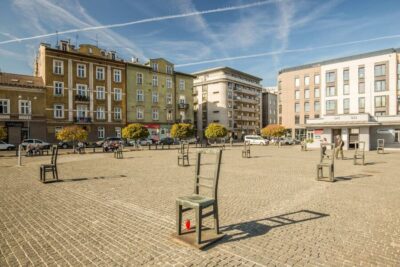
The tour moves from Warsaw’s monumental presence to reminders of tragedy. After the Palace of Culture and Science, you’ll stop at Pomnik Bohaterow Getta, a powerful monument honoring Polish Jews and the persecution during Germany’s occupation in WWII.
This is not a long stop, about 15 minutes, but it’s placed early so the tone is set. It’s also a helpful moment to pause, because later you’ll see sites tied to forced confinement and mass suffering. A guide usually does this well, giving you the why behind each stop instead of treating them like checkboxes.
Admission here is listed as free, which keeps the day from feeling like it’s constant paid entries. That’s part of why the tour feels efficient rather than costly.
More Jewish Heritage Tours in Warsaw
- Warsaw: Warsaw Ghetto Private Walking Tour with Hotel Pickup
★ 4.9 · 369 reviews - Warsaw: Jewish History Guided Walking Tour in English
★ 4.7 · 324 reviews - Private Tour: Warsaw’s Jewish Heritage by Retro Fiat
★ 5.0 · 208 reviews - Warsaw: Ghetto, Jewish Cemetery & POLIN Museum Private Tour
★ 4.8 · 132 reviews
Cemetery Stop: The Janusz Korczak Symbolic Grave and Why It Matters
One of the most moving parts is the Jewish Cemetery (Cmentarz Żydowski) stop. This cemetery dates back to the period 1799 to 1806, and it has tombstones called masebas made of marble and sandstone. The symbols and ornaments on these stones are part of the story, because they show how meaning and identity were carried through generations.
You’ll spend about 1 hour here, and admission is included. That hour is valuable because cemeteries need slower attention. A guide can help you read the symbols and understand why a specific memorial matters.
A key moment is the symbolic grave of Janusz Korczak, the writer and teacher who died in Auschwitz. Even when you know his name, seeing how a museum guide frames his life and death through cemetery symbolism creates a different kind of understanding than a classroom overview.
If you are visiting with kids, this stop can work well too, but you’ll want to be ready for the emotional weight. A good guide usually balances facts with care, and the time helps you process rather than rush.
Ghetto Wall Fragment: Touching History, Then Standing With Its Consequences
After the cemetery, the tour takes you to a fragment of the ghetto wall. This is described as a strong starting point for understanding the remains of the Ghetto, because it gives you a real sense of height and construction.
You can also touch the construction and hear the sounds of life going on as usual on the other side, a detail that makes the history feel uncomfortably real. That sound contrast is not a small thing. It turns the story from something abstract into something physical, where proximity highlights cruelty.
This stop is short, about 15 minutes, and admission is free. If you want a longer pause here, just note that the tour keeps a steady pace. The guide’s job is to hit each key site while still giving you enough time to absorb what you’re seeing.
The Warsaw Ghetto Route: Forced Crowding in a Small Percent of the City
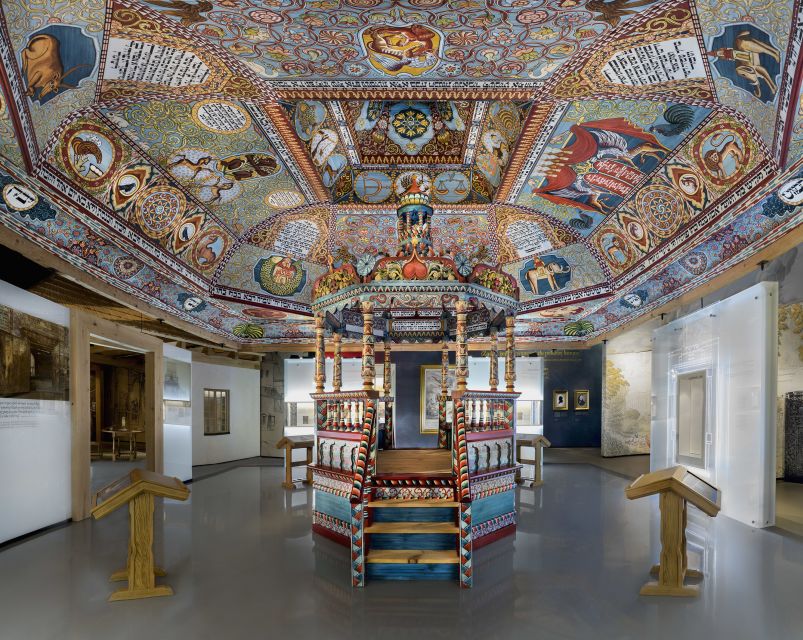
You then step into the story of the Warsaw Ghetto, established in October to November 1940. The tour explains how the area was only 2.4 percent of Warsaw’s land but held more than 450,000 Jews forced by the Germans to live in crowded conditions.
You’ll have about 20 minutes for this stop area, and admission is free. The practical value here is how the guide ties geographic points together. The Ghetto wasn’t just a moral concept, it was a set of streets, walls, and daily barriers that shaped where people could go and what they could survive.
This is where the walking option becomes extra important. If you choose a format that includes the longer walk, you’ll get more of these city markers in context.
Nozyk Synagogue: The Surviving Pre-War Landmark, and How Access Works
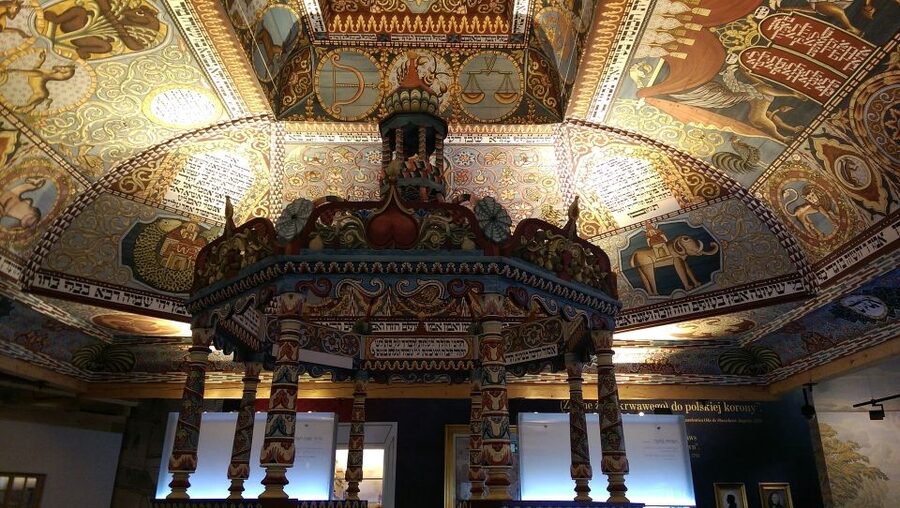
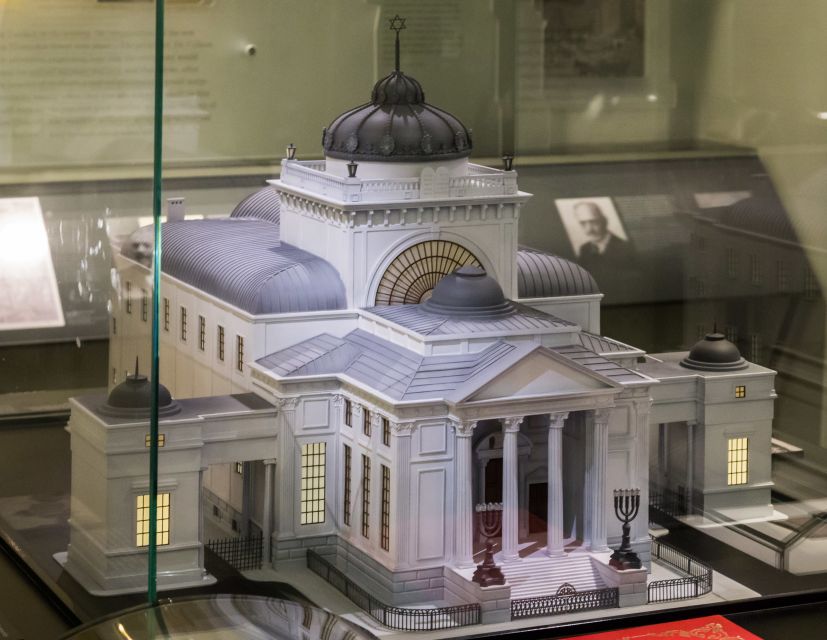
One of the most meaningful religious landmarks on the route is the Nozyk Synagogue. It’s described as the only surviving synagogue of the roughly 400 that existed in Warsaw before the war. It’s been refurbished and is a functioning synagogue today.
This is listed as about 30 minutes. Entrance is not included, but it’s possible to enter for request. That wording matters. You should treat synagogue access as something the guide can help with, but not something the tour can guarantee in every case.
If the doors are open, this is a powerful reminder that history does not only live in museums. It lives in active community spaces. If access is not possible, the exterior and context from the guide still give you something worthwhile.
Jewish Historical Institute: Records, Photos, and Artifacts From the Occupation
The tour includes a stop at the Jewish Historical Institute, tied specifically to this route. This museum holds records, photographs, videos, and artifacts from the Warsaw Ghetto during the Nazi occupation.
Admission is listed as free. The length of this stop isn’t specified in the itinerary details you have, but it fits as an intellectual bridge between outdoor markers and the bigger POLIN museum.
In plain terms, this stop gives you sources. After you’ve walked past monuments and wall remnants, seeing archival items can help you understand what the museum later turns into a guided narrative.
Prozna Street and Grzybowski Square: City Life, Then the WWII Layer
Two quick stops help you feel how the wartime Ghetto overlays the modern city.
First is Prozna Street (Ulica Prozna), placed on route to the uprising museum area. The tour frames Prozna Street with a focus on the Nazi occupation and the Holocaust, and you’ll usually get context that helps you see why a street name is more than a label.
Next is Grzybowski Square, a square in central Warsaw where you can find modern Jewish theater nearby and, in the middle, a memorial garden and a fountain. Admission is free, and the stop is about 15 minutes.
This part of the route is not about shock. It’s about continuity. You see how Warsaw holds layers: today’s city life, plus the memory work in public spaces.
Your Licensed Guide: Why the Story Lands Better
The tour is private, meaning only your group participates, and it’s led by a 5-star licensed guide fluent in the language selected when booking. In English, that should mean you get clear explanations and a chance to ask questions rather than trying to read your way through everything.
One name associated with this tour experience is Yulia. What stands out is the way the guide can summarize the big story without turning it into a lecture. In the longer format, the guidance is especially useful because you split your time between two different learning environments: the museum and the streets.
If you like history that connects culture to events, this is a good fit. The tour isn’t only about dates. It’s about how Jewish life in Poland changed under pressure, and how the museum and street stops tell that story in different ways.
What to Consider Before You Book
The biggest consideration is which duration option you choose. If you book the shorter 2-hour tour, the information provided says you will not see the Warsaw Ghetto, so you’ll be trading the outdoor walk for more concentrated museum time.
Second, remember the skip-the-line detail. You skip the ticket office line, not all waiting. Entrance and security checks still apply, so you should still plan a normal arrival window.
Third, some sites are access-dependent. The Nozyk Synagogue stop notes that entry is possible on request, and admission is not included. That doesn’t make the stop useless, but it can affect whether you step inside.
Who This Tour Suits Best
This works well if you want a structured way to see major Jewish history sites in Warsaw without getting lost in the timeline. It’s also a smart choice if you value museum context and want the museum visit to feel guided and focused.
It’s especially suitable for people who:
- Want POLIN Museum time with a guide, not just a self-guided ticket
- Prefer a mix of indoor exhibits and outdoor markers
- Want to understand the Warsaw Ghetto with clear, place-based explanations
If you only have a short window and you mainly want the museum, the shorter option can still be a good call. If you want the full sense of place, pick the longer format that includes the walking portion.
Should You Book This Skip-the-Line POLIN Museum Tour?
If your goal is to connect the museum to the city, yes, book it. The strongest value is the pairing: POLIN Museum plus a guided walking route through significant WWII sites, with key moments like the cemetery and ghetto wall fragment.
If you are mainly interested in one museum afternoon and you do not want street walking, then consider the shorter option, but double-check that it fits your expectations since the Warsaw Ghetto walking portion may not be included.
In short, this tour is for people who want context, not just sightseeing. You leave with names, places, and a timeline you can actually remember.
FAQ
How long is the Skip-the-Line POLIN Museum Warsaw Jewish History Tour?
The tour runs about 2 to 4 hours, depending on the option you choose. The longer option includes a walking tour of the Warsaw Ghetto.
Do I see the Warsaw Ghetto on the 2-hour option?
The information provided says the number of attractions depends on the selected option, and you will not see the Warsaw Ghetto on a 2-hour tour.
What does the skip-the-line ticket cover at the POLIN Museum?
The skip-the-line tickets let you skip the line at the ticket office. You still need to go through entrance and security checks.
Is the Jewish cemetery admission included?
Yes. Admission to the Jewish Cemetery (Cmentarz Żydowski) is listed as included, and the stop is about 1 hour.
Can I enter Nozyk Synagogue?
Entrance to Nozyk Synagogue is not included, but it is possible to enter for request. Your guide can help with this if access is available.
What is the cancellation policy?
You can cancel for free up to 24 hours in advance for a full refund. If you cancel less than 24 hours before the start time, the amount paid will not be refunded.
More Jewish Heritage Walks in Warsaw
- Tour of the Warsaw Ghetto
★ 5.0 · 119 reviews - Warsaw: Jewish Heritage & Holocaust Walking Tour
★ 4.7 · 119 reviews - Jewish Warsaw Walking Tour
★ 5.0 · 95 reviews - Historical Walking Tour of Jewish Warsaw
★ 5.0 · 68 reviews
More Museum Tours in Warsaw
- Warsaw: Polish Vodka Museum Tour with Tasting
★ 4.6 · 788 reviews - Warsaw: Museum World of Illusion Entry Ticket
★ 3.9 · 666 reviews - World of Illusion Museum Skip-the-Line Ticket
★ 4.0 · 55 reviews - Daily live piano Chopin’s concerts at 6:30 pm in the Warsaw Archdiocese Museum
★ 4.5 · 25 reviews
Fresh listings from Warsaw
- Wolf’s Lair & Treblinka Tour in 1 day from Warsaw★ 5.0 · 37 reviews
- Tour from Warsaw: Wolf’s Lair, Hitler’s HQ Zones I and II★ 5.0 · 32 reviews
- Wolf’s Lair Private Day Trip from Warsaw★ 5.0 · 50 reviews
- Warsaw’s Old Town A Self-Guided Audio Tour★ 4.5 · 10 reviews
- Wilanow Royal Palace : SMALL GROUP /inc. Pick-up/★ 4.5 · 16 reviews
- Warsaw Must-See Local City Tour with Antek and Tomek★ 5.0 · 51 reviews
- Private 3-, 5-, or 7-Hour Warsaw Tour by Car★ 5.0 · 7 reviews
- Off the Beaten Track in Warsaw: Private City Tour★ 4.5 · 9 reviews
Jewish Heritage Tours, compared.
Bike Tour of Old Town, Jewish Quarter and the Ghetto
Read our review →
Kazimierz, Schindler’s Factory & Ghetto Guided Tour
Read our review →
Full Bike Tour – the Old Town, Jewish Qtr & the Ghetto NEW BIKES
Read our review →
Warsaw Ghetto Private Walking Tour with Hotel Pickup
Read our review →